
Bathroom Timing Without Losing Flow
There’s a small, surprisingly powerful secret to better studying and calmer test days: knowing when to step away. For AP students juggling rigorous courses, long practice exams, and packed study sessions, mastering bathroom timing can save minutes, protect concentration, and—believe it or not—improve performance. This guide is a friendly, practical companion that treats bathroom breaks like a productivity tool, not an interruption. You’ll walk away with tangible strategies, a sample schedule, and a few calming rituals to keep your momentum intact.
Why Bathroom Timing Matters More Than You Think
It sounds obvious: go when you need to. But the reality of intense AP preparation or a timed AP exam is that small disruptions add up. A rushed break during a deep study cycle or in the middle of a reading passage can break cognitive momentum. On test day, an ill-timed restroom visit can mean recalibrating focus under pressure. That’s why planning, habit-building, and small rituals matter.
Consider this: focused study is like a river. Every time you stop mid-flow, it takes time and energy to recreate that current. Bathroom timing is about minimizing those interruptions while still honoring your body’s needs.
Core Principles: Respect Your Body, Respect Your Flow
- Plan, don’t panic: Anticipate natural breaks instead of reacting to urgent discomfort.
- Signal versus emergency: Learn to distinguish a gentle signal (it’s probably okay to wait) from a real emergency (don’t wait).
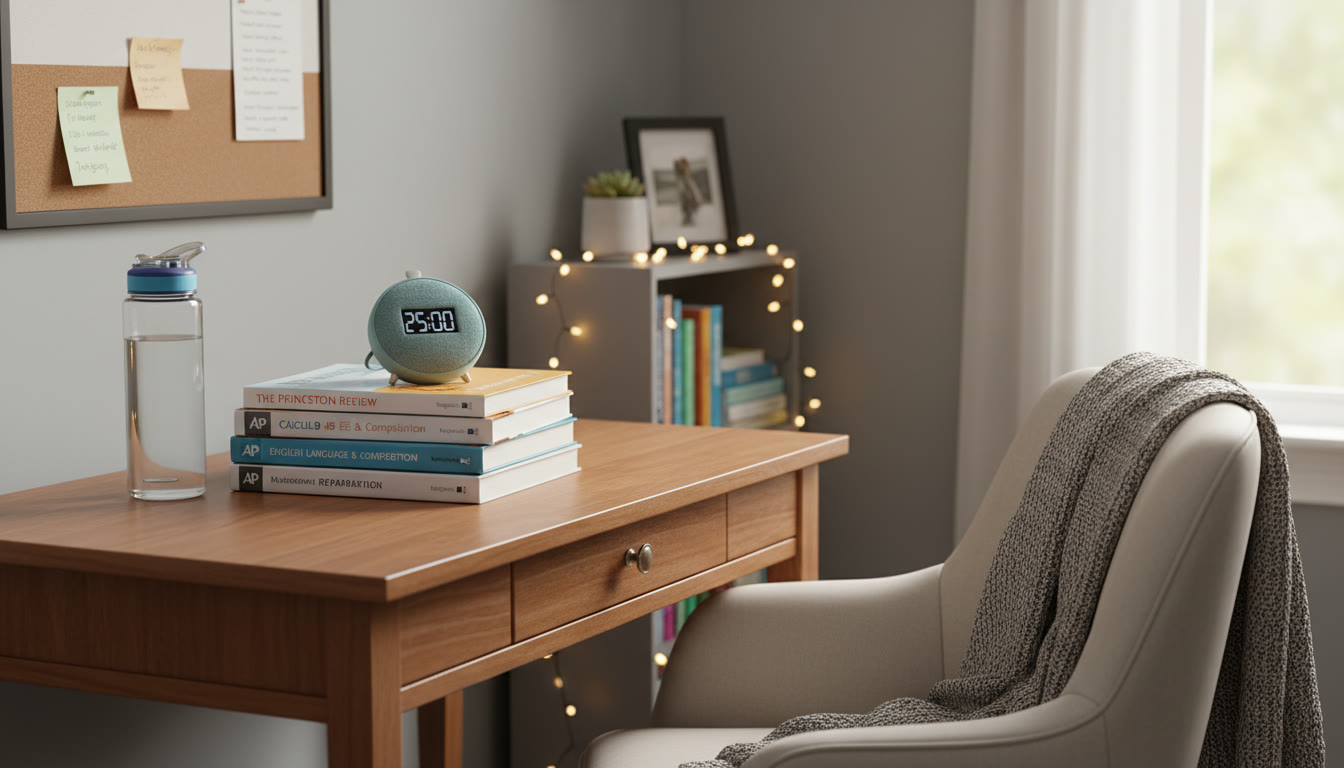
- Short pre-commitments: Use micro-schedules—small blocks of time (25–50 minutes)—so breaks are predictable and low-friction.
- Hydration strategy: Hydrate smart. Too much caffeine or water right before a long practice test can create avoidable distractions.
- Practice day echoes test day: Rehearse bathroom timing during practice tests so it becomes automatic on the real day.
Study-Session Strategies: Where Timing Wins
1. Build Bathroom Breaks into Your Pomodoro
Pomodoro-style studying (25–50 minute focused sessions followed by short breaks) is perfect for pre-scheduling restroom trips. Instead of thinking, “I’ll go when I have to,” decide before a session: “If I finish this Pomodoro, I’ll take a 5-minute break and use the restroom.” That removes indecision and prevents an interruption mid-problem set.
2. Use Transition Moments
Identify natural transition points in your study: after finishing a passage, at the end of a problem set, or between scoring and reviewing an FRQ. Those moments are the best time to stand up, stretch, refill water, and take a restroom break. It keeps your rhythm and gives your brain a tiny reset.
3. Hydration and Timing: A Smart Relationship
Staying hydrated is essential for cognitive function, but timing matters. Try this simple hydration plan:
- Wake: 1 small glass of water.
- Morning study: sip steadily—avoid chugging large volumes.
- 1–2 hours before a long practice test: moderate fluid, avoid heavy caffeine.
- After long sessions: rehydrate while taking a scheduled break.
Small, consistent sips help you stay alert without creating urgent needs.
4. Rehearse Your Test-Day Routine
Use at least two full-length practice tests to rehearse everything: when you eat, when you hydrate, and when you take restroom breaks. This rehearsal reduces surprises. If you discover that you have to go near question 60 on every practice test, adjust your pre-test routine accordingly.
Exam-Day Tactics: Calm, Confident, and Comfortable
5. Night-Before Checklist
- Limit heavy fluids right before bed.
- Eat a balanced dinner—nothing too salty (it can make you thirsty) and nothing too spicy (it can upset your stomach).
- Prepare your test kit: water bottle with a small cap, allowed supplies, and a plan for restroom timing.
6. Morning Routine for a Smooth Start
On test morning, keep the routine calm: wake early enough to use the restroom leisurely, have a light breakfast, and take a few practice breaths. Arrive early to the testing site so restroom access before the test is relaxed, not rushed.
7. Strategic Restroom Use Before the Exam
Most students should use the restroom right before the exam begins, ideally with 10–15 minutes to spare. That window reduces the chance of needing a break during the first critical section. If your test has breaks scheduled (e.g., an optional ten-minute break), time your fluids so you can use that break if needed.
Quick Rules to Decide: Go Now or Wait?
When you feel the urge, ask yourself a quick mental checklist (this should take five seconds):
- Is it an emergency or a nudge? (Sharp pain or blood = emergency, go immediately.)
- Am I within a scheduled break? (If yes, go.)
- How much is left in this focused block? (<5 minutes: you might wait.)
- Is this the only chance to visit before a long stretch? (If yes, go now.)
These rules cut indecision and protect your concentration.
Sample Schedules and Data Table
Below are sample schedules for typical AP study sessions: a shorter 90-minute session and a longer 3-hour practice test session. Use them as templates and tweak based on your needs.
| Session Type | Duration | Structure | Planned Bathroom Timing |
|---|---|---|---|
| Short Focused Study | 90 minutes | 3 x 25-minute Pomodoros + 2 short breaks + 1 review | Use restroom during the 5–10 minute break after Pomodoro 2 (midpoint) |
| Long Practice Test | 3 hours | Sectioned: 60–90 minute sections with scheduled 10-minute break | Use restroom before test start. If allowed break exists, time fluids to use that break. If no break, use restroom immediately before exam with 10–15 minutes buffer. |
| Evening Review | 45 minutes | 2 x 20-minute blocks | Quick restroom visit before starting; avoid heavy fluids |
How to Customize These Schedules
Everyone’s body clock and bladder are different. Keep a short log for a week: note how much you drink and when you needed a break during study. In two weeks you’ll notice patterns and can shift your routine accordingly.
Practical Tips and Micro-Rituals
Clothing Choices
Comfortable, layered clothing makes restroom breaks faster and less fussy. On test day wear something you can manage quickly—avoid tight belts, complicated fastenings, or unfamiliar shoes.
Fast Bathroom Ritual (60–90 seconds)
- Stand up slowly, stretch for 5–10 seconds to reset circulation.
- Take a few controlled breaths (inhale for 4, exhale for 6).
- Use restroom quickly and return to your seat with a short micro-plan: identify the next problem or page you’ll start with.
When You Can’t Leave (In-Class or Timed Labs)
Sometimes you literally can’t get up. In those situations, small strategies help:
- Shift posture to relieve discomfort.
- Use diaphragmatic breathing—slower breathing reduces urgency sensations.
- Ask the proctor politely if brief restroom access is allowed; often it is, and it’s better to ask than to suffer.
Emotional and Cognitive Benefits of Planned Breaks
Planned breaks aren’t only practical—they’re mental hygiene. They reduce decision fatigue, lower stress hormones, and can increase the brain’s ability to consolidate what you just studied. Think of bathroom timing as one piece of a larger focus strategy that includes sleep, routine, and deliberate practice.
Real-World Comparison
A piano student wouldn’t practice a concerto for two hours straight without pausing for hand care and short rest. Similarly, an AP student who interleaves short breaks (including restroom breaks) will often retain more and feel less frazzled than someone who powers through without a plan.
When to Seek Medical Advice
Occasional restroom urgency is normal, but certain patterns warrant attention:
- Frequent nightly urination that disrupts sleep.
- Consistent, sudden urgency that prevents concentrating.
- Pain, blood, or other concerning symptoms.
If you notice these, talk to a healthcare provider—physical comfort is a foundation for academic success.
How Personalized Tutoring Can Help Your Routine
When study plans are tailored to you, even small things like bathroom timing are optimized. Sparkl’s personalized tutoring helps students craft realistic study rhythms, including pacing and break timing, because those tiny adjustments add up. Tutors can observe your practice tests, notice when you break rhythm, and suggest tweaks—1-on-1 guidance that creates a calmer, more productive test-day experience. Add in AI-driven insights for pattern detection, and you get a feedback loop that makes your study time more efficient.
Personalized Adjustments Tutors Might Suggest
- Tweaking fluid intake before long practice tests.
- Changing Pomodoro lengths to match your concentration span.
- Role-playing test-day routines so bathroom timing becomes second nature.
Examples and Case Studies (Short Wins)
Example 1: The Busy Junior
A junior takes AP Biology and AP Calculus AB and practices tests on Saturday. She used to panic mid-exam and lose focus after a restroom trip. By rehearsing the entire morning routine—including a restroom visit 15 minutes before test start—and using a small water bottle, she cut interruption time by half and felt more confident returning to the test.
Example 2: The Marathoner
An AP Lang student likes long night study sessions. He learned that a light dinner and avoiding late-night energy drinks reduced his midnight bathroom trips and improved sleep. He shifted his hardest study blocks earlier in the evening and reserved light review for late-night, reducing overall fragmentation.
Checklist: Pre-Study and Pre-Test Bathroom Timing
- Practice at least two full-length tests with your exact pre-test routine.
- Schedule restroom breaks into Pomodoro cycles and long sessions.
- Keep a simple hydration and food plan for test day.
- Wear easy-to-manage clothing on exam day.
- Rehearse micro-rituals for quick returns to flow after a break.
Final Words: Small Moves, Big Gains
Bathroom timing feels like a tiny detail, but for students tackling AP exams, details are leverage points. A calm, rehearsed routine reduces stress and preserves attention. Whether you’re refining study blocks, practicing full tests, or dialing in hydration, think of bathroom timing as part of your holistic strategy—not an afterthought. Little adjustments compound into steadier focus, fewer panic moments, and smoother test days.
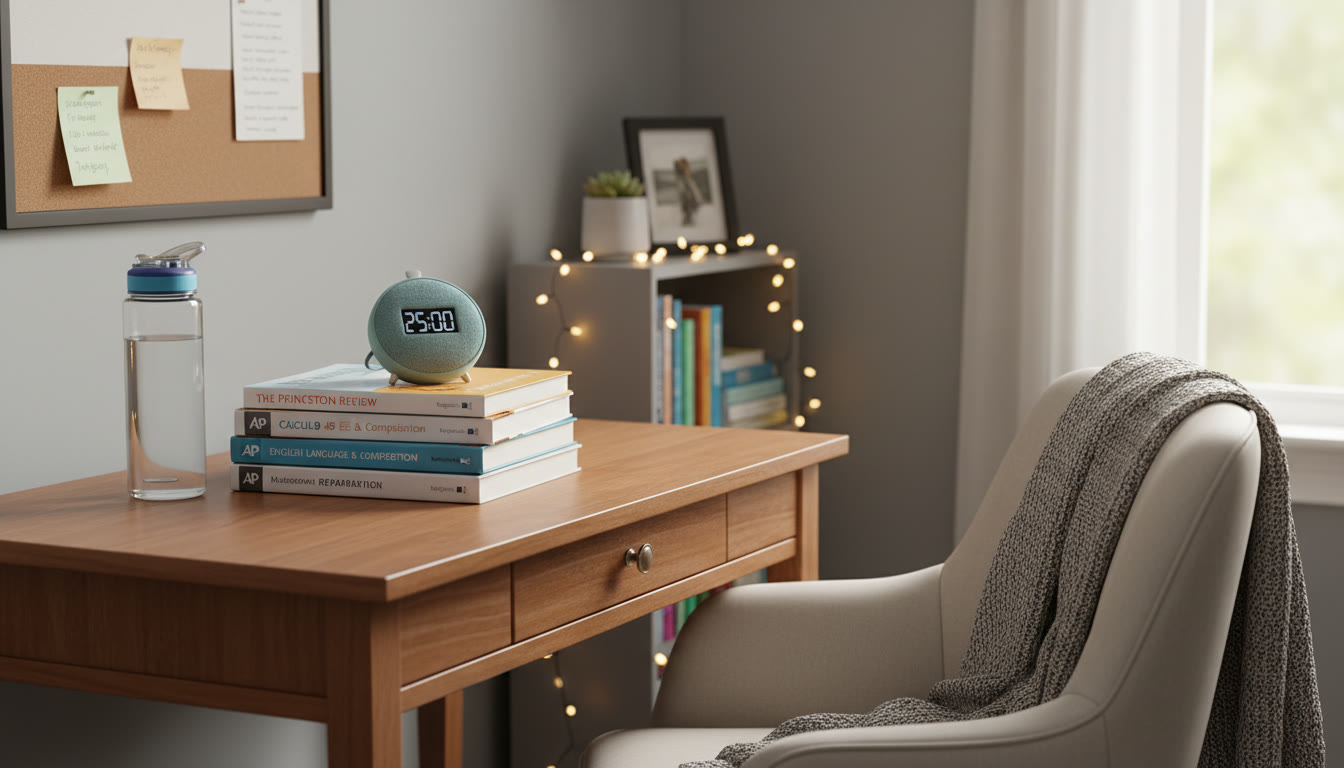
If you want help turning this guidance into a customized plan—timed to your biology, schedule, and subjects—consider personalized tutoring. Sparkl’s approach combines 1-on-1 coaching, tailored study plans, and AI-driven pattern insights to help you rehearse real test-day scenarios and protect your flow.

Plan the small things, practice the big ones, and remember: protecting your flow is not about avoiding every pause; it’s about making pauses purposeful. Good luck—your most focused session might be only a few intentional tweaks away.























No Comments
Leave a comment Cancel