
Why Hydration Matters More Than You Think for AP Success
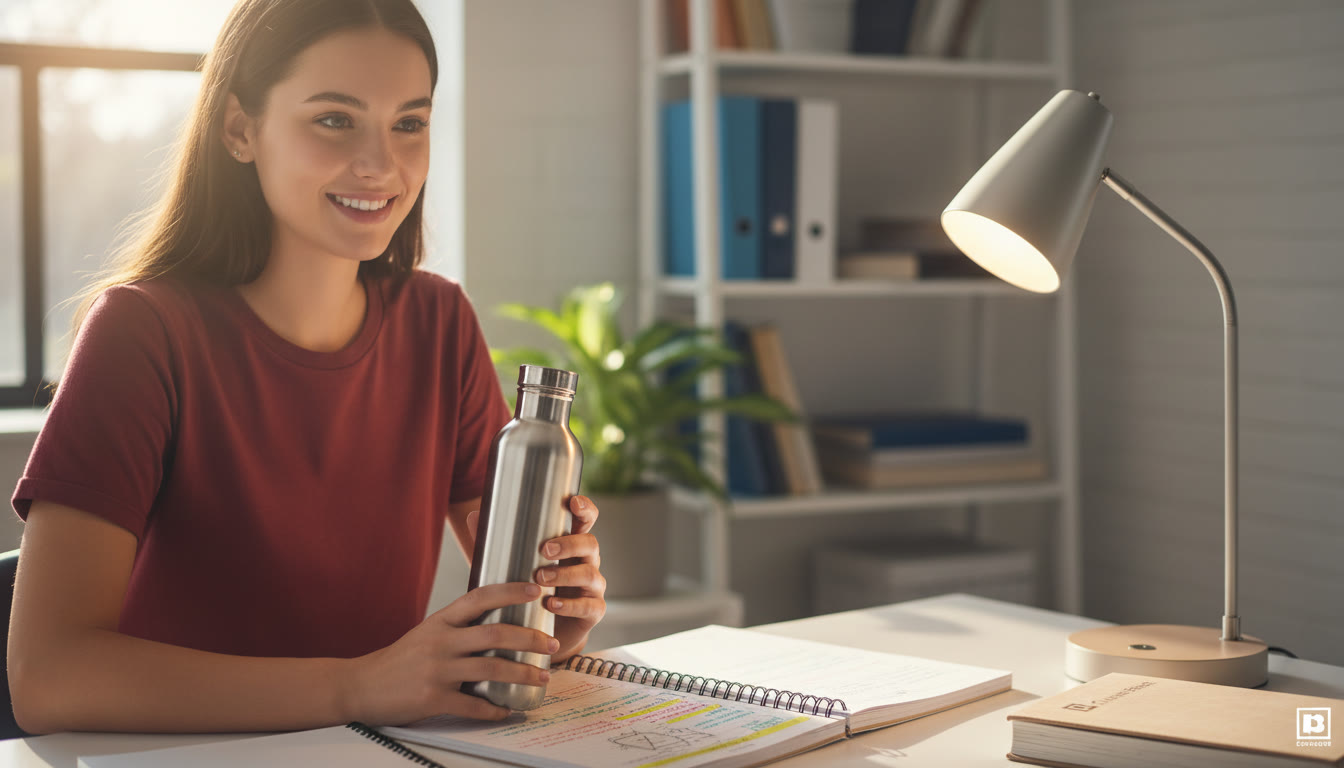
You’ve crammed the timeline for AP US History, practiced FRQs for AP Psychology, and memorized formula sheets for AP Physics. But have you ever paused to think about the water bottle on your desk? Hydration isn’t just about avoiding thirst — for AP students, it’s a cognitive performance tool. A few deliberate tweaks to the way you drink and replenish electrolytes can sharpen attention, reduce fatigue, and make long study sessions and exam mornings feel more manageable.
Small shifts, big returns
When people hear “hydration” they picture gulps of water during sports. But studying is mentally demanding in a different way: your brain burns glucose and needs a stable internal environment to process, encode, and recall information. Mild dehydration — as little as 1–2% body weight loss — can make attention waver and test performance drop. The good news: you don’t need to chug gallons. Intentional, modest changes to fluid and electrolyte habits often produce noticeable gains.
How Hydration Affects the Brain and Exam Performance
Hydration influences the body’s salt and fluid balance, blood flow, and even neurotransmitter function. That interacts with memory consolidation, processing speed, and mood — all essential for AP success.
Key cognitive connections
- Attention and focus: Even slight dehydration can lead to distractibility and slower reaction times — not ideal when you’re parsing a dense comprehension passage or solving a multi-step problem.
- Working memory: Short-term recall — holding information in your mind while manipulating it — is sensitive to internal imbalances. Staying hydrated helps keep that window clearer.
- Mood and stress regulation: Hydration affects cortisol responses and subjective stress. A calmer test-taker thinks more clearly.
- Physical endurance: AP exam mornings are long. Hydration delays fatigue, meaning your concentration lasts longer into those final multiple-choice sections or long writing tasks.
Electrolytes 101: What They Are and Why They Help
Electrolytes are charged minerals — sodium, potassium, magnesium, calcium, and others — that control fluid balance, nerve signals, and muscle function. They’re not just for athletes: your neurons and muscle control (including the small muscles that help you write quickly and clearly) rely on them.
Practical roles of major electrolytes
- Sodium: Keeps fluid in the right compartments; helps nerves fire. Too low during long, heavy sweating events can be a problem, but for most studying situations it helps maintain steady energy when paired with fluids.
- Potassium: Works alongside sodium for nerve function; supports healthy heartbeat and muscle contraction.
- Magnesium: Supports relaxation of muscles and helps with sleep quality — critical during nights before an exam.
- Calcium: Important for nerve conduction and signaling.
Practical Hydration Strategy for AP Students
Here’s a simple, student-friendly plan you can use during weeks of intense review and on exam day.
Daily routine (study weeks)
- Start your day with about 300–400 mL (10–14 oz) of water when you wake up. Overnight fluid loss is real — rehydrate first.
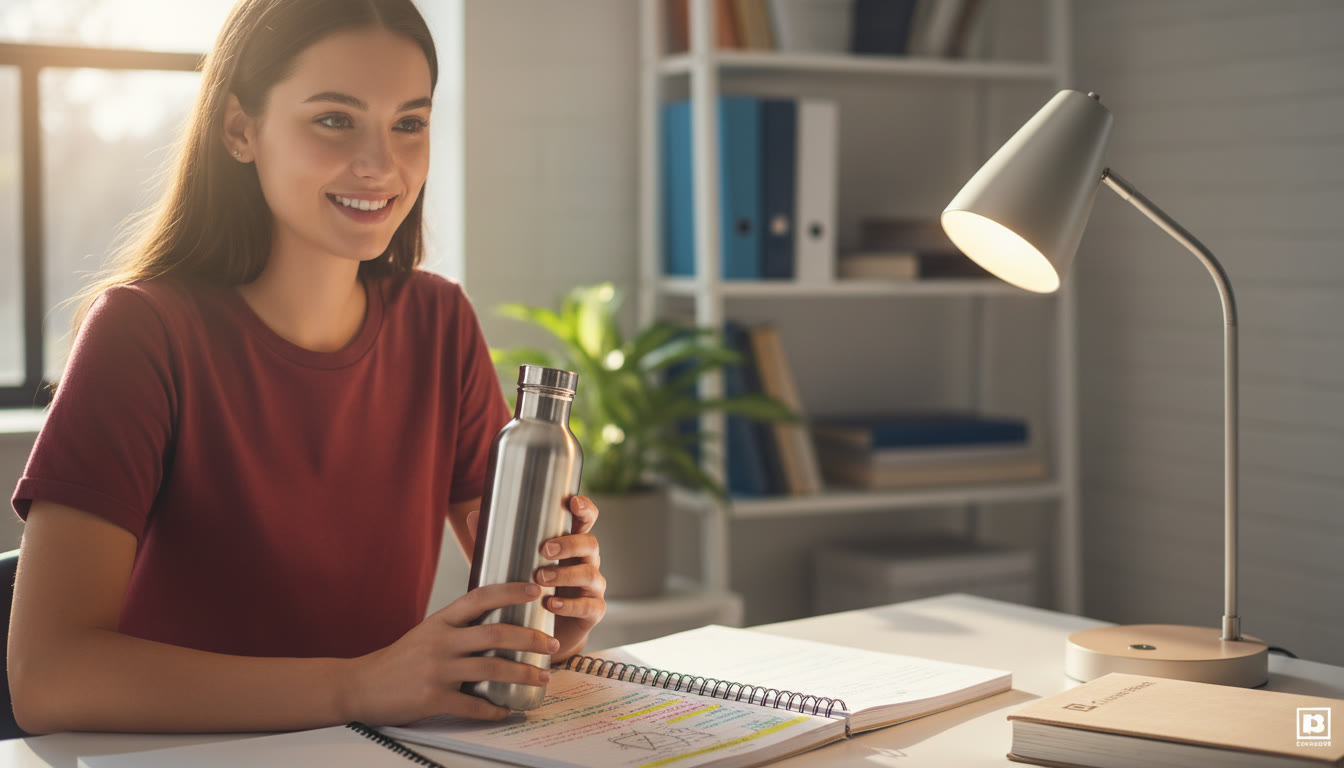
- Keep a 500–750 mL bottle at your desk. Sip consistently: aim for ~250–500 mL (8–16 oz) every 2–3 hours depending on thirst and activity.
- Include small electrolyte boosts during long study blocks — a pinch of salt in a sports-style drink, a potassium-rich snack (banana, yogurt, orange), or a magnesium-containing nut/seed snack.
- Hydrate around meals rather than gulping while studying; steady intake supports digestion and avoids mid-study bloating or discomfort.
- Prioritize sleep hygiene and magnesium-rich foods in the evening — quality sleep consolidates memory and magnesium can help promote relaxation.
Pre-exam and exam day
- Night before: Finish a final full glass of water about 60–90 minutes before bed, then a small glass before lights out if you normally wake thirsty; avoid excessive fluids right before sleep to prevent broken sleep from bathroom trips.
- Morning of: 300–500 mL (10–17 oz) of water about 60 minutes before the exam. Pair with a breakfast that includes a little salt and potassium (e.g., eggs with toast and a banana or yogurt with a pinch of granola and fruit).
- During the exam: Bring a small, sealed bottle of water if allowed. Sip to keep steady cognitive performance. Consider a mild electrolyte beverage in a separate container if you tend to sweat or get shaky under stress (check exam regulations and packaging rules).
- After the exam: Replenish with a balanced snack and water; electrolytes and carbohydrates help your brain recover and keep you sharp for the rest of the day.
What to Drink: A Practical Comparison
Not all liquids are created equal. Here’s a quick table to compare common options and when they make sense for students.
| Drink | Best For | Pros | Cons |
|---|---|---|---|
| Plain Water | Everyday hydration | Calorie-free, readily available, ideal for steady drinking | Doesn’t replace electrolytes after heavy sweat |
| Light Electrolyte Drinks | Long study days, exam mornings | Restores sodium/potassium; low sugar options exist | Some have added sugar; pick low-sugar brands or dilute |
| Milk or Dairy Alternatives | Breakfast hydration + nutrition | Provides electrolytes (calcium, potassium), protein for satiety | Heavier; may cause early fullness |
| 100% Fruit Juice (small amounts) | Quick carbs pre- or post-exam | Potassium-rich (e.g., orange), tastes good | High in sugar; use small portions |
| Caffeinated Drinks | Alertness boosts (use sparingly) | Can temporarily improve focus and wakefulness | Diuretic effects at high doses; can increase jitteriness and affect sleep |
How to choose
For routine studying: plain water + food-based electrolytes is usually enough. For long, stressful exam mornings or when you’re not eating well, consider a light electrolyte beverage with low sugar. If you use caffeine, pair it with water and electrolytes — caffeine may help alertness but won’t replace what your body loses.
Smart Snacks and Electrolyte-Rich Foods
Hydration doesn’t have to mean only liquids. Foods carry water and electrolytes, and choosing the right snacks supports both energy and cognitive function.
Top snack picks
- Bananas — potassium and easy to digest.
- Greek yogurt — calcium, potassium, protein to sustain focus.
- Trail mix with salted nuts — sodium and magnesium plus steady fats and protein.
- Hummus with crunchy veggies — provides sodium and magnesium-friendly ingredients.
- Oranges or berries — hydration plus quick antioxidants and carbs.
Timing Matters: Hydration Windows for Studying and Tests
Hydration isn’t just what you consume, but when. The timing of fluids and electrolytes can help you avoid midday slumps and exam brain fog.
Study day timing guide
- Morning: Rehydrate immediately after waking and within an hour of breakfast.
- Midday: Continue sipping; include a small electrolyte snack or drink if you’ve been active or anxious.
- Afternoon: If you use caffeine, have it early; follow with water and a potassium snack to balance.
- Evening: Wind down with a lighter fluid intake to protect sleep, and favor magnesium-containing foods to aid relaxation.
Common Myths and Realities
There’s a lot of hydration folklore. Let’s clear up a few persistent myths so you can make choices that actually help.
Myth vs Reality
- Myth: You must drink 8 glasses (64 oz) a day no matter what. Reality: Hydration needs vary by body, activity, temperature, and diet. Use thirst, urine color (pale yellow is good), and how you feel as better guides than a fixed number.
- Myth: Electrolytes are only for athletes. Reality: Students in long study sessions, hot classrooms, or high-stress exam days can benefit from small electrolyte boosts.
- Myth: All sports drinks are healthy. Reality: Many contain high sugar. Choose low-sugar or diluted options for cognitive work rather than heavy carbohydrate loads.
Personalized Hydration: Why One-Size-Fits-All Fails
Individual factors — metabolism, sweat rate, caffeine habits, and even anxiety — change hydration needs. That’s why personalization matters. Students prepping for AP exams have different routines and stressors than athletes or casual learners. Small, individualized changes often beat generic rules.
How to personalize
- Track what makes you feel best during study blocks: do you concentrate better after a small electrolyte snack? Does caffeine make you jittery? Keep notes for a week and adjust.
- Factor in environment: hot classrooms or long walks between exam rooms increase fluid loss.
- Consult a coach or tutor if you have chronic issues like migraines, significant anxiety, or a medical condition — they can help tailor intake safely.
When to Be Careful: Red Flags and When to Seek Help
Most hydration tweaks are safe, but watch for warning signs that need attention. Severe headaches, persistent dizziness, confusion, excessive bloating after drinking, or swelling are not normal student “tiredness.” If you notice those, consult a healthcare professional promptly.
Study Hacks: Combining Hydration with Learning Techniques
Pair hydration with proven study strategies to maximize returns. Here are tactical pairings you can implement immediately:
Hydration + Pomodoro
- Set a 25–50 minute study block and use the short break to take a deliberate hydration sip and a small electrolyte bite (salted nuts, yogurt). The rhythm keeps refueling regular without interrupting flow.
Hydration + Active Recall
- Quiz yourself while sipping water; the simple act of drinking during recall practice can condition your body to perform under the mild physical state you’ll have on test day.
Hydration + Sleep Prep
- Consume magnesium and potassium-rich evening snacks to improve sleep quality, which directly improves memory consolidation for AP content.
Real-World Example: A Week-in-the-Life Hydration Plan for an AP Student
Here’s a practical plan you can adapt. It balances steady water intake, small electrolyte boosts, and sensible food choices.
| Time | Action | Why It Helps |
|---|---|---|
| 7:00 AM | 300–400 mL water + breakfast (eggs, toast, banana) | Rapid rehydration + potassium and carbs for morning focus |
| 10:00 AM | Sip water; small yogurt or trail mix | Maintains blood sugar and electrolytes during mid-morning study |
| 1:00 PM | Lunch with veggies + small electrolyte drink if active | Refuels and keeps afternoon alertness steady |
| 4:00 PM | Pomodoro break: water + a salted handful of nuts | Sustains concentration for evening review |
| 8:00 PM | Light dinner; magnesium-rich snack if needed | Supports sleep and memory consolidation |
How Tutors and Study Coaches Can Help — Naturally Mentioning Sparkl
Hydration and electrolytes are deceptively personal. That’s where guided coaching helps. A tutor who understands your study rhythm can suggest timing, snacks, and fluid strategies that fit your lifestyle — and when academics and physical readiness sync, results improve.
Sparkl’s personalized tutoring model, for example, blends 1-on-1 guidance and tailored study plans with practical wellness tips. An expert tutor can recommend the exact timing for hydration during simulated exam conditions and use AI-driven insights to track when you’re most alert — then match that with content review. It’s the small, targeted changes like this that turn practice into performance.
Easy, Low-Effort Tools to Keep You on Track
You don’t need fancy gear: a marked water bottle, a small snack box, and a sticky note routine can get you a long way. Here are a few things to try:
- Reusable bottle with time markers (e.g., 9AM, 11AM, 2PM).
- Pomodoro timer with hydration break reminders.
- Small pack of low-sugar electrolyte tablets for long days or nervous test mornings.
Final Checklist for Exam Morning
Use this short checklist the morning of an AP exam to feel steady and confident:
- 300–500 mL water about an hour before the exam.
- Breakfast with a little salt and potassium (e.g., eggs and banana).
- Small, sealed water bottle for permitted sipping during breaks.
- A light electrolyte option tucked in your bag if you tend to get very anxious or sweat a lot.
- Practice this routine at least once in a full-length practice test to make it familiar.
Closing Thoughts: Tiny Habits, Big Differences
AP preparation is a marathon of both mind and body. While most study plans focus on content and timing, the body’s internal environment — hydration and electrolytes — quietly supports your ability to think, remember, and perform. These are simple, low-cost, and immediate-to-implement strategies that compound over weeks of dedicated practice.
Remember: start small, track what works, and personalize. If you pair these hydration habits with focused study strategies, and occasional guidance from a coach or a service like Sparkl that offers tailored study plans and 1-on-1 tutoring, you’ll be giving yourself both the content knowledge and the physiological edge to perform your best on test day.
Quick Takeaways
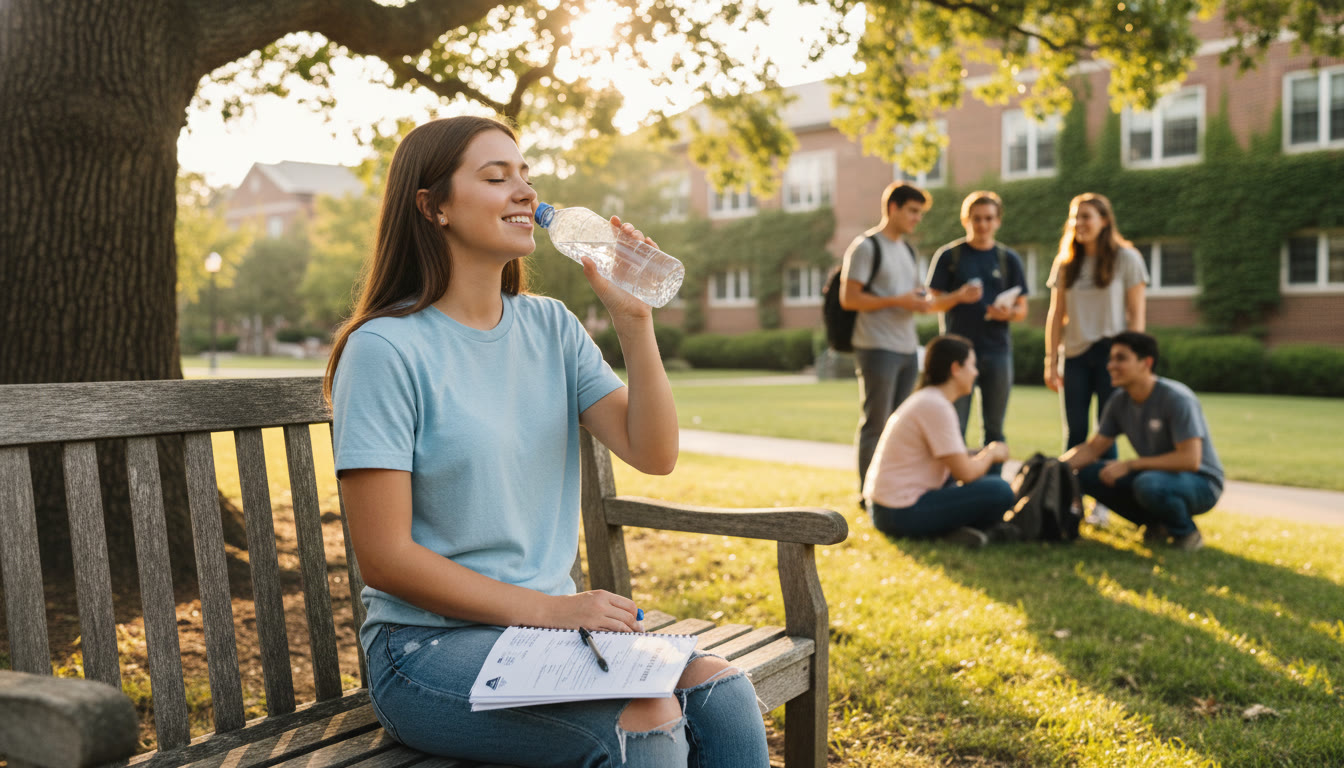
- Hydration affects attention, working memory, mood, and endurance — all crucial for AP exams.
- Electrolytes (sodium, potassium, magnesium) are useful in moderation, especially on long study days and test mornings.
- Personalize: track how food, fluids, and timing affect your focus and replicate what works during practice tests.
- Use simple tools and small routines — they compound into meaningful improvements.
- Combine hydration strategy with targeted tutoring or coaching to align physiology with peak study times — Sparkl-style personalized tutoring can help design those routines into your study plan.
Hydrate smart, snack wisely, and keep practicing. The content knowledge will carry you through — and caring for your body with thoughtful hydration and electrolytes will keep your brain in the best shape to use it.






















No Comments
Leave a comment Cancel