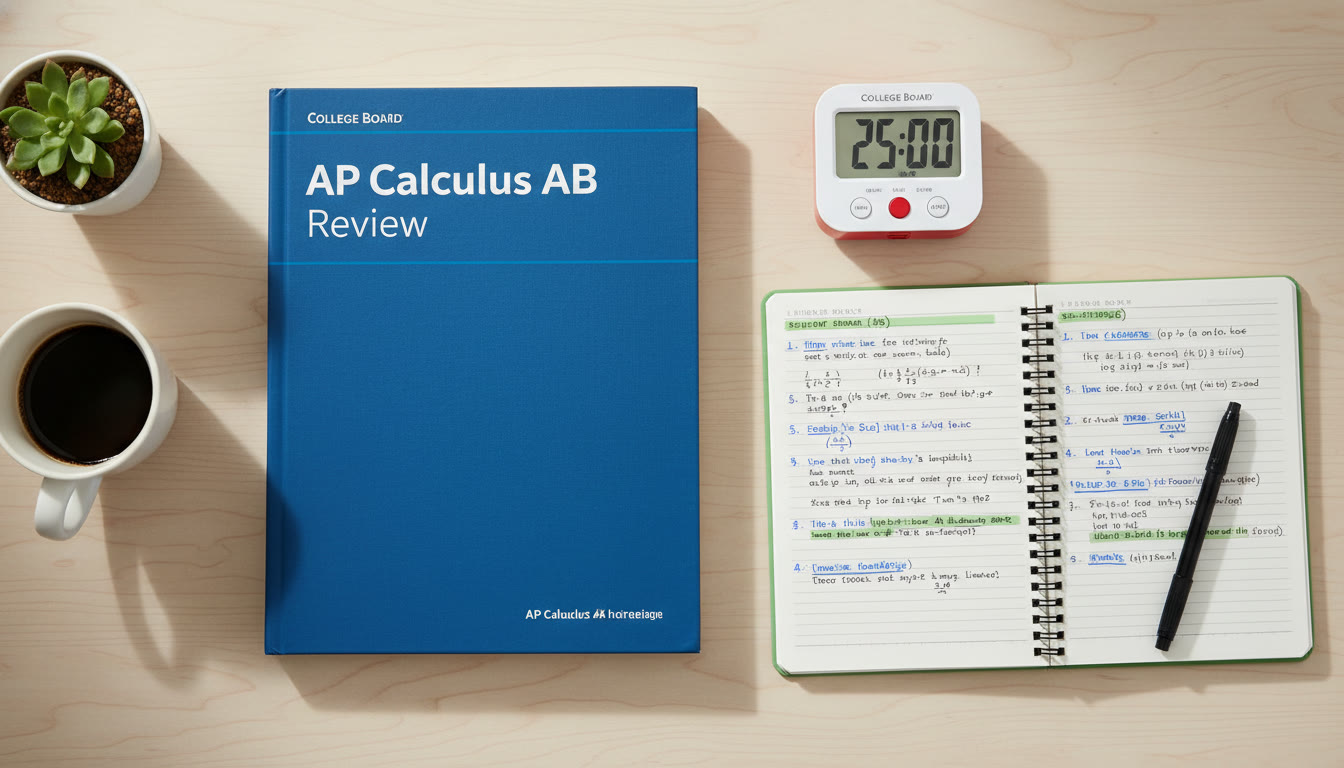

Pomodoro vs Flow: Which Mental Rhythm Wins for AP Prep?
You’ve got a stack of AP prep books, a calendar crowded with deadlines, and the faint hum of anxiety in the background. So which approach actually helps you learn more efficiently: the disciplined beats of the Pomodoro Technique or the immersive, almost-mystical state called flow? Short answer: both. But neither is a one-size-fits-all solution. This guide will walk you through both methods, give practical examples tailored to AP students, and help you build a hybrid plan that respects your brain’s natural rhythms—so you can study smarter, not just longer.
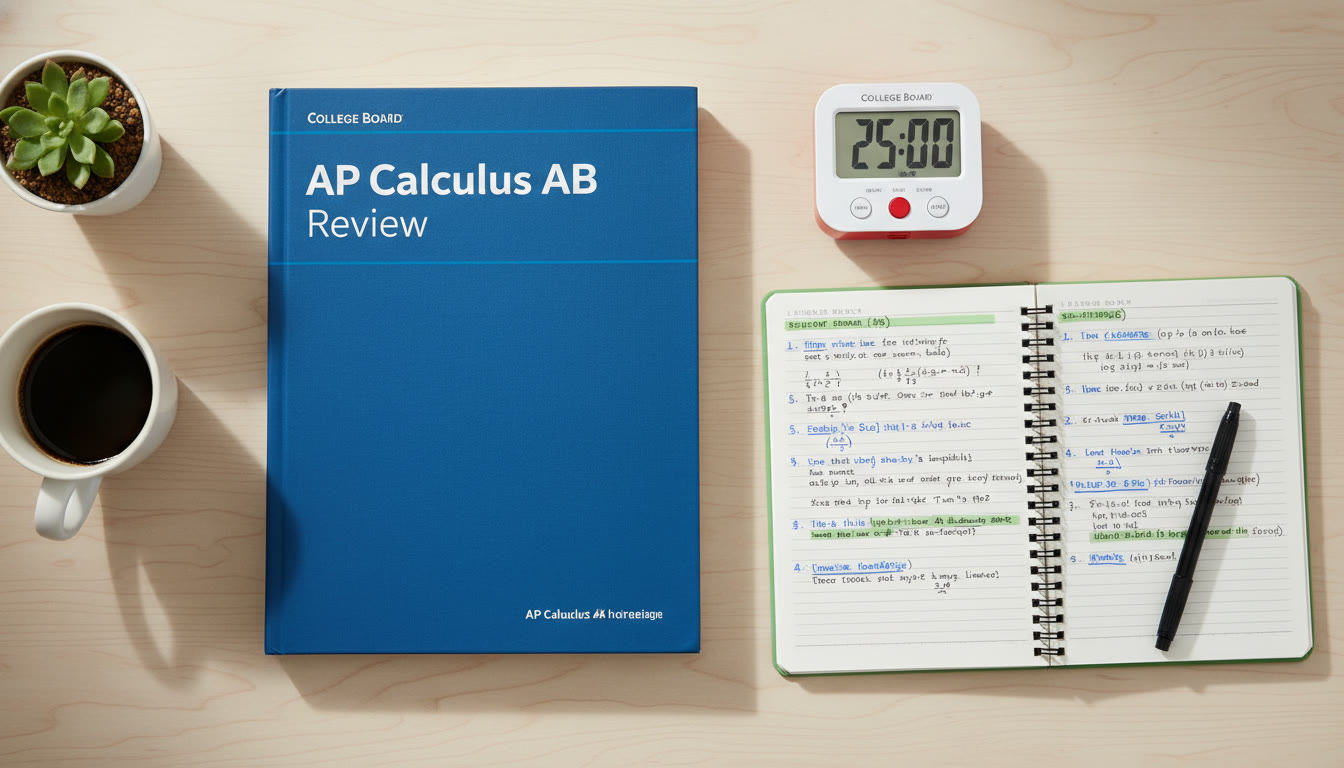
Why rhythm matters more than raw time
We often equate productivity with hours logged: four hours of chemistry review, six hours of SAT practice, and so on. But neuroscience and experienced students both show that what happens inside those hours—how attention is used—is far more important than how many of them you count. Attention is a limited resource. When you learn how to harness it with intentional patterns, your recall, problem-solving, and confidence all improve. For AP exams, where depth and precision matter, learning how to enter and sustain productive mental states is a real advantage.
What is the Pomodoro Technique?
Invented by Francesco Cirillo in the late 1980s, Pomodoro is simple and structured: work in short, timed bursts with regular breaks. The classic formula is 25 minutes of focused work followed by a 5-minute break, and after four cycles take a longer break (15–30 minutes). It’s designed to reduce procrastination, make tasks feel manageable, and keep energy steady throughout long study sessions.
How Pomodoro helps AP students
- Reduces overwhelm: Breaking AP units into 25-minute goals makes even dense topics like AP Biology Cellular Processes approachable.
- Supports spaced practice: Short sessions let you rotate subjects during a day, improving long-term retention.
- Encourages active recall routines: You can design each Pomodoro around a single focused task—do 25 minutes of free-response practice, or 25 minutes of flashcards for vocabulary.
- Builds momentum: Completing many small sessions creates a sense of progress that fuels motivation.
What is Flow?
Flow, a term popularized by psychologist Mihaly Csikszentmihalyi, describes a state of deep immersion where you lose track of time, distraction fades, and you perform at your cognitive best. Flow is often triggered when a task offers a clear challenge that matches your skill level, has immediate feedback, and demands complete focus.
How flow helps AP students
- Deeper understanding: Flow promotes complex problem-solving—great for AP Calculus proofs or synthesizing sources in AP English Language synthesis essays.
- Quality over quantity: A two-hour flow session can yield more durable learning than a scattered six-hour day.
- Intrinsic motivation: Flow feels rewarding, so students often return to it without needing external discipline.
Pomodoro vs Flow: Strengths and trade-offs
Both approaches are tools. The trick is to pick the right one for the right task and the right moment in your study cycle.
| Feature | Pomodoro | Flow |
|---|---|---|
| Best for | Routine practice, memorization, small tasks | Complex reasoning, practice exams, deep writing |
| Typical session length | 25–50 minutes | 45–120+ minutes |
| Ideal environment | Variable; works in noisy settings with brief focus | Quiet, uninterrupted, and comfortable |
| Best for combating | Procrastination and fatigue | Shallow multitasking and surface-level review |
| Risk | Fragmentation of deep tasks | Burnout if sessions are too long or frequent |
Quick example: AP US History vs AP Physics
For AP US History reading and note-synthesis, Pomodoro is perfect: do a 25-minute focused read, 5-minute summary, repeat. For an AP Physics free-response set that requires several layered calculations, aim for flow—block out a 90-minute session to build and test models without interruption.
How to tell which rhythm you need right now
Pick your approach based on the task, your energy, and the calendar.
- If your task is repetitive (flashcards, vocabulary, multiple choice drills), choose Pomodoro.
- If the task requires synthesis or creation (practice essays, full-length practice tests), prioritize flow.
- If you’re tired or distracted, use Pomodoro to lower the activation energy and regain momentum.
- If you’re well-rested and time is available, intentionally design flow sessions for high-impact tasks.
Personal signs that Pomodoro suits you
- You get micromanaged tasks done faster when timeboxed.
- Short breaks help you reset mentally.
- You struggle to start long sessions but can do short sprints easily.
Personal signs that flow suits you
- You experience “warm-up” friction but then get very productive.
- You need uninterrupted time to connect ideas deeply.
- Your best work happens in long, focused stretches.
Designing a hybrid AP study plan
Most effective students mix both. Below is a practical weekly framework you can adapt to any AP subject.
| Day | Morning | Afternoon | Evening |
|---|---|---|---|
| Monday | Pomodoro: Concept review (4×25) | Practice MCQs (3×25) + short break | Flow lite: 45-min synthesis on weakest topic |
| Tuesday | Flow: 90-min deep problem set | Pomodoro: Flashcards (5×25) | Active recall quiz (30 minutes) |
| Wednesday | Pomodoro: Vocabulary & formulas | Group study / discussion (flow-friendly) | Mini practice exam (timed) |
| Thursday | Flow: Essay writing session (90–120 min) | Pomodoro: Targeted weaknesses | Review mistakes |
| Friday | Pomodoro: Quick review of week | Creative recap (mind maps—flow) | Rest and light review |
| Saturday | Full practice test (flow for sections) | Analyze results (Pomodoro cycles) | Plan next week |
| Sunday | Active rest, light review | Optional catch-up (25-min sprints) | Relax and recharge |
How to schedule when exams are near
Four weeks out from an AP exam, increase your flow-focused blocks for full practice exams and long-form writing. Two weeks out, maintain a balance: flow for difficult problem sets and Pomodoro for targeted drills and spaced review. The final week is about precision: short, intense review (Pomodoro) to shore up facts and brief flow bursts to rehearse time-demanding skills like essays or lab write-ups.
Concrete tactics to enter flow and honor Pomodoro
Set clear, immediate goals
Flow requires a challenge-skill balance. Instead of “study chemistry,” write: “Finish and self-grade 6 AP Chemistry free-response problems with explanations.” For Pomodoro sessions, set micro-goals like “complete 30 Anki cards on periodization in APUSH.”
Design feedback loops
Flow loves immediate feedback. When you practice FRQs or worked problems, create a quick feedback loop: grade, annotate what went wrong, and set one action to fix it next session. Pomodoro’s 5-minute breaks are the perfect place to check answers and record quick fixes.
Control your environment
- Minimize interruptions: put your phone in another room or use a Do Not Disturb schedule for long flow blocks.
- Use ambient cues: soft instrumental music or noise-cancelling headphones help flow; shorter Pomodoro sessions tolerate more environmental variability.
- Prepare a ‘study kit’: water, a last-night sleep plan, and all materials within reach before starting a flow block.
Use transitions intentionally
Transitions between study sessions often waste time. Build short rituals: a 2-minute breathing exercise before flow or a quick stretch between Pomodoros. Those small rituals cue your brain that it’s time to focus.
Measuring what matters: quality metrics for study sessions
Stop tracking only hours. Use these metrics to evaluate the real value of a session.
- Retention rate: How much can you recall after 24–72 hours?
- Transferability: Can you apply what you learned to a new problem?
- Error reduction: Are you making fewer of the same mistakes?
- Confidence vs. performance: Does your sense of mastery match your results?
Quick self-check after a session
- One-sentence summary: What did I learn? (Write it.)
- One action: What will I change next time?
- One confidence rating: 1–10 on mastery.
How personalized tutoring like Sparkl fits in
Sometimes the difference between productive study and spinning your wheels is expert guidance. Personalized tutoring—like the tailored, 1-on-1 approach Sparkl offers—can help you calibrate the challenge-skill balance needed for flow, design Pomodoro cycles that reinforce weaknesses, and provide immediate feedback during practice. A Sparkl tutor can craft a study plan that uses both rhythms strategically: a weekly blueprint of Pomodoro sprints for spaced review and scheduled flow sessions for synthesis and exam simulation. When timed intelligently, expert tutors also offer AI-driven insights to track patterns and recommend session adjustments, helping you make incremental gains faster.
Sample weekly plan for an AP student using both rhythms
Below is a flexible template you can copy and customize for any AP class. Aim to spend 60–80% of your weekly focused time on active practice (problems, FRQs, mock exams) and 20–40% on review and concept building.
| Session Type | Duration | Example Task |
|---|---|---|
| Pomodoro Sprint | 25 minutes | 50 AP Calculus derivative practice problems (with 5-minute break to self-check 10 answers) |
| Extended Pomodoro | 50 minutes (2×25) | Read a chapter of AP Biology and create 10 flashcards |
| Flow Block | 90 minutes | Full-length AP English Language timed essay + revision |
| Practice Exam | 3–4 hours | Full practice test (timed sections in flow mode; short Pomodoros for review) |
Common pitfalls—and how to avoid them
Overusing one method
Using Pomodoro for every task fragments deeper work; using only flow can lead to exhaustion. Rotate them by task and energy level.
Ignoring recovery
Flow sessions are rewarding but demanding. Schedule rest—physical movement, sleep, and social time—to prevent burnout. Short, intentional breaks during Pomodoro cycles are also recovery; use them to hydrate, breathe, and briefly disconnect.
Not tracking outcomes
If you only track time, you miss whether you’re learning. Track retention and error patterns. Small data points help you iterate your approach faster than vague optimism.
Putting it into practice: a 7-day experiment
Try this experimental week to see what works for you. Keep a simple notebook: session type, goal, result, one improvement note.
- Day 1: Baseline. Do 4 Pomodoros and a 45-minute flow session. Record outcomes.
- Day 2: Flip priority. Make flow the morning focus and Pomodoro the afternoon plan.
- Day 3: Add a Sparkl-style tutoring insight—ask a tutor or mentor to observe one session and give feedback.
- Day 4: Shorten Pomodoros to 20 minutes if attention wanes; lengthen them to 30 if you’re on a roll.
- Day 5: Full practice test in flow mode; analyze mistakes in Pomodoros.
- Day 6: Recovery and light review—no more than two Pomodoros.
- Day 7: Synthesize: write a one-page plan for the next two weeks based on data.
Final thoughts: your rhythm is personal
There’s no single “best” way. The smartest students become rhythm-savvy: they use Pomodoro to maintain momentum, flow to deepen mastery, and personalized coaching when they need tailored guidance to jump-start progress. Over time, you’ll learn what your brain needs on any given day—and that self-knowledge is an advantage that lasts far beyond the AP exam season.
Whether you choose the steady pulse of Pomodoro or the wide-open focus of flow, treat your study life like an experiment. Measure, adjust, and stay curious. If you ever want help designing a study plan that blends both approaches, consider pairing your efforts with a personalized tutor who can tailor sessions, provide instant feedback, and help you use data-driven insights to refine your rhythm. Good luck—your best mental rhythm is waiting for you to discover it.



























No Comments
Leave a comment Cancel