

The Week That Defines the Year: Why Grit and Stamina Matter
There’s a quiet, shared anxiety that creeps across high school hallways every late April and early May. It’s not just the tests themselves—it’s the rhythm of mornings full of one subject and afternoons full of another, sometimes back-to-back exams, sometimes a tight cluster across several days. For many students, that stretch is less about a single sprint and more like running an academic marathon with sprint finishes squeezed in between.
Grit—the steady, determined drive to keep going when the going gets tough—and stamina—the physical and mental endurance to maintain high performance across multiple days—are the secret sauce that separates anxious scrambling from composed, confident performance. The good news? Both grit and stamina are trainable. This post is a practical, human-centered guide to building them for AP multi-exam weeks.

Who Is This For?
If you’re taking two or more AP exams in the same week—or facing a cluster of finals and APs—this guide is for you. It’s for the perfectionist who fears burnout, the procrastinator who wants structure, and the high-achiever who’s used to peak performance in single exams but hasn’t had to sustain it over consecutive days. You’ll get actionable routines, mindset shifts, and logistics tips so you can preserve energy, sharpen focus, and finish strong.
Foundations: The Four Pillars of Multi-Exam Readiness
Think of preparation as a table with four legs: planning, energy management, practice under fatigue, and mental resilience. Missing one leg makes things wobbly. Build these pillars and your week becomes a predictable system instead of a chaotic gauntlet.
1) Smart Planning (Less Panic, More Precision)
Planning isn’t just creating a to-do list. It’s arranging tasks so energy, memory, and retrieval demands match your natural rhythms.
- Create a mini-calendar for the two weeks around exam week. Block study chunks, mock test slots, and micro-rests. Treat the calendar like a promise to yourself.
- Prioritize by difficulty and margin for improvement. If you can realistically raise your AP Calculus score by a point with five hours of focused practice, schedule it. If a subject needs months, don’t try to cram it into the week—use review and strategy instead.
- Plan logistics early. Confirm testing times and locations with your AP coordinator, know the late-testing policy in case of conflicts, and prepare what you’ll bring (calculator with fresh batteries, photo ID, water, permitted snack, etc.).
2) Energy Management (The Real Exam Currency)
Time is a resource, but energy is currency. You can’t spend it recklessly.
- Sleep: Aim for consistent sleep leading up to exam week. Avoid the “all-nighter” habit; it dulls working memory and reaction time. If you must sacrifice, choose short, strategic light study over depriving yourself of two or more hours of sleep.
- Nutrition: Small, steady meals keep glucose stable. Mix complex carbs with protein and healthy fats. Think oats + yogurt + berries for breakfast, whole-grain sandwich with lean protein for lunch, and nuts or fruit for between exams.
- Hydration: Even mild dehydration reduces concentration. Keep a refillable bottle and drink steadily; caffeinated drinks are fine in moderation, but don’t over-rely on caffeine to offset poor sleep.
- Movement: Micro-exercise—five to ten minutes of jumping jacks, a brisk walk, or dynamic stretches—resets cognition faster than scrolling social feeds between exams.
3) Practice Under Fatigue (Simulate the Real Thing)
Few students practice under the same conditions they’ll face on exam week: cumulative fatigue and rapid role-switching between subjects. Train like you’ll perform.
- Back-to-back timed sections. Do a morning practice MC set for one subject, take a short break, then do a timed FRQ for another subject in the afternoon.
- Use the actual format. If the exam is digital or includes discrete task types, practice those formats so you’re not learning the interface during exam week.
- Record performance drops. If your accuracy dips by 10–20% in the second test of a simulated day, you’ve found a target to fix—shorten tasks, insert active recovery, or adjust pacing.
4) Mental Resilience (Grit with Grace)
Grit without emotional regulation becomes stubbornness. Stamina without perspective becomes hollow endurance. Build both.
- Acceptance practice: Identify what’s controllable (sleep, study, timing) and what’s not (exact question wording, a neighbor’s coughing). Focus effort on what you can influence.
- Micro-routines: Short rituals—breathing for 60 seconds, reading the first question slowly—anchor you when stress spikes.
- Post-exam decompression plan: Have a one-sentence mantra or a five-minute walk ready to shift your mind after each exam so you don’t carry the last test’s stress forward.
Daily Blueprint: How to Structure Each Day During Multi-Exam Weeks
Below is a repeatable daily template you can adapt. Think of it as scaffolding rather than rigid rules. Use it to create predictability in weeks that feel anything but predictable.
| Time | Activity | Why It Works |
|---|---|---|
| Night Before (9:00–10:30 PM) | Light review (20–40 min) + prep bag | Encodes high-value items without stimulating adrenaline before sleep |
| Morning (Wake + 30–90 min) | Routine: breakfast, light movement, 10-min review flashcards | Kickstarts cognitive clarity and lowers anxiety |
| 60–30 min before exam | Quick warm-up: key formulas, one practice problem, deep breaths | Activates recall; reduces pre-test jitters |
| Between exams | Recovery: light snack, hydration, mobility, 10-min nap if possible | Maintains glucose and resets focus for next session |
| Evening (post-exam) | Reflective debrief 10–15 min, then planned relaxation | Converts experience into learning and preserves mental energy |
Mini-Exercises You Can Do the Night Before and Morning Of
- 10-10-10 Rule: Spend 10 minutes reviewing a high-yield list, 10 minutes writing down your top two worries and a mitigation plan, and 10 minutes on calming breathwork.
- Retrieval sprint: Close notes and write out core formulas, dates, or thesis structures in five minutes. This is far more effective than passive re-reading.
Study Techniques That Build Stamina Over Time
These are techniques that not only increase knowledge but condition your brain to keep functioning under pressure.
Spaced Retrieval With Variable Contexts
Instead of studying a subject only in the same seat and at the same hour, switch rooms, vary the background noise, and change the time of day. Your memory becomes context-independent—a huge advantage when you sit down at 8 a.m. for AP Chemistry after studying it at night for weeks.
Interleaving and Hybrid Blocks
Mix topics and question types within a study block. Instead of doing 90 minutes of only one subject, try 60 minutes focused plus 30 minutes mixing short tasks from other subjects. Interleaving teaches the brain to switch efficiently—exactly what you need in multi-exam weeks.
Timed Pacing and Micro-Reflections
After each timed practice set, spend five minutes writing three specific takeaways: what you did well, one fixable mistake, and one strategy to try next time. Over days, these micro-reflections compound faster than generic notes.
Exam-Day Tactics: Small Choices That Add Up
Exam days are where your training meets reality. The following tactics are low-cost, high-return.
- First-Pass Strategy: Do an initial sweep of the test to answer easy questions. This builds confidence and secures points early.
- Time-Check Rituals: Mark time checkpoints on your exam paper (e.g., finish section A by X mins). Time awareness reduces panicked pacing.
- Micro-Breaks During Sections: If you feel foggy, close your eyes for 10 seconds and take three deep diaphragmatic breaths. It resets focus without losing momentum.
- Smart Guessing: If an answer is uncertain, eliminate choices and lock in the best plausible one. For many AP multiple-choice formats, eliminating two options often gets you to a 50% or better chance.
Recovery Protocols Between Tests
What you do in the two hours between exams matters almost as much as your study. Treat that time as a focused recovery block.
- Refuel: A balanced snack: fruit + nut butter, yogurt + granola, or a small sandwich.
- Power Nap: 20 minutes can restore alertness. Set an alarm to avoid sleep inertia.
- Active Reset: 10 minutes of brisk walking or mobility to increase blood flow to the brain.
- Brief Review: 15–20 minutes of targeted flashcards or formula review—nothing that requires heavy problem-solving.
When Things Go Off Script: Common Emergencies and How to Handle Them
No plan survives every possible disruption. Here’s how to react when the unexpected happens.
Missed Alarm or Sleepless Night
Skip the guilt. Hydrate, eat something steady (not just coffee), and use the first 15 minutes for a short, high-yield review. If you arrive fatigued, slow your pace at the beginning of the test and lean on strategy and elimination rather than speed.
Back-to-Back Digital Exams and Battery Worries
If you’re taking two digital AP exams on the same device, have a backup plan: power bank, charge spot in the testing room, or another device reserved. Coordinate with your AP coordinator in advance to confirm charging arrangements or late-testing options if necessary.
Test Anxiety Spike During the Exam
Use a 60-second grounding exercise: name five things you can see, four things you can touch, three things you can hear, two things you can smell, and one thing you can taste. Then take three slow breaths and begin top-to-bottom on the section to regain control.
Measuring Progress: Simple Metrics to Track Stamina
Tracking avoids guesswork. Pick a few measures and record them quickly after each day of practice.
- Accuracy per section (morning vs. afternoon) to detect fatigue drop-off.
- Time per problem: note if solving time increases as the day progresses.
- Subjective energy scale (1–10) at three checkpoints: morning, midday, evening.
How Personalized Tutoring Can Multiply Your Gains
Training grit and stamina is not just about working harder—it’s about working smarter. Personalized tutoring that offers 1-on-1 guidance, tailored study plans, expert tutors, and AI-driven insights can make your practice more efficient. A tutor who helps you simulate multi-exam conditions, pinpoints knowledge weak spots, and co-creates a recovery routine saves hours of trial and error. If you use tutoring, prioritize tutors who focus on strategy and stamina-building, not just content delivery.
Putting It All Together: A Two-Week Sample Plan
Below is a practical two-week plan you can adapt. It balances review, simulation, and recovery so that you arrive at exam week tough but fresh.
| Day | Morning | Afternoon | Evening |
|---|---|---|---|
| Two Weeks Out | 60–90 min focused review high-yield topics | Interleaved practice (45 min) | Timed problem set + light notes |
| One Week Out | Back-to-back simulation morning (2 hrs) | Afternoon micro-sim (1 hr) + recovery | Sleep priority, light review (20 min) |
| Three Days Before | Short timed set + pacing drills | Active recovery + memory retrieval | Pack bag, prep logistics |
| Exam Day | Warm-up + calm ritual | Recovery between tests (if any) | Debrief and relax |
Real-World Example: How a Student Turned Chaos into Routine
Imagine Maya, who had AP English Lit and AP Biology on the same day, plus AP Calculus two days later. She was used to single-exam sprints and panicked at the idea of stamina. Together with a tutor, she scheduled two weeks of short interleaved blocks, practiced two partial exams in one day, and developed a recovery kit (small sandwich, electrolyte bottle, mobility exercises, and a 20-minute nap plan). On the day she had back-to-back tests, she applied the first-pass strategy on both tests, used her recovery kit, and finished counting on steady focus rather than frantic speed. Her scores improved and, more importantly, so did her confidence for future multi-exam scenarios.
Final Notes: Culture, Perspective, and Sustainable Grit
Grit isn’t about stubbornly ignoring break signals. It’s about sustainable, disciplined effort anchored in self-awareness. Stamina isn’t a fixed trait; it’s a practiced capacity you build by respecting sleep, practicing under realistic conditions, and learning recovery as a skill just as important as practice.
If you’re planning a training timeline, start small. Add micro-simulations, test your recovery routine, and track simple metrics for one week. Adjust and iterate. And when you need targeted help—whether with pacing strategies, exam-format simulation, or a custom recovery plan—consider personalized tutoring that offers tailored study plans and expert guidance to multiply your effort.
Parting Prompt
Pick one change from this guide to try this week—maybe a 20-minute recovery protocol between mock tests or a nightly 30-minute wind-down that guarantees sleep. Test it, measure it, and iterate. Small, consistent changes are the way grit becomes habit and stamina becomes second nature.
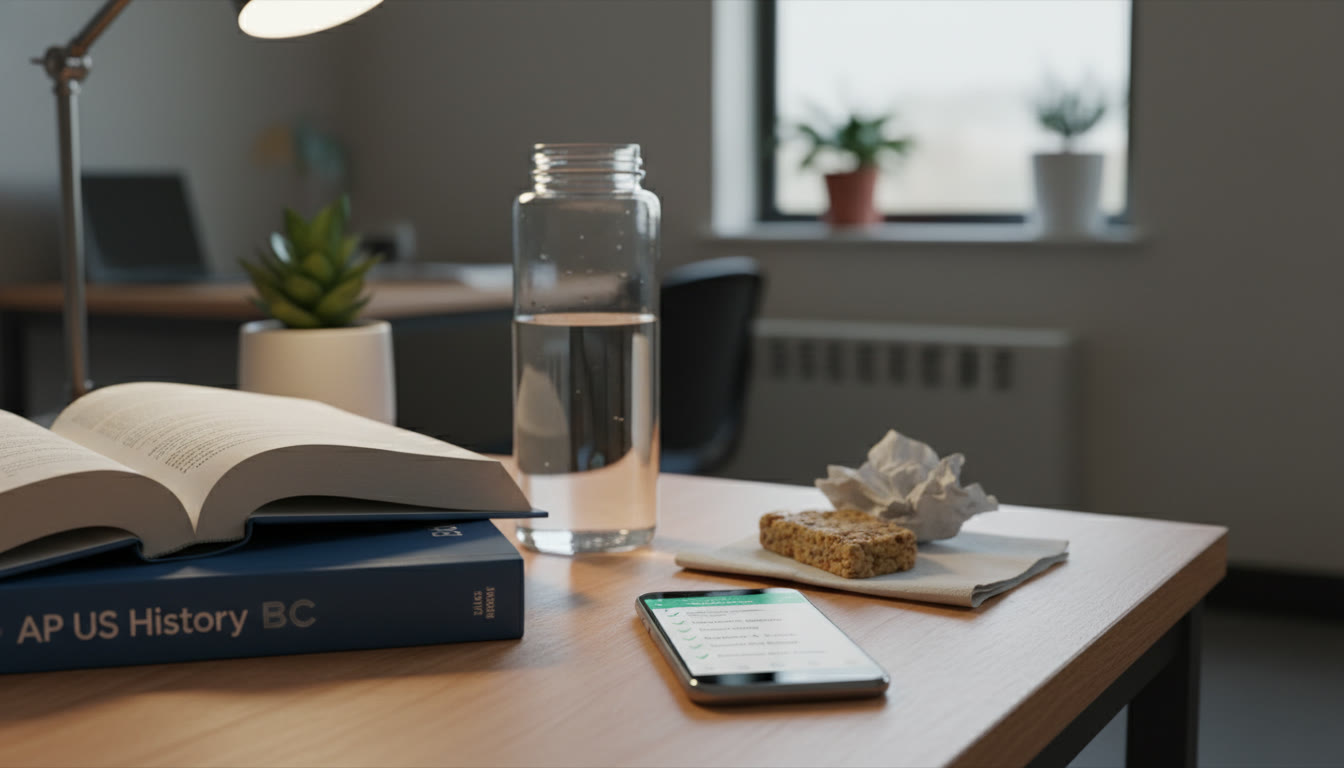
You’ve prepared for months; now it’s time to trust the process. Treat exam week like a sequence of missions—not just problems to solve, but opportunities to practice disciplined, humane endurance. You’ll come out smarter, stronger, and with better tools for whatever’s next.

























No Comments
Leave a comment Cancel