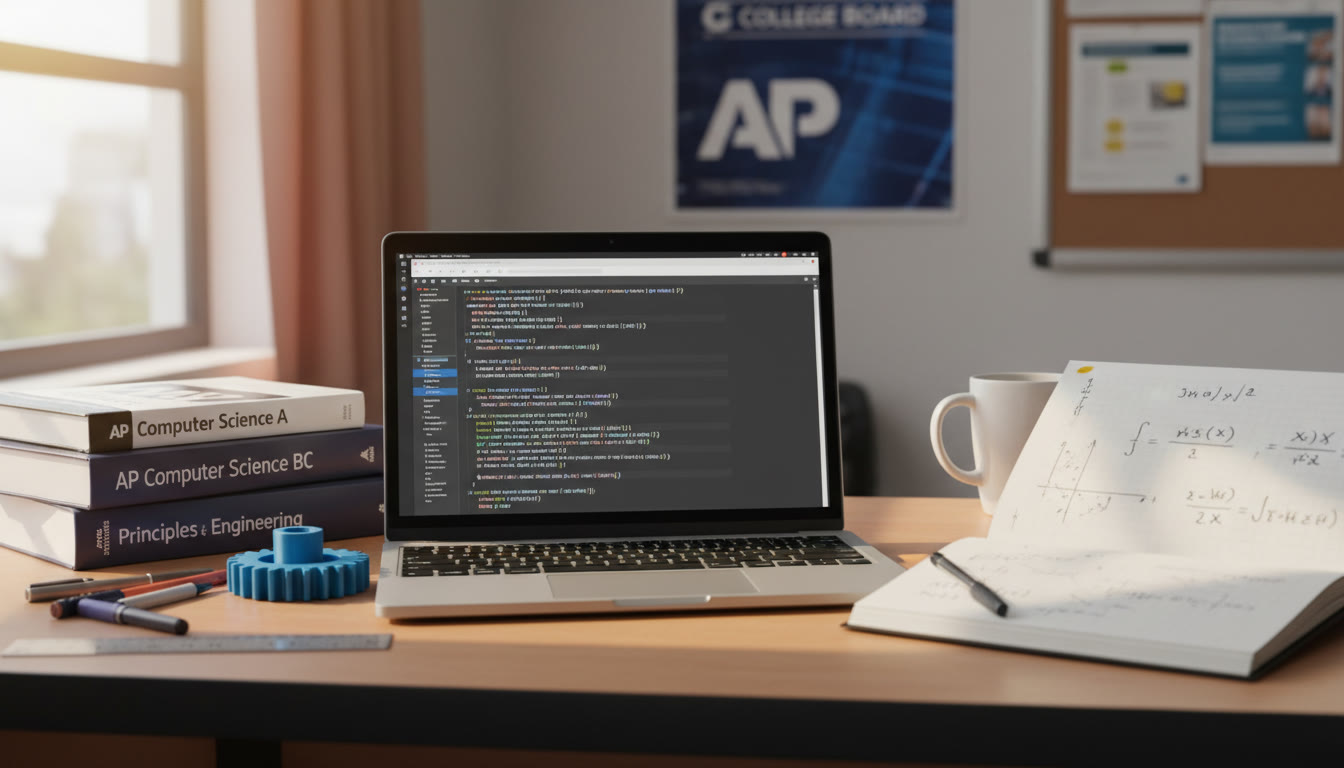

Your next moves after AP CS A / CSP / Calculus: Why sequencing matters
First — congratulations. Whether you just finished AP Computer Science A (CSA), AP Computer Science Principles (CSP), AP Calculus AB or BC, or some combination of these, you’ve unlocked a powerful advantage: college-level exposure to topics that form the backbone of many CS and engineering majors. But here’s the real question: what next? Should you double down on programming, take more math, build engineering projects, or try a mix of all three? The answer depends on your goals, the college you’re aiming for, and how you learn best.
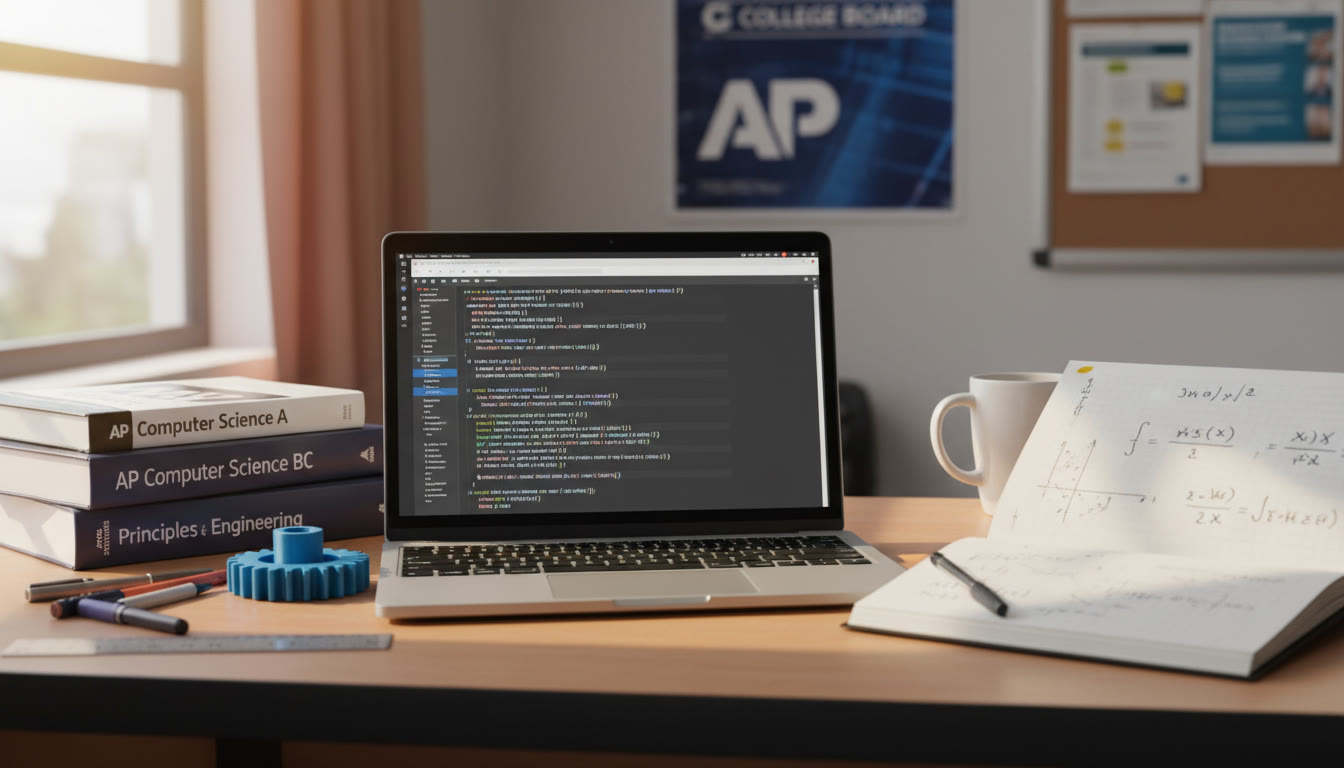
Who this roadmap is for
This guide is for high school students prepping for APs and thinking beyond: prospective CS majors, aspiring electrical/mechanical engineers, students curious about data science, or those who want to keep options open. I’ll cover recommended course sequences, sample semester and summer plans, how to translate AP credit into college advantage, and practical next steps you can take now — including how tailored tutoring (e.g., Sparkl’s 1-on-1 guidance and AI-driven insights) can make your transition smoother and more strategic.
Big-picture sequencing: Three common student profiles
Let’s reduce the noise. Most students fall roughly into one of three profiles — each with slightly different sequencing priorities.
- The Focused CS Student: Loves programming, algorithms, and software engineering. AP CSA or CSP completed — next up: advanced programming, data structures, discrete math.
- The Engineering-Bound Student: Wants electrical, mechanical, civil, or aerospace engineering. AP Calc BC (or AB then BC), plus physics, and applied mathematics are priorities.
- The Interdisciplinary / Exploration Student: Interested in both CS and engineering or undecided. A balanced mix of programming, calculus, physics, and project-based electives is best.
How AP CSA, CSP, and Calculus translate into college readiness
AP CSA gives you hands-on Java experience and a foundation in object-oriented programming. AP CSP broadens your understanding of computing’s role across domains, emphasizing algorithmic thinking, data, and ethical impacts. AP Calculus (AB/BC) develops the calculus skills engineers and many CS subfields require. When sequenced thoughtfully, these APs can let you place out of intro courses in college or let you tackle higher-level material earlier — freeing room for electives like machine learning, embedded systems, or robotics.
Recommended course sequences (by profile)
Below are practical sequences you can use in junior and senior year of high school and suggested first-year college courses if you want to accelerate.
Focused CS Student — high school & first-year college
- Senior year: AP CSA (if not yet taken) or AP CSP, Data Structures (if available), Discrete Math (if offered), competing in programming contests or doing a coding internship.
- Summer before college: Build a portfolio project (web app, mobile app, or game) and learn a second language (Python or JavaScript).
- College Year 1: Intro to CS (if AP didn’t grant credit), Data Structures & Algorithms, Calculus (as required), Intro to Discrete Math, or CS seminar electives.
Engineering-Bound Student — high school & first-year college
- Senior year: AP Calculus BC (or AB then BC), AP Physics C (Mechanics ± E&M), engineering or robotics elective, and maintain programming basics (Python or MATLAB).
- Summer before college: Participate in a maker program, robotics camp, or complete applied projects (Arduino, Raspberry Pi).
- College Year 1: Calculus sequence, Physics with lab, Intro to Engineering Design, and an introductory programming course if required.
Interdisciplinary / Exploration Student
- Senior year: One calculus AP (AB or BC), one CS AP (CSA or CSP), physics elective, and project-based classes.
- Summer: Cross-discipline project — build a sensor-driven device that visualizes data, or make an app that models a physics problem.
- College Year 1: Mix of calculus, introductory CS, and foundational engineering or design classes. Keep options open for specializations in sophomore year.
Sample semester planning table
Here’s a compact view of how a focused CS student and an engineering-bound student might structure their senior year and first college year.
| Profile | Senior Year (High School) | Summer | College Year 1 (Fall/Spring) |
|---|---|---|---|
| Focused CS | AP CSA or CSP, Discrete Math, School Programming Club | Build portfolio app; learn Python; small internship | Data Structures, Calculus (if needed), Intro CS elective |
| Engineering-Bound | AP Calc BC, AP Physics C, Robotics | Robotics camp; Arduino projects; research shadowing | Calculus II, Physics I, Intro to Engineering Design |
Course priorities and why they matter
Picking the right follow-up courses isn’t about collecting APs — it’s about building a scaffolded skill set that prepares you for sophomore-year specialization. Here are the core classes and how they help:
- Data Structures and Algorithms: The natural next step after AP CSA. Understanding runtime, trees, graphs, and algorithm design is essential for CS majors and technical interviews.
- Discrete Mathematics: This subject’s logic, proofs, combinatorics, and graph theory underpin both theoretical CS and many engineering algorithms.
- Calculus Sequence (I, II, III): Engineers rely on multivariable calculus; many CS fields (graphics, robotics, machine learning) use calculus heavily.
- Physics with Lab (Mechanics and Electricity & Magnetism): Critical for most engineering programs and helpful for embedded systems or hardware-focused CS tracks.
- Linear Algebra: Central to machine learning, computer graphics, and control systems. It’s often more important than high-level calculus for certain CS specializations.
Electives that amplify your profile
- Introduction to Embedded Systems / Microcontrollers
- Intro to Machine Learning or Data Science (AP or dual-enrollment if available)
- Digital Logic or Circuits (useful for hardware engineering)
- Software Engineering or Project-Based Programming
- Robotics, CAD, or Design Thinking
How to use AP credit strategically
AP credit policies vary by college and department. Some top programs accept AP CSA or Calculus for placement but still require departmental introductory sequences. Use AP credit to:
- Place out of intro courses and take higher-level electives earlier (e.g., Linear Algebra, Discrete Math).
- Build a double-major or add a minor — AP credit can free up semester space.
- Accelerate into research, internships, or co-ops during sophomore year.
Tip: Before assuming placement, check a school’s AP credit policy and talk to the department advisor. If you’re targeting selective engineering or CS programs, using Sparkl’s personalized tutoring to plan next steps and craft targeted questions for college advisors can be a smart move — tutors can help you translate AP scores into a realistic course plan.
Project ideas that showcase your growth
Projects are the currency of technical applications and internships. Here are ideas that align to your AP background and help you stand out.
- Build a full-stack app that visualizes data from a public dataset — combine CSP’s data skills with CSA programming.
- Create a physics-simulating game that uses calculus-based motion equations — great for engineering and CS portfolios.
- Construct an IoT sensor (Arduino/Raspberry Pi) that collects environmental data and runs basic ML on-device — a bridge between hardware and algorithms.
- Contribute to an open-source project or write tutorials teaching concepts you’ve nailed — mentors love demonstrable impact.
Study habits and learning architectures that actually work
As you move from APs to higher-level courses, depth matters more than breadth. Here are practical study architectures that scale.
- Active Problem Solving: For algorithms and calculus, do problems before consuming solutions. Struggle, then check the technique.
- Spaced Repetition: Use flashcards for key definitions (Big-O, limit theorems, matrix properties), but pair with problem practice.
- Project-Based Learning: Apply each new concept in a small project — the retention multiplier is huge.
- Pair Programming and Peer Review: Code reviews mirror real-world engineering; they reveal different approaches and improve code quality.
How tutoring and personalized plans accelerate progress
Generic advice is fine; tailored guidance is transformational. Personalized tutoring — for example, Sparkl’s 1-on-1 guidance with expert tutors and AI-driven insights — helps you identify weak spots (e.g., recursion vs. dynamic programming), create a bespoke syllabus, and practice targeted interview-style problems. A tutor can also simulate college-level expectations, help build a portfolio, and guide college course selection so AP credit works to your advantage.
Real-world context: how employers and colleges view early AP experience
Colleges and employers don’t just check boxes — they look for growth, depth, and evidence you can contribute. APs show readiness, but projects, internships, research, and leadership often weigh more. For instance:
- A student who places out of introductory CS and then takes a data structures or systems course earns a signal of readiness for intermediate topics.
- An engineering applicant with AP Calculus, Physics, and a robotics project demonstrates applied competence that admissions committees and internship recruiters notice.
- Completing AP CSP speaks to breadth: you understand computing’s societal and data aspects, which matters for interdisciplinary work (data ethics, computational policy, product roles).
Common sequencing mistakes and how to avoid them
Avoid these traps that slow momentum:
- Taking too many advanced courses without depth: Don’t stack electives you won’t master. It’s better to deeply learn Data Structures than superficially take three unrelated tech electives.
- Assuming AP credit removes the need to learn fundamentals: Skipping foundational college classes without mastering the material creates gaps later. Use AP credit to push forward, but fill any knowledge holes.
- Ignoring math breadth: For many CS subfields and all engineering, Linear Algebra and multivariable calculus are essential; don’t neglect them in favor of only programming.
College interview and application talking points
Your application or interview should tell a cohesive story. If your APs are part of that story, frame them like this:
- AP CSA: “I learned object-oriented design and built X; this prepared me for Y.”
- AP CSP: “I explored computing’s societal impacts and completed a data-driven project analyzing Z.”
- AP Calculus: “I used calculus to model [a real problem], which inspired my interest in [engineering/graphics/ML].”
Concrete outcomes — GitHub repos, project demos, competition results, or internship responsibilities — are persuasive. If you want help polishing those narratives, one-on-one mentors from services like Sparkl can critique your statements and map AP achievements to compelling application stories.
Sample one-year accelerated plan (for ambitious students)
Here’s a tough-but-rewarding path if you want to be college-ready for intermediate CS/engineering work by the end of your first year:
- Fall: If AP CSA gives placement out of intro CS, take Data Structures. Also enroll in Calculus II or Linear Algebra depending on placement.
- Spring: Take Algorithms, a systems or circuits elective, and start a team project or research assistant role.
- Summer: Intern, research, or complete a capstone project that you can show off on interviews and applications.
Using resources well: books, platforms, and mentors
Great resources complement classwork — but the trick is how you use them. Don’t binge tutorials without implementing. Mix reading with doing:
- Algorithm practice sites (time-limited challenges to build fluency).
- Project tutorials followed by independent extensions (to show creativity).
- Office hours, study groups, or professional tutoring sessions for accountability and debugging help. A structured tutor can create a study plan and simulate technical interviews.
Final checklist: What to have in place before college
- Clear course plan for the first two years — consult college AP policies and departmental requirements.
- Two or three polished projects with code, documentation, and short demos.
- At least one strong math sequence (Calculus through multivariable or Linear Algebra) or physics background for engineering.
- Practice problems for data structures and algorithms; be comfortable with recursion, hash tables, sorting, and complexity analysis.
- A mentor or tutor who can review your plan and help you pivot — personalized guidance is especially useful if you want to optimize AP credit and course sequencing.
Parting advice: keep curiosity at the center
AP courses are stepping stones, not final destinations. The most successful students use them to test interests, then commit time to projects and deeper coursework that align with their curiosity. Whether you love building elegant algorithms, designing circuits that hum to life, or modeling the next great simulation — sequencing your classes thoughtfully will let you reach those goals faster.
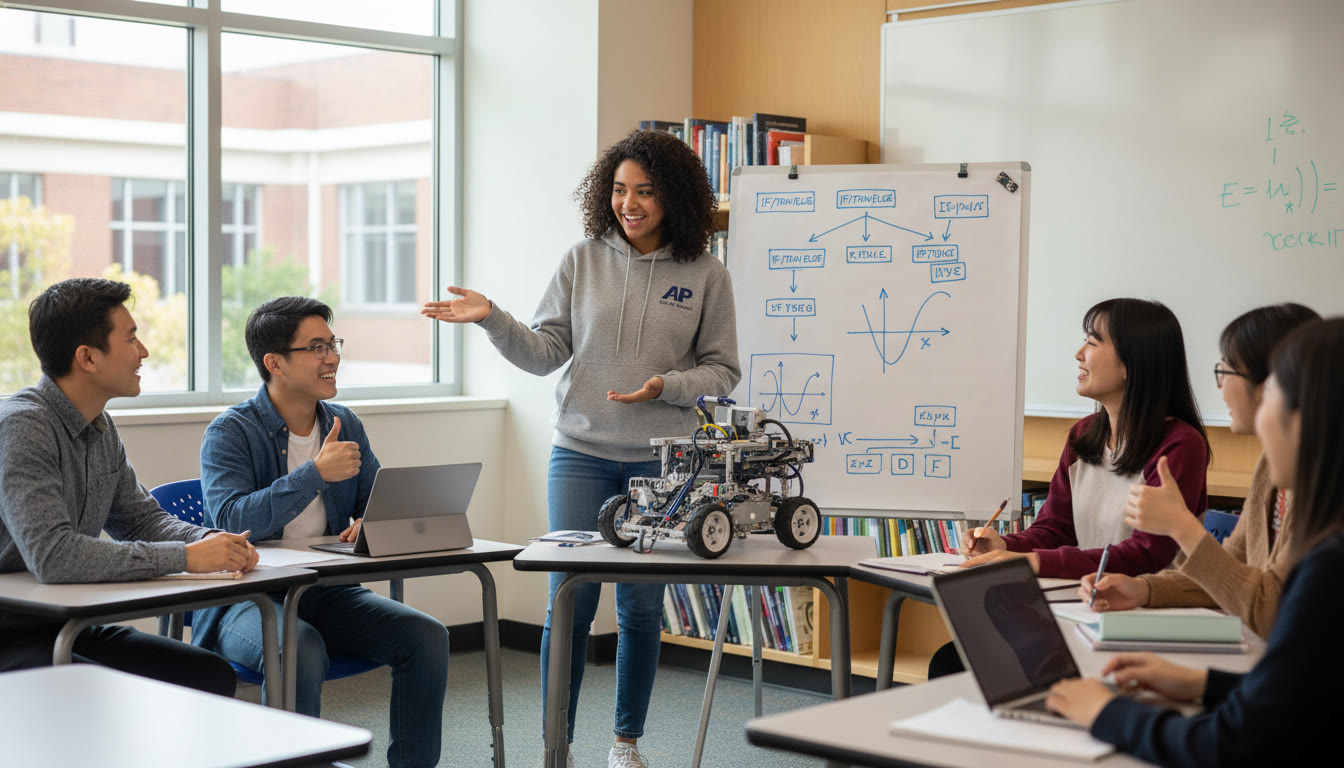
Need help building your sequence?
If you want a tailored plan — for example, which exact college courses to aim for in freshman year given your AP scores — working with an experienced tutor can save months of trial and error. Personalized tutoring that combines expert guidance, a tailored study plan, and AI-driven insights can help you pick the right next classes, construct projects that impress admissions and recruiters, and build skills with targeted practice.
Take the momentum you earned in AP CSA, CSP, and Calculus and channel it into purposeful steps: choose a few deep courses, build projects that matter, and ask for feedback. That combination will carry you from AP confidence to real-world competence — and into a college experience where you can specialize, innovate, and thrive.
Closing note
If you’d like, I can build a personalized semester-by-semester plan for your specific AP scores, target colleges, and interests (e.g., software, robotics, AI, or mechanical engineering). Tell me which APs you’ve completed, your scores (if you want), and a short list of colleges or majors you’re targeting — and I’ll produce a recommended sequence, project ideas, and a suggested learning timeline.


























No Comments
Leave a comment Cancel