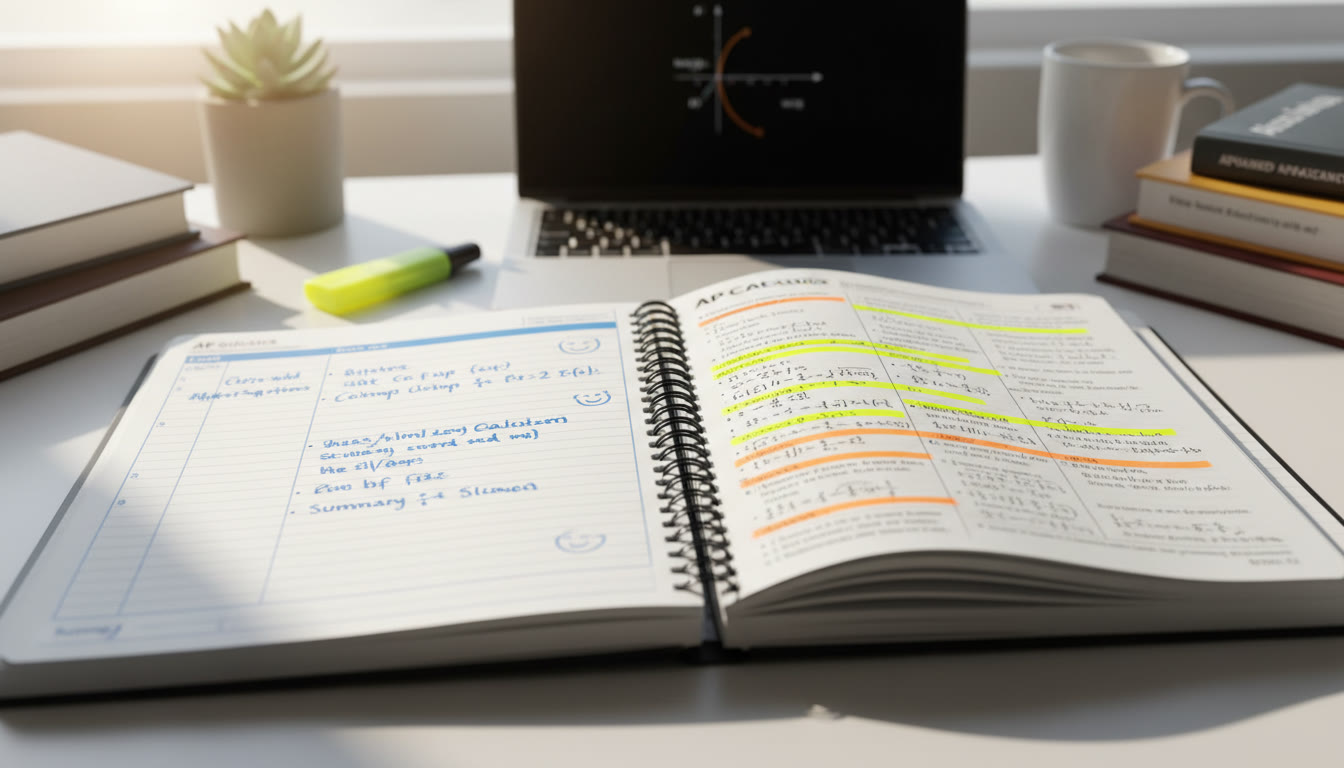

Why the Right Note System Changes Everything
If your course load is dominated by thick textbooks, long primary-source readings, and dense lecture notes—welcome to the club. Reading-heavy courses (AP Literature, AP U.S. History, AP Biology, AP Psychology, and many college seminars) demand more than passive highlighting. They require a system: a repeatable, resilient way to capture ideas, find them later, and turn them into reliable answers when exams, essays, or discussions arrive.
This post walks through practical note systems that actually work for busy students: the Cornell Method, structured outlines, the Zettelkasten slip-box approach, annotated primary-source notes, and digital hybrids. I’ll show how to choose a system based on your goals, how to mix methods, and how to convert notes into exam-ready study tools. Along the way you’ll find quick templates, a sample comparison table, and realistic daily schedules you can adapt. If you want extra help tailoring a plan, Sparkl’s personalized tutoring offers 1-on-1 guidance, tailored study plans, expert tutors, and AI-driven insights that can make your note strategy fit you like a glove.
Start With Your Purpose: Why You’re Taking Notes
Notes serve different masters. Start by asking: what do I need these notes to do?
- Capture facts — dates, definitions, formulas (good for APUSH timelines, AP Chemistry reactions).
- Track arguments — claim, evidence, counterargument (AP Literature essays, AP Gov debates).
- Synthesize ideas — compare chapters or sources, build connections (great for long-form essays).
- Support retrieval — be quizzable; easy to review on short notice (ideal for exam prep).
Once you know why you’re taking notes, you can pick or mix a system that supports that purpose.
Overview of the Best Note Systems
Below are common, effective systems—short descriptions, strengths, and when to pick them.
The Cornell Method
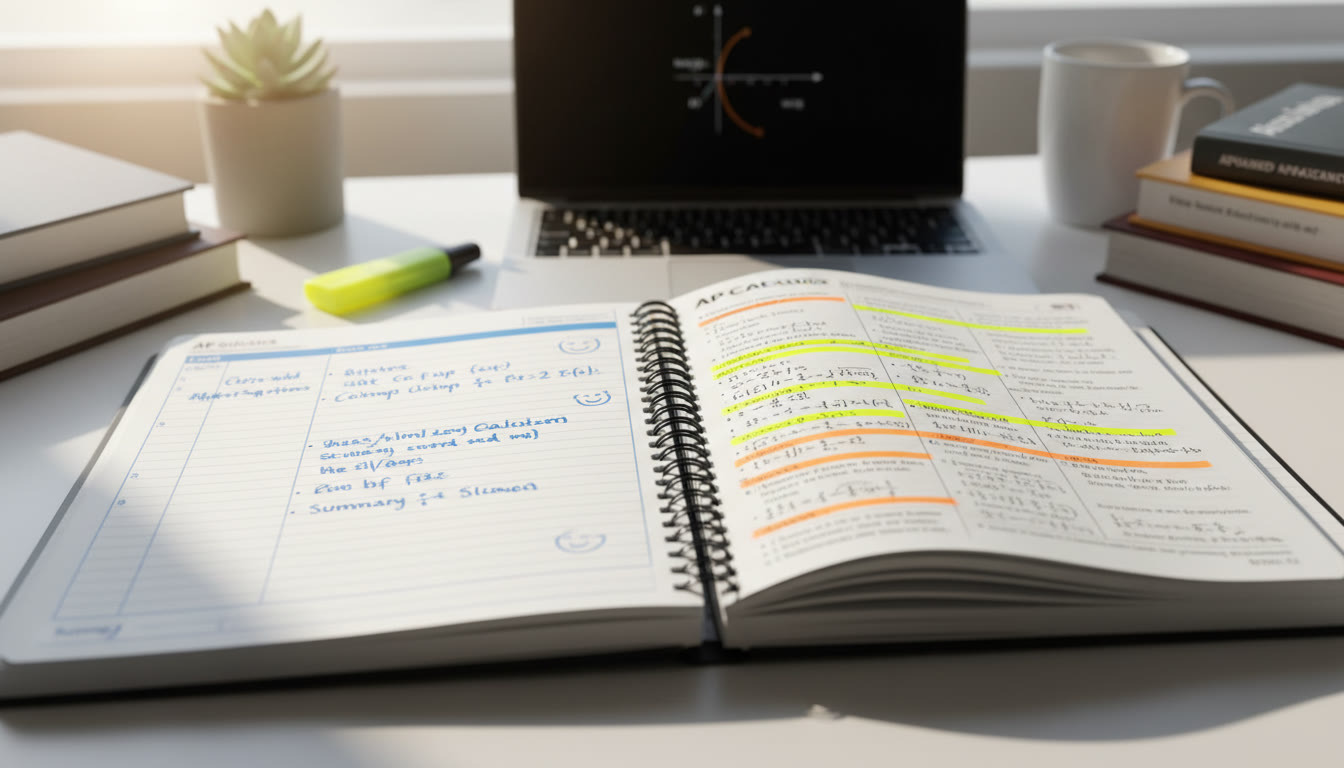
Format: Divide a page into three parts—cue column (left), notes (right), and summary (bottom). During reading or lectures, take detailed notes in the right column. Later, write keywords/questions in the cue column and a 2–3 sentence summary at the bottom.
Why it works: It turns notes into a built-in review system. The cue column generates testing prompts; the summary forces synthesis. Ideal for classes where instructors emphasize facts and concepts.
Structured Outlines
Format: Hierarchical bullet points (I, A, 1, a) that capture main ideas first, details second. Good readers use an outline while reading chapter headings and subheadings.
Why it works: It mirrors the textbook structure, so you can quickly locate information. Great for lectures that follow a clear arc—AP Biology chapters, AP Economics models.
Zettelkasten (Slip-Box) Lite
Format: Atomic notes—each note contains one idea and links to related notes. In a digital Zettelkasten, each note has tags and links. In a physical version, use index cards and a simple numbering system.
Why it works: It excels at synthesis and long-term creativity. If your course asks you to connect authors, theories, or themes across many texts (for example, comparing literary movements across time), Zettelkasten helps you build a personal web of ideas.
Annotation + Margin Notes
Format: Write directly in the margins of your book or a PDF—questions, reactions, brief paraphrases, and page flags. Use different colored pens or sticky tabs for themes (theme, evidence, question).
Why it works: Fast and intimate. Best for primary-source-heavy courses where interacting with the text is a must. Combine with a slip-box or Cornell notes for longer-term retention.
Digital Hybrids
Format: Use tools like note apps that support search, tags, and backlinks. Combine typed Cornell pages, uploaded annotated PDFs, and a Zettelkasten-style vault.
Why it works: Searchability and the ease of reuse. Good for students who prefer typing and for courses with many PDFs and online resources.
How to Choose the Best System for You
Pick based on three factors: assessment type, reading volume, and personal rhythm.
- Assessment type: If exams are fact-heavy (multiple choice), emphasize Cornell and flashcard-ready cues. If essays and synthesis dominate, prioritize Zettelkasten and outlines.
- Reading volume: For 30–100 pages per week, structured outlines and annotation are manageable. For 200+ pages, switch to a lighter annotation plus synthetic notes approach.
- Personal rhythm: Are you a morning synthesizer or a last-minute crammer? Morning review fits Cornell; night-time linking suits Zettelkasten work sessions.
Practical Templates and a Sample Table
Below are quick templates you can copy into a notebook or digital file. Use them as starting points and tweak until each feels natural.
| System | When to Use | Quick Template |
|---|---|---|
| Cornell | Mixed fact + concept courses; frequent short quizzes | Right: lecture/reading notes. Left: Questions/keywords. Bottom: 2–3 sentence summary. |
| Outline | Textbook-driven classes; clear chapter structure | I. Main Idea A. Key point 1. Evidence/example |
| Zettelkasten | Essay-heavy, interdisciplinary work | Title: One Idea Core claim (1–2 sentences) Tags: theme, author, course Links: note IDs for related ideas |
| Annotation | Primary sources; close reading | Mark key lines; write reactions/questions in margins; tag pages with sticky notes. |
Day-in-the-Life: How to Use These Systems Practically
Here’s a realistic weekly rhythm that mixes methods so notes stay useful and manageable.
Daily (20–60 minutes total)
- Morning (10–15 min): Quick review of yesterday’s Cornell cues or a 5-card spaced-repetition quiz.
- During class or reading (20–40 min): Use annotation and outline for heavy readings. Convert key points into bullet-form Cornell notes immediately after class.
Weekly (2–4 hours total)
- Sunday synthesis session: Turn the week’s Cornell summaries into 3–5 Zettelkasten-style atomic notes. Link related ideas.
- Practice exam questions: Use cue column items to self-test under timed conditions.
Exam Prep (2–4 weeks out)
- Compress Zettelkasten links into thematic review pages per exam topic.
- Create 50–100 active-recall prompts from Cornell cue columns and use spaced repetition (digital or paper box).
Converting Notes Into Exam-Ready Tools
Notes are only useful when you turn them into study tools. Here’s how to transform raw notes into review gold.
- From Cornell to Flashcards: Use cue column questions as the front of a flashcard and the right column’s detailed notes as the back.
- From Outline to Practice Essays: Expand top-level outline points into paragraph skeletons: topic sentence, two pieces of evidence, analysis, link back to prompt.
- From Zettelkasten to Thematic Summaries: Follow links between atomic notes to create a one-page thematic narrative you can memorize.
Examples: AP-Specific Use Cases
To make this concrete, here are three use cases tailored to common AP scenarios.
AP United States History (Reading + Dates + Interpretation)
- Annotate primary sources directly and write brief margin summaries of author perspective.
- Use Cornell for lectures—left column for “cause/effect” cues.
- Build a Zettelkasten of recurring themes (federalism, reform movements), linking events and sources to each theme.
AP Literature (Close Reading + Themes)
- Annotate poems and passages. Use colored marks: imagery (blue), tone shifts (red), motifs (green).
- Make a slip-box note for each motif with quotes, page references, and thematic analysis.
- Before exams, turn slip-box notes into 2–3 practice thesis statements per major work.
AP Biology (Concepts + Vocabulary + Diagrams)
- Use structured outlines for processes (e.g., cellular respiration steps).
- Attach quick diagrams to Cornell notes and write cue questions like “Rate-limiting step?”
- Convert facts into spaced-repetition flashcards for rapid recall.
Common Pitfalls and How to Avoid Them
- Too much transcription: If your notes are just copied text, they won’t help you recall. Fix: After each reading, spend five minutes writing a 2–3 sentence summary in your own words.
- Not reviewing: Notes in a binder don’t study themselves. Fix: Schedule short daily reviews and a weekly synthesis session.
- System churn: Switching systems every week wastes time. Fix: Choose one primary system for a semester (with 1–2 supporting tools) and stick with it long enough to see results.
Tools That Complement Note Systems
Low-tech still wins: a simple notebook, sticky tabs, and highlighters are often enough. But consider adding one or two digital tools for backup and searchability.
- Note apps with backlinking for a Zettelkasten-style vault.
- Spaced-repetition apps for flashcards (convert Cornell cues to cards).
- PDF annotation tools if your readings are mostly digital.
How Sparkl’s Personalized Tutoring Can Fit In
Note systems are personal—and sometimes a little outside perspective accelerates progress. Sparkl’s personalized tutoring can help students identify the best note strategy for their learning style. Tutors provide 1-on-1 guidance, create tailored study plans, and suggest concrete ways to convert notes into practice prompts. Their AI-driven insights can help you spot weak recall patterns and show which cues or slip-box links need reinforcement. If you find yourself stuck between systems, a short coaching session can save weeks of inefficient study.
Measurement: Know If Your Notes Are Working
Use these measurable signals to test the effectiveness of your system:
- Recall speed: Can you answer 80% of your Cornell cue questions without looking at the notes?
- Application: Can you use three notes to build a paragraph that directly answers a past exam prompt?
- Retention over time: After two weeks, how many facts or connections can you still reproduce?
Sample Weekly Checklist
Use this checklist to make your note system habitual.
- Daily: Read actively and annotate (15–40 min).
- Daily: Update Cornell cue column after class (5–10 min).
- Weekly: Create 3–6 atomic Zettelkasten notes from summaries (45–75 min).
- Weekly: Self-test using cue questions or flashcards (30–60 min).
- Monthly: Create a one-page thematic summary from your linked notes (60 min).

Final Tips: Make Notes That Don’t Break Under Pressure
As you refine your note system, keep these human-focused tips in mind:
- Keep it imperfect: Notes are tools, not art. Clarity beats completeness.
- Make it social: Compare summaries with a classmate—teaching is the strongest test of understanding.
- Protect time: Guard a weekly hour for synthesis like it’s an appointment; your future self will thank you.
- Iterate: Try one system for six weeks and measure recall. If it’s not working, tweak one variable (format, timing, review frequency) rather than overhauling everything.
Closing: Notes Are the Map, Not the Territory
Reading-heavy courses can feel like drinking from a fire hose, but the right note system turns that fire hose into a steady faucet. Whether you prefer the tidy cadence of Cornell, the hierarchical clarity of outlines, or the creative webs of Zettelkasten, your best system will be the one you actually use consistently.
If you’d like help tailoring a strategy, consider brief, targeted sessions with a tutor. Sparkl’s personalized tutoring offers focused 1-on-1 help, tailored study plans, and expert feedback to get your notes working harder for you—without adding hours to your schedule.
Start small: pick one method, commit for a month, measure recall, and iterate. The rest—better essays, faster reviews, and calmer study sessions—follows.
Good luck—your future self already knows this was worth the work.




























No Comments
Leave a comment Cancel