
Why Accents and Dialects Belong in Your AP Listening Toolbox
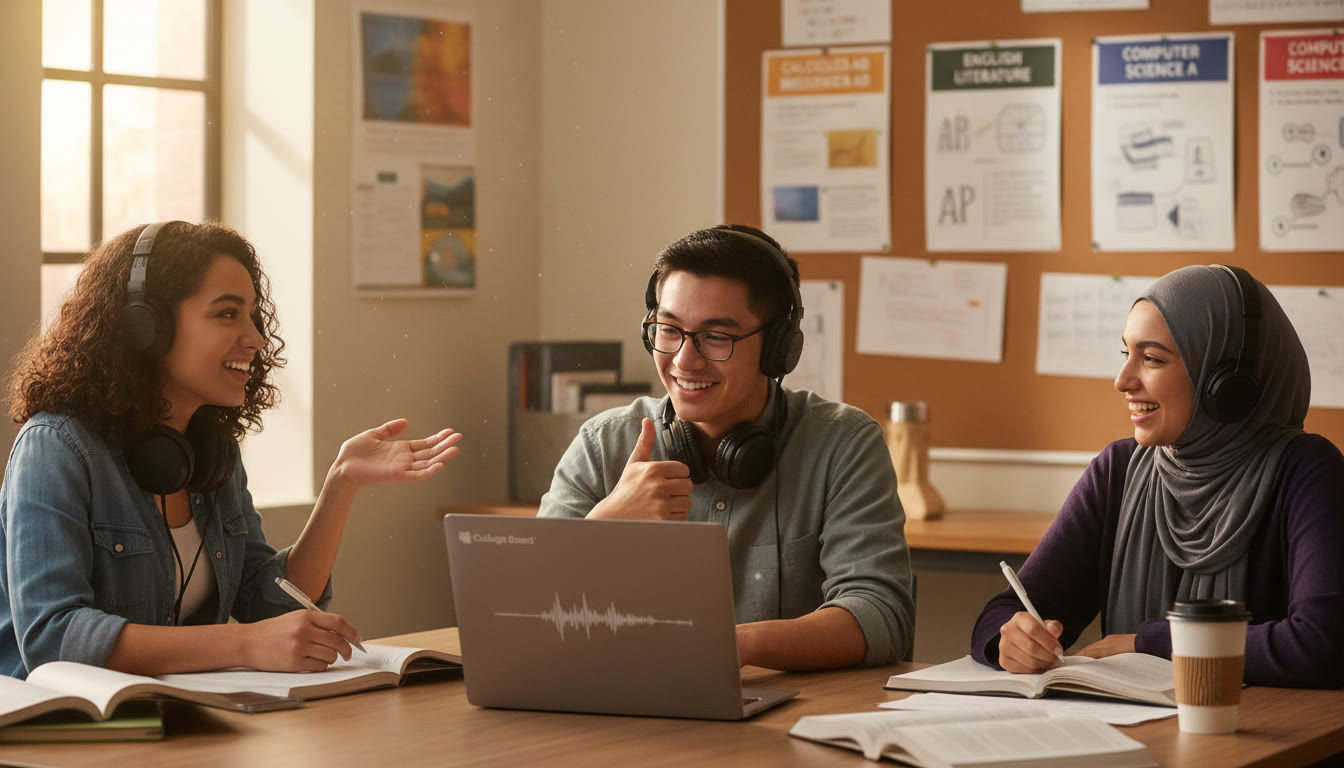
Imagine you’re taking an AP exam or practicing for an in-class listening task and the audio speaker has an accent or dialect you don’t recognize. Your heart rate ticks up, you miss a detail, and suddenly a simple paragraph feels like a riddle. It’s not because you’re bad at listening — it’s because your ear hasn’t met that voice before. That’s exactly why “Listening Clinics” — structured, regular exposure to a variety of accents and dialects — are one of the smartest, most human ways to sharpen listening comprehension for AP courses.
In this post you’ll find an approachable, research-minded plan: what Listening Clinics are, why they help, practical exercises you can do alone or with peers, a sample weekly schedule, and a data-driven table showing how small daily habits compound into big gains. I’ll also sprinkle in how Sparkl’s personalized tutoring can support this work when you want 1-on-1 guidance, tailored study plans, expert tutors, and AI-driven insights to focus practice where you need it most.
What a Listening Clinic Actually Is
A Listening Clinic is a short, focused practice session designed to expose you to a range of spoken English (or another target language) varieties: regional accents, international accents, sociolects, and formal vs. informal registers. These clinics are not about perfection; they’re about familiarity. Over time your brain learns to parse pronunciation differences, recognize vocabulary variations, and pay attention to rhythm and intonation — all of which improve comprehension and test performance.
The Science (Short and Sweet): Why Exposure Works
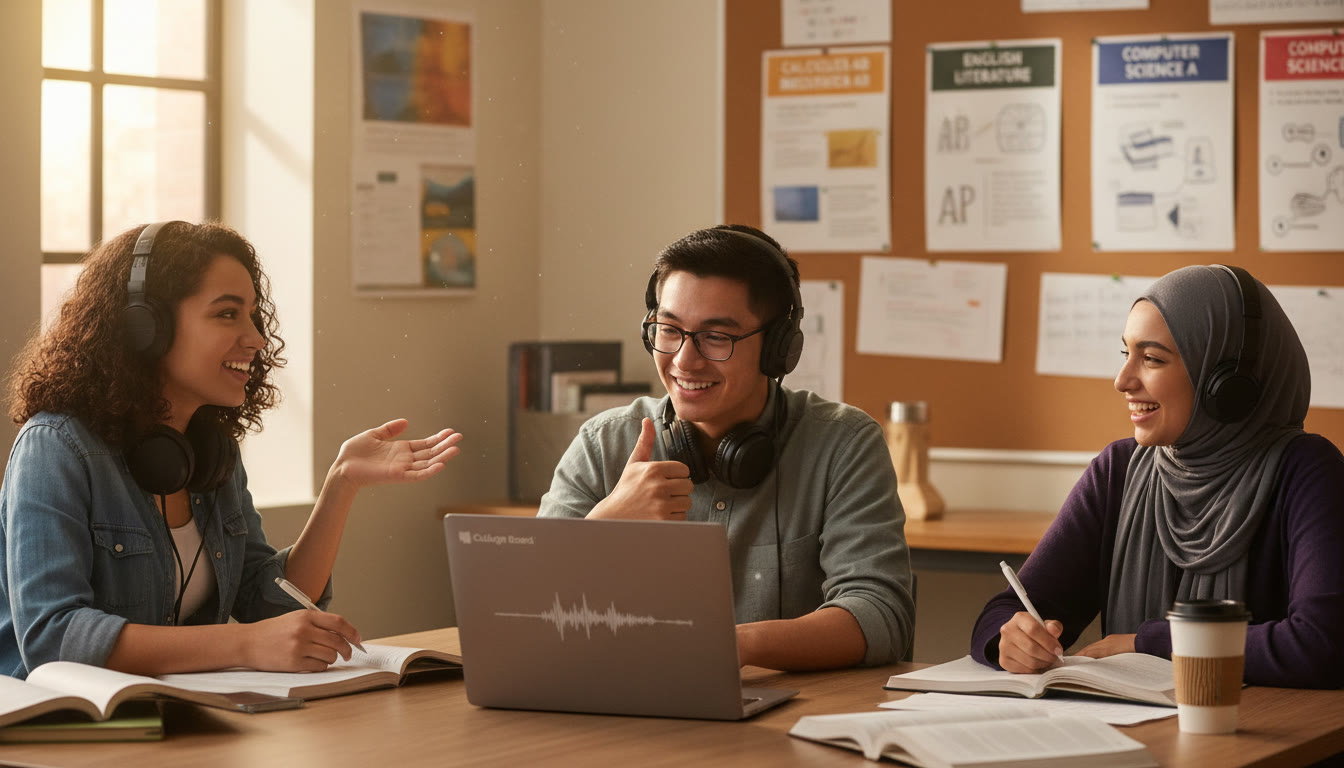
Human listeners are adaptable. When we hear unfamiliar accents, the brain initially struggles to map sounds to known words. Repeated, varied exposure reduces that mapping cost. Several learning principles explain the effectiveness of Listening Clinics:
- Perceptual learning: Repeated exposure to sound variants improves the brain’s ability to discriminate subtle phonetic cues.
- Contextual prediction: Hearing vocabulary in varied accents helps you rely on contextual clues rather than exact pronunciation.
- Top-down processing: Strong background knowledge (topic familiarity) helps you predict and interpret meaning, even with unfamiliar pronunciations.
Put simply: practice with differences breeds resilience. The next time your AP Listening task presents an unexpected voice, you’ll be ready.
How Listening Clinics Improve AP Performance
- Fewer surprises: When you’ve heard many accents, fewer momentary comprehension breakdowns occur during exams.
- Faster gist recognition: You’ll extract main ideas quicker and allocate more cognitive energy to interpreting evidence and nuance — a key skill in AP subjects like English Language and History.
- Better note-taking: With clearer comprehension, your notes will capture useful details instead of fragmented words.
- Improved speaking and listening fluency: Exposure helps both receptive and productive language abilities, useful for AP World Languages and classroom discussions.
Designing Your Own Listening Clinic
Here’s a scaffold you can use whether you study alone, in a partner group, or in a classroom. Sessions should be short (20–45 minutes), frequent (3–6 times per week), and varied.
Clinic Structure (30–40 minutes)
- Warm-up (5 minutes): Quick prediction activity. Read a short headline or topic and write three words you expect to hear.
- Focused listening (10–15 minutes): Listen to a 2–5 minute clip. First listen for gist, second listen for details.
- Active decoding (10 minutes): Transcribe 30–60 seconds, or summarize the clip in a single paragraph.
- Reflection and strategy (5–10 minutes): Note unfamiliar pronunciations, vocabulary, and strategies that helped. Create a mini action step for the next clinic.
Choosing Clips
Balance is important. Rotate through:
- Regional varieties (e.g., Southern American, New England, Mid-Atlantic).
- International varieties (e.g., Indian English, Nigerian English, Australian English).
- Formal vs. informal registers (lectures vs. conversations).
- Academic content vs. everyday speech (a lecture excerpt vs. a radio interview).
This mix builds both the focused listening required for AP exam passages and the flexible comprehension needed for classroom discussions.
Sample 6-Week Plan: From Unease to Ease
This progressive plan shows measurable steps. Each week increases variety and independence.
| Week | Focus | Weekly Goal | Practice Activities |
|---|---|---|---|
| 1 | Familiarization | Listen 3x to same accent; build confidence | Short lecture clip, 2 interviews; transcribe 30s; note tricky words |
| 2 | Variation | Compare 2 accents on same topic | Listen to two clips on the same news story; summarize differences |
| 3 | Speed and Complexity | Handle faster speech and idioms | One rapid interview, one narrative; focus on gist and transition words |
| 4 | Cross-Register | Switch between formal lecture and casual conversation | Compare lecture summary with podcast conversation; annotate register cues |
| 5 | Active Production | Respond orally to clips; build speaking confidence | Record yourself summarizing a clip, compare to transcript |
| 6 | Test Simulation | Timed practice under exam-like conditions | Full listening practice set; timed note-taking; review errors |
Measuring Progress
Keep a simple log with these fields: date, clip source, accent/dialect, comprehension score (0–10), and one takeaway. After 6 weeks you’ll see small per-session gains that add up to a meaningful jump in comprehension and confidence.
Practical Exercises You Can Start Today
These bite-sized activities are perfect for busy schedules and are designed to produce fast returns:
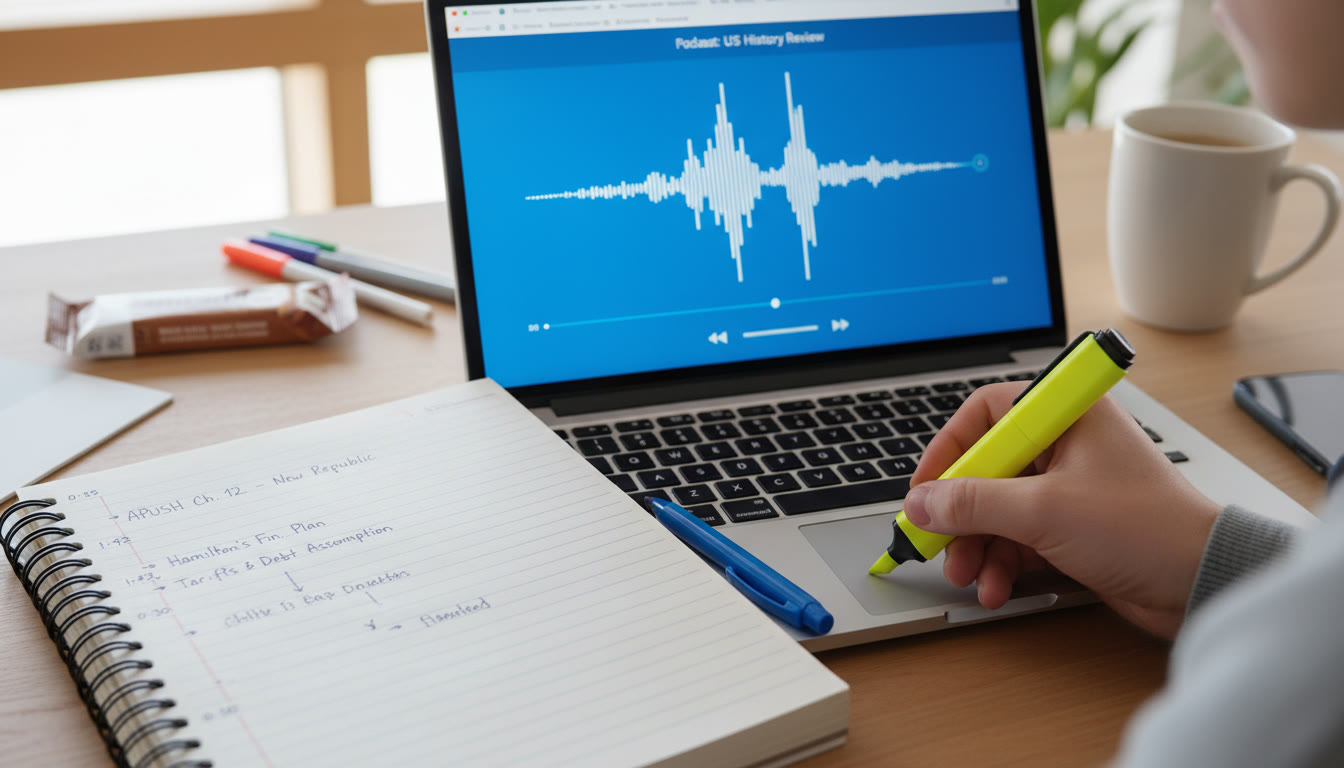
- 30-Second Transcription: Pick a short clip, transcribe 30 seconds. Compare with official transcript or re-listen to fill gaps.
- Shadowing: Repeat a sentence right after the speaker, copying intonation and rhythm. This trains both ear and mouth and deepens memory of phrasing.
- Two-Clip Compare: Listen to two speakers describe the same topic and list 5 vocabulary differences and 3 pronunciation differences.
- Misheard Words Journal: Keep a running list of words you mishear and create flashcards with the correct pronunciation and example sentence.
- Predict & Confirm: Before listening, write three predictions about what you’ll hear; after listening, highlight what you missed and why.
Group Clinic Ideas
Working with classmates amplifies benefits:
- Pair up for shadowing and give each other feedback on clarity and intonation.
- Run mini debates where one student summarizes an accent clip and classmates ask follow-up questions.
- Host a weekly “mystery accent” round: play a clip and guess region, register, or speaker background — then debrief linguistic cues.
Common Challenges and How to Overcome Them
Students often report frustration during early stages. Here are strategies that help:
- Feeling overwhelmed: Keep clinics short and celebrate micro-wins (a single full-sentence comprehension counts!).
- Fixation on perfect understanding: Aim first for gist understanding; details come with repetition.
- Lack of access to varied clips: Use podcasts, lecture excerpts, interviews, or classroom recordings; diversity beats polish.
- Time pressure: Integrate 10-minute clinics into daily routines — before school, on commutes, or as warm-ups for study sessions.
How Sparkl’s Personalized Tutoring Can Help (When You’re Ready)
Listening Clinics are powerful on their own, but targeted guidance accelerates results. Sparkl’s personalized tutoring offers:
- 1-on-1 guidance to diagnose which accents or listening skills you struggle with most.
- Tailored study plans that sequence exposure and build from easiest to hardest listening tasks.
- Expert tutors who model note-taking strategies and feedback on your shadowing or transcriptions.
- AI-driven insights that track progress across clinics and suggest next-step focuses.
Used sparingly and strategically, these services can plug knowledge gaps and make each Listening Clinic far more efficient — especially when you’re preparing for AP exams with limited time.
Example Session Scripts (Two Quick Routines)
Routine A — 20-Minute Solo Clinic
- 0–2 minutes: Read topic and predict key words.
- 2–9 minutes: Listen once for gist; write a 1-sentence summary.
- 9–15 minutes: Listen again, transcribe 30 seconds, note 3 tricky words.
- 15–20 minutes: Review, add strategy note (e.g., “listen for stressed syllables”), set next mini-goal.
Routine B — 30-Minute Partner Clinic
- 0–5 minutes: Partner A chooses a clip and shares predictions.
- 5–15 minutes: Partner A reads a 1-paragraph summary aloud; Partner B asks 3 clarifying questions.
- 15–25 minutes: Swap roles with a different clip and accent.
- 25–30 minutes: Joint reflection; record two strategies to apply next session.
Sample Progress Log (Use This Template)
Keep it simple and honest. Reviewing the log weekly helps you see trends faster than trusting how you feel in the moment.
| Date | Clip Source | Accent/Dialect | Comprehension (0–10) | Strategy/Note |
|---|---|---|---|---|
| 2025-10-01 | Lecture Excerpt | Indian English | 6 | Missed reduced forms; focus on linking sounds |
| 2025-10-04 | Podcast Interview | Southern American | 7 | Identified discourse markers well; slow down on note-taking |
Final Tips: Make Listening Clinics a Habit, Not a Chore
Consistency beats intensity. Even ten focused minutes a day will reshape your listening skills over a few weeks. Keep clinics varied, track small wins, and look back every two weeks to celebrate progress.
When exam pressure rises, scale your clinics to simulate the test: timed, no-pauses, and focused note-taking. If you want to accelerate that process, Sparkl’s tutors can create targeted plans and give immediate feedback so each clinic grows your score faster.
Parting Thought
Accents and dialects are not obstacles — they’re training stimuli. Each unfamiliar voice you meet in a Listening Clinic becomes another tool in your comprehension kit. Over time, what once felt exotic will sound familiar, and listening — whether in AP exams, classroom discussions, or life beyond school — will feel like less of a hurdle and more of an open door.
Start small, stay curious, and let your ear do the learning. You’ll be surprised how quickly unfamiliar speech becomes second nature.




























No Comments
Leave a comment Cancel