
Why Art and Capstone ECs Matter for AP Students
If you’re juggling AP classes, deadlines, and the quest for a meaningful extracurricular profile, congratulations—you’re doing what many college-minded students do. But not all extracurriculars are created equal. Art-related activities and AP Capstone projects can do more than fill a resume: they tell a story about intellectual curiosity, creative discipline, and your ability to carry an idea from concept to clear, polished outcome.
Think of competitions and showcases as the stage where your AP work gets context and gravity. Competitions demand clarity and competitive craft; showcases invite reflection and public-facing polish. Both reinforce the skills AP exams value—critical thinking, synthesis, and well-supported arguments—and both provide tangible artifacts colleges and scholarship panels can evaluate.
How Competitions and Showcases Complement AP Coursework
AP classes test content mastery and analytic skills. Participating in art competitions or doing a Capstone-style research project extends those skills into real-world practice. Here’s how they connect:
- Deeper Focus: A competition prompt forces you to interpret a brief and produce work under constraints—similar to writing AP exam essays under time pressure.
- Public Feedback: Showcases put your work in front of juries or audiences, which refines your ability to accept critique and iterate—valuable when revising AP research or performance projects.
- Portfolio Material: Works judged in competitions or accepted into juried shows make the strongest, verifiable portfolio pieces for college applications.
- Cross-Disciplinary Skills: AP Capstone (Research and Seminar) encourages methodology, literature synthesis, and oral defense—skills directly transferable to presenting art research, curatorial statements, or artist talks.
Quick Example: From AP Studio Art to a Juried Exhibition
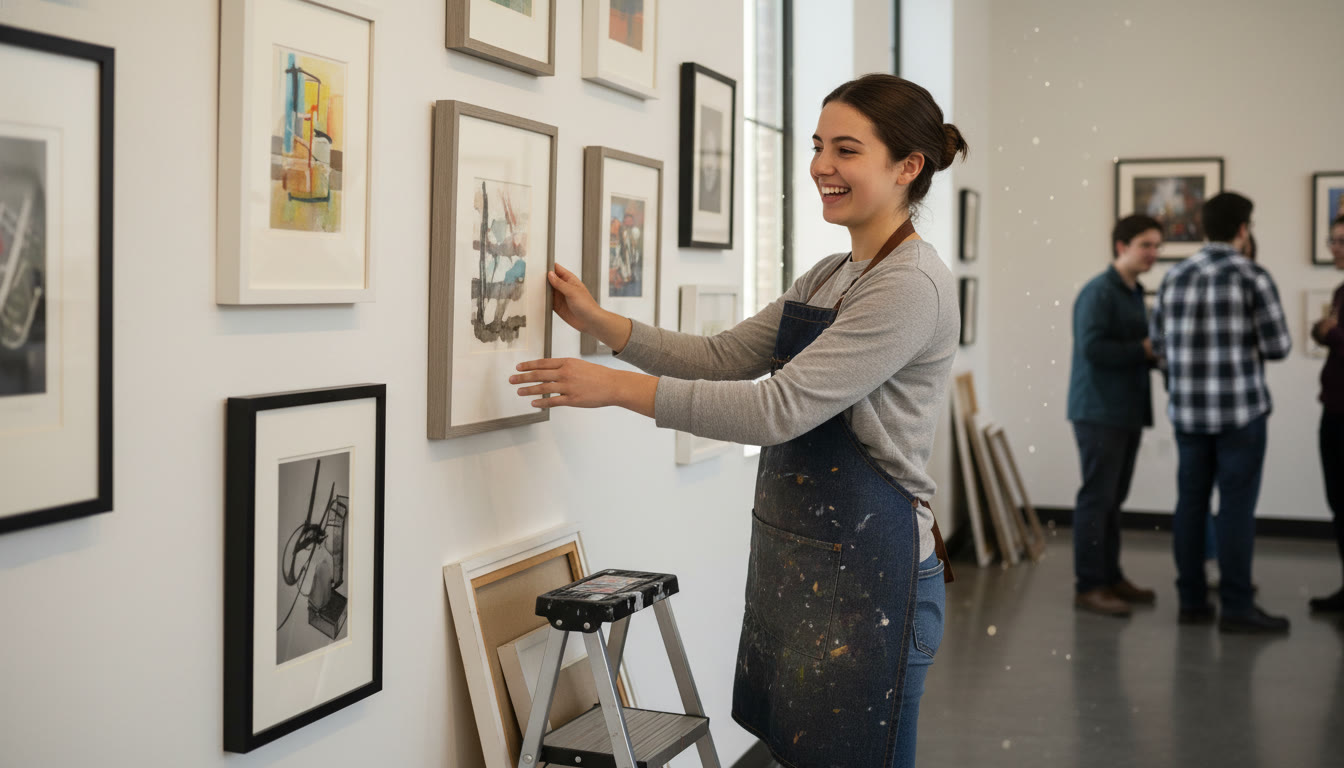
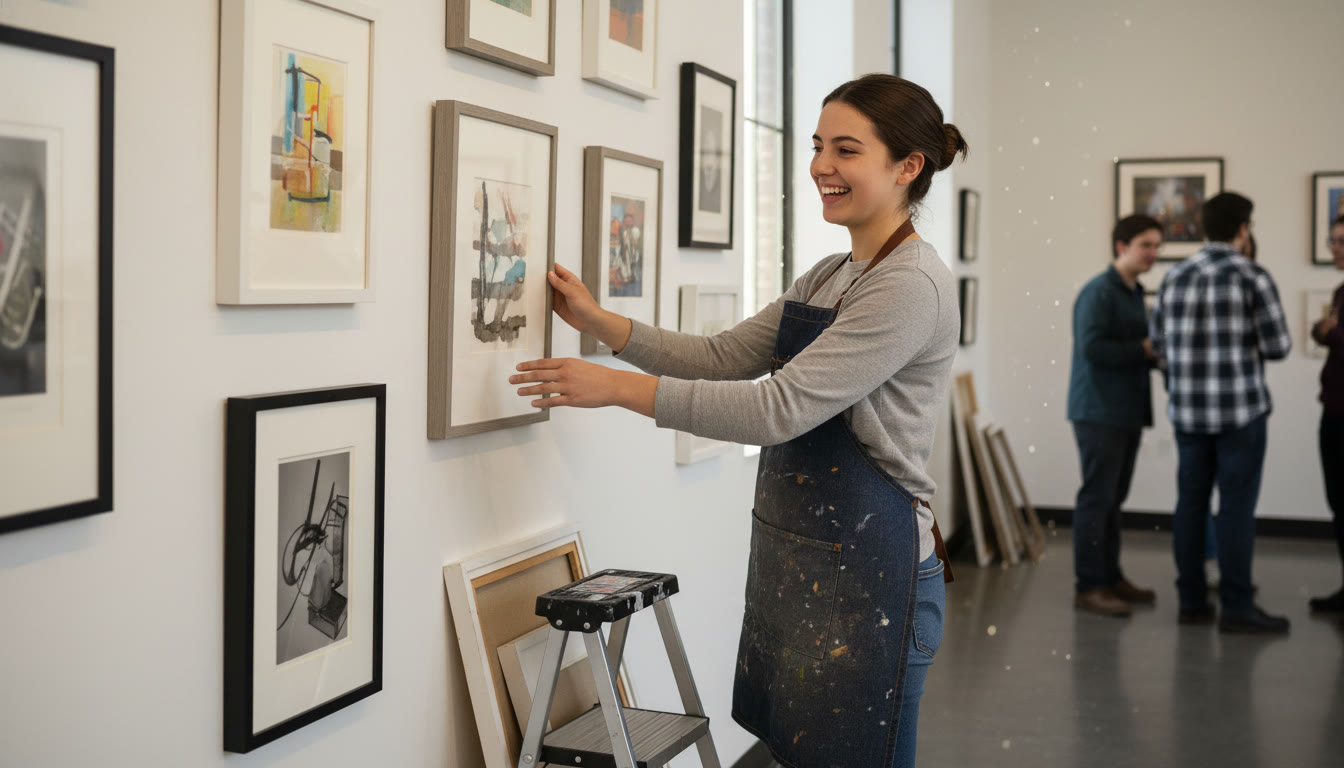
Imagine you took AP Studio Art: 2D Design. Your AP concentration explores urban textures. You then enter a juried youth exhibition with a series of three works, write an artist statement influenced by your AP inquiry, and present a short talk for the gallery opening. The exhibition becomes a documented outcome of your AP practice—something admissions officers can see and evaluate.
Choosing the Right Competitions and Showcases
Not all contests or shows will give you equal return on investment. Choose strategically based on your goals, time, and the stage of your artistic development.
Criteria to Consider
- Reputation: Juried shows and well-known competitions carry more weight because of selective standards and documented adjudication.
- Fit: Does the theme align with your body of work or research question? A tight fit increases the chance of acceptance and strengthens the narrative you’ll present.
- Timeline: Deadlines should align with your AP workload—don’t pick a deadline during AP exam week or major project submissions.
- Documentation: Competitions that provide juror comments, awards, or catalogs offer stronger proof of achievement.
- Cost vs Benefit: Consider entry fees and travel; sometimes local juried shows deliver equal benefit at lower cost.
Two Paths: Competitive Track vs. Community Showcases
Both tracks are valuable but serve different purposes.
- Competitive Track: Regional, national, or international competitions—notable for their prestige and critical feedback. They’re great for students seeking awards and external validation.
- Community Showcases: School galleries, local art centers, and community festivals. These build presentation experience, local visibility, and networking opportunities.
Timing and Planning: A Practical Yearlong Timeline
Successful entries are rarely last-minute. Here’s a practical, semester-by-semester timeline you can adapt depending on whether you’re focusing on competitions or a Capstone project.
| Timeframe | Focus | Key Actions |
|---|---|---|
| Summer (Before Senior Year) | Research & Ideation | Identify competitions and showcase opportunities. Draft a concept and rough portfolio pieces. Plan Capstone research question and methodology. |
| Early Fall | Production | Create full portfolio pieces. Begin primary research for Capstone. Seek mentor feedback; schedule Sparkl sessions for targeted guidance. |
| Late Fall | Polish & Submit | Refine artist statements, photographic documentation, and Capstone drafts. Submit entries to competitions and local juried shows. |
| Winter | Reflection & Revisions | Incorporate juror feedback when available. Prepare for shows (framing, installation plans). Draft Capstone report and prepare presentation materials. |
| Spring | Presentation & Defense | Participate in showcases and deliver artist talks. Defend Capstone findings in oral presentations. Document outcomes for college applications. |
Crafting a Compelling Submission: What Judges and Admissions Officers Look For
Beyond technical skill, selectors look for evidence of concept development, critical reflection, and consistency. A beautiful piece won’t always win if it lacks a clear idea or supporting context.
Elements of a Strong Submission
- Conceptual Clarity: Your artist statement or Capstone abstract should succinctly describe the “why”—what drove the work and what you hoped to discover or communicate.
- Process Documentation: Show sketches, drafts, research notes, and progression photos. Admissions and jurors love to see the journey, not just the final product.
- Technical Mastery: Appropriate materials and techniques executed thoughtfully. Even experimental work benefits from deliberate craft.
- Reflection: A brief critical self-evaluation—what surprised you, what you’d do next—demonstrates maturity and growth.
- Presentation Quality: High-resolution photos, clear labels, and a professional-looking PDF or printed packet improve perceived value.
The Artist Statement and Capstone Abstract: Short but Powerful
Many students under-prepare artist statements. Think of this text as your translator: it makes complex choices accessible to non-specialists (admissions officers, jurors, donors).
How to Write a 150–250 Word Artist Statement
- Start with a one-sentence thesis describing the work’s central idea.
- Briefly mention your materials and process and connect them to the concept.
- Conclude with a sentence about what you hope the viewer takes away.
For Capstone abstracts, outline your research question, methods, one-to-two key findings, and the significance of those findings in concise academic language.
Documenting Work Like a Pro: Photos, Labels, and Portfolios
Even stunning physical work can be overlooked if photographed poorly. Clear, consistent documentation ensures your art translates online and on paper.
Simple Documentation Checklist
- Use natural, diffused light—avoid harsh shadows.
- Straight-on and detail shots—include at least one close-up and one full composition image.
- Neutral background—keep the focus on the artwork.
- Include scale—show the work next to a person or a recognizable object when relevant.
- Label images with title, medium, dimensions, and year.
Using the Capstone Framework to Deepen Artistic Inquiry
AP Capstone (Research and Seminar) encourages rigorous inquiry. When paired with an art project, it can result in a research-backed exhibition or a practice-led inquiry that reads like a scholarly project and looks like an artist’s portfolio.
Project Idea Examples
- Visual Anthropology: Documenting local cultural celebrations and translating findings into mixed-media portraits.
- Sustainable Materials Study: Researching eco-friendly mediums and creating a gallery of works made from recycled materials, with a lifecycle analysis in the Capstone paper.
- Perception and Color: A psychology-informed study on color perception leading to a series of installations testing viewer responses.
Storytelling: How to Weave Your AP and EC Narrative
Admissions officers and scholarship panels read many resumes. The projects that stand out are the ones that tell a coherent story across coursework, extracurriculars, and achievements.
Buildable Narrative Template
- Start with a catalyst (a class discussion, community need, or museum visit).
- Show the research or practice (AP work, independent study, studio time).
- Highlight the public-facing outcome (competition recognition, showcase, gallery talk).
- Conclude with reflection and next steps (how this informs future study or career goals).
Examples of Outcomes You Can Aim For
Outcomes can be varied and complementary. Below are realistic targets students often pursue while enrolled in AP classes and Capstone programs.
| Type of Outcome | Why It Matters | How to Achieve It |
|---|---|---|
| Juried Exhibition Acceptance | External validation, documented selection | Submit a cohesive 3–5 piece series with professional documentation and a clear statement. |
| Competition Award or Mention | Standout recognition on applications | Target competitions that fit your medium and theme; revise with mentor feedback. |
| Capstone Publication or Conference Presentation | Demonstrates research rigor and public scholarship | Develop a clear research question, collect evidence, and submit an abstract to student research conferences. |
| Community Exhibition or Collaboration | Shows leadership, outreach, and impact | Partner with schools, libraries, or nonprofits to stage a community-facing show. |
Practical Tips: Time Management, Revision, and Mentorship
Balancing AP workloads with artistic production and Capstone research is a challenge—but an attainable one with structured habits and the right support.
Proven Habits
- Block Time: Reserve regular studio and research blocks in your weekly calendar.
- Set Micro-Deadlines: Break large projects into weekly milestones to avoid last-minute rushes.
- Iterate Publicly: Show work-in-progress to peers and instructors for early feedback.
- Use a Mentor: A teacher, local artist, or a Sparkl tutor can provide targeted feedback and keep your project aligned with academic and application goals.
How Sparkl’s Personalized Tutoring Fits Naturally
Students often tell us the biggest difference-maker is timely, expert feedback. Sparkl’s personalized tutoring can help you translate your AP learning into competitive submissions and rigorous Capstone projects. A few ways Sparkl fits into this process:
- 1-on-1 guidance to refine artist statements, abstracts, and presentation scripts.
- Tailored study plans that balance AP exam prep with portfolio production.
- Expert tutors with arts and humanities backgrounds who give craft-focused critiques and research mentorship.
- AI-driven insights to track progress and suggest revision priorities—helpful when you’re juggling multiple deadlines.
Used sparingly and strategically, tutoring becomes the accelerator that turns good ideas into compelling submissions.

Common Pitfalls and How to Avoid Them
Even strong projects can falter because of avoidable mistakes. Keep an eye out for these pitfalls:
- Scattered Focus: Jumping between unrelated ideas dilutes impact. Commit to a coherent throughline for the year.
- Poor Documentation: Low-quality photos or missing labels undermine work—invest time in good documentation.
- Last-Minute Submissions: Rushed entries lack polish. Start earlier than you think you need to.
- Weak Reflection: Failing to explain why your work matters makes it harder for reviewers to grasp your intent.
How to Present Outcomes on Applications and Portfolios
When you’re translating achievements into application materials, be both precise and evocative. Mention the award or acceptance, briefly explain the project, and add one line on impact or learning.
Example Bullet for an Activity List
Lead Artist and Researcher, “Sustainable Voices” Exhibition — Created a 6-piece mixed-media series using recycled materials and conducted a Capstone study on environmental impacts of studio waste. Juried into City Youth Exhibition (2024); presented research at regional student symposium.
Final Thoughts: Long-Term Value Beyond Admissions
Competitions and showcases don’t just pad applications; they refine how you work, argue, and present—skills you’ll use in college studios, seminars, and careers. Whether you’re preparing for AP exams, building a Capstone project, or aiming for juried shows, the process of producing public-facing work will make your ideas sharper and your craft stronger.
Start with a clear question, document diligently, seek meaningful critique, and let each public outcome—award, acceptance, or community exhibition—be both an achievement and an opportunity to learn. If you need a partner to help plan deadlines, polish statements, or review portfolios, flexible, personalized tutoring like Sparkl’s can be a practical resource to keep you on track without taking over the creative work.
Ready to Start?
Pick one competition or one Capstone step to focus on this month. Draft a short plan, block studio time, and schedule a single feedback session—small, consistent actions create the kind of momentum that turns a good project into a memorable one.




























No Comments
Leave a comment Cancel