

The Night Before Your IB DP Exam: Calm, Smart, and Ready
That moment — the last evening before an IB DP exam — can feel oddly huge. It’s a mixture of quiet urgency, a flicker of worry, and a strong wish to do everything at once. If you’ve spent months preparing, tonight isn’t about learning new concepts; it’s about giving your brain an efficient, reassuring final tune-up and arriving at the exam room with focus, clarity, and enough energy to think hard.

What this guide will do for you
Think of this as a practical, human-friendly roadmap: no empty platitudes, no cram-athon promises. You’ll get a realistic micro-plan for the evening, evidence-backed habits that improve recall and concentration, a clear checklist of what to pack (and why), and gentle strategies for sleep and nerves. If you need targeted, last-minute, one-on-one help, Sparkl‘s tutors can tailor a short, focused session to your exact needs — but the steps below will serve any student well on exam night.
Start With Mindset: The Night Is For Consolidation, Not Reinvention
Why calm beats chaos
The brain stores and retrieves information best when it’s rested, confident, and not overloaded. The night before an exam is for consolidating strong threads of knowledge — key formulas, cause-and-effect links, model answers, and exam technique. Trying to cram brand-new, complex topics almost always backfires: confusion sticks, anxiety rises, and sleep suffers. Replace the pressure to “cover everything” with the intention to leave the room knowing what you practiced and how you’ll approach the paper.
Set two realistic goals
- Goal A — Confidence anchors: Refresh the core facts, formulas, and frameworks you’ll need.
- Goal B — Performance habits: Lock in the pacing, structure, and mental routines you’ll use under timed conditions.
A Practical Micro-Plan for the Night Before
Start by mapping your evening
Don’t wing it. Decide a start time for concentrated revision, a cut-off for screens, and a bedtime that gives you at least seven to eight hours of sleep if possible. The plan below is flexible — adjust blocks to how early your exam starts or how your energy levels run — but keep the principles: short, active study bursts followed by rest, then wind down for sleep.
Sample night-before timeline
| Time (relative) | Activity | Purpose |
|---|---|---|
| 3–4 hours before bed | Light, targeted review: 2–3 topics, active recall only | Refresh core ideas without introducing new material |
| 2–3 hours before bed | Practice a timed question or past-paper part | Practice exam rhythm and time management |
| 1–2 hours before bed | Checklist and packing, lay out clothes | Remove morning friction and reduce anxiety |
| 60 minutes before bed | Digital cut-off, calming routine (stretching, breathing) | Lower stimulation and prepare for quality sleep |
| Bedtime | Sleep | Consolidate learning and restore cognitive resources |
How to use those blocks well
- Keep study bursts short (30–50 minutes) followed by a 10–15 minute break. Use the breaks to stand, breathe, hydrate, or step outside for a few minutes.
- Focus on active recall: close your notes and write, sketch, or say key points out loud. Passive re-reading is the least effective use of this evening.
- Limit yourself to the top 2–4 areas where questions are most likely or where you personally feel shaky; make these targeted, intense refreshes.
What to Revise and How: Techniques That Work Late at Night
Active recall beats passive review
If you want one clear rule for the night before: practice retrieving information from memory. Use flashcards, practice questions, or explain a concept to an imaginary student (or a friend in the family). This strengthens retrieval pathways and builds confidence in ways that rereading cannot.
Practice with purpose
- Do a short, timed past-paper question to rehearse timing and structure.
- Write a one-paragraph model answer to a likely essay prompt, then annotate it for improvements.
- Create a one-page ‘cheat-sheet’ of formulas and structures (for personal study only — not to bring into the exam room), and then cover it and try to rewrite it from memory.
How to choose what to revisit
Ask yourself: which small wins will make the biggest difference? That might be: the structure of a 20-mark essay, the formula sheet for physics, the timeline of a historical case study, or practice with source analysis technique. Prioritize the things you can realistically improve in an hour or two and that will directly impact exam performance.
Practical Logistics: Pack, Plan, and Protect Your Exam Morning
Pre-exam packing checklist
| Item | Why it matters | Backup |
|---|---|---|
| Admission ticket / ID | Required to enter; keep it visible and safe | Photocopy and digital photo on your phone |
| Pens (plus spares) | Write clearly — have a reliable pen you trust | Extra pens in a small sealed bag |
| Calculator (charged) / spare batteries | Allowed for math/science exams — test it now | Another calculator or fresh batteries |
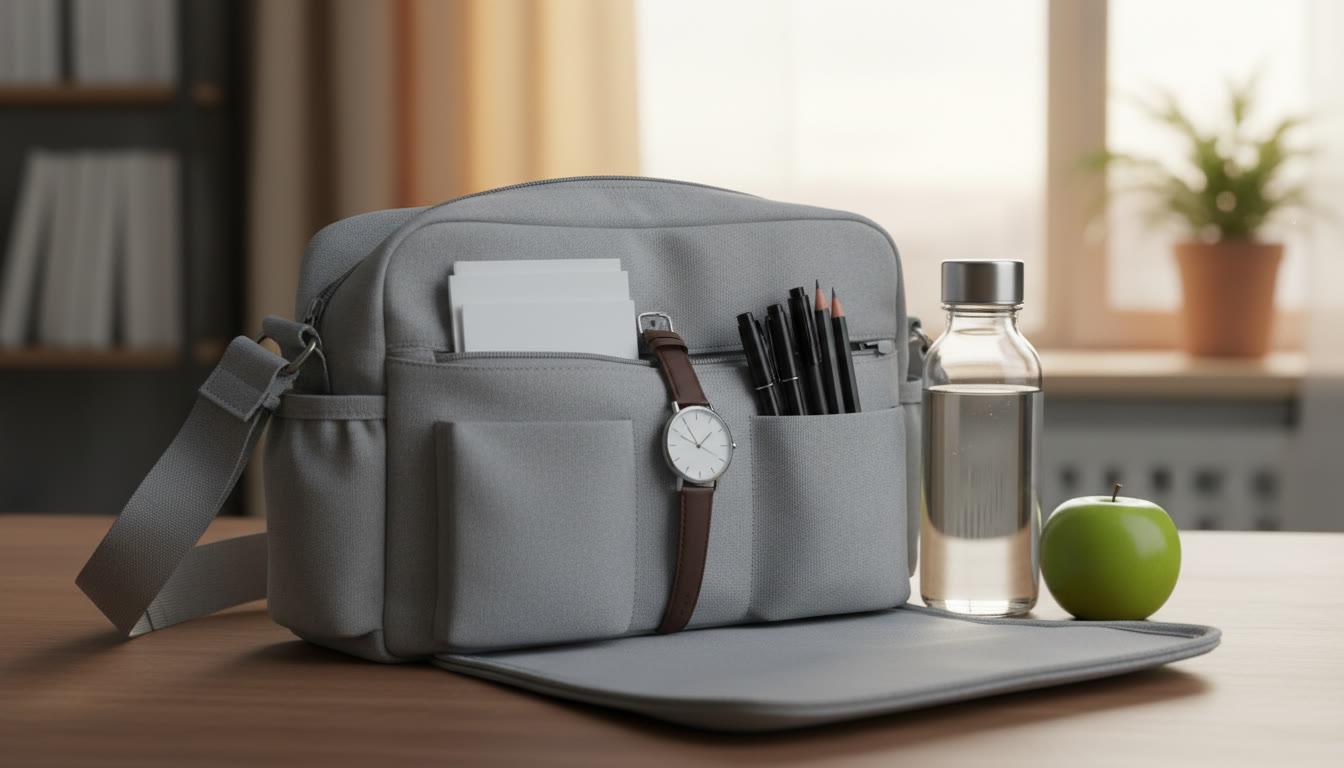
| Water bottle and snack | Hydration and quick energy for long papers | Extra snack tucked into your bag |
| Watch (if permitted) or phone as backup | Time management is critical; know the time | Verify exam room policy; keep phone off during paper |
Morning logistics
- Lay out everything the night before: clothes, bag, snacks, route map. Reducing morning decisions conserves cognitive energy.
- Plan travel time with a buffer for delays. Aim to arrive early enough to settle—rushing spikes stress.
- Know the exam regulations: what stationery is allowed, what to leave at home, and where to store devices if necessary.
Food, Hydration, and Sleep: What Actually Helps
Fuel for peak thinking
Eat a balanced dinner that includes a mix of complex carbs, protein, and vegetables — something familiar that sits well with you. Avoid overly greasy or heavy meals that can make you drowsy. On exam morning, choose a light breakfast that provides sustained energy: oats, yogurt with fruit, or a banana and peanut butter are solid choices.
Hydration and caffeine
Hydration supports concentration; sip water through the evening and pack a water bottle for the exam. If you rely on caffeine, avoid experimenting with large amounts the night before — a matching dose the morning of the exam is safer than a late-night energy spike that ruins sleep.
Sleep: the non-negotiable study tool
Sleep consolidates memory. Aim for regularity: sleep and wake at times consistent with your exam schedule so your body’s internal clock is ready. If full eight hours isn’t possible, prioritize consistent sleep blocks and short power naps earlier in the day rather than late-night cramming.
Stress, Nerves, and Mental Routines
Quick grounding techniques
- Box breathing: inhale 4 counts, hold 4, exhale 4, hold 4 — repeat for 2–3 minutes.
- Progressive muscle relaxation: tense and release muscle groups from toes to head.
- Visualization: imagine yourself reading the first question calmly, planning an answer, and writing steadily.
If anxiety spikes
Use short, structured activities to reduce arousal: write down three things you can control (what you packed, how you’ll manage time, what you’ll do if stuck), then let the rest go. Focused breathing and a small movement break usually bring the nervous system back toward balance.
When to Ask for Help (and How to Use Short, Focused Tutoring)
Targeted support beats general panic
If a particular concept keeps nagging you and it’s eating into sleep, a short one-on-one session can make the difference between muddled confidence and clear mastery. Sparkl‘s tutors offer tailored sessions aimed precisely at clarifying a single topic, reviewing exam technique, or giving a mock question under timed conditions. Small, expert-led corrections are often more useful than hours of isolated, unfocused review.
How to ask for help effectively
- Be specific: name the exact concept or question you’re stuck on.
- Ask for one demonstration and one practice opportunity.
- Request exam-focused feedback — not just explanations, but how to apply the idea in a timed answer.
Two Practical Tables You Can Screenshot and Keep
Quick exam-night checklist
| Action | Why |
|---|---|
| Put out clothes and pack bag | Reduces rushed, stress-inducing decisions in the morning |
| Do one timed practice question | Reinforces timing and answer structure |
| Create a two-page memory sheet and then test yourself | Allows focused retrieval practice |
| Switch off screens at least 60 minutes before bed | Improves sleep quality and memory consolidation |
Common Night-Before Mistakes and How to Avoid Them
- Trying to learn brand-new topics — avoid this; it increases confusion and steals sleep.
- Scrolling social media or doomscrolling — it elevates stress and burns time. Put your phone away.
- All-or-nothing thinking — one exam does not define you. Focus on process, not perfection.
A Short Sample Night (Putting It Together)
Example flow
Finish dinner with a balanced meal. At your chosen start time, do a 40-minute focused session on a single high-yield topic, then a 10-minute break. Next, do a 30-minute timed past-paper part; annotate your answer for structure. Spend 20 minutes checking and packing your essentials. Switch screens off 60 minutes before your bedtime. Do a five-minute breathing routine, then get into bed. Trust your preparation and let sleep do its work.
Final Notes on Confidence and Control
Exam nerves are normal; what matters is how you manage them. The night before is your opportunity to convert effort into readiness: tidy your resources, practice with purpose, care for your body, and protect your sleep. Small, deliberate actions — a timed question, a packed bag, a relaxed breathing routine — compound into a calmer morning and a clearer mind when the paper begins. If you want a short, focused review that targets exactly what will help you most, consider a single, tactical session with Sparkl‘s tutors to refine technique and build confidence quickly.
Walk into the exam room knowing you’ve done sensible, effective work — not frantic cramming — and that you have a plan for how you’ll handle each question. That steadiness will help your reasoning, clarity, and speed. Rest now; your memory will do the rest.























No Comments
Leave a comment Cancel