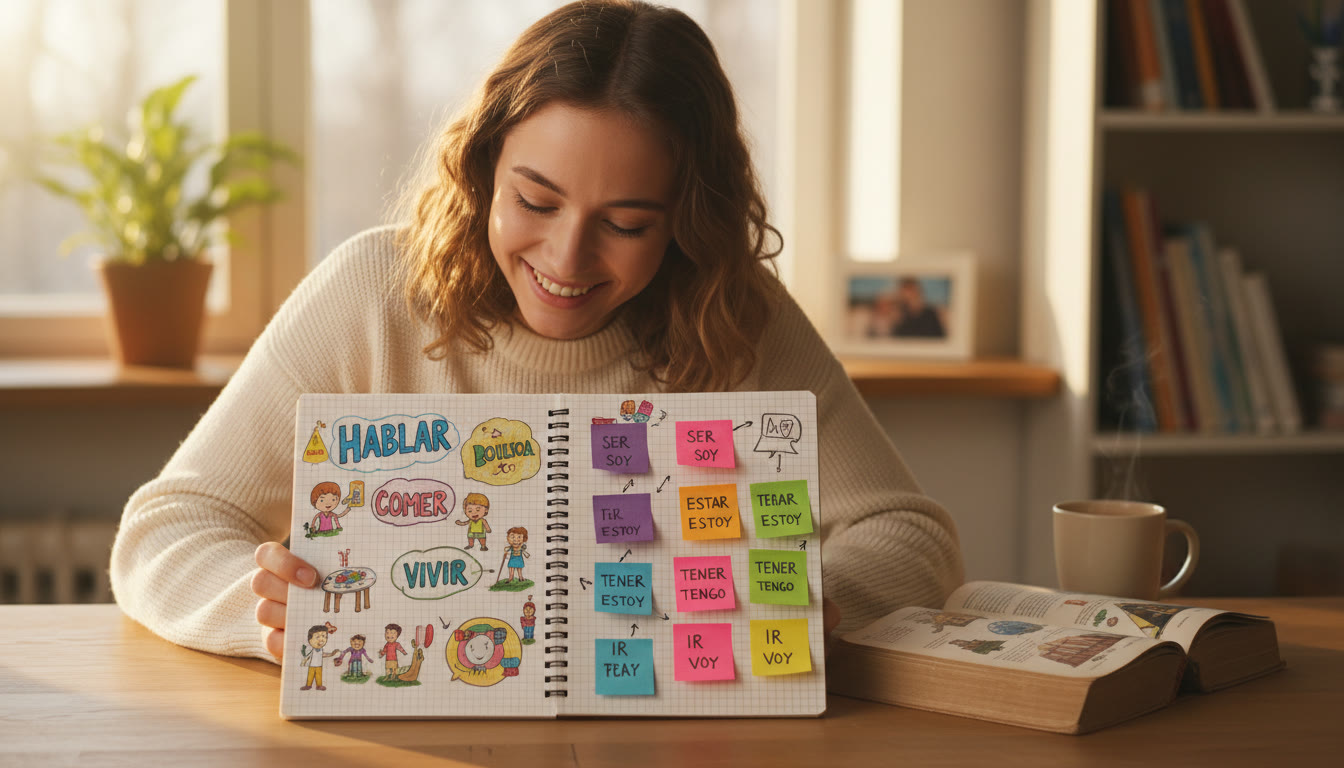

IB DP Subject Mastery: How to Score a 7 in IB Spanish ab initio
Want to move from “I can get by” to a confident band-7 performance in IB Spanish ab initio? It’s not magic — it’s a mix of deliberate practice, smart strategy, and the right kinds of feedback. This guide walks you through exactly what to focus on, how to design study sessions that actually change your ability, and practical exam-day approaches that help you perform when it counts.
Think of this as a study blueprint: clear, human, and tested in real student routines. You’ll get a realistic weekly plan, concrete drills for each skill (reading, listening, writing, speaking), and ways to measure progress so you don’t get stuck in “busy” work that doesn’t move your grade upward.
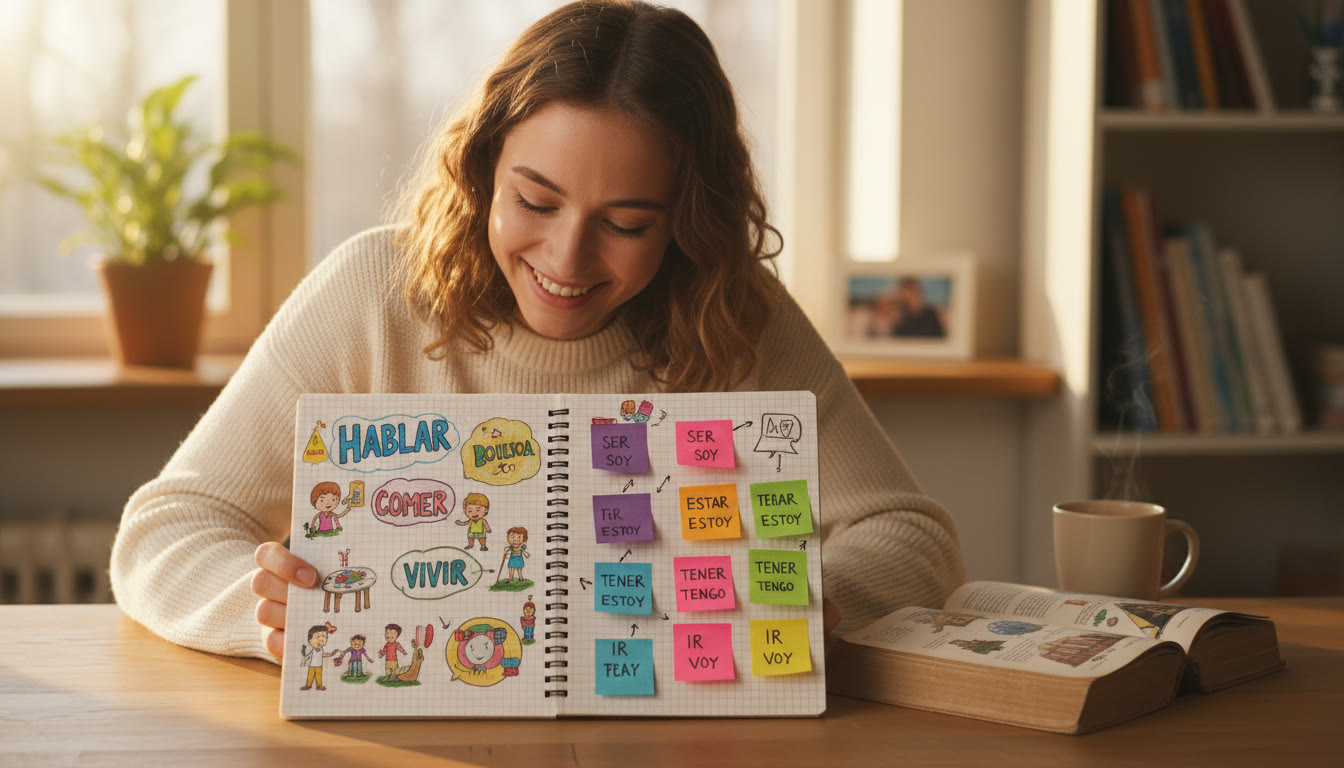
Start with the right mindset: skill-building, not just memorizing
Scoring a 7 in a language course means you show accurate, varied language use and communicative effectiveness across the four skills. That means steady vocabulary growth, improving accuracy, and the ability to express ideas clearly and convincingly. Most students who plateau spend too much time memorizing isolated lists or repeating the same passive activities. Replace passive time with active practice and feedback loops.
Active practice looks like: attempting a short writing task and immediately correcting it; recording and listening to a 2-minute spoken response; doing small, targeted grammar drills followed by immediate application in sentences you create yourself.
Understand the assessment — what teachers and examiners value
While syllabus details and task formats can be updated from one cycle to another, the underlying examiner expectations stay steady: clarity of communication, relevance to the task, vocabulary range, grammatical control, and coherence. For oral tasks, fluency and interaction matter; for writing, structure and register do. Treat every practice piece like a mini-exam and ask: does this show variety and control?
Core things examiners look for (in plain terms)
- Can you express a variety of ideas clearly and logically?
- Do you use language beyond the most basic phrases — varied vocabulary and tenses?
- Is grammar accurate enough to avoid repeated meaning loss?
- Do you match register and style to the task (formal vs informal)?
- Can you interact (in speaking) or argue/organize (in writing) in a way that holds the examiner’s attention?
Plan your time: a practical weekly skill map
Language improvement is cumulative. Short, frequent sessions beat huge infrequent cram sessions. Aim for distributed practice across the week with micro-sessions that target different skills.
| Skill | What to practice | Weekly target (hours) |
|---|---|---|
| Vocabulary | Active SRS (flashcards), thematic sets, context sentences | 2–3 |
| Grammar & accuracy | Targeted drills + immediate writing application | 2 |
| Listening | Short authentic clips + shadowing + comprehension checks | 1.5–2 |
| Reading | Short articles, timed practice, inferential questions | 1.5 |
| Speaking | Recorded monologues, role-plays, peer or tutor practice | 2 |
| Mock exams & feedback | Full timed tasks and correction | 1–2 |
Adjust these numbers to match how many weeks remain before an exam and your starting point, but keep the balance: don’t let vocabulary dominate at the expense of speaking practice.
Study strategies that actually move your grade
Here are methods that reliable research and seasoned teachers recommend — translated into student-friendly actions.
1. Spaced repetition for vocabulary with context
- Create small theme-based lists (e.g., environment, technology, daily routine) with 8–12 words each; add one sentence you write using each new word.
- Use an SRS tool or a paper planner for review, but always produce language — don’t only recognize the word, use it in a sentence or a quick spoken example.
2. Deliberate grammar practice
- Find the 6–8 grammar areas that cause you trouble (e.g., past tenses, reflexive verbs, prepositions). Drill short focused exercises, then immediately write a 80–100 word paragraph applying those points.
- Self-correction is powerful: underline errors, research the rule, rewrite the sentence. Repeat until the sentence comes out correct on the first try.
3. Interleaving and mixed practice
Instead of doing 50 minutes of only listening, mix in short reading and writing tasks. This trains transfer — the ability to use vocabulary and structures under different conditions, mirroring exam reality.
Resource-smart routines (what to do every day)
Here’s a compact daily micro-plan you can actually keep for long periods:
- 10 minutes — Active vocabulary (SRS + one sentence aloud).
- 20 minutes — Targeted grammar drill + 5–7 sentence application.
- 20 minutes — Skill block (rotate: listening/reading/writing/speaking).
- 10 minutes — Review mistakes from previous practice; note one improvement for tomorrow.
Mastering the four skills
Reading — become a strategic reader
Don’t read everything word-for-word on the first pass. Practice scanning for gist, skimming for structure, and then reading specific parts for detail. Time yourself on short articles and practice answering different question types: factual, inferential, and vocabulary-in-context.
- Tip: underline signal words (aunque, sin embargo, por lo tanto) — they reveal logical structure.
- Practice: convert one paragraph into a 1–2 sentence summary in Spanish.
Listening — train for real-world comprehension
Start with short clips (1–2 minutes) and do three passes: first for gist, second for specific details, third for pronunciation and expressions. Use shadowing (repeat immediately after the speaker) to improve rhythm and intonation.
- Tip: focus on connectives, numbers, names, and time phrases — these often signal answers in exercises.
- Practice: listen and then reconstruct the main points aloud in Spanish.
Writing — structure, clarity, and range
Top-scoring essays are well-organized and show a range of vocabulary and tenses with mostly controlled grammar. For every writing task, follow a quick template: plan (2–3 minutes), draft (timed), check (5 minutes). Use paragraphing: introduction, development with examples, conclusion. Keep a bank of linking phrases to improve cohesion.
- Useful openers and linkers: “En primer lugar”, “Además”, “Por otro lado”, “En conclusión”.
- Practice: write a 200-word opinion piece once a week under time and then revise it twice — once for vocabulary and once for grammar.
Speaking — structure and spontaneity together
Many students worry about speaking because it’s live, but the good news is structure helps. Prepare short templates you can adapt: introduce topic, give two reasons with examples, compare or give a counterpoint, and finish with a personal conclusion. Use the template to practice with different topics until you can adapt it fluently.
- Starter phrases: “Yo pienso que…”, “Me parece que…”, “Un ejemplo es…”
- Opinion boosters: use cause/effect language and comparative structures: “debido a”, “a pesar de”, “más… que…”
- Practice: record 2–3 minute responses, listen back, note 3 errors to fix for the next attempt.

Exam technique and realistic practice
Practice under pressure. Timed, exam-like conditions teach pacing, which is often the difference between a 5 and a 7. But don’t only do timed full papers — mix them with focused timed drills so you keep improving weak points without burning out.
How to self-mark and get better at correction
- Mark against clear criteria: communication, range, accuracy, coherence. Be ruthless: if meaning breaks down often, accuracy needs priority.
- Keep an error log: categorize mistakes (tense, preposition, gender, vocabulary usage). Weekly, aim to reduce repetitions in the same category.
- Use peer feedback or tutor feedback to catch things you’ll miss—repeated errors become invisible to you over time.
Where targeted tutoring helps — and how to use it well
One-on-one tutoring can be a major accelerator if you use it correctly. Look for tutors who do three things: diagnose specific problems, set short, measurable targets, and push for active production (speaking and writing) rather than passive review.
If you work with a tutor, set clear goals for each session: e.g., “In 45 minutes fix my use of past tenses and produce a corrected 150-word paragraph.” Brief, measurable outcomes make sessions worth the time.
Some platforms combine human tutors with AI-driven practice reminders and tailored study plans. For example, Sparkl‘s personalized approach pairs 1-on-1 guidance with tailored plans and AI insights to spot recurring errors and recommend practice items. That kind of connected feedback can shorten the loop between mistake and correction.
Mock exams, feedback loops, and progress tracking
Do full mock exams under strict timing once every few weeks. After each mock, don’t just read the corrections — create a short plan with two targeted actions for the next mock (e.g., “improve listening accuracy for numbers” or “use more connectors in writing”).
- Keep a progress log with sample tasks and dates. Watch for trends: are errors becoming less frequent? Are your spoken responses getting longer and more complex?
- Invite targeted feedback: ask a teacher or tutor to identify the three most damaging habits in your writing or speaking.
Common pitfalls and how to avoid them
- Relying on translation: thinking in your native language and translating slows you down. Practice thinking in Spanish for short tasks (descriptions, summaries).
- Focusing on passive recognition: you must produce language actively — recognition is not production.
- Ignoring register: a formal written task should not read like a casual chat message. Match vocabulary and tone to the task.
- Neglecting feedback: repeating the same mistakes means practice is wasted. Correction + immediate re-application is essential.
- Trying to memorize everything at once: be selective. Depth in key verbs, tense patterns, and linking phrases beats scattered knowledge.
Quick reference: practical drills you can start tonight
- 10-minute listening: pick a short news item or podcast snippet. Do gist + detail pass + 1-sentence summary in Spanish.
- 15-minute writing: answer a prompt in 120–160 words, underline errors, fix them, and note the grammar rule.
- 10-minute speaking: record a 90-second response to a topic, listen back, and list 3 ways to make it more complex.
- 15-minute vocabulary: 12 words in SRS, then write 3 mini-sentences using 6 of those words.
Putting it all together — a 6-week sprint plan
If you have a concentrated period before an assessment cycle, organize six weeks like this: weeks 1–2 build foundations (vocab + core grammar), weeks 3–4 practice production under time (writing + speaking), weeks 5–6 focus on exam skills and correction loops. Keep a weekly review session with a tutor or peer to ensure mistakes stop repeating and that new language is applied correctly.
Closing academic note
Reaching a 7 in IB Spanish ab initio is the result of focused, measurable practice across vocabulary, grammar, and the four communicative skills, paired with consistent, targeted feedback and realistic exam simulation.

























No Comments
Leave a comment Cancel