
Make It Local, Make It Measurable: Why Environmental Action Matters in the IB DP
When you think of environmental projects for the IB Diploma Programme, the big images often come to mind: ocean clean-ups, reforestation campaigns, or school-wide awareness weeks. Those are great starting points. What lifts a CAS project or a broader DP portfolio from ‘good’ to ‘standout’ is a simple combination: local relevance plus clear, measurable outcomes. That means designing actions that matter to the people and ecosystems around you, and showing—clearly and honestly—how you tracked change.
This guide is written for DP students who want to build social impact projects that are academically defensible, personally meaningful, and demonstrably effective. You’ll find practical steps for project design, examples with measurable indicators, ways to align work with CAS learning outcomes, and tips for documenting the journey so your portfolio tells a compelling story.
Designing Projects That Are Local and Measurable
Start with place and people. A project rooted in local context is more likely to attract collaborators, benefit from existing knowledge, and produce evidence you can document. Measurability keeps you honest: it turns good intentions into reliable data and clear learning.
Step 1 — Find the sweet spot: community need + student capacity
Ask these quick, practical questions early on: What environmental issue affects my community (waste, water, biodiversity, energy)? Who will benefit? Do I have enough time and resources within the DP cycle to deliver a meaningful change? Projects that solve a small but real local problem usually yield stronger learning than grand but vague ambitions.
Step 2 — Define one or two measurable outcomes
Pick specific, observable indicators you can track. Examples: kilograms of litter collected, percentage reduction in single-use plastic in a school cafeteria, number of native plants established and their survival rate after three months, or liters of water saved through a new rainwater harvesting system. Two to three clear indicators keep reporting manageable and credible.
Step 3 — Choose simple, repeatable methods
Design measurement methods that any assessor (or future student) could reproduce: standardized litter transects, pre- and post-surveys with the same questions, photo quadrats for biodiversity, or simple logbooks for energy use. Clear methods strengthen your reflections and make your evidence persuasive.
Start Small, Scale Smart
Ambition is admirable, but the best DP projects balance scope with feasibility. Build a pilot: a shorter, local phase that proves the concept. Use the pilot to collect hard evidence, refine your approach, and prepare a scalable plan. Pilots also produce reliable artifacts for your portfolio—data tables, photos, stakeholder letters, and reflection entries—that demonstrate iterative learning.
Quick wins that grow into lasting change
- Host a focused workshop on composting for 20 households and measure participation plus post-workshop compost activity after one month.
- Install a small, visible recycling point and measure contamination rates early and after an awareness campaign.
- Create a native-plant micro-garden with survival-rate monitoring at 1 and 3 months.
Choosing Metrics That Matter
Not all metrics are created equal. Choose indicators that capture both quantity and quality—numbers tell one story, context tells the rest. Use mixed measures: counts and percentages for quantifiable change, plus surveys, photos, and short interviews to capture attitudes and behavior shifts.
Examples of meaningful metrics
- Behavioral change: percentage of cafeteria users bringing reusable containers before and after an intervention.
- Ecological effect: survival rate of plantings at set intervals, species richness in a restored patch, or water quality parameter changes.
- Community reach: number of households engaged, number of volunteers trained, or hours of service recorded.
- Learning outcomes: documented reflections mapped to CAS learning outcomes and teacher/adult mentor feedback.
Project Examples with Clear, Measurable Outcomes
Below are project templates you can adapt. Each row keeps measurements realistic and links to documentation you can collect for your IB portfolio.
| Project | Scope/Duration | Measurable Outcomes | How to Document |
|---|---|---|---|
| School Zero-Waste Challenge | 8–12 weeks | % reduction in single-use waste; number of reusable kits distributed | Weight records, photos, survey results, vendor receipts |
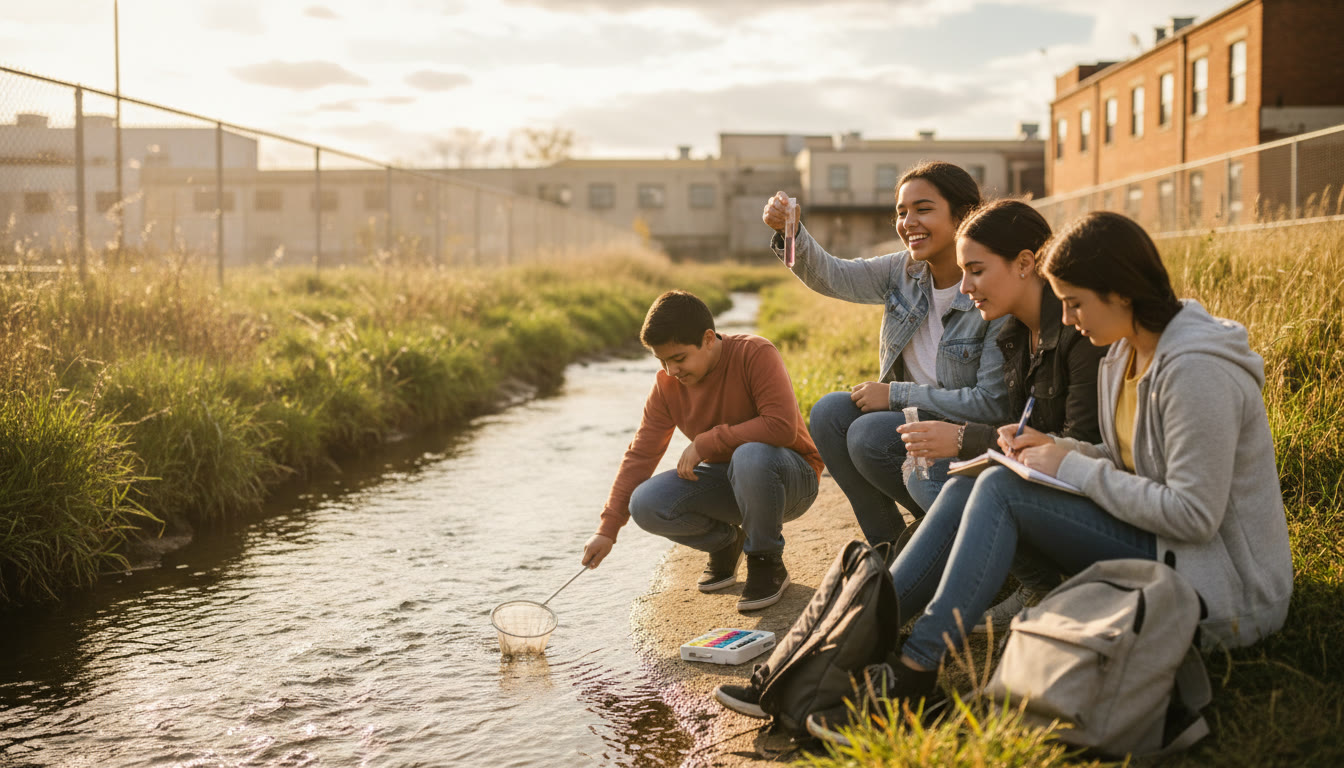
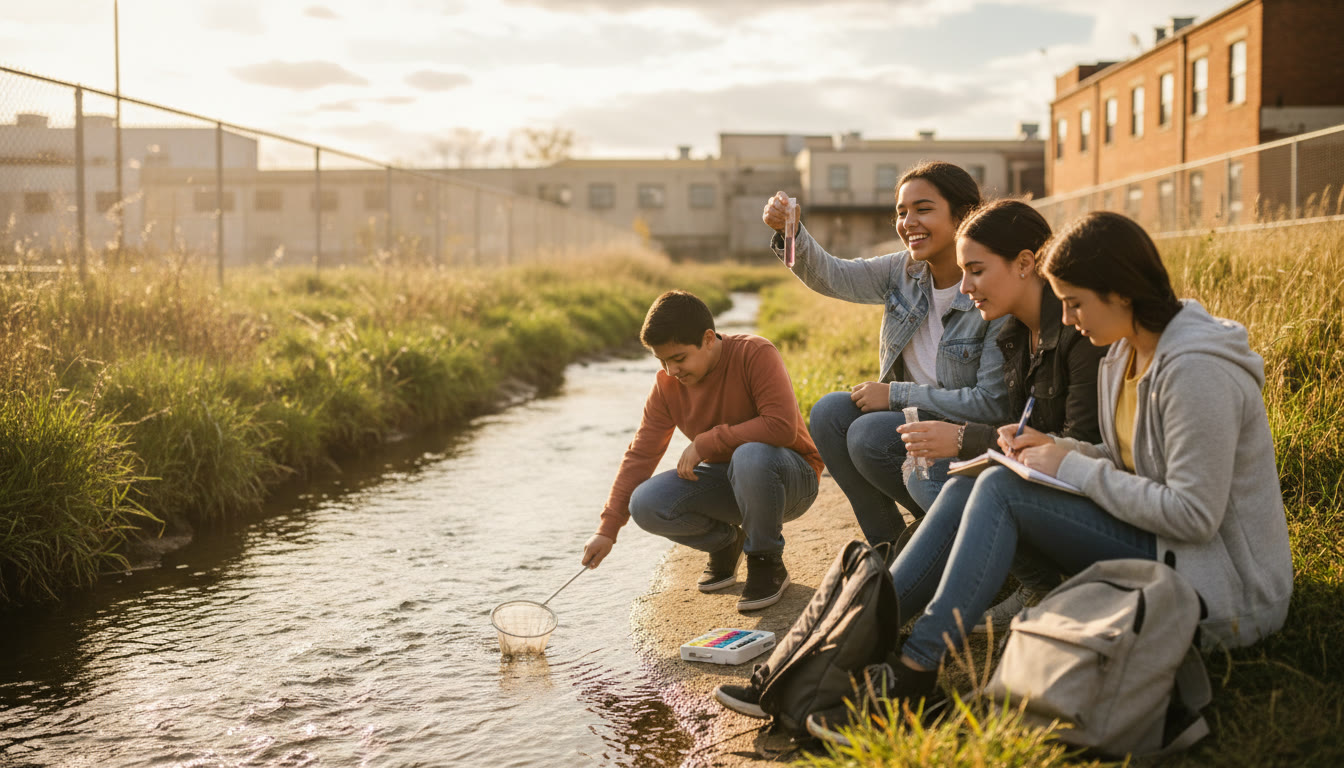
| Local Stream Water Quality Monitoring | 12 weeks with monthly sampling | Changes in turbidity, pH, and indicator bacteria levels; volunteer hours | Lab logs, photos, GPS points, volunteer sign-in sheets |
| Urban Pollinator Patch | Pilot planting + 3-month follow-up | Survival rate of seedlings; pollinator visit counts per 10-minute observation | Photo quadrats, visit logs, species list |
| Household Rainwater Harvest Pilot | 6 months | Liters of water collected per month; number of households adopting the practice | Household logs, video diaries, comparative utility bills |
| Community Food Scrap Composting | Ongoing with three-month review | Kilograms composted; number of contributors; quality of compost (basic texture checklist) | Weight records, contributor registers, photos |
Each of these projects intentionally pairs a local focus with concrete measures. When you plan, work out a simple baseline—what the situation looks like before your intervention—so you can demonstrate change by the end of the assessment window.
Aligning Your Initiative with CAS Learning Outcomes and Academic Rigor
A standout DP portfolio shows how activities connect to learning goals. CAS isn’t a checklist of activities—it’s evidence of personal growth, collaboration, and sustained engagement. When you plan environmental work, map each activity explicitly to CAS learning outcomes and include that mapping in your documentation.
Common CAS learning outcomes to highlight
- Identify own strengths and develop areas for growth: show reflective statements and next-step plans.
- Demonstrate that challenges were undertaken, developing new skills: include before/after skill inventories.
- Demonstrate how to initiate and plan a CAS experience: share meeting notes, timelines, and role assignments.
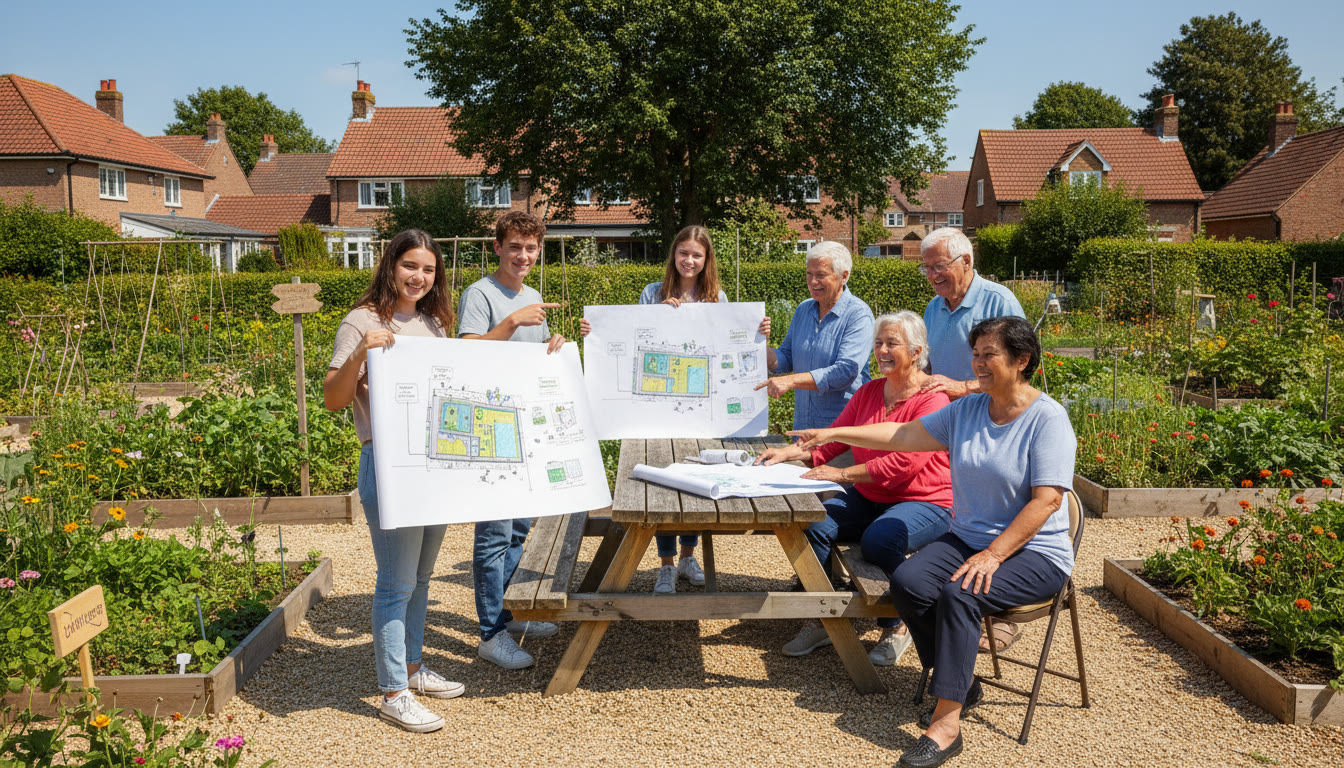
- Show collaborative work with others: include stakeholder feedback, partner letters, and evidence of shared responsibilities.
- Consider the ethical implications of actions: include a short ethical reflection about potential trade-offs and mitigation.
Be explicit in your reflections. Instead of saying “I learned teamwork,” explain how you learned it—what conflict emerged, how roles shifted, and which communication strategies you used. Concrete reflection paired with measurable data is what examiners and supervisors remember.
Building a Standout Portfolio: Evidence, Reflection, and Storytelling
Your portfolio is a narrative built from discrete artifacts. Think like a curator: choose items that tell a coherent story from problem identification through action, reflection, and measured impact. Artifacts to collect include raw data tables, photographs showing setup and outcomes, stakeholder emails, short video clips, pre/post surveys, and your reflective journals.
If you benefit from targeted support—especially when refining research questions, choosing indicators, or polishing reflective writing—consider external help for focused coaching. Sparkl’s 1-on-1 guidance and tailored study plans can help you shape hypotheses, design measurement tools, and craft evidence-rich reflections that connect directly to CAS outcomes. Expert tutors and AI-driven insights are useful when you need a second set of eyes on data collection methods or on polishing your final reflections.
What to include for each major artifact
- A short description (what, where, why) and the dates of activity.
- Raw measurement data and a concise summary table or chart.
- A reflective entry that links the activity to at least one CAS learning outcome, describing specific challenges and learning.
- Evidence of collaboration and community voice—quotes, emails, or simple feedback forms.
Common Pitfalls and How to Avoid Them
Some issues keep recurring in student projects. Recognizing them early saves time and raises the clarity of your portfolio.
- Overambition without a baseline: If you can’t measure where you started, you can’t measure change—always record baseline data.
- Poor documentation: take a few photos every session, keep short logs, and save digital copies of everything.
- One-off activities labeled as sustained engagement: aim for continuity, or be explicit that a pilot phase is the intended scope.
- No community voice: include beneficiary feedback to show relevance and ethical sensitivity.
- Mixing outputs with outcomes: an output (e.g., 50 trees planted) is not the same as an outcome (e.g., 70% survival rate after three months). Track both.
Measuring Impact Beyond the Numbers: Equity and Sustainability
Data is powerful, but the best projects couple numerical change with thoughtful questions about justice and long-term viability. Ask who benefits, who might be excluded, and whether the activity will continue after you leave. Simple steps make a difference: schedule handover meetings with community partners, train local volunteers to maintain a project, and design low-cost monitoring methods so the work is sustainable.
Ethical reflection is also central to CAS. If you’re working with vulnerable groups or on sensitive environmental issues, document how you sought consent, protected participants, and adjusted your methods in response to community feedback.
Final Practical Checklist: From Idea to Assessed Outcome
Use this short checklist to move from concept to portfolio-ready evidence. Each item here should have artifacts attached in your final submission.
| Step | Action | Artifact to Collect |
|---|---|---|
| 1. Define the problem | Write a one-paragraph rationale tied to local context | Project brief, stakeholder quote |
| 2. Set measurable outcomes | Choose 1–3 clear indicators with baseline methods | Baseline data sheet |
| 3. Plan methods | Detail who does what, when, and how measurements are taken | Timeline, role list, measurement protocol |
| 4. Implement & document | Collect regular data and media | Data tables, photos, logs |
| 5. Reflect & report | Write reflective entries linking to CAS outcomes | Reflection entries, mentor feedback |
Putting It All Together
Creating an environmental initiative for the IB DP that is both locally relevant and measurable is an exercise in intentionality. Choose a manageable scope, design repeatable measurement methods, collect mixed evidence, and write reflections that connect your lived experience to CAS learning outcomes. The result is not only stronger proof of impact for assessors, but also a richer learning experience for you and your community.
Careful planning, transparent measurement, and inclusive community practice turn good intentions into verified learning and real-world benefit. When your portfolio shows clear data alongside honest reflection, it communicates that you understand both the science of change and the responsibility that comes with social action.
Conclude your documentation by summarizing what you measured, what changed, and how your learning will inform future practice; this tight academic closure is the capstone of rigorous CAS work.























No Comments
Leave a comment Cancel