

Small Time, Big Impact: A Smarter Way to Do CAS
Let’s be honest: CAS can feel like a balancing act between everything else on your plate — internal assessments, TOK, extended essay, exams, and life. The good news is that the goal of CAS isn’t to accumulate hours like a collector; it’s to develop real learning, show commitment, and reflect thoughtfully. With the right choices and a focused portfolio, you can keep your weekly time low and your depth high — and still build a CAS profile that speaks clearly to your growth.

This article is about strategy, not shortcuts. It’s about choosing activities that create meaningful evidence, turning routine effort into clear learning outcomes, and documenting your journey so every minute counts. Wherever your interests lie — creativity, service, activity, or a mix — these ideas will help you craft a compact, powerful CAS profile that admissions officers, supervisors, and most importantly you, can credibly stand behind.
Why Minimal-and-Deep Works Better Than Many Small Things
Quantity is tempting. It feels safe to say you’ve done lots of things. But in practice, universities and CAS supervisors are looking for growth, initiative, and the story behind what you did. A handful of sustained experiences that show development, challenge, and reflection will usually outshine a long list of one-off events.
Think like an investigator, not a collector
When you focus on depth you can show:
- clear progression over time,
- evidence of overcoming specific challenges,
- meaningful reflections that connect experience to learning outcomes, and
- impact that is measurable or demonstrable.
That narrative — challenge, action, result, and reflection — is what makes a CAS record memorable. With intentional choices, you spend less time on busywork and more on evidence that genuinely matters.
Know What CAS Is Looking For: The Learning Outcomes
CAS is anchored by clear learning goals. Use these outcomes as your compass when selecting and describing activities. Aim to demonstrate, in your reflections and evidence, how each activity touches several outcomes rather than merely ticking boxes.
Core CAS learning outcomes (and how to show them concisely)
- Identify strengths and areas for growth — show a short self-audit and a follow-up reflection describing how you improved one skill.
- Tackle challenges and develop new skills — record one specific challenge you faced and the steps you took to solve it.
- Plan and initiate — keep a succinct planning note (objectives, timeline, roles) for each sustained activity.
- Commit and persevere — choose activities with a clear timeframe so you can show sustained engagement.
- Work collaboratively — provide one supervisor or peer comment that highlights your teamwork.
- Engage with global issues — tie at least one activity to an issue beyond your immediate school community.
- Consider ethics — include a short reflective note about ethical choices or dilemmas and how you addressed them.
Principles for Low-Time, High-Depth CAS
Adopt a few guiding principles and you’ll find your CAS becomes manageable and meaningful.
Principle 1 — Integrate rather than multiply
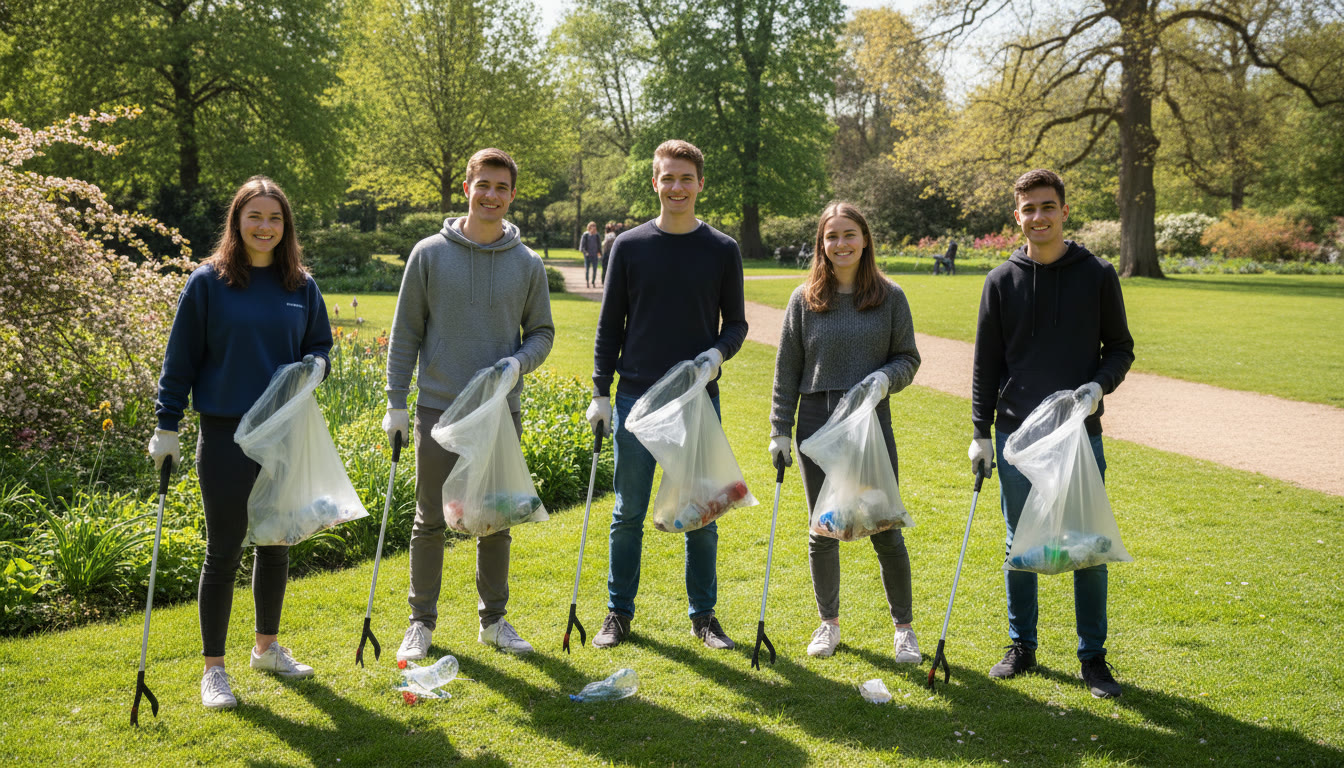
Choose activities that cover multiple learning outcomes and strands. A peer-tutoring program can be service and creativity if you design new learning materials; a community garden can be activity, service, and a study of sustainability.
Principle 2 — Make every entry purposeful
A short, well-structured entry that includes an objective, challenge, outcome, and reflection is much more persuasive than a long list of events. Use a consistent template so you spend less time writing and more time learning.
Principle 3 — Look for leverage
Leverage existing commitments. If you already train with a local team, propose a leadership role; if you help at a family-run initiative, map that work to service and document the community benefit.
Principle 4 — Plan for evidence in advance
Think ahead about the evidence you’ll collect: brief supervisor comments, a few dated photos, a short reflective essay, a primary artifact (lesson plan, fundraising record, design), and a measurable outcome (number of people helped, material produced, or a before/after skill measure).
Practical Step-by-Step Plan: Build a Compact CAS Portfolio
Here’s a simple pathway you can follow. It keeps weekly time low while ensuring depth.
Step 1: Audit your commitments (one hour)
List current weekly activities, part-time work, family responsibilities, club roles, and hobbies. Identify three activities that could be shaped into sustained CAS experiences.
Step 2: Choose a three-pillar model
Pick up to three ongoing activities (your pillars) and one short, focused project. Pillars provide steady weekly evidence; the project provides a big-picture impact you can reflect on in depth.
Step 3: Schedule micro-sessions
Instead of large weekly blocks, use two or three short sessions per week for each pillar. Consistency matters more than total minutes.
Step 4: Collect evidence as you go
After each session, add a single sentence to your log: date, aim, one result. Once a month, write a 200–400 word reflection tying the activity to learning outcomes.
Example plan (compact and practical)
| Activity | Strand | Suggested weekly time (approx) | Duration (sustained) | Best evidence |
|---|---|---|---|---|
| Peer tutoring for younger students | Service / Creativity | 1.5–3 hours | ongoing (term to term) | lesson plan, tutor log, supervisor note |
| After-school digital media club (produce short videos) | Creativity | 2–4 hours | ongoing plus one showcase project | final video, storyboard, reflection |
| Community research/project (local issue) | Service / Activity | variable (intensive during key weeks) | project-based (8–12 weeks suggested) | project report, photos, outcomes |
Note: times are suggested for budgeting your schedule, not official requirements. Your school’s CAS coordinator will confirm what your school expects for sustained engagement.
Reflections That Actually Count
Reflection is the heart of CAS. It’s not extra work; it’s the evidence that what you did led to learning. Short, focused reflections are better than long generic ones.
Use a tight reflection template
- Context: one sentence describing the session.
- Challenge: one sentence about a difficulty or question.
- Action: one sentence about what you did differently or learned.
- Outcome: one sentence with measurable or observable result.
- Link to learning outcomes: list 1–2 outcomes with a brief note.
That template keeps reflections readable and consistent. A monthly reflection of 250–400 words that draws together several sessions lets you show growth over time without writing every day.
Examples of high-quality reflection prompts
- Which two skills did I improve this month and how can I demonstrate them?
- What was the hardest decision I made, and what ethical considerations guided me?
- How did this activity connect to an issue beyond my school community?
- What would I change in the next phase, and why?
Structure and Presentation: A Lean, Convincing Portfolio
Organization helps reviewers find what they need in seconds. Keep a clean folder structure and a short guiding summary so your portfolio reads like a curated selection, not a dump of materials.
Suggested portfolio layout
- Cover summary: one-paragraph overview of your CAS approach and three pillar activities.
- Evidence sections per activity: brief plan, dated log extracts, monthly reflections, supervisor comments, artifacts (photos, PDFs).
- Project report: a focused narrative showing planning, outcomes, and reflection.
- Learning outcome map: a one-page table that shows where each outcome is demonstrated.
What counts as good evidence
Think quality: a short video, a signed supervisor note, a photographed artifact, a concise data table showing impact, or a scanned certificate. Organize each piece with a one-line caption that explains what it proves.
How Minimal CAS Strengthens Your Student Profile
When CAS is strategic it does two important things: it strengthens your personal statement and it supplies concrete anecdotes for interviews. Universities want students who take initiative, learn from challenge, and contribute to community — and a compact CAS portfolio can deliver that evidence clearly.
Translate CAS into application language
Instead of saying you did many things, pick two stories that show leadership, problem solving, and impact. Use numbers when possible, but also show the learning: what you would do differently, how an idea developed, or how your perspective changed.
When to Ask for Guidance — and How That Helps
It’s smart to ask for guidance early, not just at the end. A coach or tutor can help you sharpen reflections, map activities to learning outcomes, and present evidence in a clean, persuasive way. If you work with a service that offers 1-on-1 guidance, tailored study plans, expert tutors, and AI-driven insights, the benefit is that you’ll spend less time guessing and more time doing the right kind of work.
For example, a short session to structure your reflections and a follow-up to critique one project report can turn scattered notes into a portfolio that reads as intentional and academically robust.
Common Pitfalls and How to Avoid Them
- Doing many one-off activities without sustained engagement — pick fewer and sustain them.
- Writing reflections that summarize rather than analyze — always tie to learning outcomes.
- Poor evidence organization — keep a dated log and one-line captions for each artifact.
- Overvaluing quantity over quality — show depth in two or three places rather than breadth alone.
A Quick Minimal-CAS Checklist
- Do I have 2–3 ongoing pillars and 1 focused project?
- Can each pillar be linked to at least two CAS learning outcomes?
- Is there at least one supervisor comment or artifact for each pillar?
- Do my monthly reflections show measurable progress or clear learning?
- Is my portfolio organized with a one-paragraph summary and a one-page learning outcome map?
Final Thoughts
CAS done well is a story you can tell plainly: you chose a challenge, you committed, you learned, and you recorded that learning with clear evidence. By integrating activities, planning evidence in advance, and using concise reflections tied to learning outcomes, you can keep weekly time low without sacrificing the depth that makes CAS meaningful. That compact, well-documented profile is what demonstrates academic maturity and personal development.





















No Comments
Leave a comment Cancel