
ICSE vs CBSE: Which Board Fits a Science Student Best?
Choosing the right school board is one of those decisions that feels small in the moment and very big a few years down the line. For science students, the choice often shapes daily classroom life, the way concepts are taught, how much lab time you get, and even the study strategies that work best. Let’s walk through a clear, compassionate, and practical comparison so you can make a choice that fits how you learn and where you want to go next.
A friendly snapshot before we dive in
Neither board is objectively “better” for every student. Each has strengths that match different learning styles and goals. The right fit depends on whether you prefer depth and detail, or structured, exam-aligned clarity; whether you enjoy projects and extended answers, or focused, concept-driven practice. Below we unpack the differences with practical tips, study routines, and a sample plan you can adapt.
At-a-glance comparison
| Feature | ICSE (brief) | CBSE (brief) |
|---|---|---|
| Curriculum focus | Broad, detailed coverage; strong emphasis on language and application | Concept clarity and streamlined syllabus aimed at national-level exam alignment |
| Exam style | Longer descriptive answers, application-based questions, projects | Mix of objective and subjective questions, competency-based and case-based formats |
| Practical/lab emphasis | Good lab emphasis with detailed practical work and project reports | Clear practical assessment components with standardized evaluation patterns |
| Preparation approach | Read widely, practice detailed writing and project documentation | Focus on conceptual problems, regular mock tests, and timed practice |
| Best for | Students who enjoy descriptive clarity, depth, and thorough projects | Students targeting efficient exam preparation and competitive-entrance alignment |
Understanding curriculum and classroom style
ICSE often takes a wide-angle view: topics are explored in detail and students encounter many contexts for the same concept. Science questions there can reward extended reasoning and careful written expression. CBSE, meanwhile, is generally structured to develop sharp conceptual clarity and application under exam conditions—questions are crafted to test core competencies and reasoning in ways that align well with many national competitive exams and standardized assessments.
- Depth vs. alignment: If you love reading around a topic—going deeper into examples, extended problems, and contextual applications—ICSE’s depth will feel rewarding. If you prefer a tight roadmap where the curriculum and exams emphasize core concepts and frequent practice, CBSE’s alignment helps you prepare efficiently.
- Language and expression: ICSE frequently expects careful explanation and crisp written answers; strong language skills help. CBSE values succinct, logically arranged answers that demonstrate concept mastery.
Exam pattern, marking and practice (what science students should know)
Both boards assess theory and practicals, but their question styles differ. In CBSE-style theory papers you’ll find a blend of multiple-choice, short-answer, and long-answer questions; newer cycles emphasize competency-based and case-based questions that test application rather than rote recall. Marking follows published rubrics: answers are evaluated against specific steps and keywords where appropriate, and partial credit is assigned according to the official marking guidelines.
For science students, that means two practical imperatives:
- Practice full-length timed papers. Simulating the complete exam helps you handle time pressure and understand how different sections add up.
- Master the practicals. Laboratory skills are assessed separately and must be treated as serious scoring opportunities—accurate observation, neat recordings, and clear conclusions matter.
Practicals, projects and laboratory skills
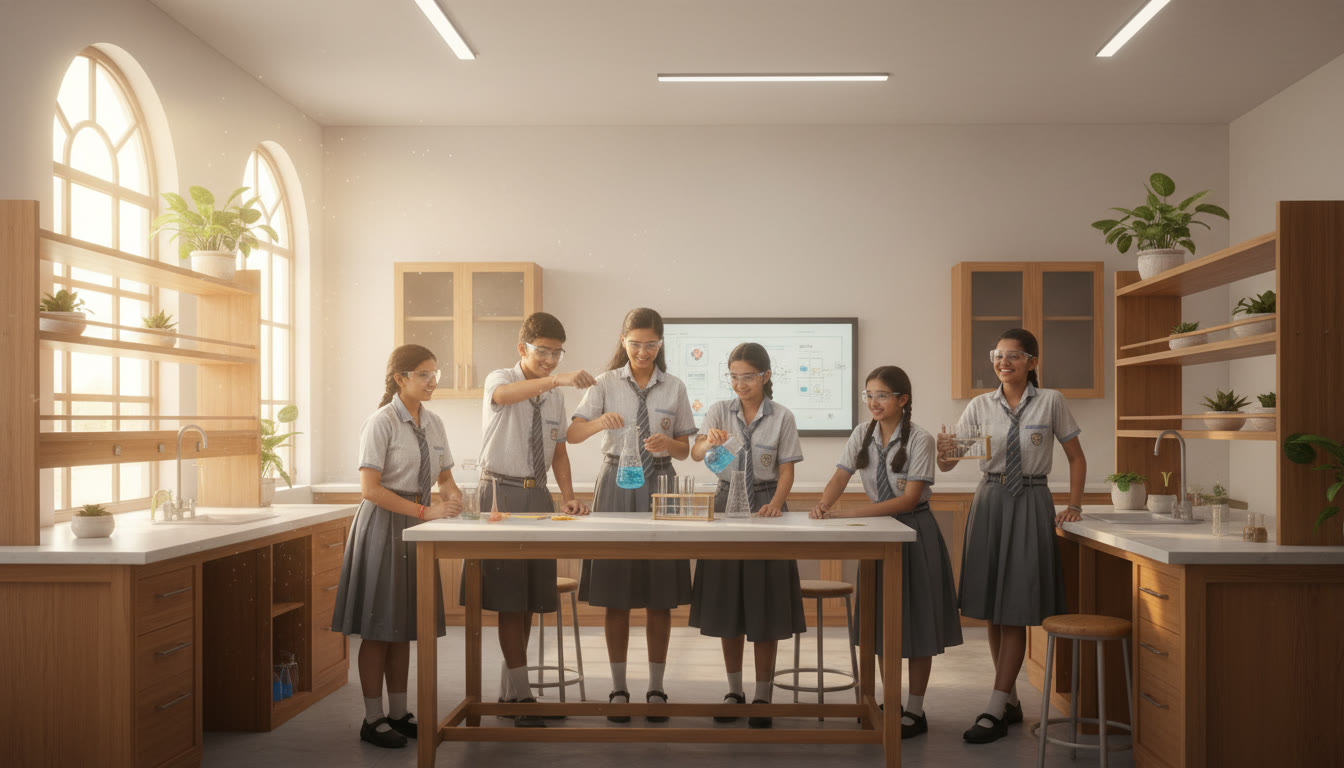
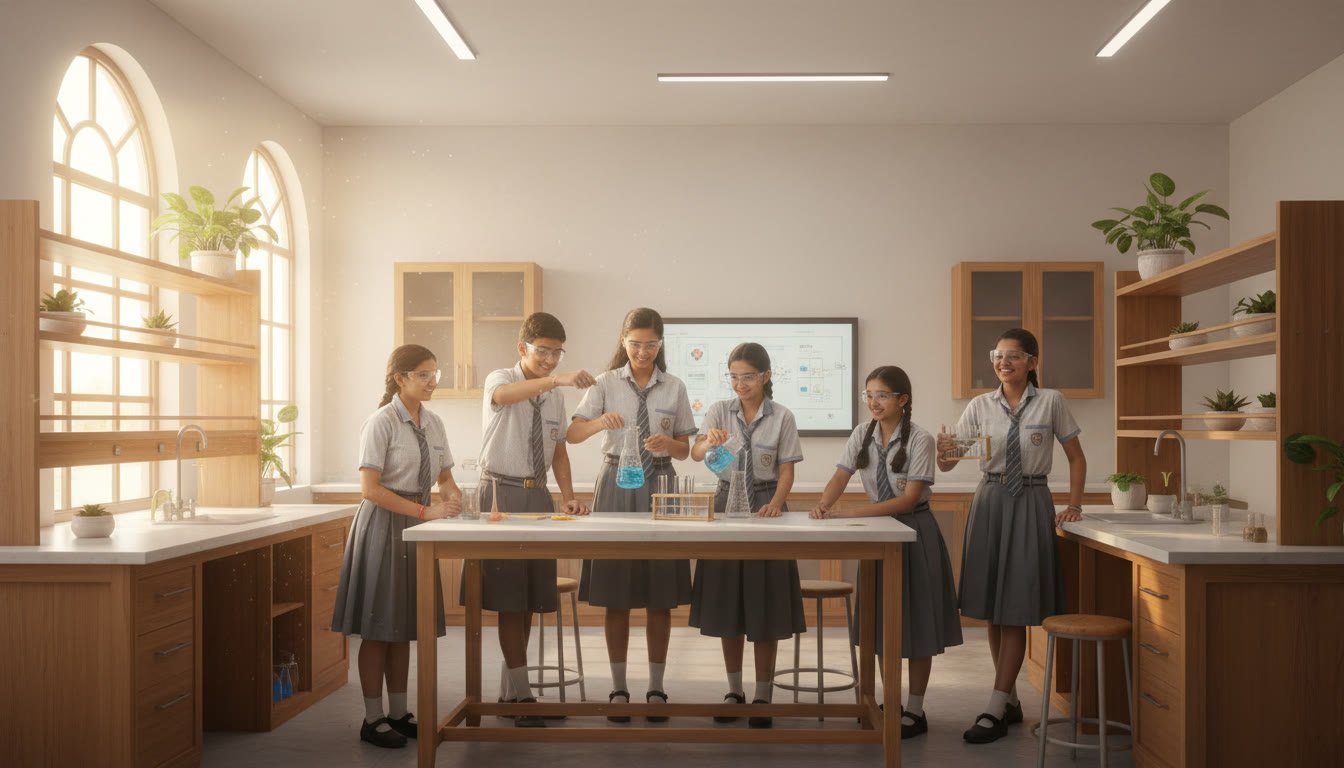
Lab work is a cornerstone for science students. ICSE tends to give students substantial project work and detailed lab reports; CBSE places importance on standardized practical examinations and clearly defined practical records. In both systems, hands-on practice strengthens conceptual understanding far more than rote memorization ever will.

- Build a lab notebook habit: record objectives, method steps, observations, calculations and a succinct conclusion for each practical.
- Practice drawing and labeling diagrams neatly—clarity counts in both boards, but keep diagrams purposeful rather than decorative.
- Work in pairs or small groups to replicate experiments; explaining steps aloud improves retention and helps spot errors.
How the board choice affects higher education and competitive preparation
Universities accept students from either board; what matters most is your conceptual foundation, examination temperament, and the quality of your preparation. CBSE’s structure can map conveniently onto many standardized entrance patterns because of the emphasis on concise concepts and problem-solving. ICSE students often benefit from a strong language base and analytical writing practice—skills that are valuable in practical lab reports, technical communication, and long-form exams.
Whichever board you choose, aim to build:
- Conceptual clarity—understand principles before memorizing steps.
- Problem-solving stamina—regular practice with varying difficulty levels.
- Lab confidence—hands-on competence and accurate reporting.
Study strategies tailored to each board
Good study habits overlap for both boards, but tuning details to the board makes preparation smoother.
For students following ICSE-style learning
- Spend time on elaboration: practice writing clear, stepwise answers and explaining reasoning in your own words.
- Engage with extended problems and project-style questions; treat textbooks as starting points for exploration.
- Integrate reading across topics—connect theory with simple experiments and real-life examples to deepen understanding.
For students following CBSE-style learning
- Prioritize concept maps and concise notes that highlight definitions, formulas and key derivations.
- Practice mixed-format papers regularly: MCQs, short answers, long answers and case-based questions.
- Use full-length mock tests to build speed and to track weak zones—turn mistakes into targeted revision tasks.
Practical study schedule and full-length mock practice
Science mastery relies on regular, deliberate practice. A balanced weekly rhythm keeps concepts fresh and prevents last-minute overload. Below is a flexible sample weekly plan you can adapt to your calendar:
| Day | Focus (2–3 hours) | Short activity (30–60 mins) |
|---|---|---|
| Monday | Theory topic (concept + examples) | Summarize notes; 10 flashcards |
| Tuesday | Numerical problems / equations | Quick revision of formulas |
| Wednesday | Practical skills / lab notebook | Sketch and label diagrams |
| Thursday | Mixed questions (past paper excerpts) | Timed 30-minute quiz |
| Friday | Project work / application questions | Peer discussion or teach-back |
| Saturday | Full-length mock test (rotate subjects) | Self-evaluation checklist |
| Sunday | Revision and consolidation | Plan next week |
Key habit: treat the Saturday full-length test as a simulated board exam. Carefully mark it against the official-style marking rubric, note recurring mistakes, and then create short action items for the following week.
The role of one-on-one guidance and tailored study plans
Personalized tutoring can speed up the process of turning weak zones into strengths. A tutor who understands the board’s exam style helps you with targeted practice, structured revision, and efficient error correction. If you prefer individualized attention, consider tailored programs that offer:
- One-on-one guidance to address specific conceptual gaps.
- Study plans calibrated to your pace, strengths, and time availability.
- AI-driven insights or tracking that highlight performance trends over time.
For students seeking personalized academic support, Sparkl‘s tailored study plans and expert tutors can be helpful when integrated with your regular school routine.
Practical tips for exam writing and lab reporting
- Answer structure: begin with a clear statement, show steps logically, and end with a brief conclusion where appropriate.
- Diagrams and derivations: use them as learning tools; in answers, keep diagrams labeled and derivations concise and stepwise.
- Time management: allocate time per question based on marks, leave time for revision, and attempt high-scoring questions first when possible.
How to decide: a simple checklist for science students
Run through these prompts honestly. Your answers point you toward the better fit.
- Do you enjoy exploring topics in detail and writing longer, well-explained answers?
- Do you prefer a curriculum that prioritizes concise concept mastery and frequent testing?
- Is standardization and alignment with national-style question formats important to you?
- Would you rather have more project-style and laboratory work woven into the course?
- How much time can you dedicate weekly to self-study and lab practice?
If your answers lean toward thorough, descriptive exploration and strong language-based explanation, a broader syllabus may suit you. If you favor targeted conceptual clarity, rapid practice cycles, and a tight exam roadmap, a board aligned for streamlined exam preparation may be preferable.
Common student scenarios and suggested paths
- The curious experimenter: If you’re happiest in labs, love projects, and enjoy writing detailed responses, favor a curriculum with rich practical and project work—but make sure you commit to practicing timed papers too.
- The focused problem-solver: If you thrive on practicing questions, honing speed, and aligning preparation to formal exam patterns, a board built for concise concept testing will help you maximize performance.
- The balanced learner: Mix both strengths—seek programs and routines that give you hands-on lab time and timed mock tests. Personalized tutoring can help balance depth with exam-readiness.
Final notes on study resources and help
Effective resources are those that complement your board’s exam style. Build a stack that includes carefully prepared notes, regular mock papers, and a consistent lab practice routine. When you need structured support, personalized 1-on-1 guidance, tailored study plans, and performance tracking can make your study hours more efficient—Sparkl‘s approach to individualized tutoring is one example of a support layer you might add alongside school teaching.
Wrapping up: a practical decision framework
Choosing between ICSE and CBSE is a personal decision shaped by how you learn, what you enjoy, and where you plan to go next. Focus on three pillars when you decide: learning style (depth vs. focused alignment), exam temperament (longer descriptive answers vs. mixed-format quick application), and practical exposure (lab and project emphasis). Combine that insight with a steady study rhythm—regular full-length mock tests, focused practical practice, and targeted revision—and you’ll set the foundations for strong performance regardless of the board you choose.
This guide has aimed to clarify the practical differences and give science students a realistic study roadmap. Use the comparison, sample plans, and checklist to make a decision that fits your learning style and academic goals. Conclude your planning by listing your top three priorities—what you want to learn deeply, how you want to be assessed, and the pace of practice you can maintain—and choose the board that aligns most closely with that profile.




















No Comments
Leave a comment Cancel