
How to Avoid Illness Close to SAT Test Day — A Practical, Calm Plan
You’ve put in months of prep: practice tests, vocab lists that live in your brain now, strategy tweaks for the Reading and Math sections. As the SAT date nears, the goal suddenly shifts from learning more to protecting what you’ve already built. Nothing derails weeks of disciplined study like getting sick the week of the exam. This guide is a friendly, realistic plan to reduce your risk of illness in the final days before the SAT and to prepare smart backups in case something unexpected happens.
Why this matters — and what you can control
It’s tempting to attribute illness to bad luck, but many factors that influence your immune resilience are within reach: sleep, nutrition, hydration, hygiene, stress levels, and sensible exposure to germs. You can’t eliminate every risk, but with a few focused choices you can tip the odds in your favor. The last week before test day is not the time for experimentation; instead treat it like a runway: clear, steady, predictable preparation that lands smoothly.
Basic principles to protect your health
1) Prioritize sleep — your immune system’s quiet hero
Sleep is one of the strongest predictors of immune function and cognitive performance. In the final week before the SAT, aim for consistent sleep and wake times. Rather than cramming late-night study sessions, block your evening so your brain can consolidate memory during deep sleep. If you normally need eight hours, don’t shortchange yourself.
2) Eat in a way that supports steady energy and immunity
There’s no magic pill, but balanced meals that include protein, healthy fats, whole grains, and fruits and vegetables help steady blood sugar and supply vitamins that support immune responses. Avoid excessive sugar and heavy takeout the night before the test; they can disturb sleep and digestion.
3) Hydrate consistently
Dehydration impairs cognition. Keep a water bottle with you during study blocks. Limit caffeinated drinks late in the day because they can fragment sleep, but moderate caffeine the morning of the test is fine if that’s part of your routine.
4) Practice smart hygiene and minimize risky exposures
Washing hands with soap, avoiding crowded public transit at peak times when you can, and stepping back from close contact with obviously ill friends or family in the final week are simple, effective measures. If your household has a sick member, consider wearing a mask at home during close contact and disinfecting commonly touched surfaces.
5) Keep stress manageable — calm mind, calm body
Stress affects immune function through hormones like cortisol. Use short, daily routines that lower stress: breathing exercises, brief walks, or a 10–15 minute mindfulness practice. Light physical activity also improves sleep and mood, both helpful for test performance.
Concrete daily routine for the last 7 days
Below is a practical, day-by-day wellness rhythm you can follow that balances study and self-care. It assumes you want to keep content exposure steady without cramming—focus on review, not new material.
| Day | Sleep Goal | Key Focus | Nutrition | Light Activity |
|---|---|---|---|---|
| 7 days out | 7–9 hours, consistent time | Review test strategies; target weak question types | Protein-rich breakfast, colorful veggies | 30-minute walk |
| 6 days out | 7–9 hours | One full, timed practice section (not full test) | Whole grains, nuts, fruit | Light stretching or yoga |
| 5 days out | 7–9 hours | Mixed review; flashcards for vocab/formulas | Omega-3s (fish or plant source), greens | Brief cardio (20–30 minutes) |
| 4 days out | 7–9 hours | Timing practice for sections | Light meals, avoid heavy or greasy food at night | Walking, light bike ride |
| 3 days out | 7–9 hours | Review formulas and common traps; practice relaxation | Balanced meals; hydrate | Gentle stretching, 20–30 minute walk |
| 2 days out | 7–9 hours | Light review; no heavy new study | Simple, familiar foods | Short walk; avoid strenuous workouts |
| Day before | 7–9 hours; wind down early | Pack bag, mental rehearsal; rest | Early dinner, avoid spicy/heavy foods | Relaxing activity (read, light stroll) |
This table gives a clear structure so you’re not guessing each day. Compare this to a last-minute cram: cramming increases stress, fragments sleep, and can weaken immune defenses—so the calmer, steadier approach is both smarter for health and cognition.
What to eat and what to avoid
Immune-supporting foods to include
- Fruits high in vitamin C (oranges, strawberries, kiwi) — gentle and hydrating.
- Vegetables rich in vitamin A and antioxidants (sweet potato, carrots, leafy greens).
- Lean proteins (eggs, chicken, beans) to support repair and steady energy.
- Healthy fats (avocado, olive oil, fatty fish) for brain function.
- Fermented foods or yogurt with live cultures — may help gut health, one component of immunity.
Things to minimize
- Excessive processed sugar or late-night sweets that disrupt sleep.
- Alcohol or experimental supplements the week of the test.
- Spicy or heavy meals the night before that could upset digestion and interrupt sleep.
Daily habits that reduce infection risk
Smart hand hygiene and mask use
Wash hands for 20 seconds with soap and warm water after public transit, before eating, and after bumping into crowded spaces. If someone in your household is sick—or your commute is densely packed—wear a mask during close contact and when in crowded indoor spaces. Masks lower the probability of inhaling infectious droplets and are a reasonable precaution in the final week.
Surface cleaning and sensible distancing
Wipe down high-touch items like your phone, door handles, and study desk once a day with a disinfectant wipe. Keep study sessions in well-ventilated areas if possible, and avoid prolonged close time with anyone showing cold-like symptoms.
Stress, nerves, and immune function — practical fixes
High stress can weaken immune defenses. The week before the SAT, add short, deliberate calming practices to your day. Here are simple, evidence-backed routines that take very little time:
- Box breathing: 4 seconds inhale, 4 secs hold, 4 secs exhale, 4 secs hold — repeat 4–6 cycles.
- 10-minute body scan before bed to release tension.
- Light physical activity each day to boost mood and sleep quality.
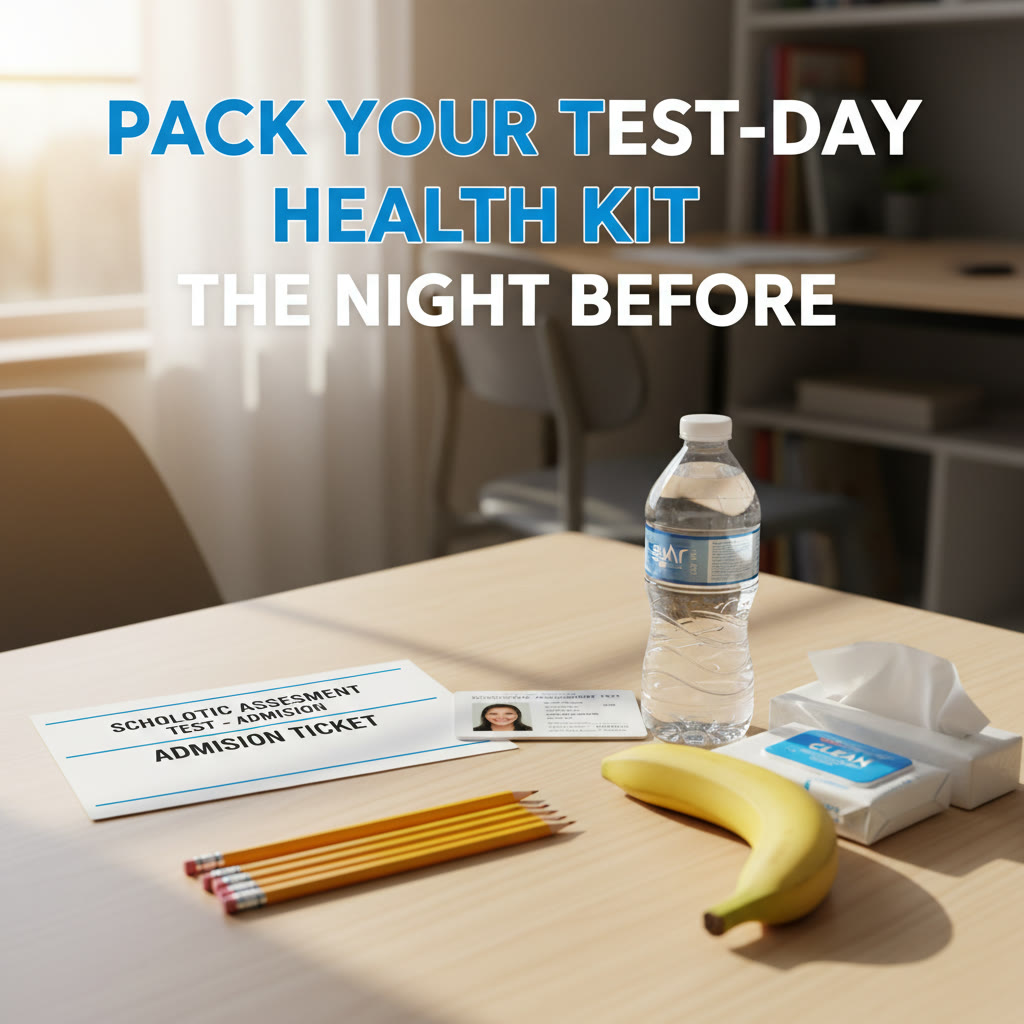
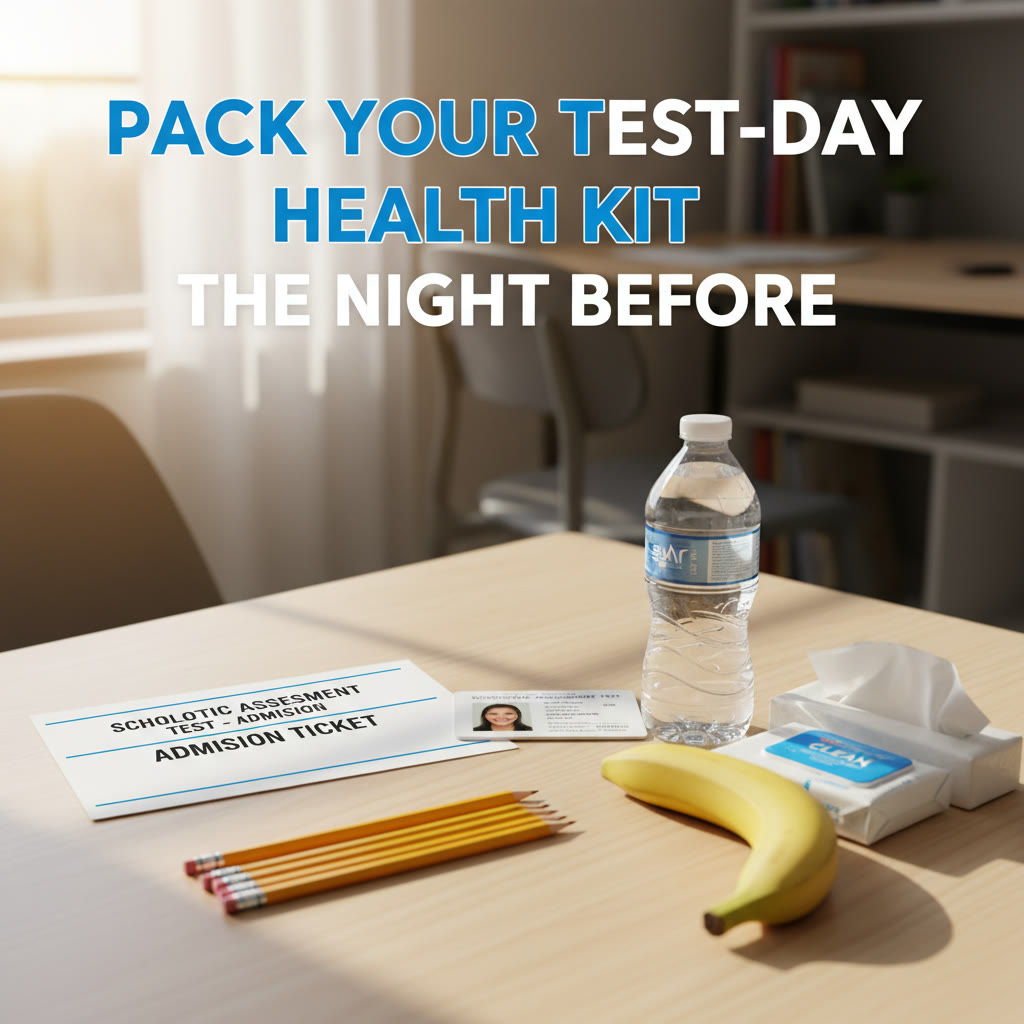
Packing the health-focused test-day kit
On the morning of the SAT, bring items that help you feel physically prepared and calm. Pack these the night before so you’re not searching for them in a rush:
- Water bottle (empty if test center rules require it; then fill after security).
- Non-messy snacks (banana, nuts, whole-grain crackers) for between sections if allowed by test center rules.
- Tissues and a small packet of disinfectant wipes.
- Face mask, if you prefer one for close waiting rooms or transit.
- Any medications you might need along with instructions or a note for the proctor if necessary.
What to do if you feel symptoms in the days before the test
Minor sniffle or sore throat?
Don’t panic. Increase rest and hydration, reduce study intensity, and consider calling your primary care provider for advice if symptoms progress. Keep an eye on fever — a fever generally warrants staying home and contacting medical care.
Worse symptoms or confirmed illness
If you are clearly ill (fever, persistent vomiting, trouble breathing) the smart move is to stay home—both for your recovery and to prevent spreading illness to others in the testing room. Before the test day, contact the testing organization or your test center to confirm policies and what documentation you will need if you request a makeup date. If your school requires proof, a medical note or documentation from a clinic typically helps for rescheduling. Keep records of any medical visits—these can simplify the process later.
If symptoms arise on test day
If you wake up feeling unwell, assess severity. Mild fatigue with no fever? You might still be able to take the test, especially if you feel mentally sharp. If symptoms include fever, severe cough, vomiting, or significant dizziness, stay home and seek medical attention. Document your condition (photos of symptoms, telehealth notes, clinic paperwork) so you can request a makeup or fee waiver if needed per the test administrator’s policies.
Communicate proactively — with school, test center, and tutors
Letting the right people know as soon as something’s off makes everything easier. If you use personalized services like Sparkl, mention your symptoms to your tutor so they can adjust the final sessions: they might switch to light review, offer last-minute stress-management coaching, or help you reschedule a mock test. Sparkl’s personalized tutoring and benefits like 1-on-1 guidance, tailored study plans, expert tutors, AI-driven insights can be especially helpful in the lead-up—because a coach who understands your baseline can advise whether you’re test-ready or better off postponing.
Practical examples and small experiments you can try
Example 1: The evening before a practice test
Instead of a late-night cram, choose a calm 90-minute review: skim your errors from the last timed test, practice five representative math problems, then prepare your clothes and kit. Do a 10-minute walk and a 10-minute breathing routine before bed. You’ll perform better rested than you would on extra hours of shallow review.
Example 2: Managing an unexpected exposure
If a family member becomes ill two days before the test, increase cleaning of shared spaces, wear a mask during close contact, and sleep in a different room if possible. Prioritize rest and hydration; limit in-person social activities. If you develop symptoms, notify your tutor, school counselor, and the test center immediately to learn next steps.
When to consider rescheduling — a quick decision guide
- Consider rescheduling if you have a fever, vomiting, or shortness of breath the morning of the test.
- If you have only mild symptoms and feel mentally alert, you may still test—but prepare a backup plan if you worsen during the day.
- Document everything. Medical notes, telehealth screenshots, and any communications will help smooth a reschedule.
Last-minute mental checklist for test morning
- Did you sleep enough last night?
- Have you eaten a familiar, balanced breakfast?
- Is your test kit packed and visible so you won’t forget in the morning fog?
- Do you have water and a light snack if allowed?
- Have you checked your temperature and noted how you feel?

Putting it all together: a short plan to follow if you only have 48 hours
If the SAT is two days away and you want a focused, evidence-based approach, follow this compressed plan:
- Sleep: Prioritize two full nights of consistent sleep. No all-nighters.
- Nutrition: Simple, balanced meals; avoid new foods that could cause upset.
- Study: Light review only—focus on familiar strategies and confidence-building problems, not new topics.
- Hygiene: Increase hand-washing, avoid crowds, and use disinfectant wipes on high-touch items.
- Stress: Daily short breathing or mindfulness practice; connect with a tutor or mentor for reassurance if you feel anxious.
Final thought — the test is important, your health matters more
The SAT is a single, important milestone, but it doesn’t justify risking your health—or arriving to the test undercut by illness. Apply these common-sense strategies, and you’ll enter the testing room calmer, more rested, and more likely to do yourself justice. If you want help tailoring the last week to your individual strengths and weaknesses, consider working with a coach: professionals like those at Sparkl can adjust your final study plan, help reduce stress, and provide 1-on-1 guidance so you feel ready without pushing your body past its limits.
Take a breath, follow a simple routine, and remember: protecting your health is part of your test strategy. Good luck — you’ve got this.




















No Comments
Leave a comment Cancel