
Waterloo: CS/Engineering — AP Reality Check
Why this conversation matters
Applying to competitive programs like Computer Science and Engineering at the University of Waterloo can feel like standing at the base of a mountain and staring at a foggy summit. Parents and students ask the same practical questions: which AP classes matter, how many AP scores are “enough,” and what will actually help an admission committee notice you? This piece is a friendly, no-nonsense reality check — grounded in how AP coursework is used by many North American universities and framed specifically for students targeting Waterloo’s tech and engineering programs.
Two simple truths to start with
First, AP classes are valuable because they show intellectual curiosity and the ability to handle college-level work. Second, no single AP score guarantees admission to a top program — admissions read your whole profile. If you keep those two truths in mind, your planning becomes less about chasing a mythical perfect score and more about constructing a smart, credible application.
How admissions teams typically view AP for CS and Engineering
Admissions committees look for evidence of readiness and fit. For CS and Engineering, that usually means strong performance in math and science, demonstrated technical interest (projects, competitions, research), and consistent academic rigor through the high school transcript. AP courses and exam scores are signals that help confirm what your transcript suggests.
Which APs really move the needle?
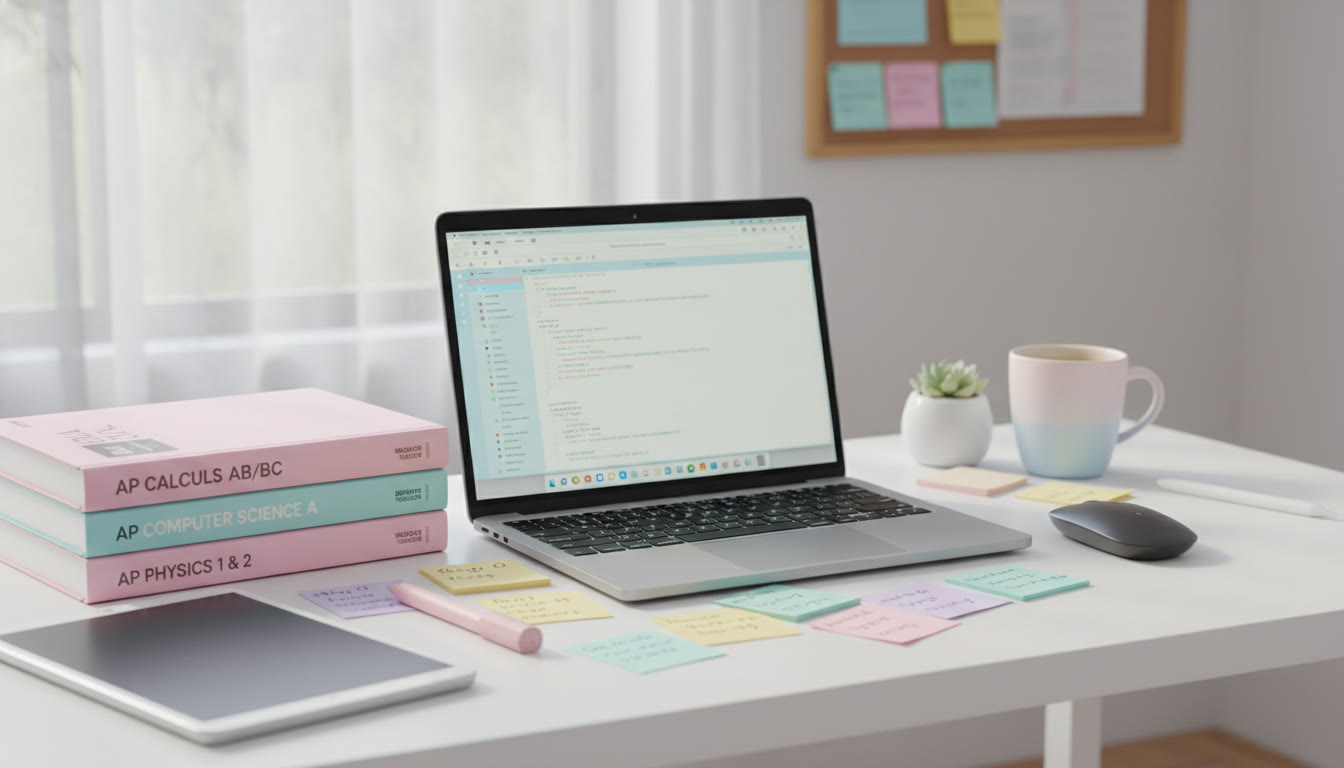
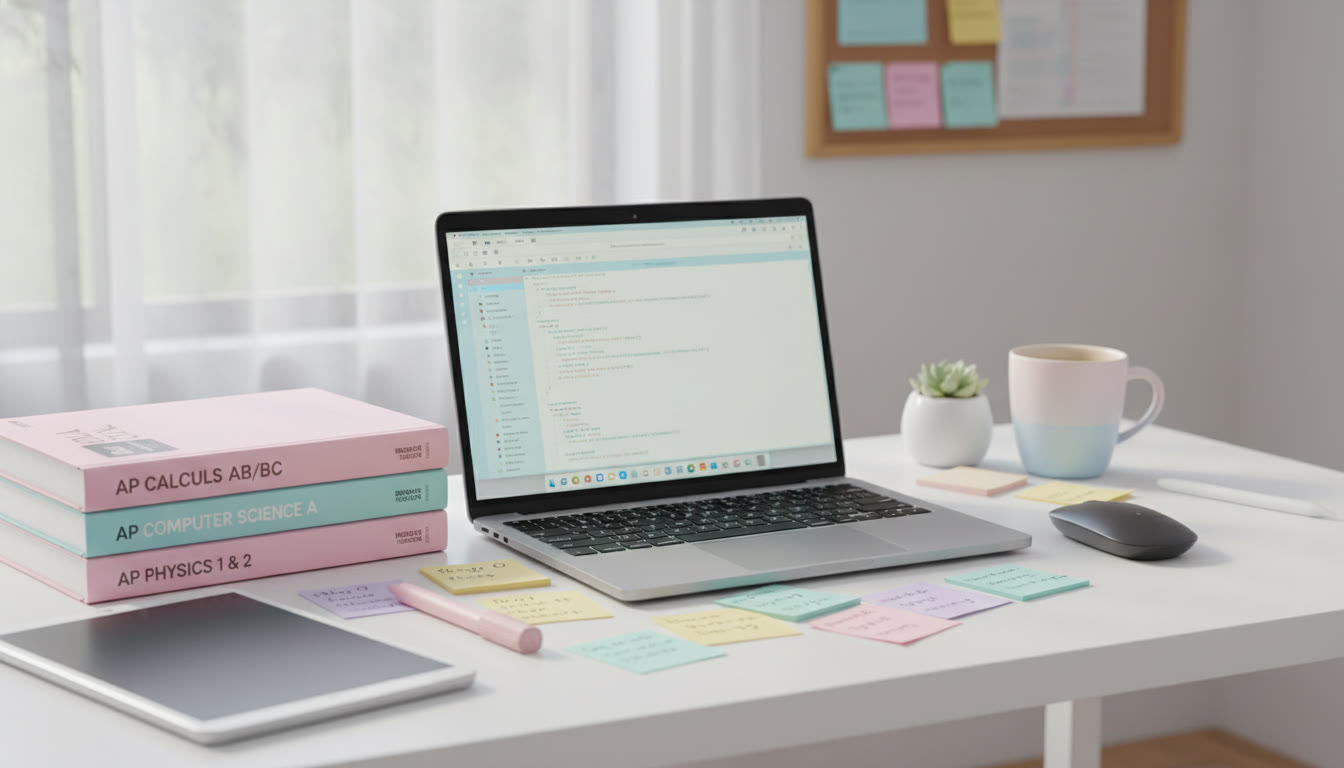
- AP Calculus (AB or BC): Often the most important — shows mathematical foundation.
- AP Computer Science A: Demonstrates programming fundamentals and problem-solving.
- AP Physics (1, 2, or C): Especially Physics C if available — signals preparedness for engineering mechanics and electromagnetism.
- AP Statistics: Useful for CS students interested in data, machine learning, or analytics.
- AP Chemistry or AP Biology: Helpful for some engineering tracks (biomedical, chemical), but less central for pure CS.
Beyond subject choice, admissions also notice when students take advanced coursework early or complete a rigorous cluster of STEM APs. That said, balance is essential: a heavy roster of APs with mediocre grades is less impressive than a targeted set with high achievement.
Practical AP scoring expectations
Different universities and departments have different policies for granting credit or placement based on AP scores. For applicants, think of AP scores like stepping stones:
- Scores of 4–5: Strong evidence of mastery; often result in college credit or placement out of introductory courses.
- Score of 3: Helpful, but less decisive. It can still indicate readiness, but may not earn credit everywhere.
- Below 3: Less persuasive as a signal of college readiness.
Remember: many schools care more about the course rigor and the transcript grades in those courses than a one-off test score. Admissions committees also value upward trends — if your junior year is stronger than your sophomore year, point that out.
Table: AP Focus for Waterloo CS/Engineering applicants (Guideline)
| Priority | AP Subject | Why It Matters | Target Score |
|---|---|---|---|
| 1 | AP Calculus AB/BC | Demonstrates calculus foundation; often used for placement in first-year math. | 4–5 |
| 1 | AP Computer Science A | Shows programming fundamentals and algorithmic thinking. | 4–5 |
| 2 | AP Physics C (Mechanics/E&M) | Strong signal for engineering readiness; calculus-based physics is ideal. | 4–5 |
| 2 | AP Statistics | Valuable for CS tracks involving data science and ML foundations. | 4–5 |
| 3 | AP Chemistry / AP Biology | Useful for specialized engineering streams; optional for CS. | 3–5 |
Building a balanced subject plan
Here’s a realistic four-year pattern that signals both seriousness and sustainability. You don’t need to take every AP the moment it’s offered — selective depth is better than shallow breadth.
Example timeline (Grades 9–12)
- Grade 9: Build foundations — honors Algebra/Geometry if available; extracurriculars and exploratory coding.
- Grade 10: Finish pre-calculus / intro programming; consider AP Computer Science Principles if offered.
- Grade 11: AP Calculus AB (or BC if ready), AP Physics 1 or Physics C (if calculus-ready), AP Computer Science A.
- Grade 12: AP Calculus BC (if not taken earlier), AP Physics C (if not taken earlier), AP Statistics or a second CS/math elective; capstone project or research.
Note: course availability varies by school. If your school doesn’t offer a particular AP, consider community-college dual enrollment, online accredited courses, or self-study with official AP resources. The goal is to show preparation and initiative, not to check boxes.
Beyond APs: what truly distinguishes strong candidates
APs help, but they aren’t the whole story. Waterloo and similar top programs also look for evidence of passion, technical curiosity, and real-world application.
High-impact ways to stand out
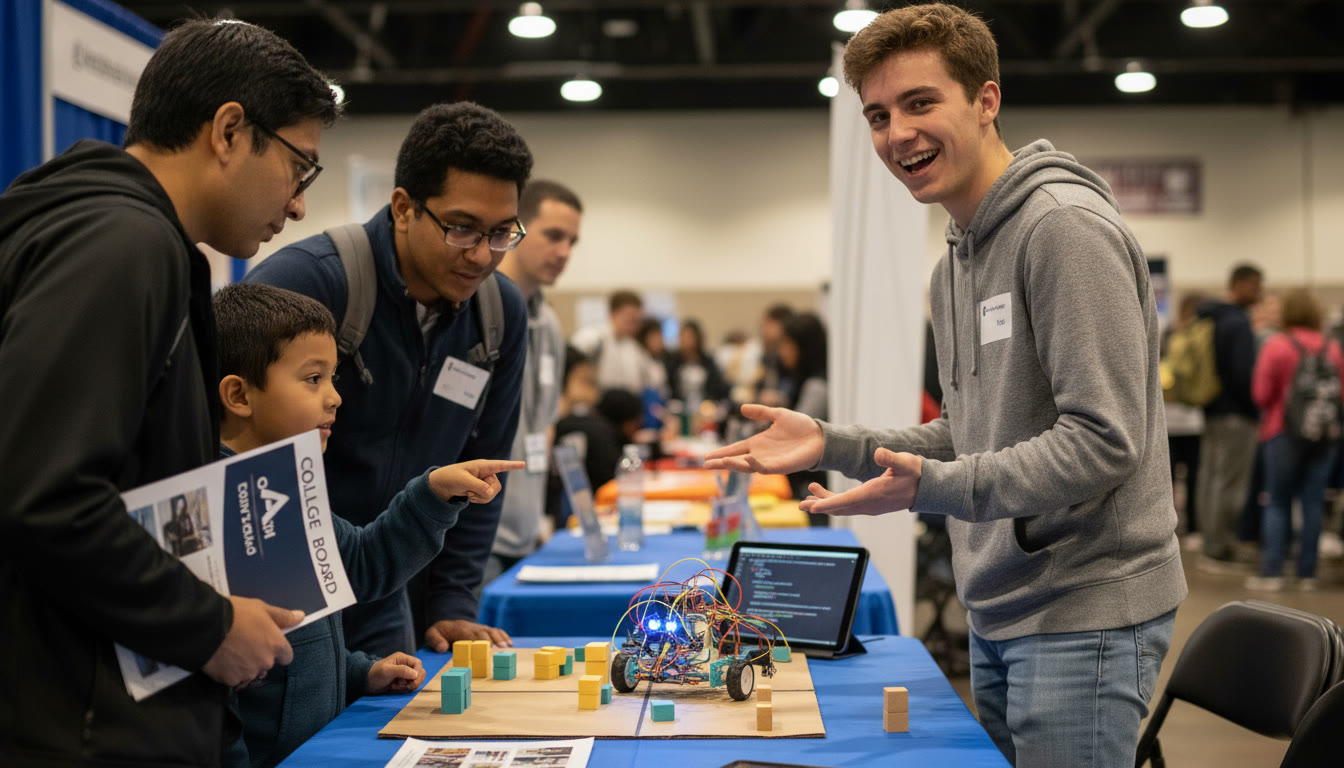
- Projects with substance: a coding portfolio, an app that solves a local problem, robotics entries, or an engineering design showcased on GitHub or a personal site.
- Competitions and hackathons: even participation demonstrates commitment; strong performance is a major plus.
- Research or internships: any sustained experience that shows you can work on extended technical problems.
- Teacher recommendations that speak to problem-solving, persistence, and collaboration—especially from math, science, or computer science teachers.
Admissions teams want to see that your interest in CS or engineering is more than a resume bullet — it’s a habit of mind.
Common pitfalls and how to avoid them
Students often make strategic mistakes when trying to optimize for APs. Here’s how to avoid the usual traps.
Pitfall 1: Taking every AP offered
Why it hurts: overload can lead to burnout and lower grades. Consistent A’s in a focused set of APs is more persuasive than C’s across a dozen APs.
Pitfall 2: Ignoring coding and project work
Why it hurts: CS is demonstrative. Without code, repositories, or projects, your interest looks theoretical. A few well-documented projects beat many unfinished ones.
Pitfall 3: Overlooking application storytelling
Why it hurts: the application narrative ties together transcript, activities, scores, and references. Weak essays or poorly framed statements about your technical journey can mute otherwise strong credentials.
How parents can help without taking over
Parents often want to be supportive but not intrusive. The most helpful actions are strategic and steady.
Practical ways to support
- Encourage consistency: regular study habits beat late-night cramming.
- Provide resources: whose time, books, or paid tutoring could make a difference? Consider targeted help (e.g., for AP Calculus or Computer Science A).
- Facilitate opportunities: internships, summer programs, or local university outreach can add real experience.
- Coach reflection: help your child articulate why they care about CS/engineering in essays and interviews.
One subtle but powerful role is helping your student curate — choosing quality commitments over quantity.
Study strategies that reliably raise AP performance
AP success is a combination of content knowledge, exam technique, and time management. Here are concrete habits that top students use.
Weekly structure
- Daily short practice (30–60 minutes): targeted problems rather than passive reading.
- Weekly review sessions: consolidate weak topics from class and practice free-response answers.
- Monthly full-length practice: simulate exam conditions to build stamina and timing.
Active study tactics
- Practice with past free-response questions and time yourself.
- Use spaced repetition for formulas and core concepts.
- Explain tough concepts aloud or teach a peer — teaching is a powerful test of understanding.
When to bring in outside help
If your student is consistently plateauing — for example, scoring low 3s on practice AP exams despite hours of solo study — targeted tutoring can be transformative. Sparkl’s personalized tutoring model, which combines 1-on-1 guidance, tailored study plans, expert tutors, and AI-driven insights, fits naturally in this scenario: it helps identify weak spots quickly and creates a clear, efficient path forward without wasting time on unnecessary review.
How to document and present AP strengths in the application
AP scores and coursework should be woven into the overall narrative. Here’s how to make them sing.
Transcript and test strategy
- List AP courses on your transcript where applicable and include honors notation if your school provides it.
- Send official score reports to colleges where AP credit/placement matters — but be strategic: use any free score-sends by the deadlines and confirm the school’s policy first.
Essays and supplemental materials
Use essays to connect AP experiences to real intellectual growth. A short anecdote about debugging a stubborn piece of code during AP Computer Science A, or the moment a physics lab made a theoretical concept click, can humanize your application and reinforce the academic claims in your resume.
Realistic expectations for Waterloo applicants
Waterloo’s CS and Engineering programs are highly selective. Strong AP preparation helps, but admissions remain holistic. Use the following as guardrails, not guarantees:
- High-level academic baseline: top-tier grade performance in senior-level math and science, ideally with 4s and 5s in AP Calculus and AP Computer Science.
- Technical substance: projects, competitions, or internships that show you can apply concepts beyond the classroom.
- Fit and passion: clear reasons for choosing Waterloo, demonstrated through essays and activities.
If gaps exist — maybe your school didn’t offer AP Physics C, or you’re weaker in calculus — a deliberate remediation plan focused on critical gaps can still make you competitive. This is where focused, personalized tutoring shines: it builds confidence and targeted competence instead of generalized review.
Sample action plan for the next 12 months
Whether you’re a rising junior or a senior who wants to strengthen your profile quickly, here’s a practical 12-month roadmap.
Months 1–3: Diagnose and prioritize
- Take diagnostic practice exams in Calculus, CS A, and Physics to identify weak areas.
- Set target APs and target scores. Prioritize depth in 1–3 subjects rather than many.
- Start a small, tangible project (a GitHub repo, a simple app, or an Arduino build) that you can complete in under two months.
Months 4–8: Build and iterate
- Follow a weekly schedule: concept review, targeted practice problems, and one timed full-length session monthly.
- Use teacher feedback and peer review to refine your project.
- If progress stalls, consider short-block tutoring (e.g., 6–8 focused sessions) to overcome sticking points.
Months 9–12: Polish and present
- Polish your project and document it. Write a short technical summary you can include in applications.
- Practice writing short responses describing your technical experiences — these become essays and interview talking points.
- Finalize AP registration and make a score-sending plan aligned with college deadlines.
Parents’ checklist (quick reference)
- Confirm AP course availability and plan sequencing with the school counselor.
- Encourage a focus on key APs: Calculus, Computer Science A, and Physics C if available.
- Arrange short-term, targeted help if diagnostics show a consistent gap.
- Support project-based learning that leads to tangible artifacts (code, hardware, papers).
- Help the student set realistic, measurable goals and check milestones monthly.
Final thoughts: APs as tools, not trophies
AP classes and scores are powerful signals when used well. They can both earn placement and validate readiness for challenging university programs like Waterloo’s CS and Engineering streams. But the students who stand out are those who combine AP achievement with real technical work, thoughtful reflection, and a coherent narrative about why they want to study the field.
If your student needs help turning AP coursework into an admissions advantage — whether that means targeted content review, disciplined practice, or building a project portfolio — consider a tailored approach. Personalized tutoring, such as Sparkl’s model that blends 1-on-1 guidance, tailored study plans, expert tutors, and AI-driven insights, can accelerate progress without overwhelming the student. The goal is to make every hour of preparation count.
Parting encouragement
Applying to Waterloo or any top engineering or CS program is a marathon that rewards steady, intentional training. Keep a clear plan, focus on depth over breadth, build real projects, and tell a genuine story about your technical curiosity. With thoughtful preparation — and the right targeted support when needed — you’ll transform stress into momentum and give your application the clarity it deserves.
Need help getting started?
Start with a simple diagnostic: take one practice AP exam and pick one project you can finish in six weeks. Use the results to choose the next move — study, tutor, or project expansion. Small, consistent steps beat last-minute miracles every time.
Good luck — the climb to Waterloo is challenging, but with clarity, practice, and focused support, it’s absolutely within reach.




























No Comments
Leave a comment Cancel