
Why Kyoto and Osaka Matter for AP Students
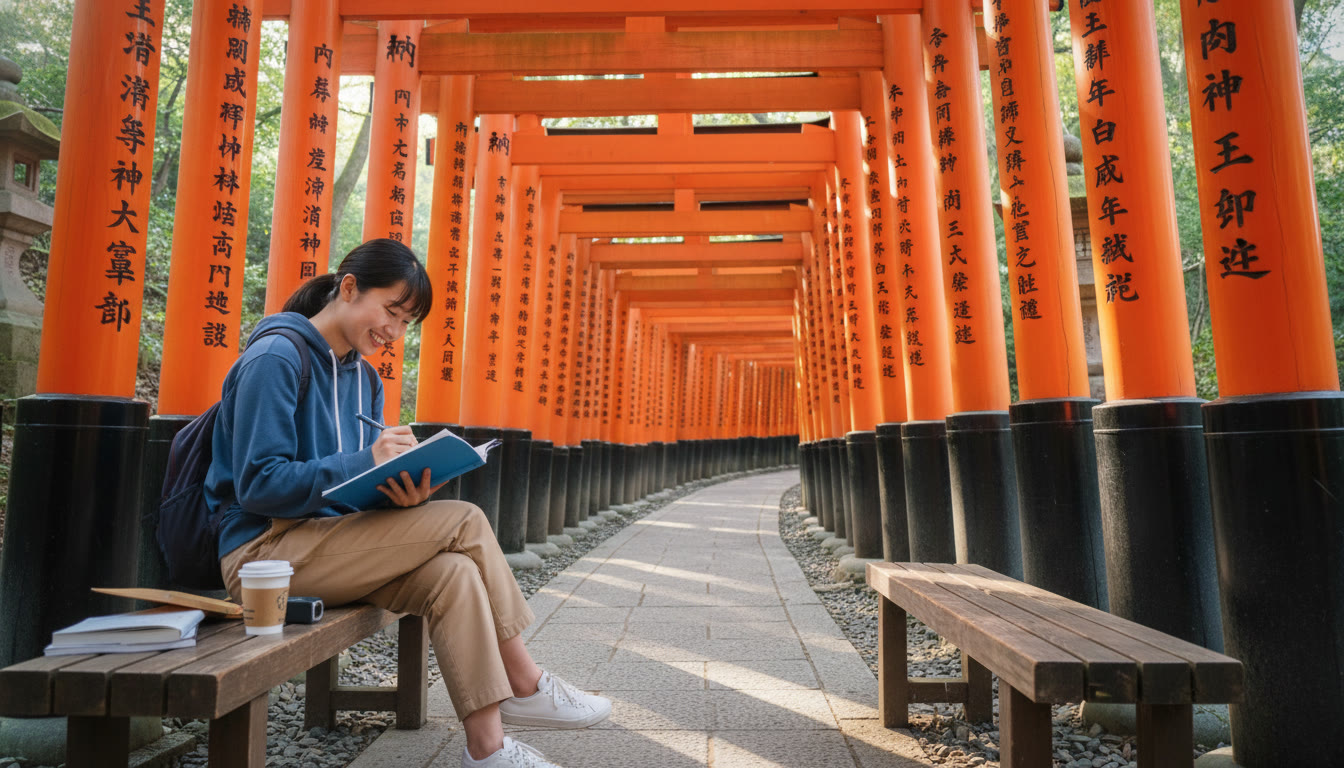
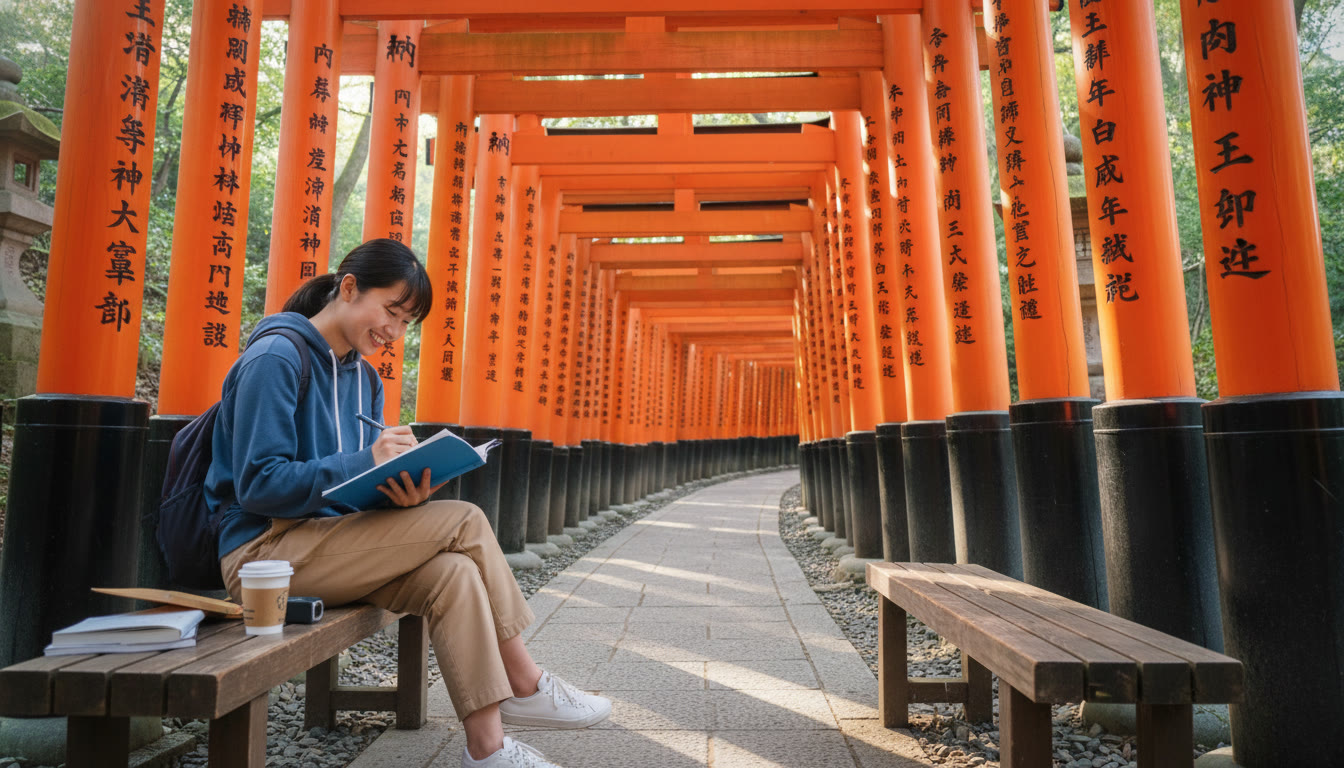
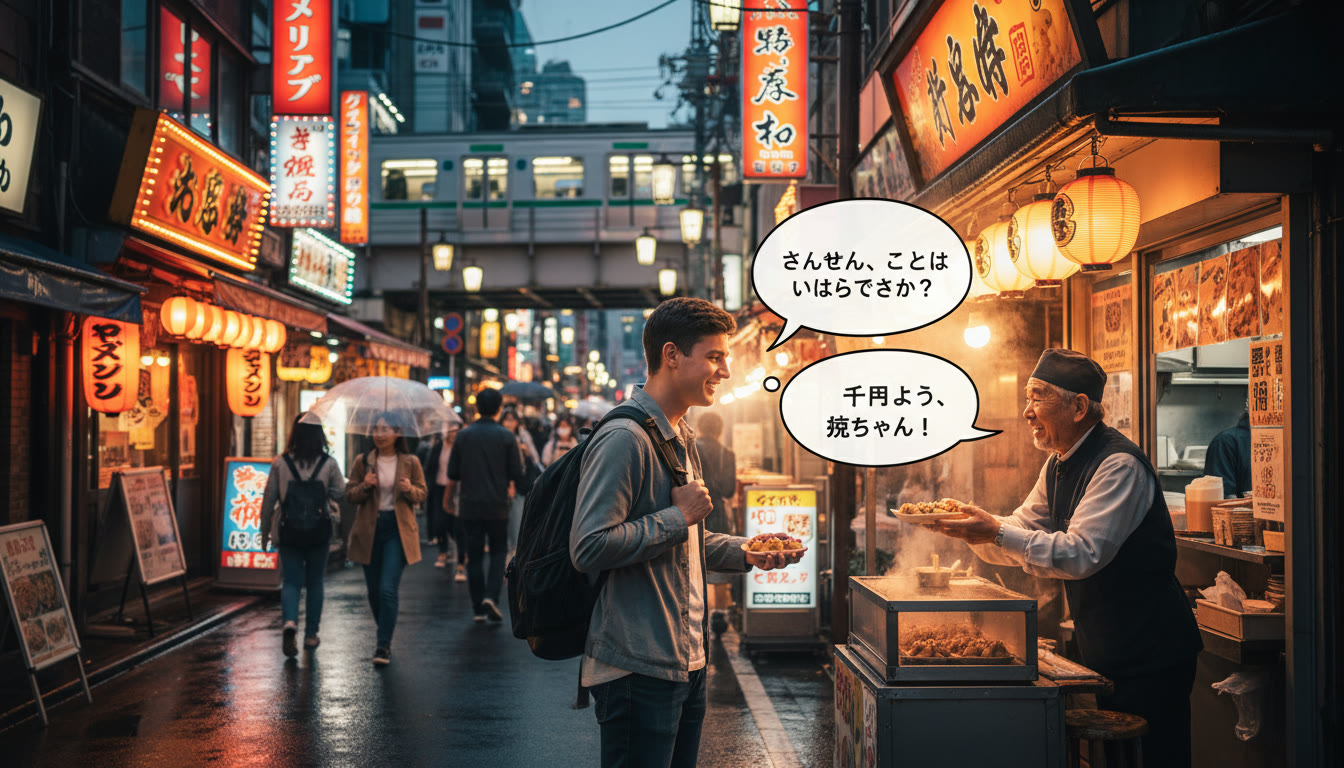
Imagine walking beneath vermilion torii gates, sketchbook in hand, or sitting in a busy Osaka izakaya trying to order in Japanese. Kyoto and Osaka aren’t just beautiful places to visit — they’re living textbooks. For AP students preparing for exams like AP Japanese Language and Culture, AP World History, AP Art History, or crafting college applications, these cities offer real-world textures that classroom readings often can’t replicate.
What “AP Context” Means Here
When I say “AP Context,” I mean translating the culture, history, visual art, and language of Kyoto and Osaka into material that helps you learn, write stronger essays, and perform better on AP exams. That could look like:
- Using traditional Kyoto temple architecture to analyze art historical styles for AP Art History.
- Connecting Osaka’s economic and cultural shifts to timelines and themes in AP World History.
- Practicing authentic Japanese dialogues overheard in Kansai to sharpen AP Japanese oral and listening skills.
Mapping Kyoto and Osaka to AP Subjects
Below are practical connections and examples showing how each AP subject can draw on what Kyoto and Osaka offer.
AP Japanese Language and Culture
Kyoto’s temples, tea houses, and seasonal rituals are rich sources of vocabulary and cultural knowledge. Osaka—more colloquial, exuberant, and business-focused—offers a counterpoint to Kyoto’s formality. Use these contrasts in your oral practice and writing prompts:
- Practice formal honorifics (keigo) inspired by Kyoto’s ritual settings, and casual Kansai dialect phrases you might hear in Osaka markets.
- Create speaking tasks: describe a tea ceremony sequence, explain shrine etiquette, or role-play bargaining at Kuromon Ichiba Market.
- Collect authentic listening material by noting announcements, shop greetings, and street chatter (great raw material for comprehension practice).
AP World History
Kyoto’s history as Japan’s imperial capital and Osaka’s later role as a mercantile hub let you explore themes like urbanization, trade, cultural exchange, and state formation. These are exactly the kinds of themes AP World History asks you to analyze across regions and time.
- Compare Kyoto’s classical court culture and temple patronage with Osaka’s rise during the Edo and Meiji periods as a center of commerce.
- Use primary-source style analysis: take a cityscape, temple inscription, or merchant ledger excerpt and practice contextualization and corroboration.
AP Art History
From Buddhist sculpture and screen paintings in Kyoto to the urban visual culture of Osaka, you’ll find plenty to discuss in terms of style, patronage, and function.
- Analyze materials and techniques (e.g., gold leaf screens, woodblock prints) and link them to broader AP themes like political power, religion, and patronage.
- Sketch, describe, and then write a short comparative essay—Kyoto screen painting versus another AP-period artwork—to practice visual analysis.
Study Strategies Grounded in Kyoto and Osaka Experiences
Travel or virtual exploration becomes more than a memory when you intentionally turn observations into study artifacts. Here’s how to turn sightseeing into study gains.
1. Curate a Place-Based Portfolio
Create a collection of photos, sketches, short audio clips, and notes from Kyoto and Osaka. Organize it by AP theme: Language, Visual Analysis, Economic History, Religion, Urban Life.
2. Turn Observations into AP-Style Prompts
Write your own prompts and responses in AP format. For example, after a visit to a Kyoto temple, craft a DBQ-style question around religious patronage and source a couple of primary-looking materials (temple inscriptions, donor plaques, photographs). Practice writing concise thesis-driven paragraphs.
3. Practice Speaking with Local Flavor
For AP Japanese, try recording yourself explaining something you saw using both formal and casual registers. Then compare: what words did you swap? How did your tone change? This improves fluency and cultural nuance—both tested by the AP exam.
4. Use Comparative Tables for Revision
Tables condense large amounts of comparative information, which is ideal for AP revision. Below is an example table you can adapt into flashcards or study sheets.
| Topic | Kyoto | Osaka | AP Angle |
|---|---|---|---|
| Role in National History | Imperial capital, religious center | Commercial hub, merchant culture | Compare political vs economic influence over time |
| Art & Aesthetics | Traditional screen paintings, Zen gardens | Urban visual culture, kabuki theaters | Formal analysis of style, patronage, function |
| Language | Formal registers, ritual vocabulary | Kansai dialect, colloquial expressions | Listening and speaking practice across registers |
| Economy & Trade | Temple patronage, craft economies | Merchant networks, port trade | Evidence for AP World themes: trade, urbanization |
How to Use These Insights in Essays and AP Responses
Exam graders look for clarity, evidence, and synthesis. Mentioning a specific, place-based example—like a Kyoto garden’s symbolic elements or Osaka’s merchant guilds—can elevate a paragraph from general to memorable.
Concrete Example: AP World DBQ Paragraph
Thesis sentence: During Japan’s transition from feudal fragmentation to centralized modernization, the divergent development of Kyoto’s cultural elite and Osaka’s merchant class illustrates how different social groups shaped modernization differently.
Evidence sentence: Kyoto’s continued production of ritual arts sustained elite cultural authority, while Osaka’s merchant-led urban networks drove commercial innovation and urbanization.
Analysis sentence: This contrast shows that modernization is not a single-track process; cultural authority and economic dynamism can advance simultaneously under different institutional pressures.
Practical Prep: What Students (and Parents) Should Do Now
Here’s a step-by-step plan to turn Kyoto/Osaka inspiration into AP success. It blends self-directed work, structured practice, and targeted support.
Month-by-Month Action Plan (Example)
- Months 1–2: Build foundational content—vocabulary lists, timelines, image studies based on Kyoto/Osaka themes.
- Months 3–4: Practice AP question types (DBQs, comparative essays, spoken responses) using your place-based materials.
- Months 5–6: Timed practice exams, with focused review on weak sections. Convert travel notes into short evidence-driven paragraphs.
- Ongoing: Keep cultural immersion—films, podcasts, and virtual tours of Kyoto/Osaka—to maintain context and nuance.
How Parents Can Support Without Micromanaging
- Encourage curiosity: ask open questions about what your student found interesting in Kyoto or Osaka.
- Provide structure: help schedule focused study blocks and weekly check-ins.
- Invest smartly: consider targeted tutoring sessions to iron out grammar or essay structure—personalized help can make study time far more efficient.
Spotlight: When Personalized Tutoring Fits
Many students gain momentum when study time is tailored to their needs. Personalized tutoring — for instance, Sparkl’s 1-on-1 guidance with tailored study plans, expert tutors, and AI-driven insights — can help translate Kyoto/Osaka observations into polished AP responses. That kind of support is especially helpful when:
- You want feedback on AP-style essays rooted in place-based evidence.
- Your student needs speaking practice with realistic prompts and corrective feedback.
- You’re building a portfolio or research project that benefits from mentorship and structured milestones.
Sample Student Projects Inspired by Kyoto and Osaka
Here are project ideas suitable for AP coursework, class presentations, or college application portfolios.
Project 1: Comparative Visual Analysis
Choose a Kyoto screen painting and an Osaka-era ukiyo-e print. Analyze form, color, patronage, and intended audience. Write an AP-style comparative essay and create a one-page visual summary for quick revision.
Project 2: Oral History & Language Portfolio
Record 5 short interviews (or simulated dialogues) reflecting different registers: ritual language from Kyoto, casual Osaka market banter, tourist-facing Japanese, etc. Transcribe, annotate vocabulary, and reflect on how register and context change meaning.
Project 3: DBQ Using Local Sources
Gather primary-like sources (photographs of inscriptions, translated plaque texts, merchant records or market signage). Create a DBQ prompt and write timed responses. Then get tutoring feedback to tighten arguments and citations.
Using Research and Citations in AP Contexts
When you integrate Kyoto/Osaka material into essays, be clear about the origin of your evidence (field notes, museum captions, interviews). Good practice: date your observations, use short quoted phrases cleverly, and always tie local detail back to global AP themes.
Quick Rubric for Place-Based Evidence
- Specificity: Name the site, object, or phrase you observed.
- Context: Explain briefly when and why it matters (historical background, cultural role).
- AP Link: Explicitly connect it to the AP theme or question you’re answering.
Common Pitfalls and How to Avoid Them
Students often collect lots of interesting details but forget to connect them to the AP prompt. Others rely on narrative travelogue rather than analysis. Here’s how to avoid those traps:
- Don’t summarize: instead of narrating what happened on a visit, analyze how that detail functions as evidence.
- Stay concise: AP graders reward clarity. Practice making one clear analytical point per paragraph, supported by concrete place-based evidence.
- Practice voice: for AP Japanese, avoid overusing memorized phrases—show nuance and flexibility instead.
Putting It All Together: A Model Response
Below is a short, model paragraph you might include in an AP essay—notice how it names place, offers evidence, and ties to a broader claim.
Model Paragraph: The sustained patronage of Kyoto’s temples during the early modern period reinforced elite cultural authority by funding arts and ritual practices that symbolically legitimized the ruling classes. For example, the commissioning of gold-leaf screen paintings for temple halls visually reinforced Buddhist cosmologies and courtly aesthetics, making religious space a site of cultural continuity. In contrast, Osaka’s merchant-sponsored festivals and theatrical culture redistributed symbolic power toward urban commercial actors, suggesting that economic networks could shape cultural production as much as aristocratic patronage did. Together, these patterns reveal that cultural authority in Japan was negotiated across multiple arenas rather than monopolized by a single social group.
Final Notes for Students and Parents
Kyoto and Osaka are gifts for the AP student who knows what to look for. They offer vocabulary, evidence, images, and stories that help you think like a historian, a linguist, and an art critic. Whether you travel in person or explore virtually, the key is to be deliberate: collect, contextualize, and convert observations into AP-compatible evidence.
If you feel stuck at any stage — turning notes into essays, practicing spoken responses, or building a revision schedule — consider targeted, personalized help. Sparkl’s 1-on-1 tutoring, tailored study plans, and AI-driven insights are the kind of support that helps busy students stay focused and make each study session count.
Encouragement
AP success often comes down to curiosity turned into disciplined practice. Let Kyoto and Osaka be catalysts: study their stories, question what you observe, and fold those discoveries into your AP responses. With thoughtful work, smart practice, and occasional personalized guidance, you can turn travel-inspired passion into measurable AP achievement and memorable college-ready writing.
Good luck — and enjoy the journey. Whether you’re sketching a screen painting, learning a Kansai phrase, or drafting a DBQ, the best prep combines curiosity, evidence, and clear analysis. Kyoto and Osaka give you an edge; how you use that edge is up to you.



























No Comments
Leave a comment Cancel