
Introduction: Why Parents Should Care About Printing vs Digital Costs
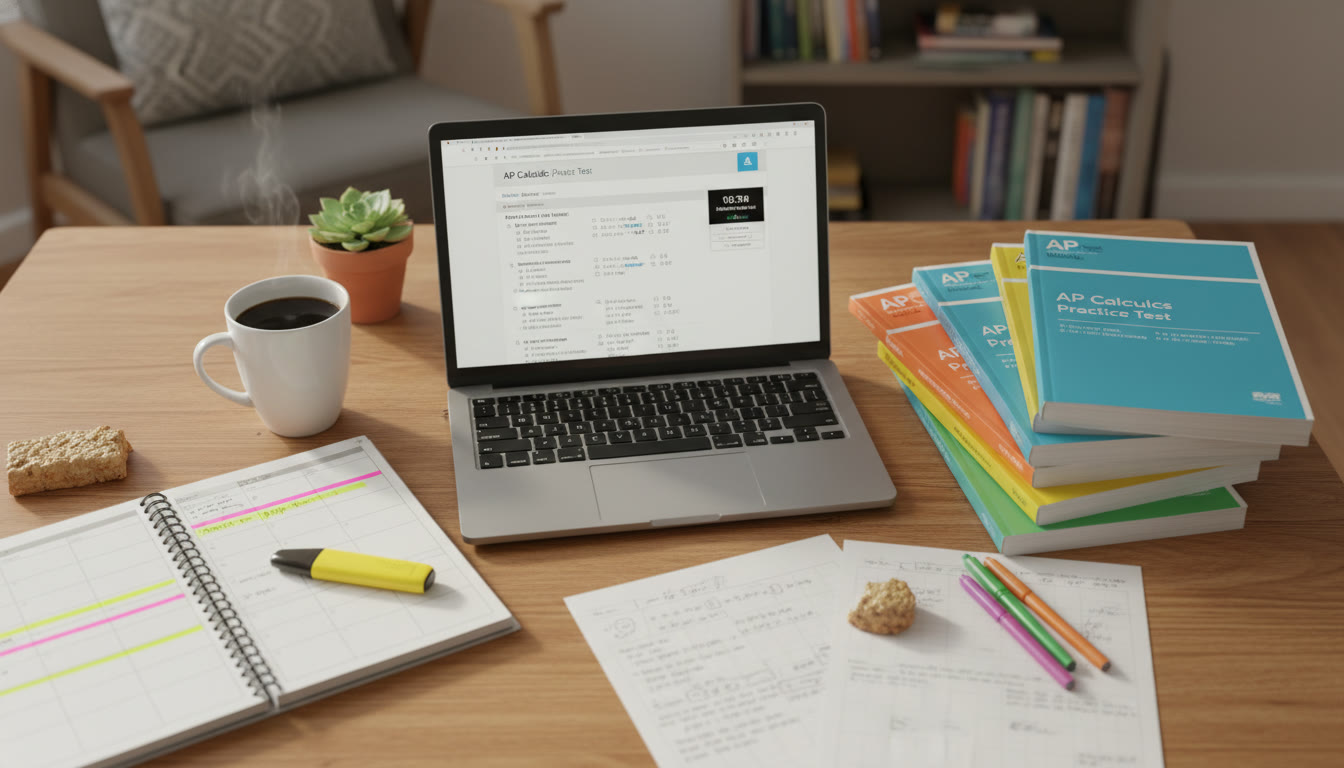
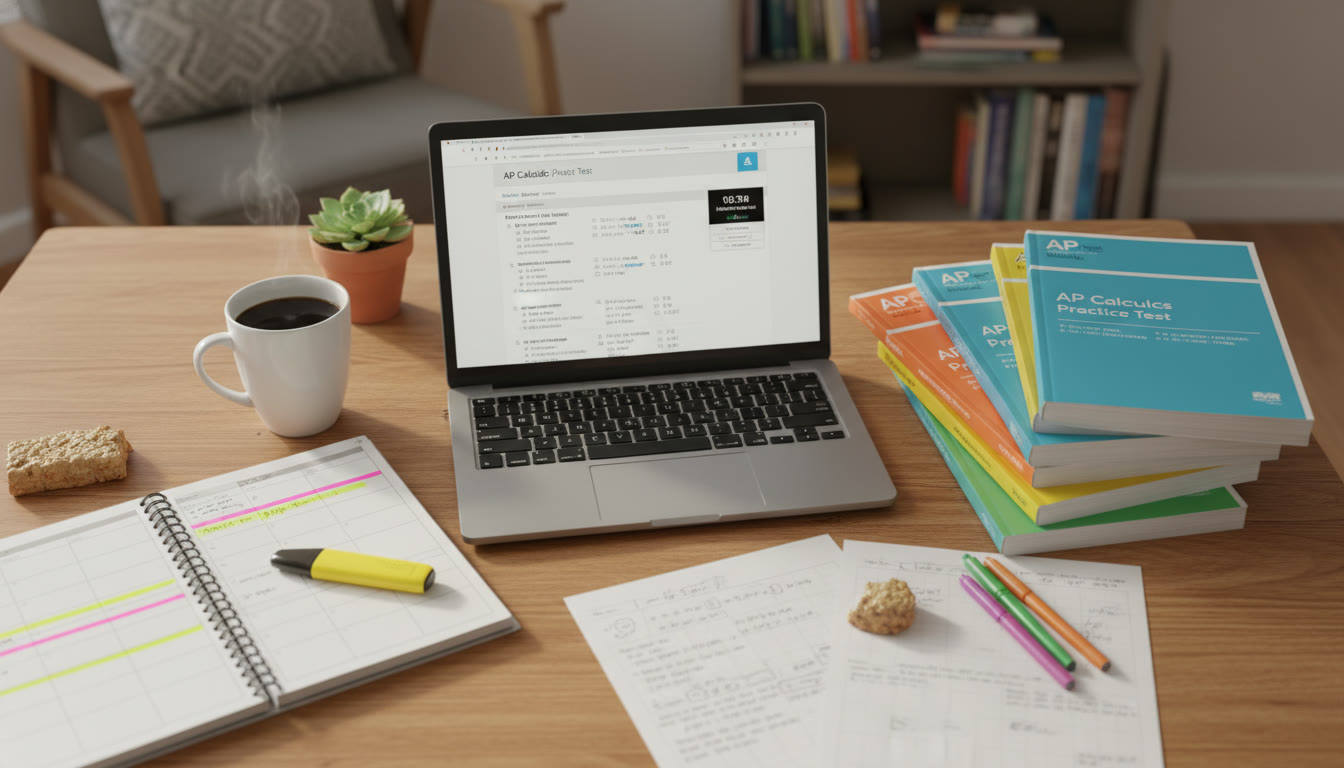
If you’ve watched your child spread textbooks, printouts, sticky notes and color-coded practice tests across the kitchen table, you know AP prep isn’t just mentally intensive—it’s material-intensive. As AP seasons approach, parents often face a surprising budget decision: invest in stacks of printed materials or lean into digital resources. Both routes have benefits and hidden costs. This article walks you through a practical, parent-friendly cost strategy that balances learning outcomes, convenience, sustainability, and yes—your wallet.
Big Picture: What “Cost” Really Means
When we say “cost,” most people first think of money spent on paper, ink, and subscriptions. But cost is broader. Consider:
- Direct monetary cost — printing fees, paper, replacement materials, subscription fees for apps or online question banks.
- Time cost — organizing, printing, or scrolling through a digital archive. Time is a resource parents and students both value highly.
- Learning cost — how well your child actually absorbs material with each format. Not everything that’s cheaper is more effective.
- Environmental and clutter costs — the paper footprint, storage, and the mental drag of excess materials.
We’ll treat each of these as real costs so your strategy is comprehensive, not just a spreadsheet exercise.
How Students Learn Differently With Print and Digital
Before you make a budget decision, let’s be clear: the format influences how the brain engages. Research from multiple education fields has consistently found meaningful differences, and your family’s preferences matter.
Why Print Helps Memory
Printed materials are tactile. Highlighting, annotating in the margin, and flipping between pages create physical landmarks in memory. For many students, especially those preparing for intensive AP exams, a printed practice test becomes a physical map of the exam experience.
Why Digital Helps Practice and Feedback
Digital platforms are superb for repetition, instant feedback, and adaptive practice. They can log weak areas automatically, recommend targeted practice, and save you hours of manual grading. For AP subjects that reward repeated exposure to question types—like AP Calculus AB, AP Biology, or AP U.S. History—digital tools are powerful.
Monetary Comparison: Typical Costs You’ll Face
To make the decisions concrete, here’s a straightforward scenario comparing typical expenses for a single AP course over a 4–6 month study window. These numbers are illustrative—your exact costs will vary by region, print provider, and subscription plans, but the comparison shows where money tends to go.
| Item | Printed Route (Single AP Course) | Digital Route (Single AP Course) |
|---|---|---|
| Practice Tests (5 full-length) | $15–$30 (printing at home or copy center) | $0–$40 (some platforms free; premium banks charge) |
| Study Guides / Workbooks | $20–$40 (paper copy) | $10–$30 (eBook or access) |
| Supplemental Printouts (handouts, notes) | $5–$25 (paper + ink) | $0 |
| Subscription Tools (adaptive platforms) | $0 | $30–$150 (for months of premium access) |
| Tutoring (optional) | $30–$80/hour depending on expertise and customization | |
| Estimated Total (mid-range) | $60–$120 | $40–$220 |
Interpretation: Printed routes often cost less upfront for basic materials, but digital tools can scale more efficiently if you invest in a high-quality subscription—especially when those platforms provide targeted practice that reduces wasted study time.
Hidden Costs and Opportunity Costs
Some costs don’t show on a receipt. Think about these:
- Replacement and update costs — printed materials can get outdated; reprinting adds expense.
- Time lost to ineffective study — a cheaper format that doesn’t help a student improve is in fact more costly when measured by lost improvement.
- Storage and organization — stacks of paper need sorting; disorganization can create stress that impacts performance.
These are where personalization and coaching (like Sparkl’s 1-on-1 guidance) can pay off: they reduce wasted time by identifying the precise content your child should focus on, whether that content lives in print or online.
Environmental and Emotional Costs
We can’t ignore the emotional and environmental impacts. A cluttered study space can be demotivating. Excess printing carries an environmental footprint that many families now weigh into their decisions.
If sustainability is a priority, consider targeted printing: only print full tests or materials that benefit most from a physical copy (for example, long reading passages younger students might annotate). Use recycled paper and duplex printing to cut both cost and footprint.
Hybrid Strategy: Best of Both Worlds
One size rarely fits all. For AP prep, a hybrid approach often gives the best return on investment—both in money and learning.
When to Choose Print
- Full-length timed practice tests to simulate exam conditions and reduce screen fatigue.
- Detailed note-taking and margin annotations for subjects with dense reading (AP Literature, AP Biology).
- For students who memorize better with physical interaction.
When to Choose Digital
- Adaptive practice and question banks for targeted drills (weakness-focused).
- Video lessons, interactive explanations, and quick progress tracking.
- When space or portability is a concern—e.g., studying on the bus or between school classes.
Practical, Step-by-Step Cost Strategy for Parents
Here’s a hands-on plan you can implement this week. It’s low-drama and designed for families juggling activities, homework and sleep.
1. Audit What You Already Have
Spend 30 minutes with your child and sort materials into: Must Print, Might Print, Don’t Print. Often 60–70% of printed handouts fall into the last category and never get used.
2. Decide the Core Printed Items
- 1–2 full-length practice tests (timed): print originals for realism.
- One clean set of formula sheets, high-frequency vocab lists, or annotated readings that your child likes to physically manipulate.
3. Subscribe Selectively
Choose one high-quality digital resource that offers adaptive practice and progress analytics for the subject. Short-term subscriptions (monthly rather than yearly) let you test effectiveness without committing for an entire school year.
4. Track the Real Cost
Keep a simple log: printing receipts, subscription invoices, and hours saved or lost. You’ll be surprised how quickly you can quantify whether a subscription is paying its way in improved scores or saved study time.
5. Include Personalized Support
If your child is stuck repeatedly on the same question types, 1-on-1 tutoring can shorten that cycle dramatically. Sparkl’s personalized tutoring, for example, offers tailored study plans and expert tutors who can translate digital analytics into targeted paper-and-pencil practice—so every dollar spent focuses on real progress.
Examples: Real-World Scenarios
Let’s look at two realistic family profiles and the strategy that fits their needs.
Family A: The Tight Budget, High Motivation
Teen prepares for AP Calculus and AP U.S. History. Family prefers a home-printed approach to save cash. Strategy:
- Print 2 timed practice tests per subject at start and near the exam date.
- Use free digital banks for targeted questions and concept review.
- Invest two tutoring sessions per month for one-on-one problem solving when the student stalls.
Outcome: Low out-of-pocket cost, high structure, and targeted tutor time makes study efficient.
Family B: Busy Schedule, Wants Efficiency
Student plays sports and has limited study time. Family can budget for digital tools. Strategy:
- Subscribe to a quality adaptive platform for targeted daily practice during short windows.
- Print only full-length tests to simulate exam conditions on weekends.
- Use personalized tutoring sessions focused on interpreting analytics and practicing exam strategy.
Outcome: Fewer hours required for higher-quality practice. The digital platform and tutoring combination reduces wasted effort.
How to Maximize the Learning Value of Every Dollar
Cost-efficiency isn’t only about finding the cheapest option. It’s about making sure every dollar moves the student forward.
- Prioritize spaced repetition and targeted practice—these are high-return investments.
- Use print for simulation and digital for diagnostics. The print simulates the feel of the AP test; the digital diagnoses weaknesses quickly.
- Consider micro-investments like a single expert session to fix a recurring error pattern instead of buying large bundles of unstructured material.
Personalized tutoring adds a multiplier effect here. A single tutor-guided hour that clarifies a common mistake can save dozens of hours of ineffective practice—and that’s real dollar value.

Checklist: Questions to Ask Before You Buy or Print
- Will this material reduce time-to-improvement or simply increase busywork?
- Is this a one-time need (e.g., a practice test) or an ongoing resource?
- Can digital analytics replace repetitive printing by focusing study on trouble areas?
- Does the student learn better with screens or paper for this subject?
- Will a short tutoring series accelerate progress enough to offset the cost?
Smart Printing Tips to Lower Costs
- Print double-sided and in grayscale when color is not essential.
- Batch print: compile multiple pages to reduce trips to the copy shop.
- Use school or public library resources when available for low-cost printing.
- Scan and archive printed annotations—keep the value of the paper work but limit reprints.
When to Stop Printing: Signs You’re Wasting Money
If you notice these signs, it’s time to pause and reassess:
- Printed pages pile up untouched in a folder.
- Your student prefers to study on-the-go using a tablet or phone and never uses the prints.
- Progress plateaus despite high volume of printed practice (volume without strategy).
Final Thoughts: A Pragmatic, Student-Centered Approach
At heart, the printing vs digital question isn’t a contest; it’s a design problem. Your goal as a parent is to design a study ecosystem that matches your child’s learning style, schedule, and goals, and then be willing to iterate. Start with a modest hybrid approach, measure how study time translates into improvement, and pivot based on results—not assumptions.
And remember: targeted, personalized human support can transform how effectively materials are used. When your family needs focused guidance—turning analytics into a practical practice plan or translating a weak set of test scores into precise study actions—Sparkl’s personalized tutoring and tailored study plans can fit naturally into that system, offering 1-on-1 guidance from expert tutors and AI-driven insights to make every hour count.
Quick Planning Template for Parents
| Step | Action | Target Outcome |
|---|---|---|
| Audit | Sort existing materials into Keep, Maybe, Toss | Reduce clutter and avoid duplicate purchases |
| Decide Core Mix | Choose 1–2 printed sims + one digital subscription | Keep print for exam feel; use digital for targeted practice |
| Measure | Log time spent, money spent, and score gains | Determine ROI of each material |
| Adjust | Drop or add tools based on ROI | Optimize spending and study time |
Parting Advice: Be Flexible, Track Results, and Put Learning First
Choosing between printing and digital isn’t binary. It’s an ongoing set of choices you’ll make while helping your child prepare for some of the most important tests of their high school life. Focus on strategies that reduce wasted time and increase clarity. Use print where physical interaction benefits learning; use digital where diagnostic power and convenience matter. Combine both intelligently, track the impact, and bring in targeted human support when progress stalls.
With a thoughtful material cost strategy—and occasional expert guidance when needed—you’ll maximize both learning and value. Your child will be prepared, focused, and less stressed. And you’ll have proof that each dollar was well spent.
Need help turning analytics into an action plan?
If you’d like a simple way to translate practice results into a focused study plan, consider a short series of personalized tutoring sessions. A few targeted hours can often replace weeks of unguided practice and make the most of both printed and digital resources.
Good luck—your thoughtful planning makes a bigger difference than you might think. Keep the lines of communication open with your student, revisit the plan often, and celebrate small wins along the way.




























No Comments
Leave a comment Cancel