
Back-to-Back Exam Weeks: A Recovery Strategy for AP Students and Their Parents
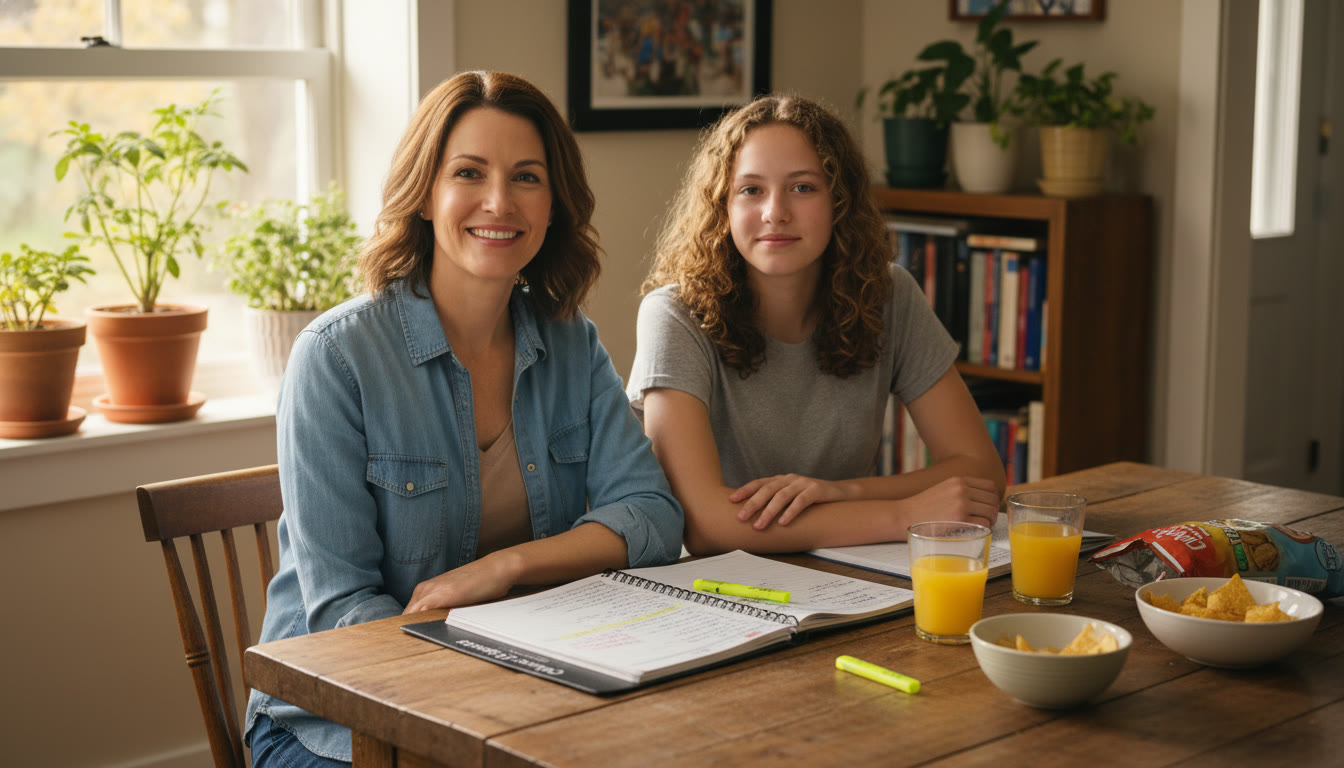
Two words no parent (or student) wants to hear in the spring: back-to-back. When Advanced Placement (AP) exams land in quick succession, the pressure multiplies — not just academically but physically and emotionally. If your child has two or more AP exams in a short window, you can be the steady hand that turns exhaustion into resilience. This guide is written for parents who want practical, human, and research-informed recovery strategies. It’s not a rigid checklist — think of it as a toolkit you can adapt to your child’s personality, schedule, and needs.
Why recovery matters (and what recovery really means)
Most students focus on study hacks and exam techniques — which are important — but underestimate recovery. Recovery is the deliberate set of actions that restore mental clarity, physical energy, and emotional balance between tests. It’s not just “taking a break.” Good recovery helps consolidate memory, reduces anxiety, and improves performance on the next exam. Think of each exam as an athletic event: you train, you perform, you recover — then you show up again stronger.
Take a short inventory: how to evaluate your child’s current state
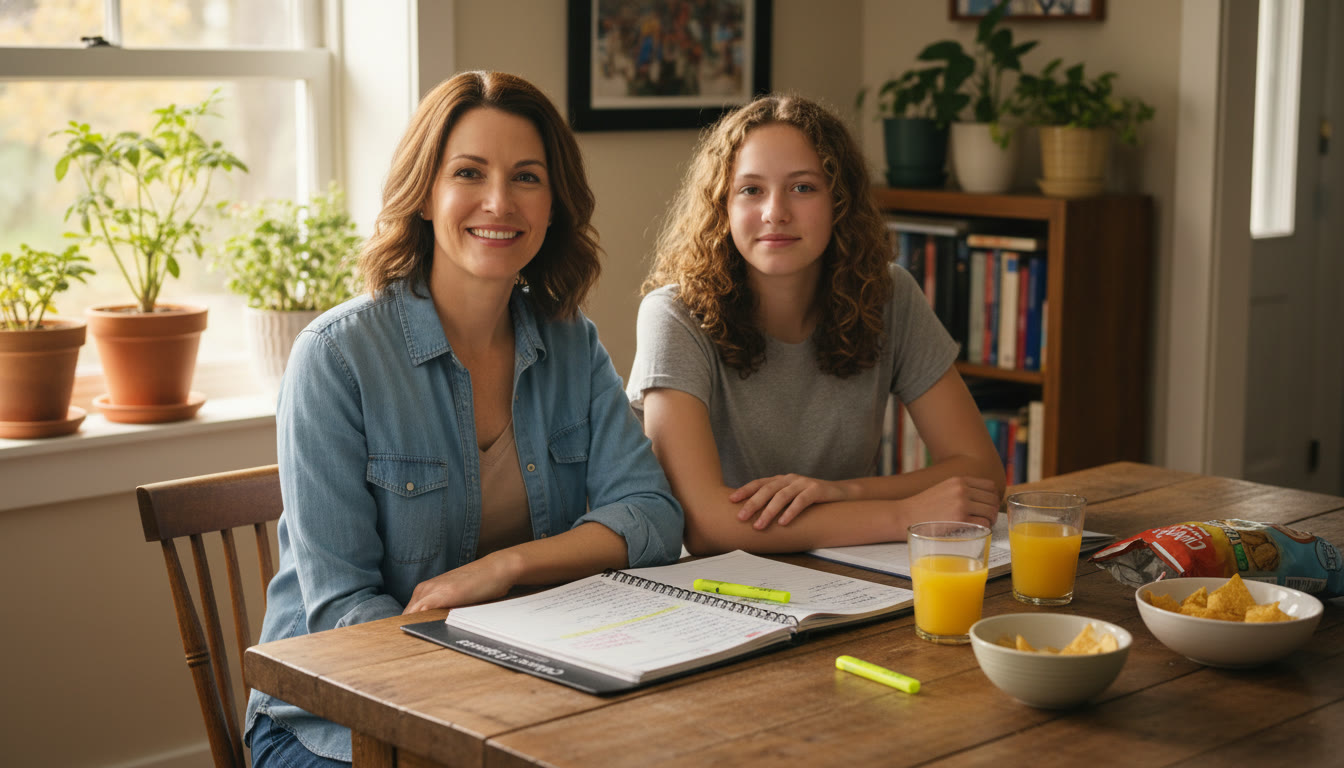
Before you set a plan, get a quick, compassionate read on where your child is. Keep it brief and low-pressure — 5–10 minutes. Ask three calm questions and listen:
- How tired do you feel on a scale of 1–10?
- What’s one thing that would make tomorrow easier?
- What’s one study thing you feel confident about right now?
This gives you both practical data and emotional cues. If your child reports high fatigue and low confidence, prioritize rest and micro-recovery. If they feel alert but anxious, focus on targeted review and short practice sets.
Practical recovery plan: the 72-hour reset
The 72-hour reset is a flexible framework parents can adapt. It focuses on sleep, nutrition, movement, mental rest, and targeted study. You don’t need to rigidly follow all steps — mix and match based on timing and how the student feels.
Hour-by-hour (first 24 hours after an exam)
- 0–2 hours after exam: Cool-down and come-down. Encourage a gentle transition: a light snack, short walk, and a no-pressure conversation about one thing that went well. Avoid deep analysis unless your child wants to talk.
- 2–6 hours after exam: Active recovery. Hydration, protein-rich snack, 20–30 minutes of light movement (jog, bike, yoga). Light stretching and breathing exercises reset nervous system tension.
- 6–12 hours after exam: Wind down. A balanced dinner, low-stim activities (board game, TV show, reading), and a technology curfew at least 60 minutes before bedtime to protect sleep quality.
- 12+ hours: Prioritize sleep. Aim for a full night’s rest (8–9+ hours if possible). If the student is wired, use relaxation strategies like a guided sleep meditation (5–10 minutes) or progressive muscle relaxation.
Day 2: Targeted refresh and micro-study
After a good night’s sleep, focus on a short, high-impact review session rather than marathon studying. Micro-study sessions (25–45 minutes) with a single, specific goal beat unfocused hours.
- Morning: 25–40 minute targeted review — focus on one concept that commonly appears on the exam or one type of problem the student finds tricky.
- Midday: Movement and a protein-rich lunch. If possible, a 20-minute power nap or quiet rest can be restorative.
- Afternoon: Short mixed-practice set or a single timed practice section (20–30 minutes) to keep test stamina sharp.
- Evening: Unstructured downtime and mindful preparation for the next exam (pack bag, confirm logistics, set alarm).
Day 3: Gentle ramp-up and psychological prep
Use this day to build confidence. Revisit a few problems the student solved correctly in practice to reinforce competence. Psychological readiness matters: confidence lowers cognitive load and supports recall.
- Morning: Quick warm-up with 10–15 minutes of flashcards or formula review.
- Afternoon: Walk-through of the exam day logistics (arrival time, what to bring, lunch plan). This reduces last-minute stress and prevents preventable mistakes.
- Night before exam: Early bedtime, relaxing routine, and a short positive visualization (imagining calmly answering questions and leaving the room relieved).
Nutrition, sleep, and movement: small actions with big returns
These three are the pillars. Even minor upgrades make measurable differences in alertness and focus.
Nutrition
Prioritize steady energy over large meals. Aim for balanced plates with complex carbohydrates, lean protein, healthy fats, and colorful fruits or vegetables.
- Breakfast ideas: Greek yogurt with fruit and granola, eggs and whole-grain toast, oatmeal with nuts and berries.
- Smart snacks: Almonds, banana with peanut butter, hummus and carrots, whole-grain crackers with cheese.
- Pre-exam meal: A light, familiar meal 2–3 hours before the exam. Avoid heavy fatty foods that can cause sluggishness and unfamiliar foods that could upset the stomach.
Sleep hygiene
Quality sleep is non-negotiable. Encourage a consistent bedtime in the days around exams, dim lighting in the evening, and a 60-minute tech-free window before sleep.
- Wind-down routine: shower, low-light reading, breathing exercises.
- If anxious at night: journaling for 5–10 minutes to offload racing thoughts.
Movement and breathwork
Short movement breaks actually sharpen attention. Even a 10–20 minute brisk walk increases blood flow and reduces stress hormones.
- Breathing exercise: 4-4-6 (inhale 4s, hold 4s, exhale 6s) for 3–5 rounds before studying or sleep.
- Active breaks: 5 minutes of jumping jacks or a quick stretch every 60–90 minutes while studying.
Study strategy between exams: quality over quantity
When exams are stacked, more hours doesn’t always equal better results. Instead, concentrate on high-leverage activities that boost confidence and recall.
Prioritize topics by impact
Help your child list the major units for the upcoming exam, then rank them by two factors: likelihood on the exam and the student’s current mastery. Focus on high-likelihood, low-mastery topics first.
Active recall and spaced practice
Active recall (testing yourself) and spaced practice beat passive re-reading. Short practice quizzes, flashcards, and brief timed sections are more effective than an all-night review.
Example study micro-schedule
| Time | Activity | Goal |
|---|---|---|
| 08:30–09:00 | Flashcards on key terms | Activate recall |
| 10:00–10:30 | Timed practice passage or problem set | Improve pacing |
| 13:00–13:30 | Review incorrect practice items | Close knowledge gaps |
| 16:00–16:20 | Light review and breathing | Reduce anxiety and consolidate |
Emotional recovery and stress management
Emotional recovery is often overlooked. Emotional fatigue can cloud judgment and memory retrieval. Simple interventions restore calm fast.
Normalize the feelings
Let your child know it’s normal to feel drained or anxious after an exam. A short empathetic phrase — “That was intense; you did hard work today” — helps reduce shame and isolation.
Micro-rituals to reset
- Transition ritual: a quick shower or change of clothes after an exam to signal a reset.
- Mini-rewards: a favorite snack, 30 minutes of a comfort show, or a short hangout with a friend for mood repair.
- Gratitude check: name one small win from the day to foster positive focus.
Logistics and practicalities — reduce friction so the student can focus
Stress spikes when logistics are messy. A few practical moves reduce cognitive load and prevent avoidable stress.
- Confirm: exam start time, location, required ID or permitted materials, and transportation plan the night before.
- Pack: water bottle, snacks, layered clothing, watch (if allowed), pencils, calculator with fresh batteries, and any required documentation.
- Establish a quiet study/rest space at home with minimal distractions for quick, focused sessions.
When to seek extra help — early detection and intervention
Sometimes recovery needs a boost. If your child shows sustained exhaustion, falling grades, or panic attacks, consider more structured support. Short-term targeted tutoring can be an efficient way to shore up weak areas while preserving time for recovery.
How personalized tutoring helps (without overselling)
A tailored approach can be a game changer during back-to-back weeks. Sparkl’s personalized tutoring, for example, offers 1-on-1 guidance, tailored study plans, and expert tutors who can zero in on the most important topics — saving time and reducing stress. When each minute counts, personalized help turns scattered review into focused, confidence-building practice. Combine that with small recovery routines and you’ve got a powerful strategy.
Sample two-exam week plan
Here’s a practical example to illustrate how to combine the recovery and study elements when exams occur three days apart.
| Day | Morning | Afternoon | Evening |
|---|---|---|---|
| Exam A Day | Light breakfast, arrive early | Post-exam walk, protein snack | Relaxed evening, early bedtime |
| Day +1 (Recovery) | Sleep in, gentle movement | 25–40 min targeted review for Exam B | Mindful activity, pack bag for Exam B |
| Day +2 (Sharpen) | 10–15 min flashcards | Timed practice set (20–30 min) | Wind down early, visualization |
| Exam B Day | Balanced meal, arrive calm | Post-exam recovery | Celebrate completion and rest |
Common pitfalls and how to avoid them
- All-night cramming: Leads to poor consolidation and fatigue. Replace with targeted micro-sessions and sleep.
- Over-scheduling social obligations: Social time is restorative, but keep it low-key and short between exams.
- Neglecting snacks and hydration: Ignoring basic needs undermines cognition.
- Doing everything alone: A brief check-in with a tutor or parent can save hours of ineffective study.
Small gestures that make a big difference
Often what matters most is not elaborate plans but consistency and empathy. Here are small, tangible ways parents can help that cost little and often mean a lot.
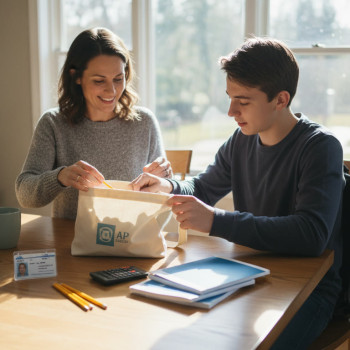
- Prepare a “test day” kit: snacks, water, backup pencils, check-list.
- Offer to handle logistics (rides, meals) so the student can conserve decision energy.
- Leave a short encouraging note in their bag — one sentence of genuine confidence.
- Celebrate the effort when exams end: a favorite meal, a movie night, or an afternoon out.

Final thoughts: your role as a parent in back-to-back weeks
As a parent you are both a planner and an emotional anchor. Your calm presence, logistical support, and small, thoughtful interventions help your child convert stress into productive energy. Recovery strategies — sleep, nutrition, movement, micro-study, and emotional support — are what differentiate students who merely survive back-to-back exams from those who perform close to their potential.
Remember: a single exam result is not the whole story. The skills your child builds in managing stress, planning recovery, and asking for help will serve them long after AP season. If extra help makes sense, targeted 1-on-1 tutoring and tailored study plans (including quick-turnaround sessions focused on known gaps) can be a smart, efficient investment.
Be kind to yourselves as parents too. Your steadiness matters more than any perfect schedule. Breathe, prioritize, and take it one exam at a time — your child is learning more than content; they’re learning how to navigate pressure with resilience.
Quick checklist for exam mornings
- Pack test kit, snacks, water
- Confirm arrival time and route
- Eat a balanced meal 2–3 hours before test
- Do a 3–5 minute breathing routine before entering the exam
- Plan a gentle post-exam recovery
Wishing you and your student calm, clarity, and the steady energy to get through back-to-back exam weeks. You’ve got this — and so do they.




























No Comments
Leave a comment Cancel