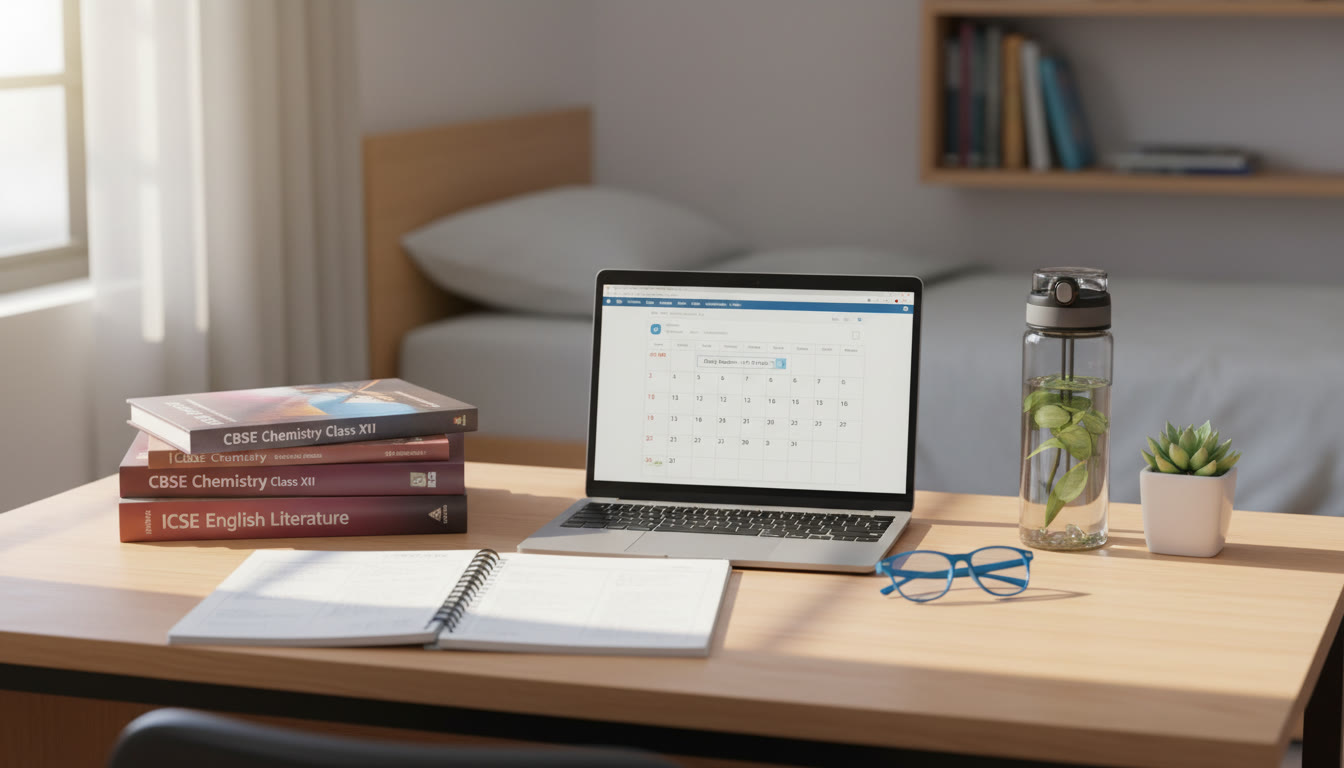

Why a Weekly Time Budget Matters (And Why You Can Do This)
When you’re juggling CBSE or ICSE classes alongside AP (College Board) courses, the days can feel like a tightrope walk: deadlines on one side, exam prep on the other. The secret isn’t working harder every hour — it’s budgeting your time the way you budget pocket money: intentionally, flexibly, and with room for treats. A weekly time budget gives you structure without suffocating creativity, and helps prevent the slow-burning stress that turns high-achieving students into exhausted ones.
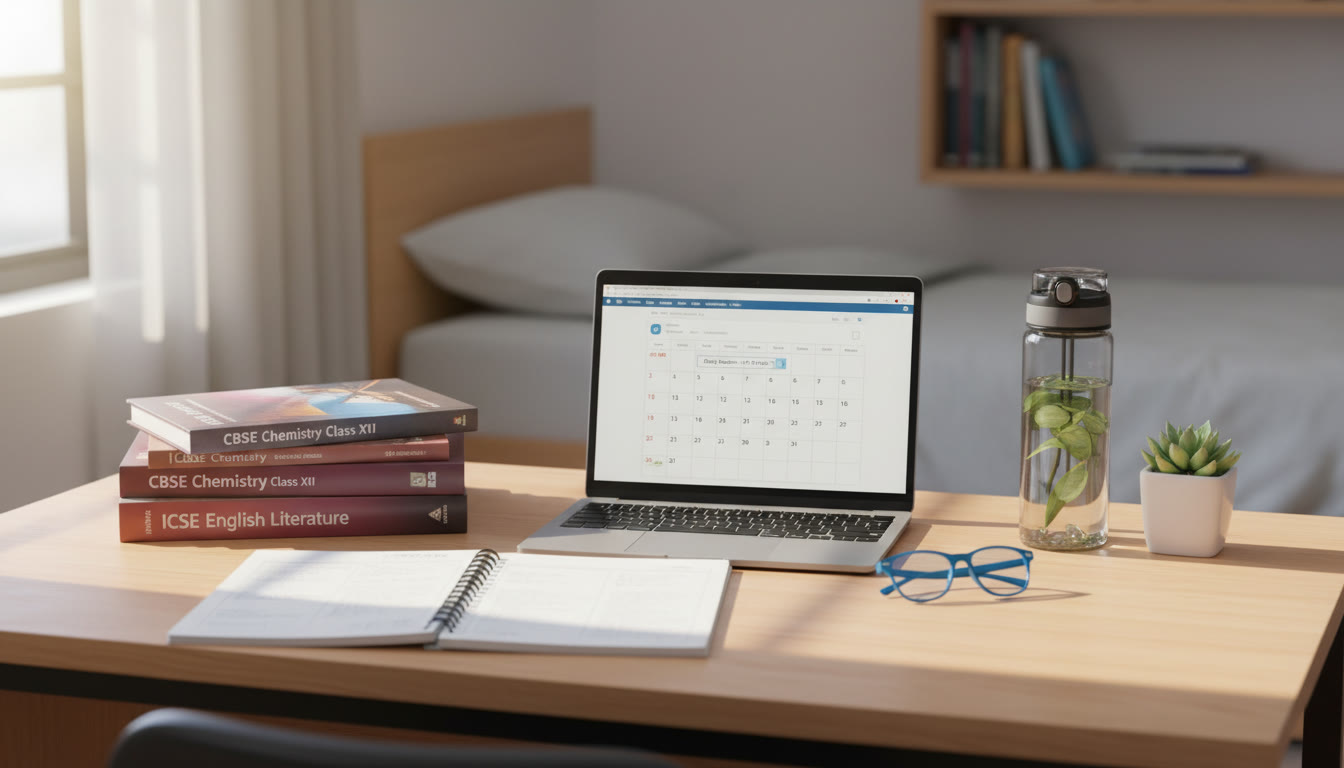
What This Guide Will Give You
- Clear reasoning behind splitting weekly hours between school and AP prep.
- A practical, adaptable weekly schedule you can personalize.
- Recovery and resilience practices so study doesn’t become burnout.
- Examples, a sample time-budget table, and tips for parents and students.
- How to layer in personalized supports — for example, Sparkl’s 1-on-1 guidance and tailored study plans — without losing independence.
Principles Before You Plan
Before filling in blocks on a calendar, let’s set five guiding principles. These keep your weekly budget realistic and sustainable.
1. Prioritize School Obligations First
CBSE/ICSE classes, homework, projects, and periodic tests are non-negotiable. Missing foundational school work will create gaps that make AP concepts harder later. Budget those first, then assign remaining hours to AP prep.
2. Use “Focused Microblocks” for Deep Learning
Rather than marathon sessions, use focused 25–50 minute blocks (Pomodoro-style) followed by short breaks. These microblocks are scientifically friendly to attention and help you study more effectively in less time.
3. Split AP Time by Skill, Not Just Subject
AP success depends on content knowledge, exam skills (MCQ strategy, free-response writing), and timed practice. Your weekly budget should include content review, problem practice, and timed simulations.
4. Protect Recovery (Sleep, Downtime, Movement)
Recovery isn’t optional. Two nights of poor sleep erase gains from long study hours. Schedule sleep, exercise, and social time into your plan — treat them like study slots.
5. Iterate Weekly — Not Once Forever
A study budget is a living tool. Review each week: what worked, what didn’t, and adjust. If you’re consistently short on time, reduce commitments or seek targeted help (tutoring, study groups, or a weekly checklist from a mentor).
How to Build Your Weekly Time Budget (Step-by-Step)
Step 1 — How Many Hours Do You Actually Have?
Start by writing down non-negotiable time each day: school hours, commute, meals, sleep (aim for 8 hours if possible), family time, and fixed activities. Subtract that from 168 (total hours in a week). The remainder is your usable study and leisure time. Be conservative — don’t promise every hour to productive work.
Step 2 — Allocate to Essentials
Think in three tiers:
- Tier A — School Essentials: Daily homework, class revision, lab work.
- Tier B — AP Prep: Subject review, practice tests, exam strategy.
- Tier C — Life & Recovery: Sleep, exercise, friends, hobbies.
Good starting split: Tier A 45–55%, Tier B 25–35%, Tier C 20–25% of your discretionary time. Adjust for exam season: ramp Tier B in the 8–12 weeks before exams, then back off after.
Step 3 — Make a Weekly Template
Create a repeatable schedule: morning, afternoon, evening blocks across each weekday and the weekend. Keep weekday blocks shorter and weekend blocks longer. Here’s a sample to adapt.
| Day | Morning (Before School) | Afternoon (After School) | Evening | Weekend |
|---|---|---|---|---|
| Monday–Friday | 20–40 min light review or flashcards | 60–90 min school homework + 30 min AP focused microblock | 45–90 min AP practice (alternate content days and practice tests) + winddown | Saturday: 3–5 hours total — deep AP study block, full-length practice test (alternate). Sunday: 2–3 hours — review, light catch-up, family time. |
| Friday | — | Finish weekly assignments | Relaxing activities or go out with family/friends |
Sample Weekly Time Budget (Concrete Example)
Let’s assume a typical high school student with 30 hours per week available for study (outside school and sleep). Here’s a realistic split that balances CBSE/ICSE work with two APs (say AP Calculus AB and AP Chemistry):
| Category | Hours Per Week | Notes |
|---|---|---|
| CBSE/ICSE Homework & Class Review | 12 | Daily short reviews and weekly assignment deep-dive. |
| AP Calculus AB (Content + Practice) | 6 | 3 short weekday microblocks + 1 longer weekend problem set. |
| AP Chemistry (Lab Writing + Problems) | 6 | Content review, reaction practice, one experiment write-up on weekend. |
| Timed Practice Tests / Exam Skills | 3 | One partial practice test and one timed FRQ session on alternate weeks. |
| Recovery & Extracurriculars | 3 | Sleep hygiene, 30–60 min exercise 4x/week, hobbies. |
This adds up to 30 hours. If your usable weekly study time is more or less, scale each block proportionally. The structure keeps school work steady while reserving consistent, smaller doses of AP-focused work every day — the most sustainable recipe for learning without overwhelm.
Weekly Routines That Reduce Decision Fatigue
Decision fatigue is real. Repeating simple routines reduces the mental energy spent wondering what to study next.
Daily Start-Up Ritual (10–15 Minutes)
- Review today’s top 3 academic priorities (one CBSE/ICSE task, one AP task, one personal task).
- Set a timer for your first microblock and prepare a water bottle or snack.
Weekly Planning Session (Sunday Evening, 30 Minutes)
- Check upcoming school deadlines and AP practice test dates.
- Block time in your calendar for the next week, including recovery slots.
- Adjust the sample plan based on what’s due or how you performed last week.
Active Study Techniques — What to Do in Those Blocks
Blocks without a plan are wasted. Here’s a reliable rotation to keep your blocks productive and varied.
- Content Review: 25–40 minutes of targeted notes, concept maps, or re-teaching a topic out loud.
- Practice Problems: 30–50 minutes focused on solving problems (AP-style or textbook), with immediate review of mistakes.
- Timed Section Practice: 35–60 minutes of MCQ or FRQ with strict timing to build stamina.
- Reflection: 10 minutes logging what went well and what to change next session.
How Parents Can Help — Without Taking Over
Parents play an enormous role simply by being a steady presence. Here are practical ways to support:
- Help prioritize sleep and meals. Recovery fuels everything.
- Encourage a weekly planning ritual together for 10–15 minutes.
- Provide quiet study space and minimize interruptions during focus blocks.
- Discuss the student’s goals for AP exams and celebrate small wins.
When to Bring in Extra Support
If a subject consistently eats too many hours with little progress, it’s a sign to change strategy. Targeted tutoring (for example, Sparkl’s personalized tutoring) can offer 1-on-1 guidance, tailored study plans, and expert feedback to correct misconceptions quickly. Short, focused tutoring sessions — aligned to your weekly budget — often produce more progress than many extra solo hours.
Signs Tutoring Will Help
- Repeated low scores on the same type of question despite practice.
- Confusion about foundational concepts that block progress.
- Struggling with time management on timed sections.
Recovery Strategies to Prevent Burnout
Burnout is gradual and sneaks up. With a flexible weekly budget, you can spot early warning signs and reset. Here’s what to include:
- Sleep Rituals: Wind down 30–60 minutes before bed. Avoid heavy screens and eat light in the evening.
- Active Breaks: Short walks, stretching, or 10 minutes of mindful breathing during study breaks.
- Social Time: Protect a weekly evening for friends or family — it’s part of your study budget, not a reward afterwards.
- Micro-Vacations: If stress spikes, take a full day off studying (planned) to reset focus.
Examples of Adjustments by Timeline
The right balance shifts depending on how close you are to exams.
12+ Weeks Out (Foundation Phase)
- Prioritize mastering core concepts and building a consistent routine.
- Weekly full-length practice tests optional — focus on topic blocks.
8–4 Weeks Out (Skill Phase)
- Increase timed practice, prioritize weak topics, and simulate test conditions.
- Consider targeted tutoring sessions to shore up final weaknesses.
2–0 Weeks Out (Taper and Polish)
- Reduce raw hours but maintain intensity — focus on strategy, timing, and confidence-building.
- Protect sleep and avoid learning entirely new topics the week before the exam.
Sample Two-Week Sprint: How to Increase AP Hours Without Crashing
When exams are near, you may need a short-term increase in AP time. Here’s a sustainable two-week ramp:
- Week 1: Add 3–4 hours across the week via two extra 60–90 minute weekend blocks and one extra weekday microblock. Keep recovery unchanged.
- Week 2: Maintain added hours if practice test performance improves. If fatigue accumulates, reduce to one extra block and prioritize high-impact practice (timed FRQs or weakest topics).
- After Exam: Schedule a recovery week with minimal academic work to restore motivation.
Tracking Progress — Simple Tools That Work
You don’t need complex apps. Use a one-page weekly tracker with these columns: Date, Planned Blocks, Completed Blocks, Topics Covered, Score/Outcome, Energy Level (1–5). Review on Sundays and iterate. If you prefer technology, calendar blocking plus a quick notes app works beautifully.
Common Pitfalls and How to Avoid Them
Pitfall: “All or Nothing” Study Days
Some students cram for five straight hours and then do nothing the next day. Instead, distribute study time across the week. Short, consistent exposure beats intermittent marathons for long-term retention.
Pitfall: Ignoring Mistakes
Doing problems without analyzing errors is wasted time. Use a “mistake log” to capture the concept, the error type, and the correction. Revisit this weekly.
Pitfall: Never Adjusting the Plan
If something isn’t working — change it. A plan that’s rigid becomes a source of stress rather than a tool for control.
Real Student Example — How Riya Balanced Everything
Riya, a Grade 12 student in an ICSE school, was taking AP Psychology and AP Calculus. She had daily schoolwork that averaged 10–12 hours a week and 25 usable study hours. By shifting to microblocks, protecting 8 hours of sleep, and scheduling two weekly Sparkl tutoring sessions for targeted calculus clarification, she: reduced total solo study by 20%, increased accuracy on practice FRQs, and felt less anxious before tests. The tutoring sessions gave her short-term frameworks to approach problems, and her weekly planner ensured she didn’t skip recovery.
Final Checklist — Your Weekly Time Budget Starter Pack
- Calculate usable weekly hours after sleep and obligations.
- Allocate Tier A (school), Tier B (AP), Tier C (recovery) time.
- Create weekday microblocks and longer weekend deep blocks.
- Include timed practice and a weekly reflection session.
- Track progress and iterate every Sunday.
- Bring in targeted 1-on-1 support if you hit repeated roadblocks.
Closing Thoughts: Consistency > Intensity
AP courses and CBSE/ICSE school demands can coexist without burnout if you plan intentionally. The weekly time budget is not a straightjacket — it’s scaffolding that helps you practice better, rest smarter, and keep sight of the big picture: learning, not just scores. If you ever feel stuck or need a tailored approach, consider short bursts of personalized help — for example, Sparkl’s one-on-one tutoring and tailored study plans — to help convert hours into measurable progress.

Remember: this is your syllabus to a healthier study life. Keep it honest, keep it flexible, and keep adjusting. The best routine is the one you can follow for weeks, not the one you can’t sustain for one weekend.
Wishing you steady progress, clear mornings, and exam-day confidence.























No Comments
Leave a comment Cancel