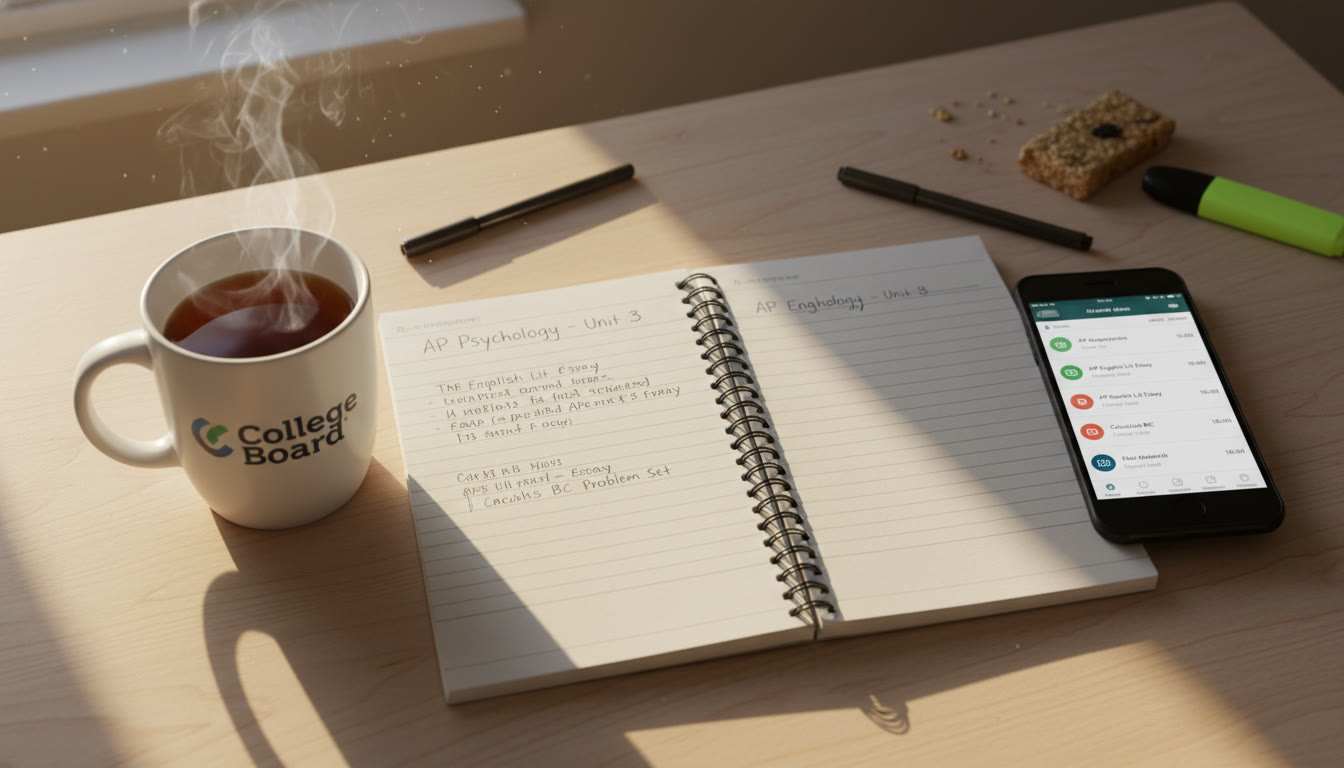

Why Warm-Ups and Cool-Downs Matter for AP Success
Studying for Advanced Placement (AP) exams isn’t just about how many hours you log — it’s about how you start and end each session. Just like athletes prime their bodies before competition and recover after exertion, your brain responds to rituals that prepare it for focused effort and help it consolidate learning afterward. These small rituals — the warm-ups and cool-downs — are the secret plumbing behind sustainable, efficient AP prep.
This article walks you through simple, practical, and research-friendly warm-up and cool-down practices you can weave into daily study sessions, practice exams, and the final weeks leading up to test day. Whether you’re aiming for a 4 or 5, or trying to convert a 3 to a 4, shaping your study sessions with intent will make every minute count.
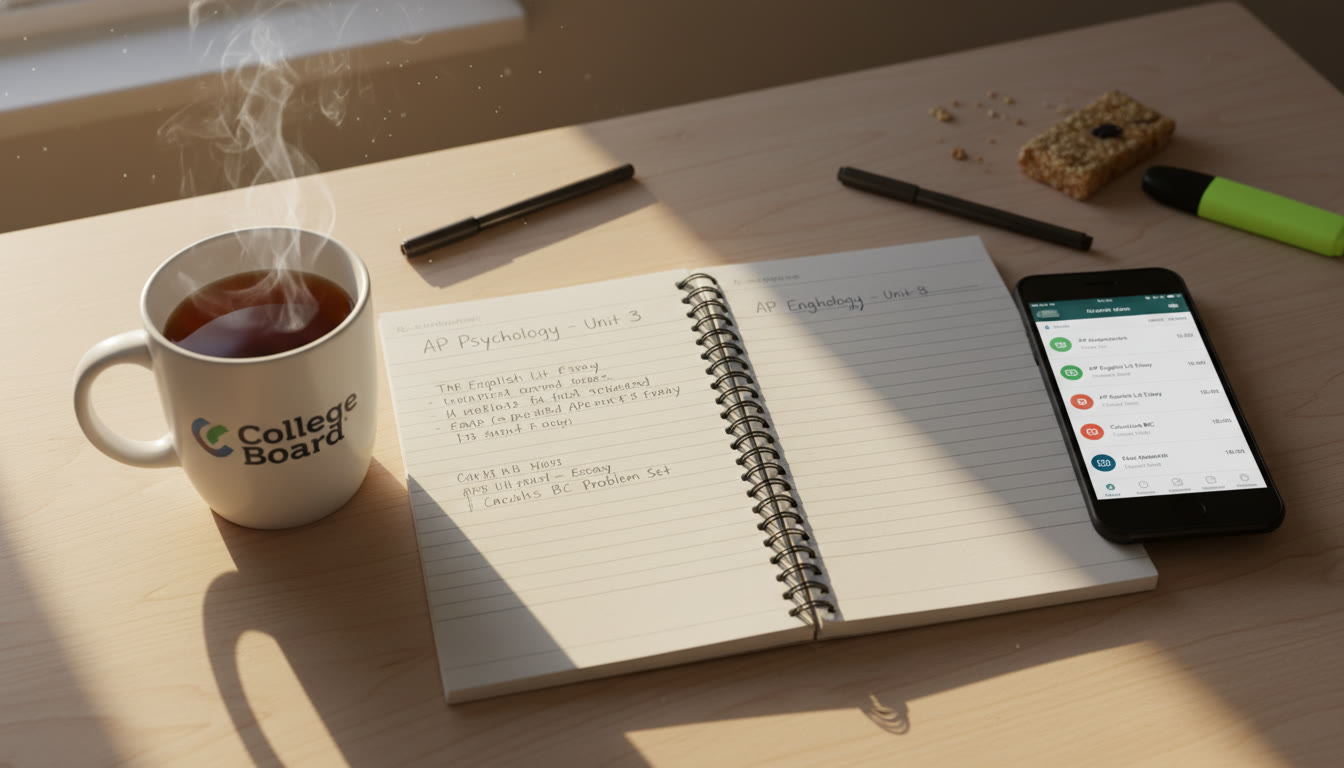
What a Good Warm-Up Does
Warm-ups are about switching your brain from background noise to task mode. They are short, reliable actions that cue attention, activate relevant knowledge networks, and build confidence. A good warm-up accomplishes three things:
- Activates prior knowledge (primes relevant schemas).
- Improves focus quickly (reduces mind-wandering).
- Sets a clear goal for the session (direction and purpose).
Core Warm-Up Routine (5–12 minutes)
Try this compact sequence at the start of every study block (25–90 minutes):
- 1–2 minutes: Anchor breathing. Sit upright. Inhale for 4 seconds, hold 2, exhale 6. Repeat twice. This lowers physiological arousal and helps you transition from school or social mode into study mode.
- 2–3 minutes: Micro-review. Skim flashcards, a summary sheet, or your last session’s notes. The goal is a quick retrieval attempt of 3–5 key facts or formulas related to what you’re about to study.
- 1–3 minutes: Clear goal setting. Write a single, specific goal: “Complete two FRQs on Photosynthesis with timed pacing” or “Finish practice set 6 and check solutions.” Keep it visible during the session.
- Optional 1–2 minutes: Warm-up problem. Do a single, low-stakes problem that touches the core skill you’ll practice. For AP Calculus, sketch a derivative problem; for APUSH, write a 2-sentence thesis for a practice DBQ prompt.
Why Short Works Better Than Long
Long, unfocused warm-ups eat into productive time and can create procrastination. Short, intentional rituals are easier to maintain daily, and they set a consistent cue-response habit: warm-up → focus. Over weeks, this small cue reduces the friction of starting study sessions.
What a Good Cool-Down Does
Cool-downs help your brain move from intense focus to consolidation mode. They reduce stress, close the loop on what you practiced, and set the stage for durable memory formation. A good cool-down embeds the learning and prepares you for the next session.
Core Cool-Down Routine (5–15 minutes)
Finish every study block with a short ritual that includes reflection, quick recall, and planning:
- 2–4 minutes: Immediate recall. Close your notes and write three things you remember without looking. This retrieval strengthens memory far better than re-reading.
- 2–4 minutes: Error log. Note one or two mistakes you made and why they happened (conceptual gap, careless error, timing). Put a remediation action next to each (e.g., “revisit practice problem 4 tomorrow”).
- 1–3 minutes: Preview and plan. Decide the first task for your next session and jot it down. The Zeigarnik effect makes unfinished tasks more likely to stick — a short plan uses that to your advantage.
- Optional 1–4 minutes: Reset. Close your study area, step away, stretch, or do a short walk. This helps transition your mind and supports recovery.
Example Daily Schedule: Warm-Up and Cool-Down Integration
Pairing these routines with a smart study schedule turns fragmented hours into high-quality practice. Here’s an example for a typical weekday with two focused study blocks.
| Time | Activity | Warm-Up (Start) | Cool-Down (End) |
|---|---|---|---|
| 4:30–5:30 PM | AP Biology Practice (FRQs) | 2-min breathing, 3-min micro-review, 1 warm-up question | 3-min recall, 2-min error log, plan 1st task for next time |
| 7:00–8:15 PM | AP Calculus Problem Set | 1-min breathing, 3-min skim of formula sheet | 3-min recall, note formulas to review, 3-min stretch |
Warm-Up and Cool-Down Variations by AP Subject
Different AP subjects benefit from slightly different rituals. Here are tailored suggestions that respect the unique cognitive demands of common AP exams.
AP Literature and Composition
- Warm-up: 3-minute close reading of a poem stanza or passage; write one interpretive question.
- Cool-down: Summarize the day’s argument strategies in two sentences; mark one literary device to review.
AP U.S. History (APUSH)
- Warm-up: Quick timeline review (3–5 dates/events). Practice an opening thesis for a mock prompt.
- Cool-down: Bullet three cause-and-effect chains you learned; note one contextual detail to practice next session.
AP Calculus and AP Physics
- Warm-up: 2–3 minute formula check and one mental math/integration quick problem.
- Cool-down: Write one physical intuition takeaway; list one proof-step you’ll drill tomorrow.
AP Biology and AP Chemistry
- Warm-up: Sketch a quick concept map or reaction mechanism for 2 minutes.
- Cool-down: Test recall of 3 key terms; note an experiment or equation you found tricky.
Practice Session Examples (Timed Blocks)
Below are two full examples of how to structure a focused session around warm-ups and cool-downs. Use a timer — Pomodoro or custom — and keep warm-ups and cool-downs short but consistent.
Example A: 60-Minute AP Practice (Ideal for FRQs)
- Warm-up (8 minutes): breathing + micro-review + 1 warm-up prompt.
- Main Work (40 minutes): Complete one timed FRQ section or two short free-response questions.
- Cool-down (12 minutes): Immediate recall, error log, schedule next practice topic.
Example B: 90-Minute AP Study (Problem Sets/Timed MC Practice)
- Warm-up (10 minutes): breathing, micro-review, quick problem.
- Main Work (70 minutes): 45 minutes focused problems; 15 minutes review and corrections; 10 minutes quick practice quiz.
- Cool-down (10 minutes): recall, fix one conceptual gap, short stretch.
Tools and Tricks to Make Rituals Stick
Small external supports dramatically increase follow-through. Here are practical tools and how to use them:
- Checklist or laminated card: Keep a warm-up/cool-down checklist by your desk. Checking boxes creates tiny dopamine hits and builds habit momentum.
- Timers and alarms: Use a single study timer (e.g., Pomodoro app) that includes markers for warm-up and cool-down so you don’t skip them.
- Single-page study log: Track the three recall items and one error daily. After two weeks you’ll have a clear map of repeating weak spots.
- Environment cues: Light a lamp, play a consistent low-volume playlist, or place a specific mug by your workspace to signal “study time.” Keep the cue consistent.
How to Adjust Warm-Ups/Cool-Downs During Crunch Time
The final weeks before an AP exam require small adaptations: sessions may become longer and stress higher. Keep rituals, but tune them shorter and targeted.
- Shorten warm-ups to 3–5 minutes: quick breath, one retrieval, one targeted problem.
- Make cool-downs focused on spaced review planning: pick 2–3 items you’ll review the next 48 hours.
- Include a weekly long cool-down reflection (20–30 minutes) to reassess big-picture timing, topics missed, and pacing strategies for the exam.
Measuring What Matters: Metrics to Track
Rituals become meaningful when tied to measurable outcomes. These are simple metrics to watch:
- Accuracy on timed practice (MC/FRQ) — track weekly.
- Number of repeat errors in your error log — aim to reduce by half every two weeks for targeted topics.
- Average time to start work after your scheduled start time — warm-up rituals should reduce start latency.
- Subjective focus rating (1–5) after each session — watch for trends and adjust rest or load.
Sample Weekly Plan: Combining Warm-Ups, Practice, and Recovery
Here’s how a balanced week might look when rituals are applied consistently.
| Day | Primary Activity | Warm-Up Focus | Cool-Down Focus |
|---|---|---|---|
| Monday | Practice Test Section (90 min) | Timing strategy + 1 sample question | Error log + plan for weak sections |
| Wednesday | Concept Drills (50 min) | Quick formula/concept map | Recall + 20-min spaced review schedule |
| Friday | Essay Practice or Lab Write-Up | 2-min thesis warm-up | Peer or tutor review notes + revision plan |
Recovering From Bad Sessions: A Gentle Cool-Down
Not every session will go well. When you feel flustered or defeated, make the cool-down kind and constructive:
- Write down one small success from the session — even “I showed up” counts.
- List one tiny corrective action and place it first on tomorrow’s warm-up (e.g., “redo step 3 of problem 4”).
- Do a 5-minute physical reset: stand up, hydrate, and take a slow walk.
How Personalized Tutoring Amplifies Routines
Rituals are personal — what works for one student may feel ritualistic or stifling for another. That’s where targeted guidance helps. Personalized tutoring, like Sparkl’s, can:
- Map warm-ups to your exact weaknesses (e.g., targeted micro-problems that address recurring FRQ errors).
- Create tailored study plans that place warm-up and cool-down rituals at the right cadence for your schedule and strengths.
- Provide expert tutors who diagnose subtle timing or technique issues and offer AI-driven insights to optimize your prep.
When a tutor helps you pick the exact one-minute warm-up problem that most benefits your score, the return on those few minutes multiplies. Personalized feedback also makes your cool-down action items more precise, increasing follow-through and learning gains.

Common Mistakes and How to Avoid Them
Even with the best of intentions, students trip up. Here are frequent missteps and quick fixes:
- Too-long warm-ups: If warm-ups are longer than 15% of the session, shorten them to avoid procrastination.
- No error logging: Without tracking mistakes, you’ll repeat them. Use a single-line error log entry each session.
- Skipping cool-downs after long sessions: Fatigue makes skipping tempting. Commit to a 5-minute forced cool-down to lock in gains.
- Rituals without purpose: If warm-ups aren’t connected to session goals, they become empty routines. Always tie them to a specific next-step.
Putting It All Together: A 30-Day Micro-Experiment
Try this 30-day plan to see measurable improvement:
- Week 1: Introduce 5-minute warm-up and 5-minute cool-down for every study block.
- Week 2: Add one weekly timed practice and use cool-down to create a focused remediation plan.
- Week 3: Start tracking the four metrics (accuracy, repeat errors, start latency, focus rating).
- Week 4: Review metrics, refine rituals, and create a pre-exam 7-day condensed ritual (shorter warm-ups, precise spaced reviews).
At the end of 30 days, compare practice scores and error logs. You’re likely to notice steadier starts, fewer repeat mistakes, and better retention — simple evidence that ritualized study works.
Final Notes: Ritual Over Perfection
Warm-ups and cool-downs are not magic — they are scaffolds that reduce friction, build consistency, and guide memory consolidation. The aim is progress, not perfection. Keep your rituals simple, measurable, and flexible. When you combine consistent micro-routines with targeted practice and occasional outside help — including tailored 1-on-1 guidance, expert tutors, and AI-driven insights from services like Sparkl’s — your AP prep becomes less chaotic and more strategic.
Start tomorrow: pick a 5-minute warm-up and a 5-minute cool-down. Stick with them for two weeks. Tweak based on what your error log tells you. Over time, those small choices will compound into stronger recall, calmer test-day nerves, and better scores.
Quick Checklist to Start Today
- Decide session length and schedule (e.g., 60 or 90 minutes).
- Create a one-line warm-up and cool-down checklist and place it near your study spot.
- Pick one metric to track this week (accuracy or repeat errors).
- If you want tailored feedback, consider a short consultation with a tutor to customize the rituals to your AP subject.
Closing Thought
AP exams test what you can do under pressure — but preparation is a long game. Warm-ups sharpen the edge, and cool-downs harden the blade. Treat them as part of your study toolkit, and you’ll build a regimen that not only improves scores but protects your sanity along the way.


























No Comments
Leave a comment Cancel