

Why Test Anxiety Shows Up for AP Students (And Why Low‑Stakes Reps Work)
It’s late March. You’ve spent months learning content, and every time you open a practice exam you feel the familiar churn in your stomach: racing thoughts, blanking on easy facts, or panic that turns an otherwise prepared brain into mush. If that sounds like you, you’re not alone. AP exams ask for college‑level thinking in the concentrated pressure cooker of a single morning (or afternoon). That pressure activates the brain’s stress systems and often sabotages performance that would otherwise shine in low‑pressure settings.
The good news: anxiety is not a sign of weakness — it’s a human reaction. And it’s one you can train around. Low‑stakes repetition (or “low‑stakes reps”) is one of the most reliable, research‑backed ways to rewire how you experience test situations. By repeatedly exposing yourself to exam‑like tasks in situations where consequences are small, you gradually teach your brain that you can do the task without disaster. Over time the physiological fight‑or‑flight response softens, and knowledge gets encoded resiliently.
Think of it like learning to surf. You don’t start at the reef with massive waves and a crowd watching. You practice paddling in calm water, then tiny waves, then increasing conditions. Low‑stakes reps are your calm water: small, controlled, frequent practices that build skill, familiarity, and, most importantly, confidence.
The Three Ways Low‑Stakes Reps Help
- Desensitization: Repeated exposure reduces the fear response so test tasks feel familiar instead of threatening.
- Fluency: Frequent short practice boosts retrieval speed — the ability to recall facts and apply skills under time pressure.
- Metacognitive Calibration: Regular low‑pressure checks help you learn where you truly are, so you can target weak spots rather than wasting hours on things you already know.

Designing a Low‑Stakes Reps Plan: The Big Picture
A low‑stakes plan for AP prep has three core elements: consistency, variety, and feedback. Consistency means short, frequent sessions (daily if possible). Variety ensures you practice different skills (multiple choice, short answer, essays, quantitative problems, experiment interpretation). Feedback — quick and honest — is what turns repetition into learning.
Below is a practical template you can adapt to any AP subject. It’s built around the week as the basic unit so it’s easy to plug into school life, extracurriculars, and other responsibilities.
Weekly Low‑Stakes Template
| Day | Session Goal | Time | Format |
|---|---|---|---|
| Monday | Targeted Topic Drill | 25 min | AP Classroom Topic Questions + 5 quick flashcards |
| Tuesday | Timed Passage/Set of MCQs | 30 min | 10–15 MCQs under timed conditions, brief review |
| Wednesday | Micro Essay / Free Response | 35 min | Write a 20–30 minute free response or DBQ, quick rubric check |
| Thursday | Mixed Practice + Mistake Review | 30 min | 5 mixed questions; review errors and create 3 flashcard corrections |
| Friday | Application / Problem Solving | 30 min | One experimental design, one complex problem, explain solution aloud |
| Saturday | Mini Mock (Low stakes) | 60–90 min | Half a real practice exam under relaxed conditions, score and note patterns |
| Sunday | Rest + Reflection | 20 min | Diary: What worked; one tiny habit to tweak |
This weekly rhythm emphasizes frequent low pressure touches (short drills) and a single longer rehearsal (the mini mock) that remains low‑stakes because it happens regularly and without heavy consequences. Over weeks, the mini mocks form a scaffold to increase length and fidelity until full practice exams feel routine rather than traumatic.
How to Make Each Rep Low‑Stakes (But High‑Value)
Not all practice is created equal. Low‑stakes doesn’t mean lazy. It means controlling context so you focus on learning without triggering panic. Here’s how to structure each session so you get maximum learning for minimal stress.
1) Set a Tiny, Concrete Goal
- “Today I’ll master 5 evolution MCQs” is better than “study biology.”
- Small goals create quick wins — the antidote to anxiety.
2) Timebox It
Use a short, fixed timer (25–35 minutes). Short bursts are easier to start and finish; they reduce rumination and sharpen focus. After the session, take a 5–10 minute break and log one sentence about what changed.
3) Simulate Then Descale
Start by simulating a small stretch of the real exam — e.g., 10 minutes of MCQs with a strict timer. Then immediately do a “descale”: relax, correct errors without judgment, and explain mistakes aloud like you’re teaching a friend. This switch — tension to calm — trains emotional recovery after stress, a crucial skill on test day.
4) Use Rapid Feedback
Immediate feedback closes the learning loop. For multiple choice, self‑check right away. For essays, use a short rubric or swap papers with a peer or tutor for quick comments. If you’re using Sparkl’s personalized tutoring, ask your tutor for a 10‑minute feedback check after a micro essay — that human, targeted feedback turns repetition into durable improvement.
Micro‑Practice Techniques That Reduce Anxiety
Below are focused techniques you can use again and again. They’re quick, portable, and especially effective at smoothing nerves.
Spaced Retrieval Sprints
Pick 6–8 facts or concepts. Set a 6‑minute timer and quiz yourself repeatedly on them, aiming to recall faster each round. Even daily 6‑minute sprints dramatically strengthen recall speed — the very thing anxiety slows down.
Interleaving Mini Sets
Mix problems from two or three topics rather than drilling the same thing. This trains you to discriminate and choose the right method under uncertainty — a common pressure point on AP exams.
The 5‑Minute Error Fix
- After any practice, spend 5 minutes making a micro‑card: the question, your error, and a single corrective sentence.
- These micro‑cards are the fastest path from error to durable correction.
Verbal Explanation Drill
Explain a concept aloud in two minutes as if teaching a friend. This forces organization and reveals gaps. Doing it quietly in your car between classes is low‑stakes but high‑impact.
How to Scale Low‑Stakes Reps Into High‑Fidelity Runs
Once you’ve built comfort with short reps, gradually raise the stakes in two controlled ways: length and fidelity.
Length: From Sprints to Runs
- Weeks 1–3: Short daily reps (20–35 minutes) + a weekly 60‑minute mini mock.
- Weeks 4–6: Increase mini mock to 90 minutes and include one full timed section per week under exam conditions.
- Final 2–3 weeks: Two full‑length practice exams spaced 4–6 days apart; keep the rest of your days low‑stakes to recover.
Fidelity: Make It Real, Keep It Safe
Fidelity means matching real exam conditions (timing, allowed materials, answer format). But maintain low stakes by doing these realistic runs early and often so the novelty fades. If a full exam still causes intense anxiety, break it into full‑length sections done in sequence across the day — the brain still learns the rhythm without the single‑session pressure spike.
Emotional Tools to Pair with Practice
Repetition rewires familiarity, but emotional regulation tools help you manage the here‑and‑now. Combine both for best results.
Pre‑Session Rituals
- Breathing: 4‑4‑8 breathing (inhale 4 seconds, hold 4, exhale 8) for 60 seconds before a timed set to lower heart rate.
- Micro‑visualization: Spend 30 seconds picturing yourself calmly answering the first question — a tiny rehearsal that reduces catastrophic imagining.
During Stressful Moments
- Label the sensation: quietly name what you feel (“I’m anxious, my heart is racing”). Labeling reduces intensity.
- Grounding: press your feet into the floor for five seconds or hold a pen; these tiny actions anchor attention and interrupt spirals.
Post‑Session Recovery
After a tough rep, do one small restorative action: 3 minutes of stretching, a short walk, or writing a one‑line note on what you learned. Recovery cements progress and prevents practice from piling up into burnout.
How to Use Data Without Letting It Drive Panic
Practice data — scores, percent correct, time per question — is gold. But numbers can also fuel anxiety if misread. Here’s a calm way to use data for growth.
Track Three Simple Metrics
- Accuracy by Topic (weekly): Where are consistent misses?
- Time Per Question (MCQ and FRQ): Are you rushing or stuck?
- Confidence Calibration: Mark questions as “confident,” “not sure,” or “guess” — then compare to correctness.
Use the Data to Build Micro‑Plans
If accuracy on a topic falls below your target, plan a three‑day micro‑cycle on just that topic with low‑stakes sprints and targeted feedback. If time per question is slow, schedule speed drills. If confidence is misaligned with accuracy, add daily calibration checks (label–check–correct).
Personalized tutoring — like the 1‑on‑1 guidance and tailored study plans provided by Sparkl — pairs well with this approach: a tutor can help interpret your data, prioritize the right micro‑cycles, and provide fast feedback during low‑stakes reps so mistakes turn into learning immediately.
Sample 8‑Week Low‑Stakes Plan (Compressible for Closer Deadlines)
This sample assumes a baseline of regular classwork and fits into busy student life. You can compress or expand it depending on how many weeks you have.
| Weeks | Focus | Weekly Structure | Goal |
|---|---|---|---|
| 1–2 | Familiarity | Daily 20–30 min reps, one 60 min mini mock | Reduce initial test fear; identify weak topics |
| 3–4 | Fluency | Daily sprints + weekly 90 min mock; start one timed full section | Improve speed and retrieval under mild pressure |
| 5–6 | Targeted Remediation | Micro‑cycles for weakest topics, maintain 1 mini mock | Patch gaps and build confidence |
| 7–8 | Realism | Two full practice exams, taper study on non‑exam days | Make exam environment routine; refine timing and strategy |
During any week, if anxiety spikes, step back: reduce session length, lower fidelity (move from full‑timed sections to lunchtime micro‑sprints), and reintroduce recovery rituals. The point is progress, not perfection.
What to Do the Week of the Exam
Tapering matters as much as drilling. Exhaustion and last‑minute panic are common; a calm, practiced brain beats one overloaded with cramming.
7–5 Days Out
- Keep sessions short and targeted — 25–40 minutes — focus on confidence areas and 1 small weakness.
- Do one low‑stakes timed section to check timing, then relax.
3–1 Days Out
- Light review only: flashcards, brief concept explanations, and one calm, untimed practice set.
- Prioritize sleep, hydration, and normal meals — these physiological supports dramatically affect anxiety and memory.
Morning of the Exam
- Wake at a reasonable hour, eat a balanced breakfast, do two 3‑minute breathing cycles, and spend five minutes reviewing a one‑page cheat sheet of core formulas or themes (if allowed by your exam style of study).
- Arrive early. Use the waiting time to do a single short breath practice rather than last‑minute cramming; cramming triggers stress more than it helps.
When to Bring in Extra Help (And How Sparkl Can Fit In)
Most students benefit from the low‑stakes plan above. But sometimes you need targeted support: persistent blanking under pressure, chronic misalignment between confidence and accuracy, or simply a lack of structure that leads to inconsistent practice. That’s where extra help is useful.
Personalized tutoring — like Sparkl’s 1‑on‑1 guidance — can be particularly effective because it tailors the low‑stakes reps to your exact needs. A good tutor can:
- Create a tailored study plan that fits your calendar and stress profile.
- Deliver quick, actionable feedback after micro essays or timed sections.
- Teach emotional regulation techniques that pair with your practice routine.
If you consider tutoring, choose a tutor focused on coaching exam behavior, not just content transmission. The goal is to turn anxiety into manageable signals you can use, not suppress.
Real Student Example: From Panic to Quiet Confidence
Emma, an AP US History student, struggled with panic on document‑based questions. She knew the content but blanked during the DBQ because she couldn’t structure her essay fast enough. Her low‑stakes plan looked like this:
- Week 1: Daily 20‑minute DBQ planning drills — 10 minutes to read documents, 10 minutes to write an outline only.
- Week 2–3: Add a 20‑minute timed mini DBQ (outline + 20 minutes to write a short paragraph) twice per week.
- Ongoing: Emma used a Sparkl tutor for one short feedback session per week focused on structure and tagging weak transitions.
Within six weeks, Emma’s outlines became faster and her first paragraphs more precise. On test day, she still felt nerves, but they were smaller and easier to manage. Ultimately, the DBQ became a place she expected to perform rather than fear.
Common Pitfalls and How to Avoid Them
- Pitfall: Turning low‑stakes reps into punishment (too many hours, negative self‑talk).
Fix: Cap sessions, celebrate tiny wins, and keep a short positive log entry after practice. - Pitfall: Only doing content review without practicing exam skills.
Fix: Mix content with timed application and feedback. - Pitfall: Chaining long sessions without rest.
Fix: Use Pomodoro‑style blocks and recovery rituals.
Final Notes: Mindset Shifts That Make Low‑Stakes Work
Changing how you think about practice is the last ingredient. Successful students adopt three small mindset shifts:
- From Judging to Learning: Mistakes are data, not verdicts.
- From One Big Exam to Many Tiny Trials: The exam is the outcome of countless small rehearsals; treat every practice as an experiment.
- From Avoidance to Exposure: Avoiding full practice increases anxiety; gentle, frequent exposure reduces it.
Low‑stakes reps are not a magic pill, but they are one of the clearest roads from panic to performance. The path demands patience, short consistent work, and honest feedback. When you pair that with emotional regulation habits and, where helpful, 1‑on‑1 coaching like Sparkl’s personalized tutoring, you create a system that gets you to exam day calmer, faster, and more confident.
Parting Practical Checklist
- Make a weekly plan using the template above and commit to at least 20 minutes daily.
- Do one low‑stakes mini mock each week and record two takeaways.
- Keep a 5‑minute error fix log after every practice.
- Practice two emotional regulation techniques and use them before timed sets.
- If stuck, schedule a focused 30‑minute tutor session for targeted feedback.
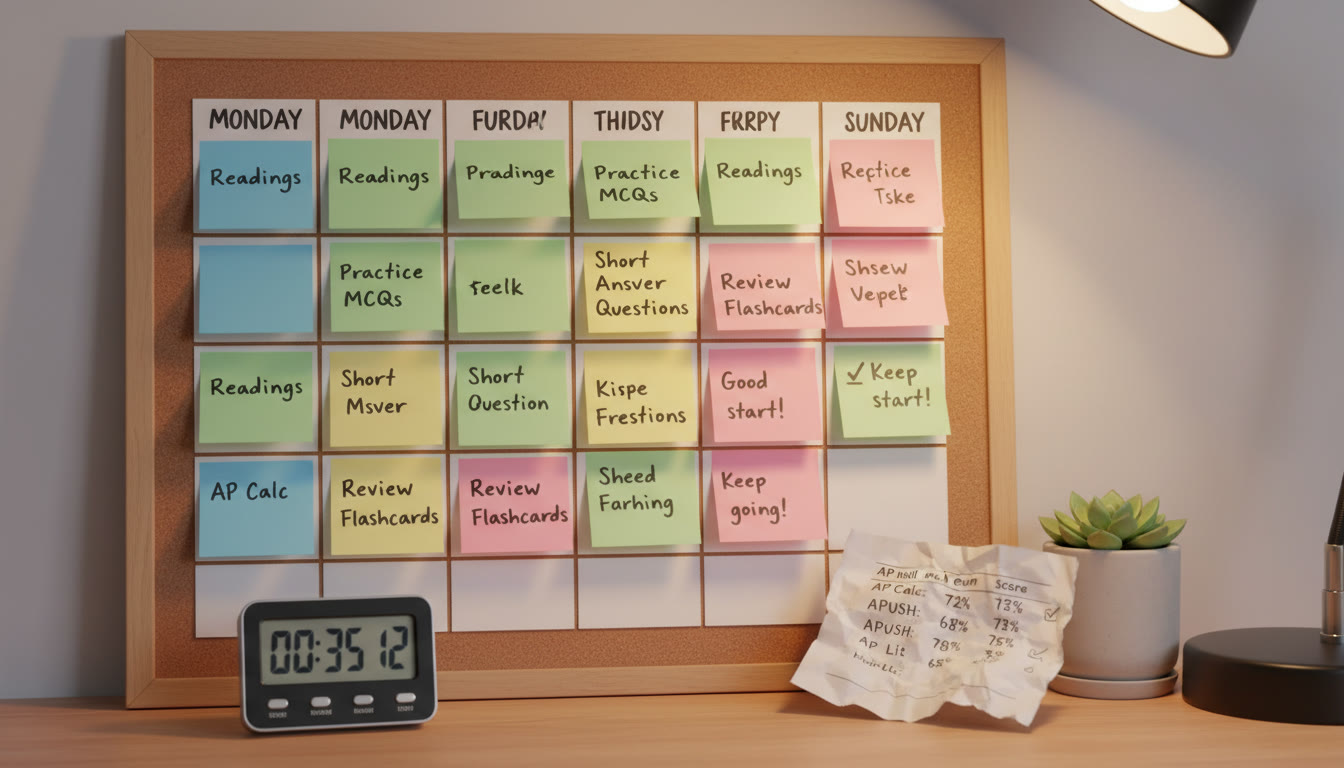
Remember: your brain learns through repeated safe practice. Each small, low‑stakes rep is a deposit in the confidence bank. Over weeks, those deposits add up — and on exam day you’ll draw from them without fear. You’ve got this.





























No Comments
Leave a comment Cancel