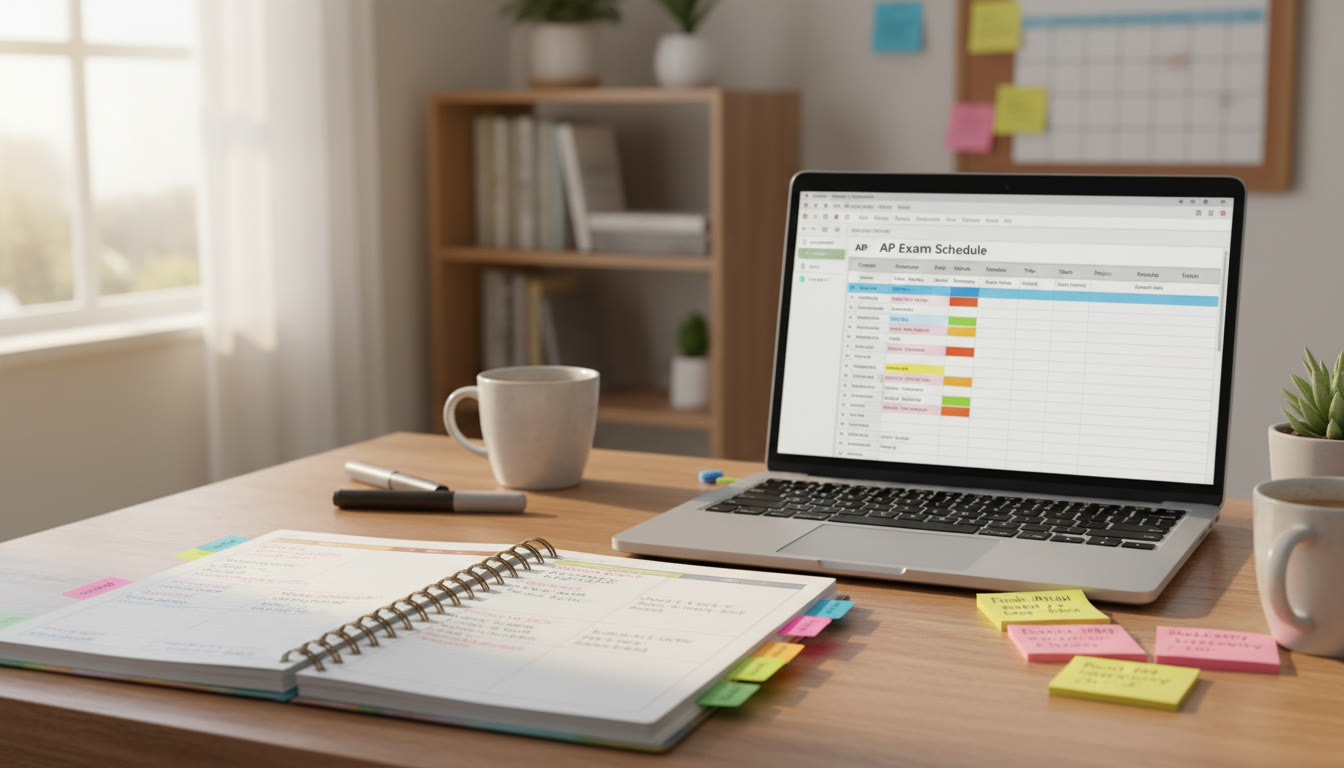

AP Plan Template Pack: Download & Customize Your Way to Exam Success
Imagine waking up on the morning of your AP exam calm, confident, and certain you used the last six months wisely. That sense of control starts with a plan: not a vague “study more” promise, but a living, breathing template you can download, tweak, and use every day. This article gives you a complete AP Plan Template Pack mindset — what to include, how to personalize it, and how to turn the templates into habit. Whether you’re taking AP Calculus, AP U.S. History, or AP Biology, these templates are adaptable and practical.
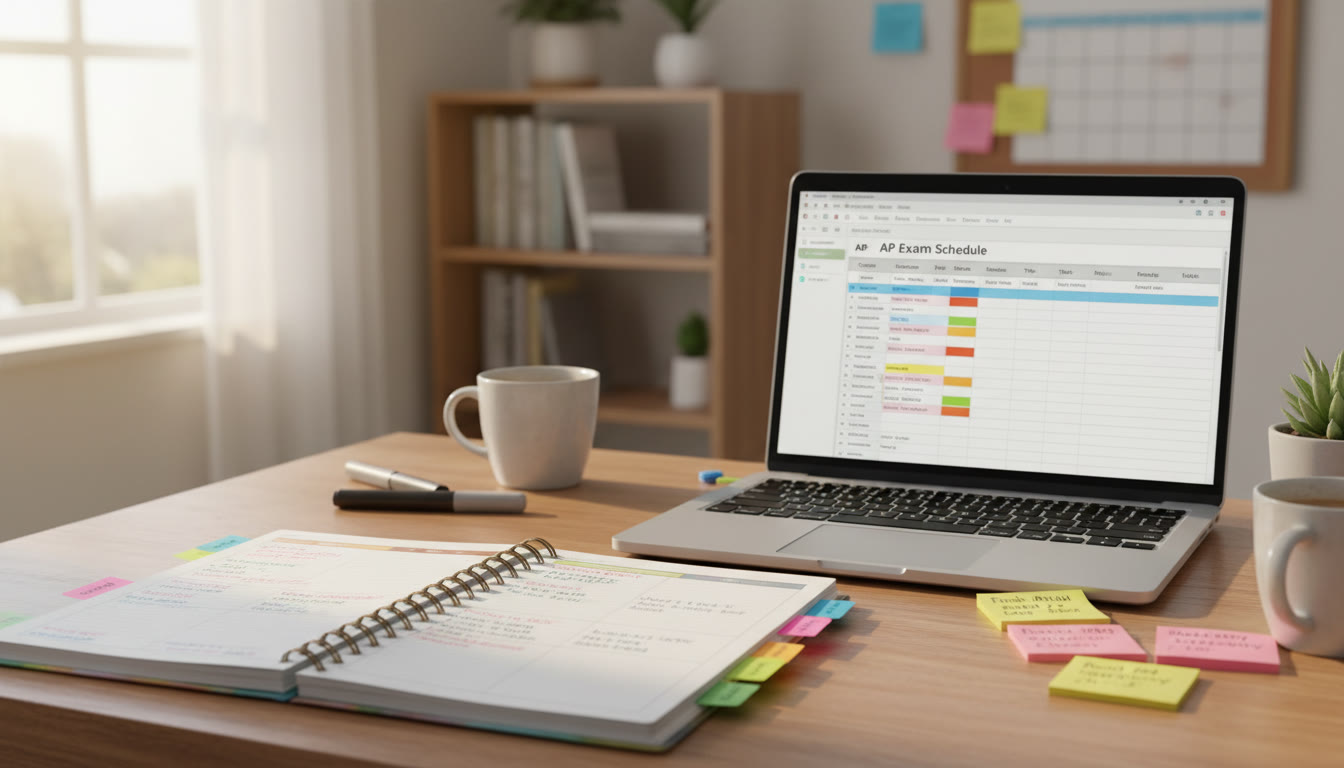
Why a Template Pack Works Better Than Random Study Sessions
Most students try to cram or rely on ad-hoc study sessions. A template pack turns preparation into a project with milestones. It helps you:
- Break big goals into manageable weekly tasks.
- Visualize progress so motivation is steady, not sporadic.
- Identify knowledge gaps early and target them with focused practice.
- Coordinate practice tests, review sessions, and rest days to avoid burnout.
Think of the template pack as your study blueprint — a skeletal structure you can customize to reflect your class pace, the AP exam format, and your personal strengths and weaknesses.
What’s Inside the AP Plan Template Pack
The pack is modular. You can use everything or pick only the tools you need. Here are the essential pieces:
1. Master Timeline (Yearly to Daily)
This timeline maps the whole year from fall registration and course milestones to the May exam window. It answers big-picture questions: when to start full-length practice exams, when to complete course content review, and when to pivot to targeted practice.
2. Weekly Study Grid
Week-by-week tasks with a consistent rhythm: Content Review, Practice Questions, Error Analysis, and Timed Practice. This grid helps ensure every week includes deliberate practice and reflection.
3. Daily Focus Sheet
Short and action-oriented. Each day lists a single content goal, 2–3 practice items, and a 10–15 minute reflection prompt. Small daily wins build momentum.
4. Practice-Exam Tracker
Log every full-length practice exam: score, time management notes, most-missed topics, and targeted follow-up actions. This is where data meets decision-making.
5. Resource Inventory
Keep a running list of textbooks, AP Classroom resources, videos, notes, and question banks so you don’t waste time hunting for the right source when you need it.
6. Stress and Wellness Planner
Exam success is not just knowledge — it’s energy. Track sleep, exercise, short breaks, and social time so you show up rested and focused.
How to Customize the Templates for Your AP Subject
Different AP subjects require different emphases. Here’s how to adapt the pack for common exam types.
AP STEM Subjects (Calculus, Physics, Chemistry, Biology)
- Prioritize skill blocks: problem types, derivations, and lab/data interpretation.
- Schedule weekly timed problem sets and a monthly full-length practice exam under timed conditions.
- Reserve a weekly session for error analysis — write out correct solutions and annotate common mistakes.
AP Humanities and Social Sciences (U.S. History, English, Psychology)
- Balance content timelines (eras or themes) with writing practice (DBQs, essays, free-response answers).
- Plan periodic synthesis days: connect themes across units and practice thesis-driven writing.
- Use the resource inventory to collect exemplar essays, scoring rubrics, and annotated sources.
AP Languages and Arts (Language Exams, Music Theory)
- Rotate between receptive skills (reading/listening) and productive skills (writing/speaking) each day.
- Build a pronunciation or musical skills warm-up and include short practice recordings for self-evaluation.
Step-by-Step: Using the Pack from Day One
Let’s walk through how a typical junior or senior would use this pack across a semester.
Week 1 — Baseline and Setup
- Download the templates and fill in fixed dates: exam week in May, school holidays, and teacher-imposed deadlines.
- Take a diagnostic practice exam to get baseline scores by section (multiple choice and free response if applicable).
- Complete the Resource Inventory: list your textbook chapters, AP Classroom topic IDs, favorite video creators, and a short set of flashcards.
Weeks 2–10 — Core Content and Rhythm
- Follow the Weekly Study Grid: three content days, one mixed practice day, one deep-dive review.
- Every two weeks, complete a timed practice set; every month, do a full practice exam.
- Use the Practice-Exam Tracker to log errors and schedule targeted work on those weak spots within the next two weeks.
Final 6–8 Weeks — Polishing and Strategy
- Move from learning new content to consolidating: aim for 70–80% of study time on practice and analysis.
- Simulate test day conditions: exact timing, limited breaks, and minimal notes.
- Use the Stress and Wellness Planner to protect sleep and short restorative activities before full-length exams.
Practical Template Examples (Fill-In Ready)
Here are concrete examples you can paste into a planner or spreadsheet. Use these as starting points and tweak the durations to fit your schedule.
Weekly Study Grid (Example)
| Day | Main Activity | Duration | Goal |
|---|---|---|---|
| Monday | Concept Review + Worked Examples | 60–90 minutes | Master 1–2 core topics |
| Tuesday | Practice Questions (timed) | 45–60 minutes | Apply concepts under pressure |
| Wednesday | Targeted Weakness Work | 40–60 minutes | Fix recurring errors |
| Thursday | Writing / Free Response Practice | 60 minutes | Structure, thesis, evidence |
| Friday | Mixed Practice + Reflection | 45 minutes | Consolidate the week |
| Saturday | Full-Length Practice (biweekly) | 3–4 hours | Simulate test day |
| Sunday | Rest / Light Review | 30 minutes | Recover mentally |
This grid is adaptable. If you take multiple APs, divide time proportionally and rotate subject focus each day.
Practice-Exam Tracker (Sample Columns)
- Exam Date
- Raw Score
- Section Scores
- Biggest Weaknesses
- Action Items (with deadlines)
- Next Practice Date
How to Turn Mistakes Into Progress
Errors aren’t setbacks — they’re the roadmap. The template pack emphasizes a simple three-step error analysis loop:
- Identify the type of mistake (content gap, careless error, timing issue, misread question).
- Pinpoint the root cause (missing concept, weak formula recall, rushed reading, poor time allocation).
- Create a specific micro-task (redo similar problems, write a one-paragraph summary, set a mini-timer) and add it to your Weekly Study Grid.
Repeat this loop each week for the set of most common errors until you see concrete improvement on practice sections.
Using Data: What to Track and Why
Good planning is data-driven. Track these key metrics:
- Section Accuracy (percentage correct per topic)
- Time per Question (to identify pacing problems)
- Free-Response Scores (self-scored against rubrics)
- Practice Exam Trend (3–5 exam moving average)
Even simple charts — score vs. weeks of practice — reveal whether your strategies work or need adjustment.
Table: Example Practice Exam Trend
| Practice Date | Raw Score | Multiple Choice % | Free Response % | Notes |
|---|---|---|---|---|
| Jan 10 | 58 | 62% | 50% | Pacing issues in section II |
| Feb 7 | 66 | 68% | 54% | Improved MC, need FR practice |
| Mar 15 | 72 | 75% | 60% | Better timing, work on synthesis questions |
| Apr 18 | 78 | 82% | 68% | Consistent; focus on polishing essays |
Study Habits That Make Templates Stick
A template is useless if it becomes another ignored sheet in your laptop. Use these habit-building tips:
- Schedule study blocks on your calendar — treat them like classes.
- Use short, frequent review sessions (spaced repetition) rather than marathon nights.
- Do the hardest tasks early in your session when your focus is highest.
- Pair accountability: study with a friend or check in weekly with a teacher or tutor.
Small, consistent actions beat occasional intensity every time.
How Personalized Help Can Fit Into Your Template Pack
Templates are powerful, but sometimes you need an outside lens — a tutor who reads your practice exams, spots patterns you miss, and adjusts the plan. That’s where personalized tutoring, like Sparkl’s 1-on-1 guidance and tailored study plans, fits naturally. A session or two each month can recalibrate your schedule, suggest targeted resources, and provide AI-driven insights that turn practice data into smarter actions.
When working with a tutor, bring your Practice-Exam Tracker and Weekly Study Grid. Great tutors use that data to design micro-goals and help you prioritize the most impactful work in the weeks before the exam.
Examples: Template Customizations for Two Real Student Profiles
Profile A — Maya, AP Biology and AP English
Maya has two APs and a busy extracurricular load. Her plan focuses on distributed practice and weekend deep dives.
- Monday, Wednesday, Friday — 50 minutes Biology (concepts + quick practice)
- Tuesday, Thursday — 45 minutes English (close reading + one timed essay per week)
- Saturday — 3-hour deep session alternating between a full biology practice set and a timed essay
- Monthly tutor check-in to review practice exams and update targets
Profile B — Jordan, AP Calculus BC Only
Jordan’s schedule focuses on problem sets and pacing, with lots of timed short blocks to improve speed and precision.
- Daily 40-minute problem set rotation (one concept per day)
- Twice weekly 20-minute timed sections focusing on past AP multiple-choice clusters
- Biweekly full-length practice exam and detailed error analysis
- Sparkl-style tutor sessions for targeted concept reinforcement and strategy tweaks
Common Pitfalls and How to Avoid Them
Even with great templates, students fall into predictable traps. Here’s how to prevent them:
- Pitfall: Overplanning. Solution: Keep daily goals small and measurable.
- Pitfall: Ignoring mistakes. Solution: Always write a short action item for every missed question.
- Pitfall: Skipping full-length tests. Solution: Schedule them early and protect that time.
- Pitfall: Burnout. Solution: Use the Wellness Planner and treat rest as part of the plan.
How to Use the Pack in the Final Two Weeks Before the Exam
Shift the template’s focus: reduce new learning, increase simulation, and stabilize your routine.
- Week 1 (two weeks out): Two full-length practice exams, targeted reviews for the most-missed topics, and timed free-response practice.
- Week 2 (one week out): One full-length test early in the week, light review sessions only, and strict sleep and nutrition routines.
- Three days before the test: Low-intensity study (30–45 minutes) focused on confidence-building material and quick concept refreshers.
- Test day: Use the Wellness Planner checklist (good breakfast, arrival plan, allowed materials, breathing routine).
Download Tips: Make the Templates Yours
When you download the template pack, do these quick customizations to ensure it becomes part of your workflow:
- Add fixed commitments (sports, jobs, classes) so time estimates are realistic.
- Color-code subjects or priority levels for fast visual scanning.
- Link resources inside the spreadsheet or planner so you can jump from task to the correct video or practice set in one click.
- Set weekly reminders to review the Practice-Exam Tracker and adjust action items.
Closing Thoughts: Turn Templates Into Habits
Templates are scaffolding — solid and supportive, but they only matter if you use them. Start with a single, simple promise: commit to your Weekly Study Grid for two full weeks and track results. If you see steady improvement, expand the plan. If you don’t, bring in a short tutoring check-in to help diagnose the issue. Sparkl’s personalized tutoring can help you translate practice into progress with 1-on-1 guidance, tailored study plans, and data-informed adjustments when you need them most.
At the end of the day, the best plan is the one you follow. Use the AP Plan Template Pack to reduce anxiety, sharpen focus, and turn consistent effort into measurable improvement. When you put structure around practice, the exam becomes a culmination of thoughtful work — not a surprise.

Ready to Download and Start?
Take the first step: download the templates, set a realistic two-week sprint, and track one metric weekly. If you want extra accountability, try scheduling periodic 1-on-1 sessions with a tutor to review your Practice-Exam Tracker and adjust your plan. With structure, practice, and small smart adjustments, you’re not guessing — you’re preparing with purpose.
Good luck, and remember: steady, focused practice beats last-minute cramming every time. You’ve got this.



























No Comments
Leave a comment Cancel