
Why Every Language Student Needs a Personal Phrasebook
Imagine walking into a café abroad and knowing exactly which line to use to order coffee in the local tongue—not a textbook sentence but your sentence, shaped by your voice and needs. That sense of confidence comes when you’ve built a personal phrasebook: a compact, living collection of phrases and cues tailored to your life, studies, travel plans, and AP language goals. For students preparing for Collegeboard AP exams, a phrasebook isn’t just for survival; it becomes a study tool that bridges vocabulary, grammar, and real-world practice.
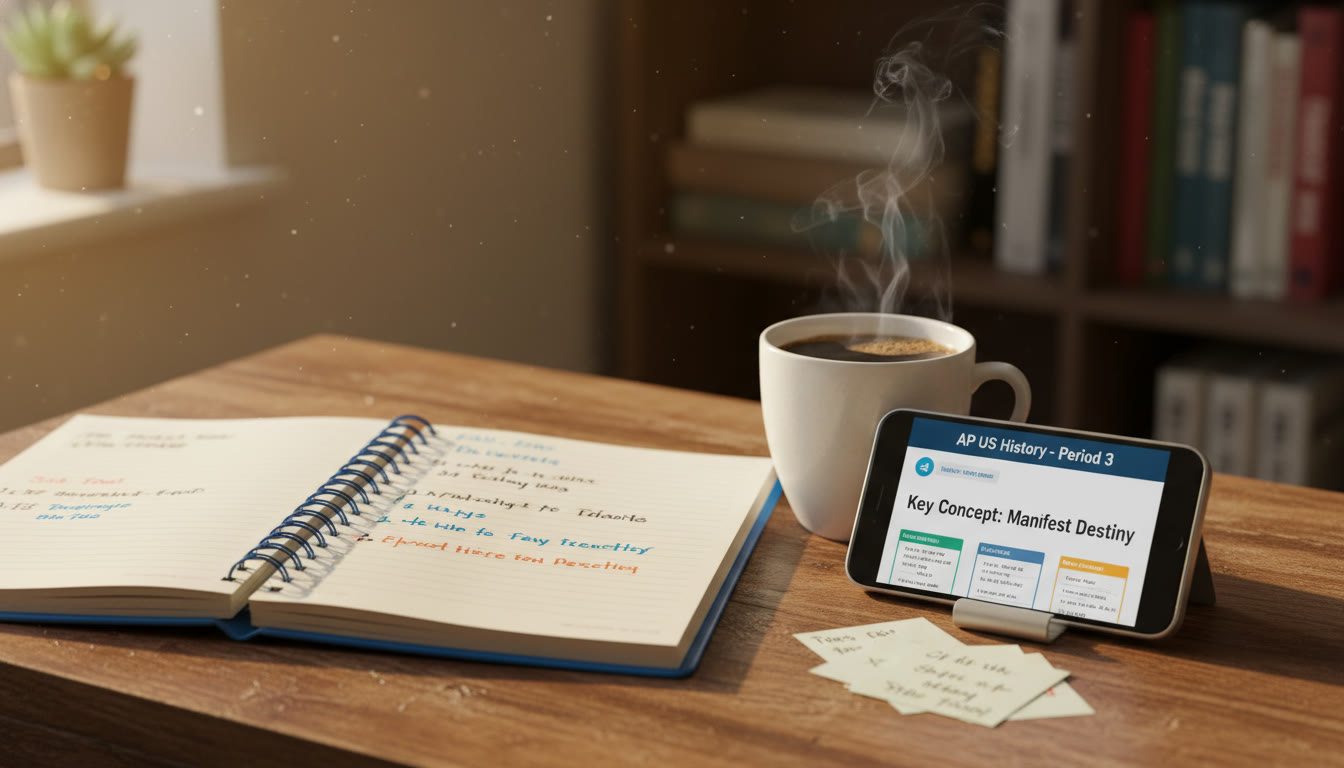
What Makes a Phrasebook “Personal”?
Generic phrasebooks hand you generic phrases. A personal phrasebook is curated by you, for you. It takes into account:
- How you speak informally and formally.
- The specific topics you’ll face in class, exams, or travel—like school supplies, family descriptions required for AP speaking tasks, or cultural topics often found on reading passages.
- Words you confuse or grammar points that frequently trip you up.
- Situations you actually encounter—commuting, ordering food, making plans with friends, or presenting on an AP-style prompt.
How a Phrasebook Supports AP Exam Prep
For AP students, the phrasebook becomes a multifunctional tool. It helps with speaking fluency, quick recall during practice essays, and internalizing set phrases that often appear in prompts or rubrics. Instead of memorizing decontextualized vocabulary, you learn phrases: collocations, idiomatic expressions, and sentence starters that can be adapted into higher-scoring written and oral responses on AP exams.
Study Benefits at a Glance
- Contextual vocabulary: Phrases tie words to usage.
- Faster retrieval: Recognize patterns rather than single words.
- Better pronunciation targets: Repeat whole phrases for rhythm and intonation.
- Exam readiness: Memorized set-phrases help structure responses under time pressure.
Getting Started: Tools and Format Choices
Before you start filling pages, choose formats that match how you study and live. Here are several practical formats and when to use them:
Formats
- Small physical notebook: tactile, portable, and perfect for on-the-spot additions between classes.
- Digital notes app (Evernote, Notion, or simple Notes): searchable, syncs across devices, great for audio inserts.
- Flashcard system: Anki or Quizlet for spaced repetition—useful for entrenched phrases and conjugations.
- Printed pocket version: condensed printable sheet you can carry for trips or oral exams.
Tip: Combine two formats. Keep a pared-down pocket paper sheet for quick access and a richer digital notebook for audio notes, cross-references, and examples.
Structure Your Phrasebook: Sections That Actually Work
A phrasebook becomes useful when it’s organized. Here’s a structure I recommend for students balancing classroom demands and real-world use.
Core Sections
- Essential Greetings and Social Routines
- Classroom Phrases and AP-Specific Prompts
- Daily Life: Food, Shopping, Transport
- Personal Background: Family, Hobbies, Education (useful for AP speaking)
- Opinion and Argument Frames: Connectors, qualifiers, and essay-starters
- Emergency and Practical: Health, help, directions
- Wildcards: Slang, idioms, and cultural notes
Phrasebook Entry Template: Make Every Line Useful
Each entry should be compact but informative. Use a simple template for consistency:
- Phrase (Target Language)
- Literal translation + natural English gloss
- Pronunciation hint
- Grammatical note (tense, gender, agreement)
- Context example (1–2 sentences)
- AP exam application note (how to use it in speaking/writing)
Example Entry
Phrase: “Me parece que…”
Translation: “It seems to me that…” (Natural: “I think that…”)
Pronunciation: meh pah-REH-seh keh
Grammar: Present tense verb structure—useful to introduce opinions.
Context: “Me parece que este libro ofrece una perspectiva importante.”
> AP Application: Use as an opener in speaking to state an opinion; helps organize a persuasive paragraph.
Practical Sections with Examples
Fill your phrasebook with the phrases you’ll actually reuse. Below are sample sections with example phrases and notes on how AP students can deploy them.
1. Classroom and Exam Phrases
- ¿Puede repetir la pregunta? — For clarification during spoken tasks.
- En mi opinión,/Desde mi punto de vista — Opinion starters for essays and timed responses.
- Un ejemplo de esto es… — Handy when asked to provide evidence or examples on the AP exam.
2. Narrative Starters (Useful for Speaking Tasks)
- Hace tres años, yo… — Great for past-tense storytelling prompts.
- La razón principal fue… — To explain causes or motivations.
3. Opinion and Persuasion Frames
- Sin duda — Without a doubt (strong assertion).
- Podría argumentarse que… — For balanced viewpoints.
Table: Quick Reference Templates for AP Tasks
| Task | Starter Phrase (Target Language) | AP Use Case |
|---|---|---|
| State an opinion | En mi opinión / A mi parecer | Intro to a 1-minute spoken response or a thesis sentence in a written prompt |
| Give an example | Por ejemplo / Un ejemplo de esto es | Support claims with concrete evidence during essays |
| Compare | Mientras que / En contraste | Write comparative paragraphs for cultural or literary interpretations |
| Time sequencing | Primero, luego, finalmente | Organize procedural or narrative responses |
| Ask for clarification | ¿Podría explicar eso otra vez? | Useful in oral interactions and classroom discussions |
Practice Routines: Turn Phrases into Habit
A phrasebook is only as powerful as your practice routine. Here are sustainable, realistic routines that will help phrases stick—especially while preparing for AP-style performance tasks.
Daily Micro-Routines (10–20 minutes)
- Morning glance: Read 5–10 phrases aloud while getting ready.
- Lunch challenge: Use one new phrase in a short voice recording or text message.
- Evening review: Add one new sentence that uses yesterday’s phrase in a different context.
Weekly Focus Sessions (45–90 minutes)
- Pick a theme (e.g., environment, education) and expand 10–15 phrases into sample AP responses.
- Record a mock speaking task using the phrasebook’s opinion frames; listen back and note improvements.
How to Personalize Phrases: Examples and Twists
Personalization is the secret sauce. Take a phrase and twist it so it reflects your experiences or goals. Here are three methods:
1. Swap in Personal Details
Instead of “Tengo un hermano,” write “Tengo un hermano menor que estudia biología en la universidad.” The extra detail gives you more vocabulary tied to a memorable fact.
2. Create Exam-Ready Variants
For a phrase like “Pienso que…”, create stronger and weaker variants: “Creo firmemente que…” and “Puede que…” so you have a register range for AP scoring criteria.
3. Add Cultural Notes
Record short cultural footnotes that explain why a phrase is used—these help for cultural comparison questions on AP exams and make your language feel alive.
Smart Memorization: Spaced Repetition and Retrieval Practice
Combine your phrasebook with spaced repetition. Make flashcards for the 20–30 highest-utility phrases and review them on alternating days. Use retrieval practice: instead of re-reading, write or say the phrase from memory and then check against your entry.
Example Weekly Schedule
- Monday: New phrases (10) + quick review of old cards
- Wednesday: Recall and produce examples with those phrases
- Friday: Mock exam mini-tasks using the phrases
Recording Pronunciation: Your Secret Weapon
Audio is a must. Record yourself and native examples where possible. Devices today make it simple:
- Say the phrase, pause, then say a full example sentence.
- Compare your rhythm and stress to a model—focus on flow more than perfection.
- Over time, your brain will associate the sound pattern with meaning, which is crucial under timed AP speaking conditions.
Using the Phrasebook in Real Time
During class, place a small sticky tab on phrases you want to use in the next speaking practice. For trips, fold a one-page cheat sheet from your phrasebook. The point: make the phrasebook accessible and actionable, not archival.
During an AP Practice Session
- Before starting, skim three opinion starters and two connectors from your phrasebook.
- During the task, pick one starter and one connector—don’t overreach. Simplicity beats clutter under time pressure.
- After the task, jot down any phrase you wanted but didn’t have—add it to the Wildcards section.
Example One-Week Build Plan
For students who want a practical launch, here’s a one-week plan to build the backbone of a phrasebook.
- Day 1: Create core sections and add 30 essential phrases (greetings, classroom, opinion starters).
- Day 2: Add 20 phrases for daily life and 10 narrative starters for storytelling tasks.
- Day 3: Record pronunciation for all 60 phrases; review with spaced repetition software.
- Day 4: Create 5 mock AP speaking responses using phrasebook entries.
- Day 5: Add 15 exam-specific frames (comparison, cause-effect, examples).
- Day 6: Practice with a partner or tutor; note missing phrases.
- Day 7: Consolidate into a pocket sheet and set a weekly review schedule.
How Tutoring and AI Can Amplify Your Phrasebook
Personalized coaching accelerates phrasebook growth. A tutor can:
- Identify high-leverage phrases aligned with AP rubrics.
- Help craft realistic example sentences drawn from your life.
- Give targeted pronunciation and grammar feedback.
Services like Sparkl’s personalized tutoring combine 1-on-1 guidance, tailored study plans, expert tutors, and AI-driven insights to recommend which phrases to prioritize, how to practice them, and when to move from recognition to production. When a tutor helps you adapt phrases for AP-specific tasks, your phrasebook becomes both a study instrument and a confidence builder.
Common Pitfalls and How to Avoid Them
Students often make the phrasebook harder than it needs to be. Watch for these traps:
- Overloading entries with rare words—keep high utility as your filter.
- Copying textbook examples verbatim—personalize each phrase.
- Neglecting pronunciation—sound matters as much as grammar on oral tasks.
Measuring Progress: Small Wins That Matter
Quantify progress in simple ways: how many phrases can you deploy spontaneously in a 2-minute speech? How many times did you use a connector correctly during a practice essay? Track these micro-wins weekly and celebrate them—the momentum matters.
Mini Checklist
- Can you say five opinion starters without pausing?
- Can you give two supporting examples using phrasebook language?
- Did you add at least one new phrase to the Wildcards section this week?
Final Thoughts: Your Language, Your Voice
A personal phrasebook is not a project you finish; it’s a companion you build. For AP students, it’s a bridge between classroom grammar and the communicative fluency the Collegeboard rewards. Keep it small enough to carry, flexible enough to change, and personal enough that it sounds like you. When you tailor phrases to your experiences, your answers—spoken or written—become clearer, more confident, and more memorable.
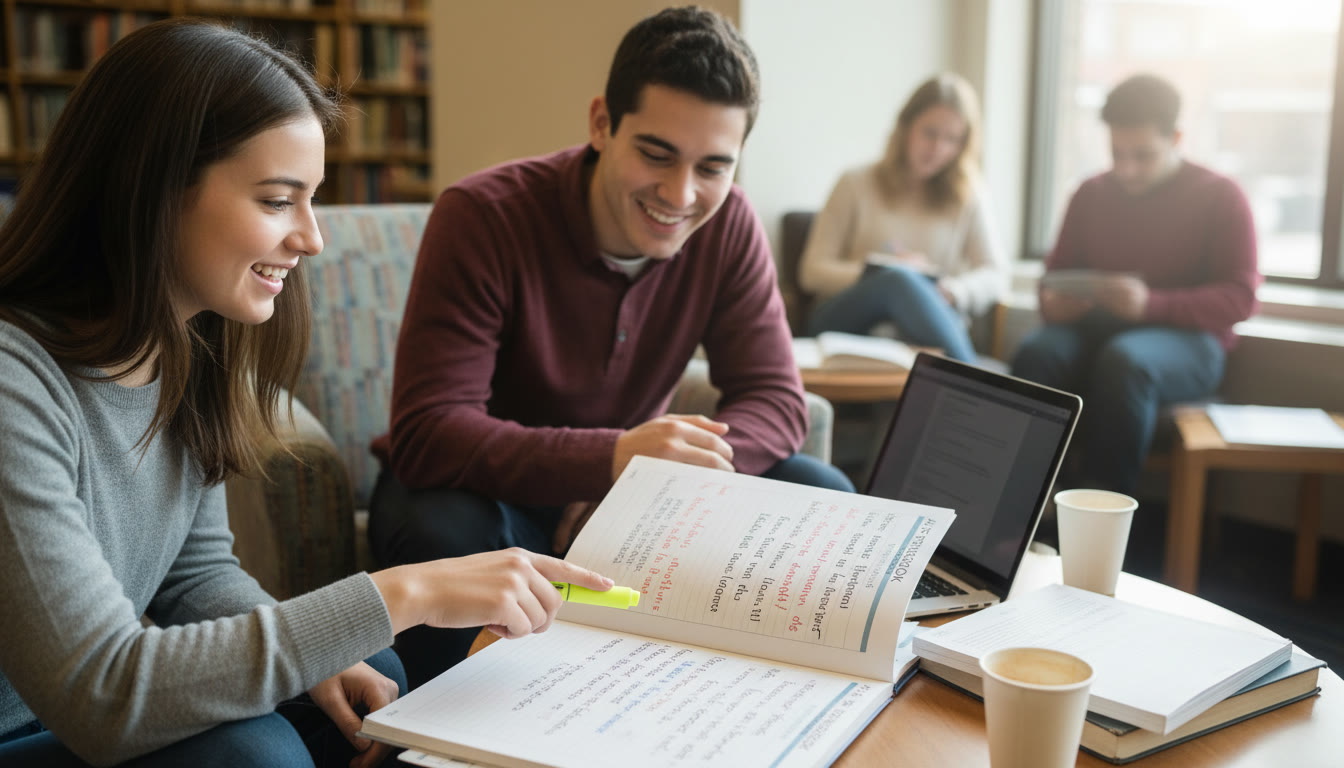
Start today: pick five phrases that match an upcoming class or AP prompt, personalize them, and use them aloud three times before bed. Small, intentional steps build fluency faster than marathon sessions. And if you want structured support, consider pairing your phrasebook with focused, personalized tutoring—expert feedback speeds improvement and helps your phrasebook reflect both accuracy and personality.
Language learning is an ongoing conversation with the world. Your phrasebook should help you join it—on your terms, with your voice, and with the tools that get you from memorization to meaningful expression.

















No Comments
Leave a comment Cancel