
Why This Matters: The Unique Challenge for Student‑Athletes
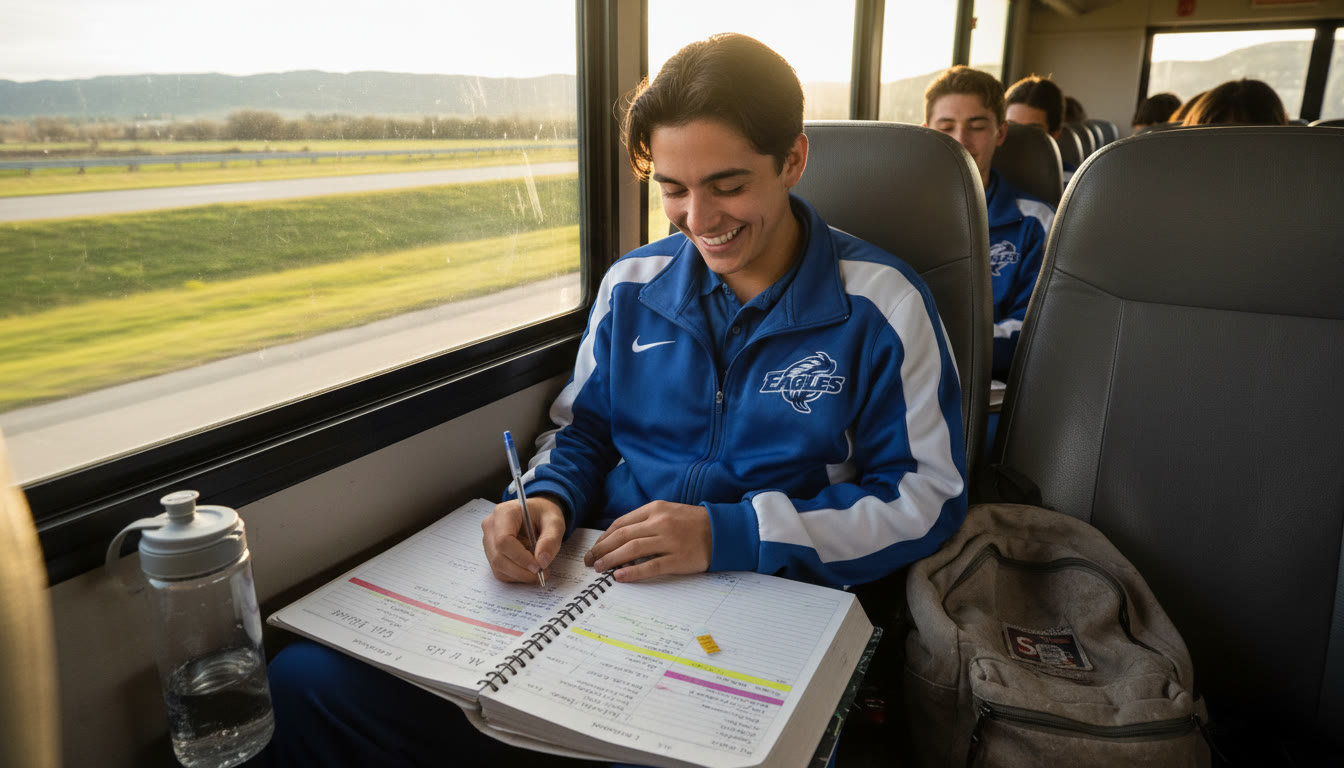
Imagine juggling early morning lifts, afternoon practices, away-game buses, and the quietly looming AP exams. For high school athletes who also take Advanced Placement courses, the calendar can feel like a tug‑of‑war between two kinds of peak performance. Both arenas—athletics and academics—reward consistent, focused preparation. The difference is that sports often have fixed seasons and travel that compress study time into odd hours. That’s why creating an AP plan aligned with a team’s calendar isn’t a luxury: it’s essential.
How to Think Like a Coach: Principles That Build Winning Schedules
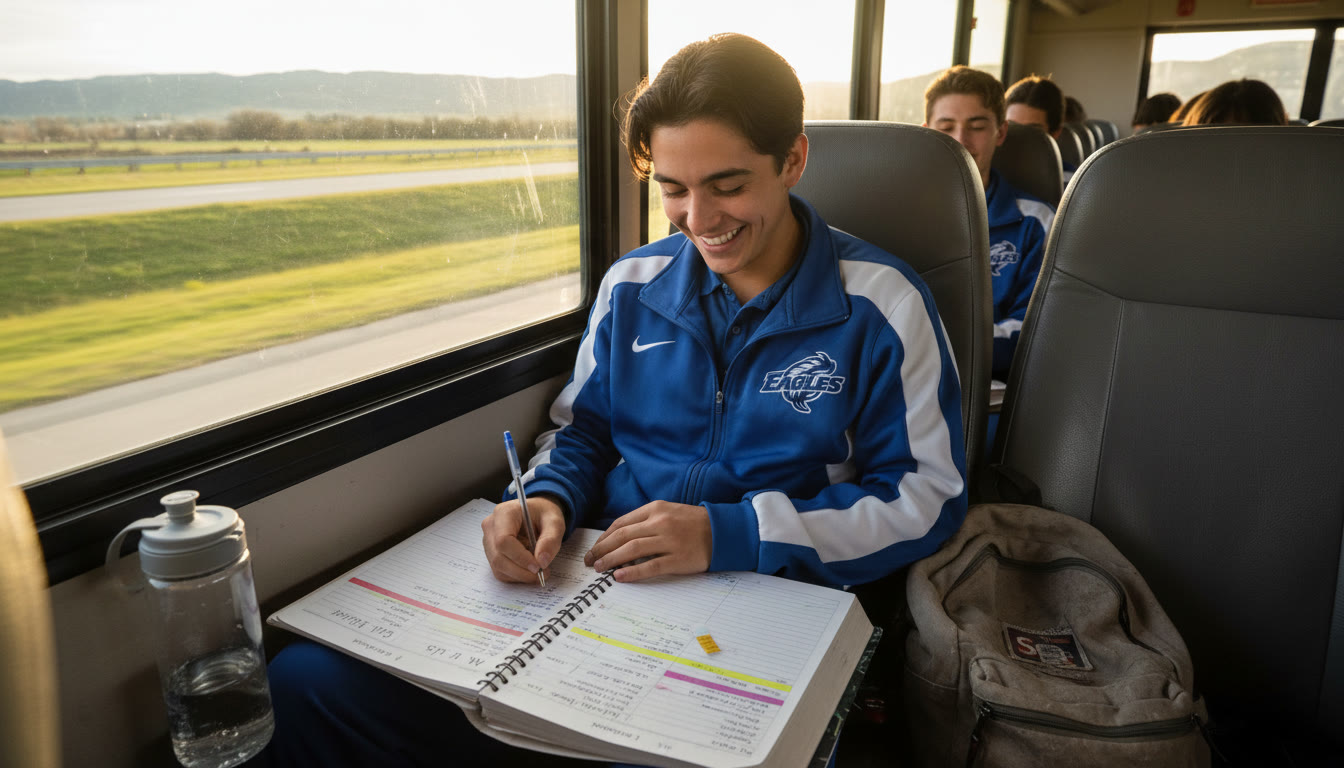
Coaches design practice plans to develop skill, avoid burnout, and peak for key games. Apply the same coaching mindset to AP preparation:
- Periodization: Break the school year into phases—base-building (knowledge acquisition), sharpening (practice and timed sections), and tapering (final review and rest before exams).
- Microcycles: Weekly and daily plans that create predictable study windows, even around travel or double‑practice days.
- Recovery and Sleep: Recognize rest as a performance enhancer for retention, reaction time, and mood. Late cramming after long travel is rarely effective.
- Individualization: Every athlete has a different role, recovery pattern, and academic needs. Tailor AP plans the same way you would a training load.
How to Think Like an Athlete: Habits That Stick
Athletes succeed with routines. These habits translate directly to AP success:
- Short, high‑quality sessions: Multiple 25–50 minute focused blocks beat one long, distracted study crash.
- Active practice: Use practice exams, flashcards, and spaced retrieval rather than passive rereading.
- Mobility of study: Carry short review tasks (e.g., flashcard app or formula sheet review) for bus rides or warm‑ups.
- Coachable feedback: Get targeted input on weak areas—like a coach correcting a swing—through a tutor, teacher, or study partner.
Designing AP Plans Around a Season: A Step‑By‑Step Framework
Below is a scalable framework you can adapt to any sport, season length, or AP subject.
Step 1 — Map the Year
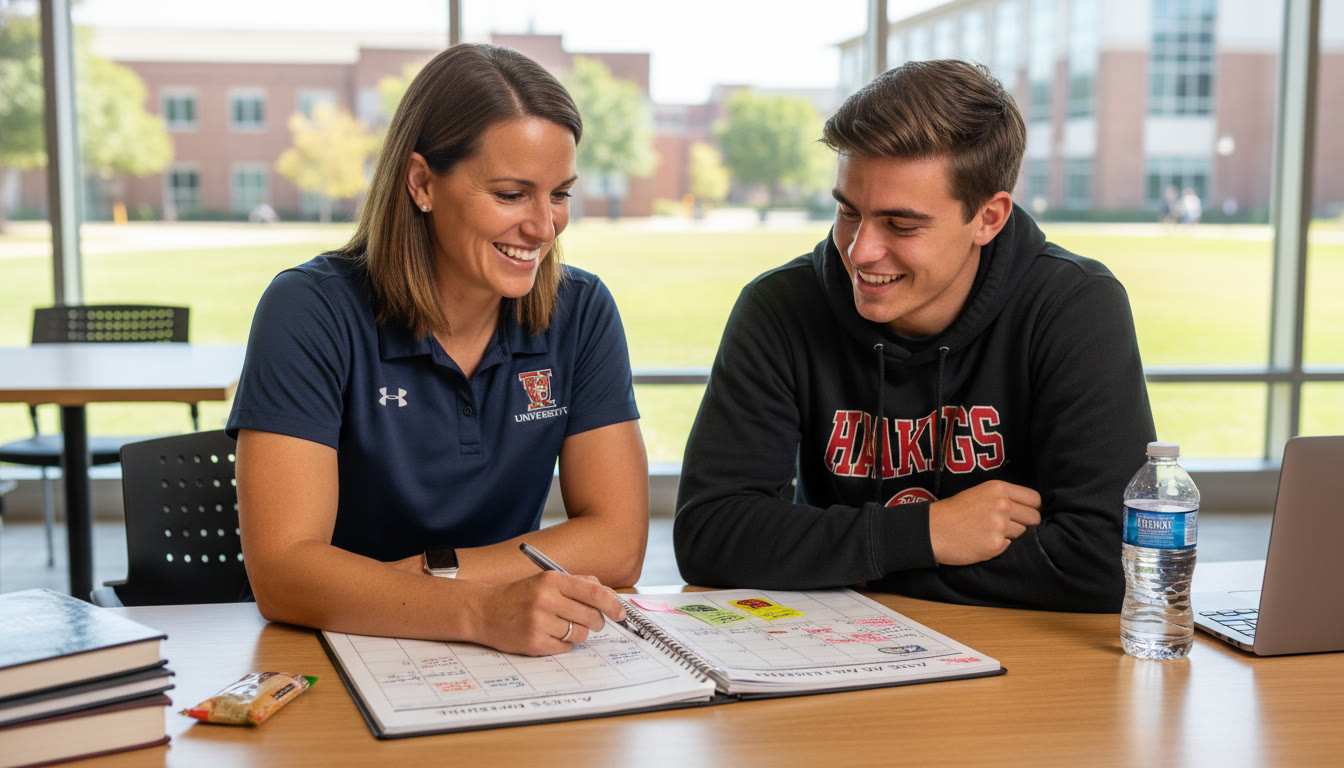
Start with a calendar. Mark practices, lifts, pre‑season camps, away games, and known travel days. Then add important academic dates: AP exam windows, major projects, midterms, and school breaks. Visualizing clashes helps you prioritize.
Step 2 — Phase Your Study
Assign one of three phases to each month or block:
- Base (Knowledge Build): Focus on content coverage—reading, foundational problems, vocabulary, and lab concepts.
- Sharpen (Application & Practice): Timed sections, past prompts, and problem sets. Simulate test conditions periodically.
- Taper (Polish & Rest): Light, strategic reviews and stress management techniques as exams near.
Step 3 — Weekly Microcycle
Create a repeating week template that fits your busiest day. For example:
- Monday: Short content session (30–45 minutes), 10 minutes spaced recall before bed.
- Tuesday: Practice problems (45–60 minutes) + coach/tutor check‑in.
- Wednesday: Recovery day academically—light review, 20 minutes.
- Thursday: Timed section or practice essay (60 minutes) + targeted corrections.
- Friday: Quick cumulative review (30 minutes) + plan weekend tasks.
- Weekend: One long practice block (90–120 minutes) split into two sessions with a break.
Step 4 — Travel and Game Day Modifications
On travel/game days, swap longer sessions for microlearning:
- 30 minutes of active recall on the bus (apps, flashcards, formula summary).
- Pre‑game: 15–20 minutes of calm review—definitions or short prompts—not introducing new material.
- Post‑game: Rest first. If energy allows, a 20–30 minute low‑effort review to consolidate memory works best the next morning.
Sample Schedules: Two Realistic Templates
Below are two sample plans—one for a spring sport whose championship season coincides with AP exams, and one for a fall sport whose regular season overlaps heavy coursework.
| Situation | Morning | Afternoon/Evening | Weekend Focus |
|---|---|---|---|
| Spring Sport (season peaks in May) | 20–30 min review before school (flashcards, formulas) | Practice; 30–45 min targeted AP work after recovery | 2×60 min practice exams; one restorative sleep‑focused day |
| Fall Sport (season Sept–Nov) | Brief morning content (20 min), older material | Post‑practice 45–60 min practice problems; tutor weekly | Deep dives on weak topics, portfolio or lab work |
How to Use the Table
The table is a template, not a rule. Adjust durations based on fatigue, travel time, and the AP subject. For example, AP Physics may need longer weekend lab simulations, while AP Literature benefits from weekly essay practice.
Concrete Example: A 12‑Week Taper for a Spring Championship
Here’s a condensed 12‑week plan when your team peaks in late April/early May and AP exams follow. The goal is to build content early, practice intensely while maintaining fitness, then taper academically as exams approach.
- Weeks 12–9 (Base): 3–5 hours/week of focused content. Prioritize topics you can’t afford to miss.
- Weeks 8–6 (Sharpen): 4–6 hours/week with at least one full practice exam every other week under timed conditions.
- Weeks 5–3 (Peak Practice): 3–4 hours/week. Swap heavy learning for practice and targeted corrections. Reduce new content introduction.
- Weeks 2–1 (Taper): 2–3 short, low‑stress sessions per week. Prioritize sleep, nutrition, and light review materials like formula sheets and annotated essays.
Study Techniques That Fit a Busy Schedule
These methods are chosen because they maximize retention with limited time:
- Spaced Retrieval: Revisit the same topic at increasing intervals—this beats cramming for long‑term retention.
- Interleaving: Mix problem types during a session to improve flexible problem solving.
- Simulated Conditions: Periodically do timed sections in quiet to build stamina and pacing.
- Immediate Feedback: Correct errors soon after practice so misconceptions don’t fossilize.
- Chunking: Break complex topics into small, reusable units—vocab, formulas, or thesis structures for essays.
Role of Coaches, Parents, and Tutors
Support systems play a huge role. Here’s how each can help without micromanaging:
- Coaches: Communicate schedule constraints and allow short academic blocks post‑practice when feasible. Encourage disciplined recovery protocols that help cognition (sleep, hydration).
- Parents: Provide predictable meal and sleep routines, and help with logistical stressors (laundry, meals on travel days) so students have cognitive bandwidth for studying.
- Tutors and Teachers: Offer targeted mini‑sessions and practice materials that fit into travel windows. Tutors can turn a 30‑minute bus ride into a high‑yield review through structured tasks.
When it fits naturally into the plan, consider Sparkl’s personalized tutoring. Their 1‑on‑1 guidance, tailored study plans, and AI‑driven insights can be integrated during the sharpen and taper phases to focus on weak points, save time, and boost confidence.
Managing Stress and Energy: The Nonacademic Edge
Peak performance isn’t just memorization. It’s also energy management. Small routines make a big difference:
- Sleep Priority: Aim for consistent sleep, especially in the two weeks before exams and championships.
- Nutrition: Portable, balanced snacks for travel days keep glucose steady for focus.
- Mindset Work: Short breathing or visualization exercises before tests and games reduce performance anxiety.
- Microbreaks: Use 5–10 minute movement or mobility breaks between study blocks to maintain blood flow and alertness.
Monitoring Progress: Metrics That Matter
Track a few simple metrics to know if the plan is working:
- Practice exam scores & trends (not just single attempts)
- Time on task: Are study hours consistent week to week?
- Sleep hours and subjective fatigue ratings
- Coach and teacher feedback—are classroom grades holding up?
Example Progress Tracker Table
| Week | Study Hours | Practice Exam Score | Sleep Avg (hrs) | Coach Notes |
|---|---|---|---|---|
| 1 (Base) | 4 | — | 7.5 | Preseason conditioning |
| 6 (Sharpen) | 5 | 72% | 7.0 | Midseason travel |
| 10 (Peak) | 3.5 | 78% | 7.8 | Reduced practice load |
Common Pitfalls and How to Avoid Them
Even the best plans can be derailed. Watch for these traps:
- All‑or‑Nothing Thinking: Missing one study day isn’t catastrophe—use short catch‑up strategies instead of panicking.
- Last‑Minute Cramming: Cramming compromises sleep and retention. Shift to spaced review early.
- Ignoring Recovery: Overtraining physically or mentally will lower exam performance. Schedule active recovery.
- Poor Feedback Loop: If you don’t analyze wrong answers, you’ll repeat the same mistakes. Make error logs part of your routine.
How Tutors Fit Into the Game Plan
A good tutor is like an assistant coach: they spot subtle mistakes, offer targeted drills, and adjust plans when your calendar changes. Personalized tutoring—such as Sparkl’s 1‑on‑1 sessions—can be especially useful during the sharpen phase to convert weak topics into reliable strengths. When bands of time are short, tutors help you study smarter, not just longer.
Real‑World Scenarios and Quick Fixes
Here are short case studies and actionable solutions.
Case 1: The Last‑Minute Travel Jam
Problem: Two consecutive away games the week before a practice exam.
Quick Fix: Convert long post‑practice sessions into two 25‑minute focused review sessions (one on the bus, one in the hotel) that target previously identified weak points. Delay new content until after the travel block.
Case 2: Fatigue After Double Practices
Problem: Energy crash leaves no motivation for evening study.
Quick Fix: Prioritize a 20‑minute morning review and a 20‑minute pre‑bed spaced recall. Use a short tutor check‑in once a week to keep momentum.
Case 3: The Academic Peak Aligns With Playoffs
Problem: Playoffs require travel and emotional investment while APs are in three weeks.
Quick Fix: Taper practice load slightly in the final two weeks (with coach approval). Swap one evening of practice for an equal, high‑quality study block. Focus on active, short reviews and a couple of full practice exams scheduled on non‑game days.
Putting It All Together: A Checklist for Coaches and Parents
- Share the season calendar with teachers and tutors early.
- Identify unavoidable travel days and plan microlearning packets for them.
- Set two weekly nonnegotiable study blocks that fit the athletic schedule.
- Schedule at least one simulated exam under real timing before the AP test.
- Prioritize sleep and recovery in the last two weeks before exams.
- Consider a personalized tutor for targeted, time‑efficient gains.
Final Thoughts: Balance Is a Skill You Can Train
Being both an athlete and an AP student is ambitious—and absolutely achievable with the right plan. Think like a coach: map the year, phase your work, and use short targeted sessions. Think like an athlete: build routines, prioritize recovery, and use feedback to refine the plan. When time is tight, smart support—targeted tutoring, efficient practice techniques, and a few simple habit changes—can make the difference between feeling overwhelmed and arriving at the exam confident.
For athletes who want a tailored edge, Sparkl’s personalized tutoring can slot into your schedule with 1‑on‑1 guidance, tailored study plans, and AI‑driven insights that prioritize what you need most the week before a critical game or the month before an AP exam. That kind of focused support often translates to better scores and less stress—so you can perform at your best on the field and in the classroom.
Start small: pick one habit to add this week—an early morning 20‑minute review, a weekly practice exam, or a 10‑minute nightly recall—and build from there. With a clear plan and support, your season and your AP exams can both be peak moments.
Want a Template?
Use the sample tables above as a starting point and adapt them to your sport, travel schedule, and AP subject. A consistent, compassionate approach will keep you competitive and scholarly—season after season.
Good luck: train your mind like you train your body, and the results will follow.


























No Comments
Leave a comment Cancel