
When the Worst-Case Scenario Happens: Feeling Ill Close to Your AP Exam
There’s nothing quite like the hollow, sinking feeling when you wake up the morning before an AP exam and you don’t feel right. Your head aches, your throat is sore, or your stomach is a mess. Maybe you had a fever last night, or you woke up so exhausted you can barely think straight. For students who’ve spent months preparing, that panic is immediate and loud. Take a breath. This post is written for you: practical, human, and focused on the concrete steps you can take to protect your health, your scores, and your peace of mind.

Why this matters
AP exams are high-stakes for many reasons—college credit, course placement, scholarship considerations, or simply personal goals. But your health is the foundation everything else sits on. Pushing through a contagious illness not only risks your health and performance, it could jeopardize other students and the testing site. Fortunately, the College Board has procedures and allowances for illness-related situations. Knowing your options before you have to make a decision reduces panic and helps you act with clarity.
Immediate checklist: first 30–60 minutes after you realize you’re sick
When time is short, an efficient checklist helps. Do these things first—calmly and deliberately.
- Confirm symptoms and measure temperature. A quick thermometer check will tell you if you have a fever—information that matters for both health and decision-making.
- Contact your AP coordinator or AP point of contact at school immediately. If you’re homeschooled or don’t have direct access, call AP Services for Students (use your school’s procedure if provided). Early communication opens options.
- Decide whether you can safely travel to the testing site. If you are febrile or contagious, stay home—both for yourself and to protect others.
- Document evidence if you can: a photo of your thermometer reading, a note from a parent, or a message thread with the school. You’ll want proof if a late testing option or special consideration is requested later.
- Prioritize basic care: hydrate, rest, take an approved over-the-counter med if appropriate, and avoid strenuous activity. Food may be hard to keep down; small sips are fine.
Script you can use when you call or message your AP coordinator
It’s normal to feel awkward or flustered—use this simple script to make sure you cover the essentials:
- “Hi, I’m [Your Name], registered for the [AP Subject] exam this morning at [time]. I’m feeling [brief symptoms, e.g., fever, vomiting]. I wanted to let you know right away and ask about options for late testing, makeup, or what documentation you need.”
What College Board options usually exist when illness makes you miss or underperform on an AP exam
The College Board recognizes that emergencies happen. There are a few official paths that schools and students commonly use when a health issue disrupts exam participation. These are general frameworks—your AP coordinator will explain how they apply in your situation.
- Late testing or makeup scheduling: Schools can request that a student take the exam on a late-testing date when the cause is beyond the student’s control. Illness is commonly accepted when documented. This often avoids extra fees if submitted for qualifying reasons.
- Exam cancellation and rescheduling: If the student is too sick to test, the exam order can sometimes be switched to a later date—coordinators manage this in the ordering system.
- Services for Students with Disabilities (SSD) and short-term accommodations: If you have an approved SSD plan, there may be built-in flexibility like extra breaks or medical accommodations. For non-documented short-term illness, talk to your coordinator about options—documentation may be required.
- Reporting an exam-day problem: If something during the exam—like a sudden medical crisis or an incident at the testing site—affects your performance, the school can report the problem immediately so College Board can consider score adjustments or makeup decisions.
Important practical point
Timing and documentation matter. The sooner your school communicates with College Board and the clearer the reason (doctor’s note, fever image, parent verification), the smoother the process. Schools are the ones who submit most requests, so keep them in the loop from the first call.
Handling the decision: test sick or stay home? A practical decision matrix
There are different kinds of illness: contagious respiratory infections, gastrointestinal illnesses, migraine or chronic conditions flaring up, or severe fatigue. Here’s a simple matrix to guide you.
| Symptom Profile | Likely Recommendation | Action Steps |
|---|---|---|
| Fever (100.4°F / 38°C or higher), vomiting | Stay home; seek late testing or reschedule | Call coordinator, document temp, rest, get care |
| Low-grade symptoms (mild sore throat, slight cough), alert mentally | Consider testing if not contagious and performing is possible | Mask at site if allowed; bring hydration; consult coordinator |
| Migraine, severe headache, vision disturbance | Often best to postpone; performance likely impaired | Seek medical/parental note; contact SSD if pre-existing |
| Chronic condition flare (asthma, diabetes, autoimmune) | Follow documented care plan and SSD accommodations | Contact SSD coordinator and school; bring supplies |
Example scenarios to make it real
Scenario 1: You had a fever overnight and are still febrile at 7:00 a.m. You call your coordinator and explain. They document it and initiate a late-testing request. You rest and use the late-testing date; no extra fee is applied when illness is the reason.
Scenario 2: You woke up with a debilitating migraine one hour before the exam. You and a parent alert the school. The coordinator documents the incident and files a report. College Board reviews the report and may allow makeup testing or other remedies.
Documentation: what to collect and how to present it
Documentation doesn’t have to be a formal hospital bill to be valid—though a healthcare provider note is strongest. What matters most is credible, timely evidence. Here’s what helps:
- Photo of a thermometer reading with date/time visible (or a screenshot of a digital thermometer app).
- A brief note or email from a parent/guardian describing onset time and symptoms.
- A doctor’s note or urgent care receipt when possible—especially if you’re seeking late testing for a major medical event.
- Messages or call logs showing you notified the AP coordinator right away.
Keep everything organized in one folder or digital file so you can forward it quickly when requested.
What to do if you started the exam and got sick during it
If you become ill during testing, tell the proctor immediately and describe your symptoms. That’s critical. If the condition prevents you from continuing, the proctor documents the incident and the school reports it to College Board. In many cases, the student will be offered a makeup opportunity or the incident will be reviewed for possible score cancellation or other remedies.
Quick note about digital exams and technology
Many AP exams are delivered digitally. If you’re taking a digital AP exam and feel ill, also be mindful of technical factors: signage of sudden inability to see the screen, difficulty interacting with the device, or needing extra breaks. These details are part of the incident report and can influence what the College Board decides.
Health-first strategies for the hours before the exam if you choose to test
If you decide you can safely and reasonably test, your goal is to maximize alertness and minimize discomfort. These are supportive, practical strategies that don’t involve miracle cures.
- Hydrate deliberately: water, electrolyte drinks, warm tea. Sip slowly so you avoid nausea.
- Eat lightly: easily digestible, familiar foods—toast, banana, oatmeal—nothing new or greasy.
- Bring a discrete recovery kit: tissues, throat lozenges (if allowed), antacid if you use one, water bottle kept under the desk if permitted by your coordinator or SSD plan.
- Use over-the-counter meds prudently: take what you normally take for symptoms, but avoid anything that causes drowsiness or scattered concentration.
- Communicate: let the proctor know discreetly if you may need a break, or if you’re concerned about contagion so they can advise you about masking or seating.
Mental game: reducing stress when you’re under the weather
Being sick elevates anxiety. Your brain is already taxed; the last thing you need is another wave of panic. Keep these short, evidence-backed mental strategies in your toolkit:
- Micro-practice: spend 5–10 minutes reviewing a tiny, high-impact concept (a formula, a vocabulary cluster, or a past free-response outline). This reinforces confidence without exhausting you.
- Breathing reset: 4-4-4 breathing (inhale 4s, hold 4s, exhale 4s) calms a racing mind in minutes.
- Anchor phrase: pick a short mantra—”Do my best, rest when needed”—and repeat it quietly when panic starts.
- Prioritize question triage: on the test, do easy/medium items first so you bank points early and reduce pressure for later.
Aftermath: recovering, reflecting, and next steps
Whether you tested or postponed, the hours and days after matter for recovery and planning.
- If you tested and felt terrible, rest immediately and hydrate; treat your body like high-performance equipment that needs downtime.
- If you postponed, use the time to heal properly—short-term recovery is often far more productive than forging ahead when you’re impaired.
- Follow up with your AP coordinator to confirm that documentation was received and any late-testing arrangements are in place.
- Reflect: jot down what symptoms impaired your thinking and whether any pre-existing accommodations could be helpful in the future (SSD request or medical plan).
How to leave yourself in the best academic shape after a missed exam
Missing an AP exam can feel like a setback, but it’s also an opportunity to come back stronger. Create a simple recovery-and-review plan:
- Two-day health recovery goal: sleep, light movement, proper nutrition.
- One-week review plan: focus on high-yield topics and timed practice—but only after you’re physically recovered enough to concentrate.
- One-month recalibration: if your late-testing date is far off, build toward it the same way you would with a mini test cycle: practice exam, targeted review, timed section work.
How personalized support can help—and when to reach out
Recovering academically after an illness is partly logistical and partly emotional. Personalized guidance can help you rebuild momentum without burning out. That’s where targeted tutoring and planning matter: a tutor can help you prioritize content, create a compact practice schedule, and coach test-day pacing after an interruption.
If you’re interested in one-on-one guidance, consider options that offer tailored study plans, expert tutors who know AP expectations, and data-driven insights to track progress—these can shorten the time it takes to feel exam-ready again. Personalized tutoring is especially helpful if your illness forced you to miss more than one practice test or a key review period.
Useful practical tips and small comforts for test day recovery
These small touches can make a big difference on a day when you’re not at 100%:
- Pack a small, plain snack (if allowed) for the inter-section break—something gentle like a banana or crackers.
- Bring an extra layer of clothing; chills are common with fevers even as you feel hot inside.
- Use a watch (non-smart) to manage time without relying on a device that might cause anxiety.
- If allowed, bring a note from your SSD letter or a discreet medical card that explains any approved accommodations.
Frequently asked questions
Will I automatically get to retake the AP exam if I was sick?
Not automatically. Schools typically submit documentation and request late testing or make a report on exam-day incidents. The College Board reviews the documentation and decides based on policies and the particulars of the situation. Early and clear communication through your AP coordinator makes outcomes more favorable.
Does illness always qualify as a reason for late testing without a fee?
Illness is commonly accepted as a qualifying reason, but it depends on documentation and timing. Many legitimate medical reasons are accepted for late testing without additional fees, though the school must indicate the reason and provide evidence. Speak with your coordinator as soon as you can.
What if I have a chronic condition that sometimes flares on exam day?
If you have a documented condition, apply for SSD accommodations early—these plans can include flexibility, breaks, assistive tech, or other supports. If your condition flares unexpectedly, your SSD documentation and communications with the school will strongly support appropriate accommodations or late-testing options.
Final words: be kind to yourself and plan with confidence
Illness before an AP exam is stressful, but it’s manageable. Your health is not a negotiable line item; getting better is the smart, strategic move because long-term academic success depends on sustained well-being. Take calm, documented steps: notify your school, collect evidence, prioritize recovery, and use tailored academic support if you need help rebuilding momentum. If you do choose to test while under the weather, use simple tools—hydration, light food, micro-practice, and proactive communication—to maximize your performance without worsening your condition.
Remember: one exam is important, but your health and learning trajectory matter more. Treat this like a problem to solve—not a failure—and give yourself permission to rest and to plan a strong, smart return.
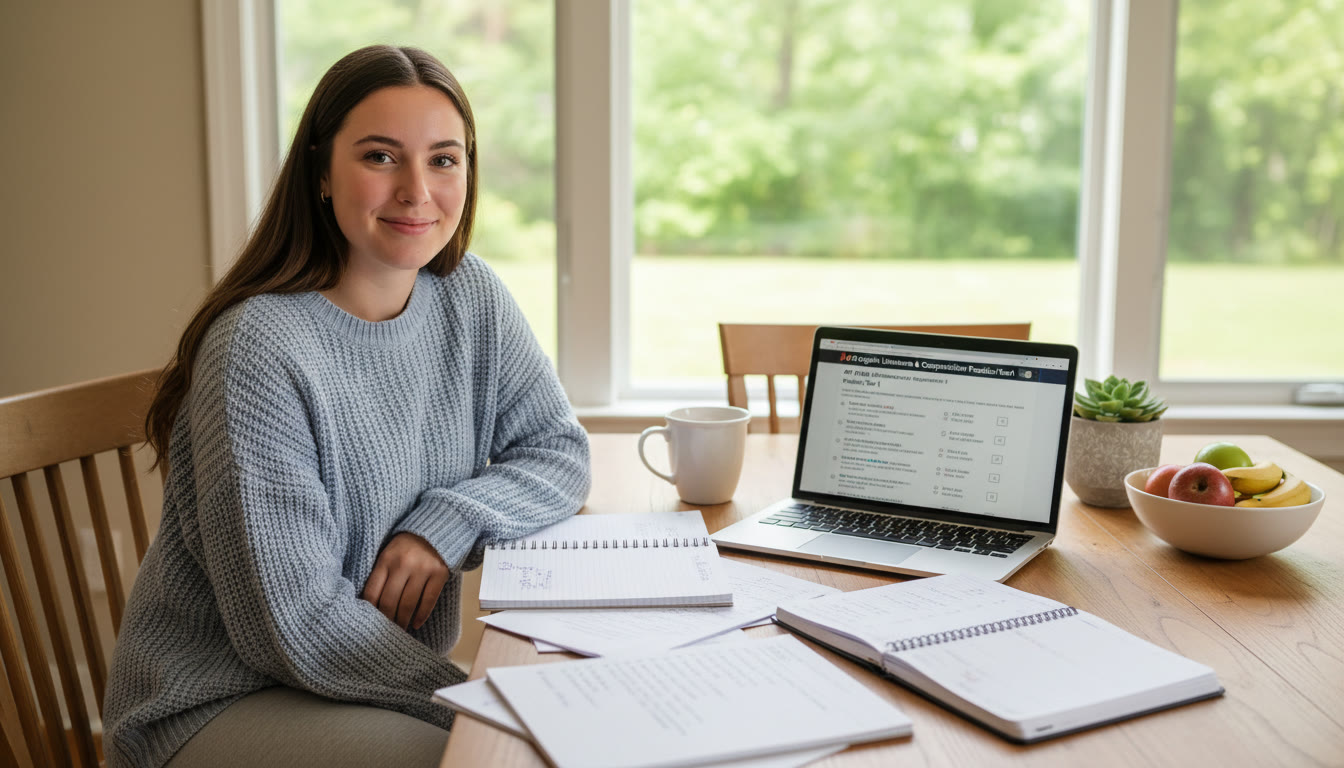
If you’d like a personalized plan to recover study momentum after an illness, or a focused one-on-one run-through of high-yield topics, consider reaching out for tailored tutoring that builds a step-by-step recovery schedule and matches you with an expert AP tutor. A few targeted sessions can make the difference between scrambling and feeling confident again.
Quick takeaway checklist
- Measure and document symptoms right away.
- Contact your AP coordinator immediately and follow their guidance.
- Collect evidence: thermometer photos, parent notes, medical notes.
- Decide: test only if safe and mentally able; otherwise, prioritize late testing or makeup options.
- Rest, recover, and use a tailored study plan to rebuild momentum.
Take care of yourself. You’ve prepared for this exam—your preparation doesn’t vanish because one day goes sideways. With calm planning, clear communication, and the right support, you’ll get back on track stronger than before.
























No Comments
Leave a comment Cancel