
Why Lab Safety and Consent Matter — More Than Just Rules
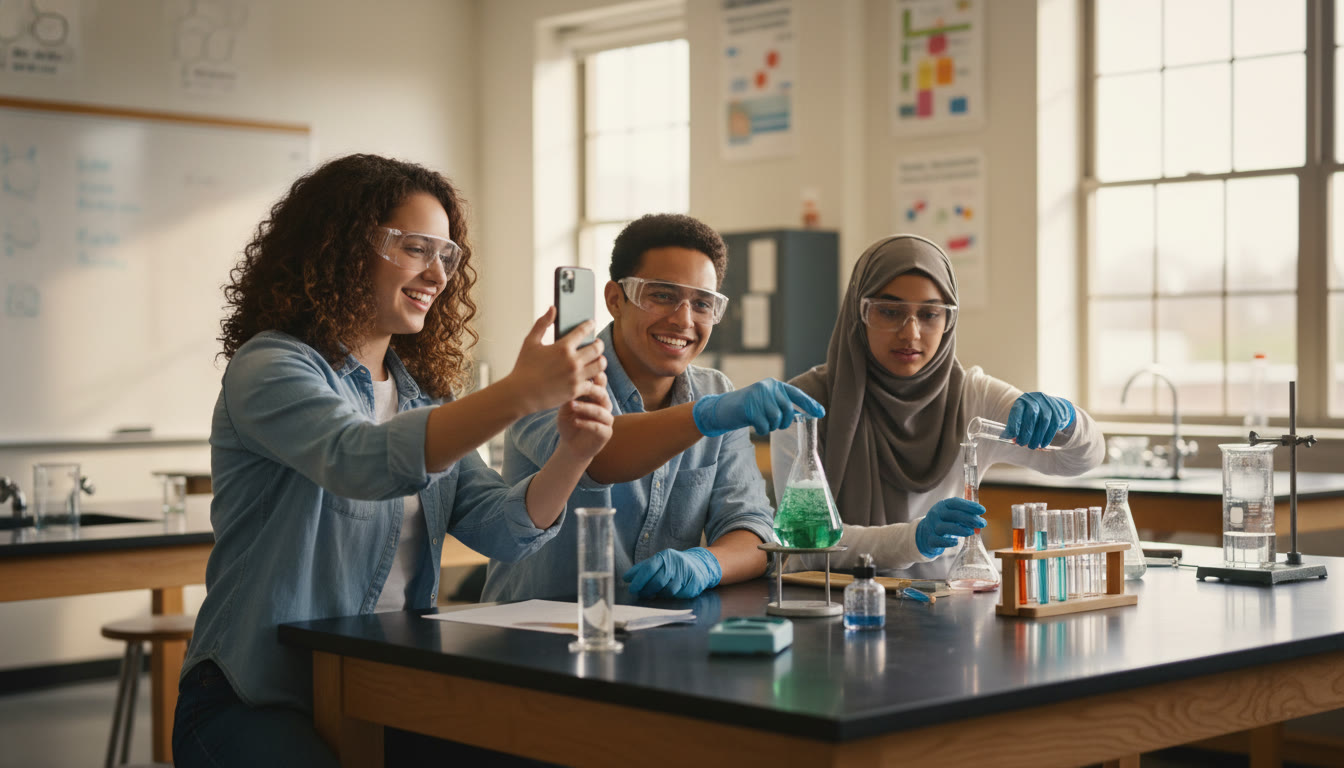
Walking into a science lab feels exciting: equipment hums, experiments promise discovery, and cameras on phones are ready to capture that beautiful chemical color change. But alongside the thrill sits a responsibility — to keep everyone safe and to treat people’s privacy with respect. For students preparing for AP science courses, mastering lab procedures is only part of the picture. Understanding how to safely document experiments with photos or videos, and when and how to get consent, is essential not only for grades but for developing professional habits you’ll carry into college and beyond.
Who this guide is for
This guide is written for AP students and their parents who want clear, practical advice about:
- Basic lab safety expectations when recording experiments
- When photos or videos are appropriate and when they aren’t
- How to request and document consent from peers and teachers
- How to store and present visual evidence responsibly (for reports, portfolios, or AP Investigative work)
- Simple, ready-to-use language for asking permission
Safety First: Protocols That Never Change
Before any camera comes out, safety protocols must be followed, every time. These behaviors protect you and everyone around you and ensure that your documentation doesn’t become a hazard.
Essential safety checklist before documenting
- Wear the required personal protective equipment (PPE): goggles, lab coat, closed-toe shoes, and gloves as instructed.
- Keep cameras or phones away from open flames, hot plates, corrosive chemicals, or biological materials unless the instructor explicitly allows and supervises it.
- Use a stable mount or tripod where possible — shaky handheld shots near hazardous setups increase risk.
- Maintain sterile or contained zones: do not bring personal devices into areas that must remain sterile (e.g., certain biology protocols) unless explicitly permitted.
- Know emergency procedures and keep exits and eyewash stations unobstructed by filming equipment.
Remember: a neat bench and clear safety boundary are as important as good lighting for a photo.
Consent 101: Respect, Clarity, and Documentation
Consent is about respect and clarity. In a lab full of minors, there are two layers to consider: school policy and personal comfort. Even when photography is allowed by the school, you should always get the explicit consent of individuals who will appear in the images or videos.
When do you need consent?
- Any time an identifiable person will appear in a photo or video.
- When the media will be shared beyond the immediate classroom (class websites, social media, presentations, or AP portfolios).
- When the content could capture sensitive information (student data, faces, medical reactions, or mistakes that could embarrass someone).
Note: If you’re unsure whether someone is identifiable in an image, treat it as if they are and ask. It’s better to be explicit than to assume.
Simple consent practices that actually work
- Ask verbally and plainly: “May I take a photo/video of you doing this experiment that I’d like to include in our lab report?”
- Clarify use: Say where the photo will be used (classroom, AP portfolio, presentation, or social media) and for how long it will be stored.
- Offer alternatives: “I can crop you out or photograph only the setup if you prefer.”
- Document consent: Keep a quick written log with names, date, and the intended use (a shared spreadsheet or a teacher-kept consent sheet works well).
- Understand and respect a refusal without pressure or follow-up questions that make someone uncomfortable.
Practical Scripts: What To Say and How To Write It Down
Students often worry about sounding awkward when asking for permission. Here are short scripts you can use in different situations.
Scripts for in-the-moment consent
- Friendly, in-person: “Hey Alex, can I record this step for our AP lab report? I’ll only use the footage in class.”
- Group situation: “We’d like to photograph the whole group during the titration. Is everyone okay with that?”
- When someone declines: “No problem—thanks for telling me. I’ll take photos of the apparatus instead.”
Written consent entry example (for a teacher log)
Keep entries short and standardized. Example row:
| Date | Student Name | Consent Given For | Intended Use | Signed/Initials |
|---|---|---|---|---|
| 2025-10-08 | Jamie Rivera | Photo and 30s video | AP Lab Report and Classroom Presentation | JR |
Privacy Considerations for AP Coursework and Portfolios
AP courses sometimes require creating portfolios, lab notebooks, or investigative reports that include visual evidence. When those materials might be viewed by others beyond your teacher — such as AP exam graders, college admissions reviewers, or online class showcases — privacy becomes even more important.
Best practices for using images in AP reports
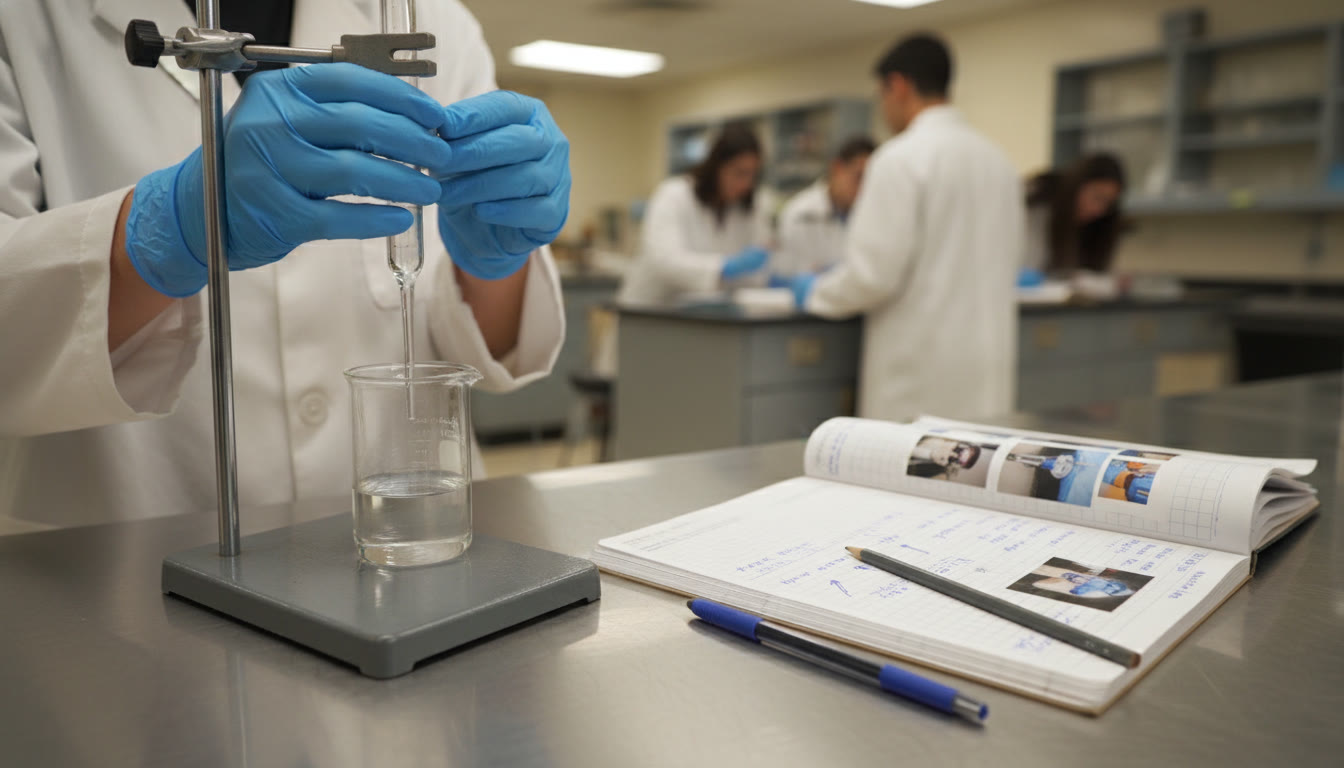
- Prefer photos of apparatus and close-ups of results rather than faces or students performing tasks.
- Redact or blur identifying information (names, student IDs, faces) when sharing files beyond the classroom.
- Keep a separate teacher-approved folder for portfolio media and note who has access.
- If you’re submitting visual material as evidence for an AP Investigative project, check your instructor’s policy on consent and follow the documentation standard they provide.
When Accidents Happen: Recording Safety Incidents and Consent
Sometimes photos or videos are valuable as documentation after an incident—spills, unexpected reactions, or equipment failures. In those cases, documentation helps the teacher, safety officer, or administration understand what happened and prevent recurrence. But even then, you should be careful about sharing images.
How to document incidents responsibly
- Prioritize care: stop and assist anyone who is injured before documenting.
- Get the teacher’s permission to take photos of the scene for an incident report.
- Limit images to the necessary details: focus on the setup, spilled materials, or damaged equipment rather than on injured students’ faces.
- Securely hand the images to the teacher or safety officer; do not post them online or share them with classmates without explicit authorization.
Practical Table: Quick Decision Flow for Taking Photos/Videos in the Lab
Use this simple decision table to quickly decide whether to take a photo or video.
| Question | Yes | No |
|---|---|---|
| Is PPE correctly worn and all safety protocols followed? | Proceed to next question | Stop. Correct safety issues first. |
| Will the image include identifiable people? | Ask for explicit consent from each person | Proceed but still check for sensitive info |
| Will the media be shared outside the classroom? | Get written consent and teacher approval | Still log the image and its intended use |
| Does the image show sensitive or embarrassing details? | Consider alternatives (crop, blur, apparatus only) | Capture and store securely |
Storage, Security, and Sharing: Where Your Media Lives
A well-meaning student might store lab photos on their phone and later lose the device or accidentally upload something public. Treat visual evidence the way you would any academic work — with careful security and clear sharing rules.
Recommended storage workflow
- Immediately transfer classroom media to a teacher-approved, secure location (school cloud drive or a locked classroom folder).
- Avoid storing raw lab photos in personal social media accounts or public folders.
- Label files with date, experiment name, and creator, and note whether consent was obtained for anyone depicted.
- When sharing for presentation, export a copy that has identifying details removed if necessary.
Teaching Moments and Role of Educators
Teachers set the tone. When instructors model asking for consent, logging permissions, and prioritizing safety, students adopt those norms faster. A good teacher will explain the reasoning behind each rule — not just enforce it — which helps students internalize responsible practices.
Suggestions teachers can use (for parents to discuss with schools)
- Provide a standard consent form at the start of the term for parents and students to sign, covering classroom documentation and specific exceptions.
- Create a visible lab policy poster that lists dos and don’ts for photography and video recording.
- Include a short lesson on documentation ethics during the first lab session.
- Keep an incident log and media repository behind teacher-only access.
Examples: Good and Bad Practices — Short Scenarios
Concrete examples help make the rules memorable.
Good practice
During an AP Chemistry titration, Maria asks her group: “Is it okay if I take a short video of the endpoint for our lab report? I’ll only use it in class.” The group agrees and Mary signs a quick consent line in the teacher’s log. Maria records the setup only and crops classmates out during editing. The footage goes into the class folder, labeled with the date and consent initials.
Poor practice
Without asking, someone posts a clip of a student slipping while using a pipette on a public social platform. The student is upset, and the clip spreads. The teacher must now address both the safety lapse and the privacy breach—an avoidable situation.
How Students Can Prepare for AP Assessments While Staying Responsible
AP assessments value rigorous methodology and clear evidence. You can present strong, ethical documentation that demonstrates your understanding while protecting classmates’ privacy.
Tips for building an AP-friendly evidence portfolio
- Prefer images of apparatus, graphs, instruments, and result close-ups over people-focused shots.
- Annotate images in your report: explain what the image shows, why it’s relevant, and how it links to your data.
- Use captions to record date, experiment step, and the consent status for each image.
- If your AP project requires participant data, ensure you have written parental consent where necessary and an IRB-style approval from your school if applicable.
Support and Tutoring: How Personalized Help Makes a Difference
Preparing top-quality AP coursework requires mastering content and developing good lab habits. Personalized tutoring, like Sparkl’s 1-on-1 guidance, can help students craft clear documentation plans, rehearse consent language, and practice lab safety protocols. Tutors can review your planned photos and captions, provide feedback on how to anonymize images, and help you prepare professional lab reports that meet AP standards.
Final Checklist — Quick Reference for Every Lab Session
- Wear PPE and confirm all safety steps before any recording.
- Ask for verbal consent from everyone who might appear; get written consent for outside sharing.
- Document consent in a dated log with initials and intended use.
- Capture images of the apparatus and results first; minimize faces.
- Transfer media to teacher-approved storage and label it clearly.
- Never post images publicly without express permission from those shown and the teacher.
Wrapping Up — Building Habits That Last
Good documentation in the lab is a mix of technical skill and interpersonal respect. The best AP students are not only precise in their measurements but thoughtful in how they represent others and their work. Practicing clear consent requests, prioritizing safety above a perfect shot, and storing images responsibly will serve you through AP exams, college labs, and beyond.
If you’d like help preparing lab documentation for an AP portfolio or practicing the right wording for consent conversations, consider a few sessions of personalized tutoring. A coach can role-play scenarios, review your evidence portfolio, and help you present work that’s both strong and ethically sound.
Final thought
Science is a shared endeavor. Keeping everyone safe and respected while capturing the excitement of discovery makes you a stronger scientist and a better classmate. Learn the rules, practice the scripts, and remember: a good photo is only meaningful when it doesn’t come at someone else’s expense.
















No Comments
Leave a comment Cancel