
Music or Silence: Making the Choice That Actually Helps You
You’ve sat down to study for an AP exam—maybe AP Chemistry, AP United States History, or AP Music Theory—and the question pops up like the chorus of a familiar song: should I put on music or keep it quiet? It’s one of those deceptively simple decisions that can feel dramatic when you’re racing through a syllabus and trying to squeeze meaning out of practice tests. The truth is there’s no universal answer, but there is a way to find what works for you—deliberately, scientifically, and with a touch of creativity.
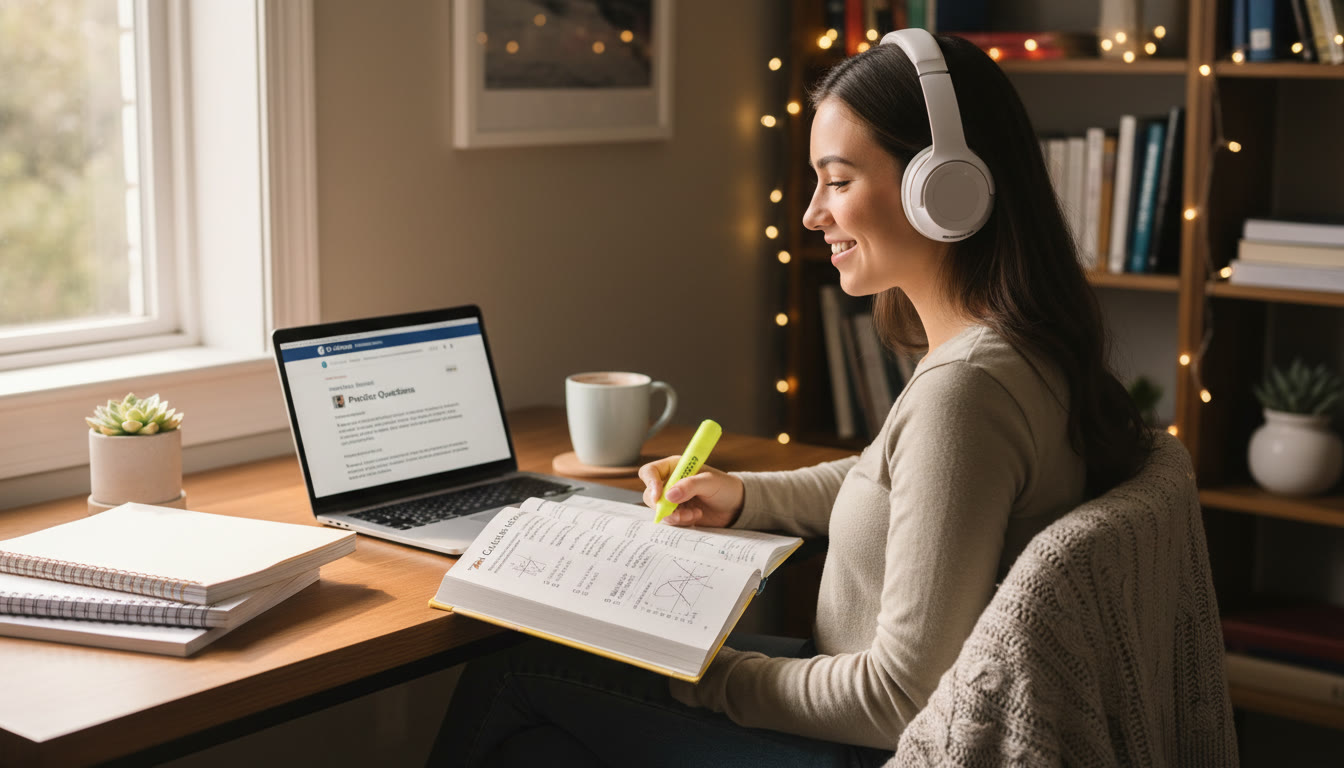
Why this matters for AP students
AP exams reward focus, accurate recall, and the ability to transfer knowledge under pressure. Your study environment shapes how well you build those skills. For subjects heavy on conceptual reasoning (think AP Calculus or AP Physics), uninterrupted concentration may be critical. For memorization-heavy or repetitive practice (like AP Biology terminology or AP Language rhetorical patterns), certain kinds of background sound can make time pass easier without sacrificing retention.
Beyond the subject, your own brain chemistry, stress levels, and study goals matter. Are you trying to learn new concepts, reinforce facts, edit an essay, or simulate exam conditions? Each task can benefit from a different soundscape—or none at all.
What the evidence and classroom experience say (in plain language)
Researchers have looked at how music, ambient noise, and silence influence attention, memory, and mood. The takeaway for students is straightforward: context and individual differences dominate any single-solution approach.
- For focused cognitive tasks that require working memory (solving multi-step problems, parsing complex sentences, analyzing graphs), silence or very low-level ambient sound tends to be better.
- For repetitive practice, note-taking, or creative tasks, low-tempo instrumental music or nature soundscapes can reduce perceived effort and help maintain longer study sessions.
- Lyrics often compete with language processing. If you’re reading passages, writing essays, or learning foreign-language vocabulary, instrumental tracks are usually safer.
- Bright, loud, or highly dynamic music can be distracting; consistent, unobtrusive backgrounds are what most students find helpful.
But remember: averages don’t decide your study life—you do. Use these findings to experiment, not to feel boxed into a rule.
Match music or silence to the type of AP task
1. Learning new, concept-heavy material
When you’re tackling fresh topics—new theorems in AP Calculus, unfamiliar mechanisms in AP Chemistry, or dense passages for AP English—aim for silence. Your brain needs full access to working memory and language systems; anything that competes with those systems can increase error rates and slow comprehension.
2. Practice and repetition
Flashcards, solving sets of similar problems, and timed multiple-choice practice are excellent places to try low-intensity music. The right playlist can extend productive time-on-task and make practice less tedious.
3. Essay writing and editing
For AP essays—whether argument essays on AP U.S. History or prose analysis in AP Literature—most students benefit from near silence or very minimal instrumental sounds. Lyrics can intrude into your rhetorical thinking and sentence-level decisions.
4. Creative and associative tasks
Work that benefits from associative leaps—like brainstorming a thesis for a research-based AP seminar project or composing harmonies for AP Music Theory composition tasks—can thrive with ambient or instrumental playlists that inspire rather than demand attention.
Practical strategies: how to test what works for you
You don’t need to reinvent study science—just run fast, structured mini-experiments. Here’s a simple 4-step approach to discover whether music or silence helps you most.
- Set a clear, measurable task. Example: complete 25 practice multiple-choice questions from an AP practice set in 40 minutes and track accuracy.
- Choose one sound condition for the session: silence, low-volume instrumental, or music with lyrics. Limit each condition to a single test block.
- Repeat across three sessions on different days to reduce randomness. Use the same kind of task each time for apples-to-apples comparison.
- Compare outcomes: completion time, error rate, and subjective focus (rate 1–10). Note which condition supported your best combination of speed and accuracy.
Over a week, this gives you a tailored rulebook rather than a guess: “I will use silence for new material and low-volume piano for flashcard drills.”
Designing effective playlists for AP study
If music helps you, curate it intentionally. Here are playlist design rules that students swear by.
- Choose instrumental or ambient tracks for language-heavy or reading tasks.
- Keep tempo moderate (60–90 BPM) to avoid adrenaline spikes that reduce careful reasoning.
- Prefer continuous mixes or long tracks to avoid interruption by song intros, lyrics, or ads.
- Use “focus mode” streaming playlists or offline files to remove unexpected interruptions.
- Rotate playlists by task to avoid the same songs creating context-dependent memory cues that might hurt recall in an exam room.
Sample playlist ideas
- Instrumental Piano Mix — for intense reading or problem solving.
- Low-Volume Lo-Fi Beats — for spaced practice and note review.
- Nature Ambience (rain, river) — for calming breaks or revision before sleep.
How to simulate test conditions
One nightmare scenario is doing all your study with music and walking into the AP exam room where it’s silent: your brain may flounder without the sound cue it used while encoding information. To avoid this, mimic exam conditions regularly.
- Periodically study in silence for at least one session per week, especially when approaching a full-length practice exam.
- Try mixed sessions: start with 25–50 minutes of study with music, then finish with 20–30 minutes of silence to practice the switch.
- Take at least a couple of full timed practice exams in silence (or with only approved testing-room ambient noise) to adapt.
Tools and techniques to optimize both music and silence
Good habits can amplify small advantages. These are practical, low-friction tools you can implement today.
- Noise-cancelling headphones: useful when you prefer silence in noisy environments like a library or cafe.
- Pomodoro-style timers: break study into focused bursts with scheduled short breaks—helps whether you use music or silence.
- Volume presets: set a consistent volume level you test; too loud is distracting, too soft becomes indistinguishable and ineffective.
- Study logs: record the environment, music condition, task type, and outcome. Patterns appear fast when you look for them.
When music can actively harm your study
There are certain scenarios where music is more likely to hurt than help:
- Learning a new language or reviewing foreign vocabulary—lyrics compete directly with verbal memory circuits.
- Trying to absorb dense written passages for comprehension questions—lyrics or highly rhythmic music can lower reading efficiency.
- Studying for timed sections that require intense calculation or multi-step reasoning—any interruption increases cognitive load.
If you notice your error rate creeping up or your time per question increasing, silence might be your fastest path back to efficiency.
Case studies: how different AP students use sound
Real students often blend approaches. Below are three quick profiles showing how different learners match sound to task.
- Riya, AP Biology: Uses low-energy instrumental playlists for flashcards and lab-report drafting. Switches to silence for reading dense chapters or doing practice FRQs (free-response questions).
- Marcus, AP Calculus: Prefers silence when learning new theorems. Uses lo-fi beats for sets of practice problems to maintain pace during long problem sets.
- Amy, AP English Lang: Writes outlines and thesis statements in silence, but listens to ambient piano while drafting initial paragraphs to keep momentum.
Table: Quick decision guide by task
| Task | Recommended Soundscape | Why |
|---|---|---|
| Learning new concepts (readings, lectures) | Silence | Protects working memory and comprehension |
| Repetitive practice (flashcards, problem sets) | Low-volume instrumental or ambient | Reduces boredom and supports sustained effort |
| Timed multiple-choice practice | Silence or soft instrumental (test it) | Minimizes distractions for speed and accuracy |
| Essay drafting and editing | Silence or very minimal background | Language production is sensitive to lyrical interference |
| Creative brainstorming and synthesis | Ambient or inspiring instrumental | Supports associative thinking without imposing lyrics |
Sleep, memory consolidation, and study timing
Sleep is when your brain consolidates what you’ve learned. Studies show that a good sleep schedule improves retention far more than an extra hour of late-night cramming. If music helps you relax and get to sleep earlier, it indirectly boosts learning. Conversely, loud or arousing music before bed can backfire.
Recommendation: use calming, lyric-free playlists during wind-down periods when you’re revising before sleep. Pair it with a short review session of high-priority facts (active recall) and then go to bed—your brain will do the rest.
The role of stress and emotional state
Stress sabotages recall and reasoning. If music reliably reduces your anxiety—turns your racing mind into something calm enough to study—then music is doing more than “background decoration”; it’s functional. That’s why subjective experience matters. If silence raises your stress to a level where you can’t focus, swap in a calming playlist and measure the results.
How to build a personalized study sound policy
Create a short, flexible rulebook you can follow when the pressure is on. Here’s a template you can adapt:
- Primary rule: Silence for new material and formal timed practice.
- Secondary rule: Low-volume instrumental for repetitive practice and long review sessions.
- Exam simulation rule: Two full silent practice tests per month starting six weeks before the exam.
- Sleep rule: Use soothing instrumental playlists if they help you unwind; avoid stimulating music within 30 minutes of bedtime.
Keep the rules short and consistent—decision fatigue is real, and small rituals make big differences on exam day.
When to ask for help: how tutoring can refine your approach
Sometimes the choice between music and silence is less about sound and more about study design. If you’ve tried systematic experiments and still struggle with retention, pacing, or strategy, personalized tutoring can accelerate progress. Tutors can help you:
- Design subject-specific practice sessions that match the AP exam structure.
- Create tailored study plans that schedule silent and music-supported sessions strategically across weeks leading up to an exam.
- Provide 1-on-1 guidance to diagnose when distraction is a symptom of gaps in content knowledge rather than environment.
For example, Sparkl’s personalized tutoring offers expert tutors, tailored study plans, and AI-driven insights that can flag weak areas and adjust practice modes—helping you choose the right study sound for the right task, and making every minute count.
Sample weekly study schedule (with sound policy)
Here’s a practical schedule you can adapt for a six-week build-up to an AP exam. It balances silent learning with music-supported practice and rest.
| Day | Morning | Afternoon | Evening |
|---|---|---|---|
| Monday | New concept study — Silence | Practice problems — Low-volume instrumental | Light review — Ambient music while relaxing |
| Tuesday | Flashcards review — Lo-fi beats | Essay drafting — Silence | Short quiz — Silence |
| Wednesday | Timed MCQ set — Silence (test simulation) | Problem set — Low-volume instrumental | Sleep-focused review — Calming instrumentals |
| Thursday | Group study (discussion) — Background cafe ambient | Concept mapping — Silence | Practice FRQs — Silence |
| Friday | Mock exam or extended practice — Silence | Reflection and errors review — Low-volume instrumental | Rest and light revision — Ambient music |
| Saturday | Deep dive workshop (tutor session) — Silence | Practice sets — Low-volume instrumental | Catch-up or rest — Choice |
| Sunday | Light review and planning — Low-volume instrumental | Free time | Early bedtime with calming playlist |
Using tutoring and tech together
Pairing curated study sound with personalized tutoring is especially powerful. A tutor can observe when mistakes come from distraction versus conceptual gaps and recommend adjustments—maybe switching to silence during specific segments, or using structured music-backed sessions to increase stamina. If you use a service that combines expert tutors and AI-driven insights, you can get data-backed recommendations on which environments produced your best practice results and refine the plan fast.
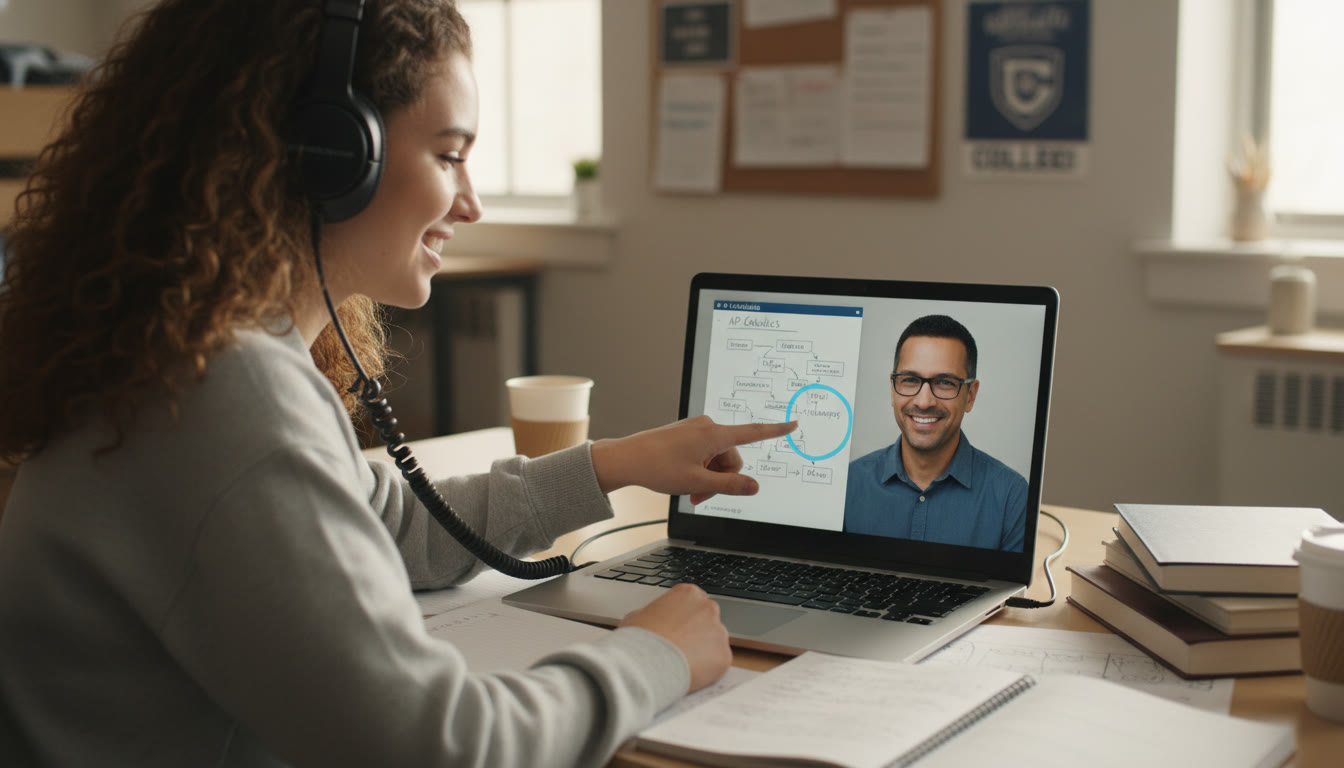
Quick troubleshooting: what to try when nothing seems to work
When focus collapses and neither music nor silence helps, try these quick fixes:
- Switch the task: move to something different for 20 minutes, then return.
- Change the sensory input: get up, stretch, or step outside for sunlight and fresh air.
- Shorten sessions: try tighter 20-minute sprints instead of marathon study blocks.
- Check sleep and nutrition: hunger, dehydration, and poor sleep massively reduce study efficiency.
- Bring in a coach or tutor for a 1-on-1 session to break through the block and reframe practice.
Final thoughts: experiment, adapt, and own your environment
The best students I’ve worked with treat their study soundscape like any other study tool: it’s chosen intentionally, tested honestly, and adjusted as goals change. Your AP exams are about demonstrating knowledge and reasoning under pressure. The environment you cultivate now—silent, musical, or a mix—should support that goal rather than serve as a comfort habit that masks gaps.
Start small: run the three-condition mini-experiment, pick the rules that maximize your accuracy and endurance, and then lock in routines that fit your life. If you need faster progress, reach out for targeted help. Personalized tutoring—like the kind Sparkl offers with expert tutors, tailored study plans, and AI-driven insights—can help you convert noisy trial-and-error into a concise, high-impact plan so every hour counts.
Whether you end up studying with a soft piano under your headphones or in complete silence, what matters most is that you’ve chosen that approach deliberately, practiced under exam-like conditions, and learned how to pivot when a strategy stops working. That kind of clarity is what leads to confident AP performance. Now pick a playlist—or turn it off—and get to work.
























No Comments
Leave a comment Cancel