
Why Post-AP Fluency Matters (And Why Summer Is Perfect)
Congratulations — you survived AP season. Whether you crushed the exam, surprised yourself, or left some questions unanswered, the weeks and months after AP exams are an oddly powerful moment. They’re a soft landing between sprint and next-sprint. If you treat this time well, you’ll avoid the all-too-common “summer brain drain” and start your next year (or college) with momentum.

Keeping skills fresh doesn’t mean cramming or recreating the school year. It means gentle maintenance plus a few smart pushes that convert short-term preparation into long-term understanding. This post lays out a humane, practical plan — with choices you can tailor by AP subject, interest level, and how much time you actually want to spend while enjoying summer.
Core Principles for Smart Summer Retention
1. Consistency Beats Intensity
A 20–30 minute practice session, 3–5 times a week, will protect and sharpen knowledge far better than one marathon day per week. Small doses activate the same memory retrieval pathways without causing burnout.
2. Mix Review With Application
Memory sticks when it’s used. Combine short topical review (flashcards, quick problem sets) with applied activities — experiments, creative writing, small research, or real-world problem-solving tied to the AP subject.
3. Make It Meaningful
People retain what matters. Connect concepts to personal projects (a physics design, an economics blog, a chemistry kitchen experiment, or history research on a local site). Meaning creates mental hooks.
4. Use Active Retrieval
Rather than re-reading, quiz yourself. Try closed-book summaries, writing problems from memory, or explaining topics aloud to a friend — the act of retrieving information strengthens recall dramatically.
Practical Summer Routines by Time Budget
Here are three realistic routines depending on how much time you want to commit. All are flexible; pick subjects and activities you enjoy and rotate them through the week.
| Time Per Day | Example Routine | Why It Works |
|---|---|---|
| 15–25 minutes |
|
Short, frequent retrieval; minimal friction keeps habit strong. |
| 45–60 minutes |
|
Balanced depth and review — good for skill subjects like math, physics, languages. |
| 90+ minutes |
|
Great for ambitious review or building college-level work habits. |
Subject-Specific Ideas That Don’t Feel Like Busywork
AP Calculus / AP Statistics
Do quick application problems and add a daily tiny project.
- Calculus: Model something you see — optimize a garden layout or calculate water flow for a DIY project.
- Statistics: Collect a simple dataset (e.g., daily screen time, local temperatures) and run descriptive statistics and visualizations; write a short interpretation.
AP Biology / AP Chemistry
Bring lab intuition home — safely and creatively.
- Design an informal experiment: test plant growth under different light conditions or compare the pH of common household liquids (with safety precautions and supervision if needed).
- Create one-page summaries for major units (cellular respiration, equilibrium, organic chemistry reactions) with diagrams and questions.
AP English Language / AP English Literature
Read, annotate, and experiment with voice.
- Read 2–3 short novels or several linked essays. Keep a reading journal where you analyze craft and rhetorical choices.
- Practice short timed writes (15–25 minutes) on prompts you invent — then revise once to focus on structure and clarity.
AP History (US, World, European)
Turn passive knowledge into storytelling muscle.
- Choose a theme (trade, migration, technology) and create a 1,200–1,500 word mini-essay weaving primary sources and analysis.
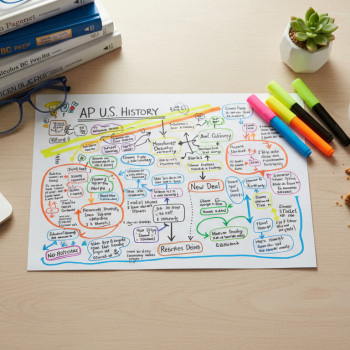
- Spend 30–60 minutes weekly mapping connections across periods — cause and effect chains help long-term retention.
AP Computer Science
Build something small and useful.
- Make a simple app, script, or website. Even a basic task scheduler or a quiz app can reinforce algorithms, data structures, and debugging habits.
- Submit your code to a private repository and write a README that explains your approach.
Projects That Convert Review Into Portfolio Pieces
Summer projects have two wins: they force you to apply knowledge, and they create artifacts you can use in college essays or interviews. Here are ideas by category.
- Science: An independent mini-experiment with a hypothesis, method, results, and poster-style summary.
- Math: A short paper modeling a real-world problem with calculus or statistics, including graphs and conclusions.
- Humanities: A multi-source research piece (1,200–2,000 words) analyzing a cultural or historical topic.
- CS: A small app or automation that solves a daily annoyance — plus a short code walkthrough.
Tools and Techniques to Keep You Honest (Without Overwhelm)
Spaced Repetition and Flashcards
Spaced repetition is science-backed and simple. Use 10–20 high-quality cards per week. Focus on core definitions, formulas, key dates, or rhetorical devices — the building blocks that unlock bigger problems.
Active Recall and Self-Explanation
After reading a page or solving a problem, close the book and explain what you did and why. Record it or teach a friend. This habit trains depth over surface familiarity.
Mini-Mocks and Timed Practice
Once every 2–3 weeks, do a short timed section — one free-response question or a set of multiple-choice problems. Focus on pacing and exam-like conditions; treat it as training, not judgment.
Reflection Logs
Spend five minutes after each session noting what went well, what confused you, and one next-step action. These tiny reflections sharpen subsequent sessions and create a record of progress.
Balancing Rest, Fun, and Learning
Summer should include real rest. Cognitive gains come when learning is interleaved with play and recovery. Here’s a simple weekly balance:
- 3–4 focused mini-sessions (20–60 minutes each)
- 1 medium creative project session (60–120 minutes)
- 2–3 days of low- or no-study leisure
That way, your brain consolidates learning (sleep and downtime are essential for memory) while your motivation stays high.
How to Use Feedback and Personalization — Sparkl’s Example
Personalized support makes summer study far more efficient. For students who want focused accountability, a platform like Sparkl’s personalized tutoring can help by offering 1-on-1 guidance, tailored study plans, expert tutors, and AI-driven insights that highlight weak spots and suggest targeted practice. Even a few check-ins can convert vague goals into clear next steps.
If you don’t use tutoring all summer, consider at least one diagnostic check-in partway through the break: identify patterns of errors, revise the strategy, and set concrete weekly targets. That pivot is what separates aimless review from deliberate improvement.
Sample 8-Week Summer Plan (Flexible Template)
This template is subject-agnostic but shows how to structure a full summer without overload. Tweak it to match your subject and time budget.
| Week | Focus | Activities |
|---|---|---|
| 1 | Baseline & Goals |
|
| 2 | Core Concept Review |
|
| 3 | Skill Building |
|
| 4 | Project Work | Major project: research, experiment, or app development |
| 5 | Application + Reflection |
|
| 6 | Deepen Weak Spots | Targeted practice and 1 tutor or mentor session |
| 7 | Integration | Interdisciplinary project or synthesis writing |
| 8 | Final Review & Next Steps | Mock section, summary portfolio, plan for fall |
Examples: How Real Students Use Summer Study
Here are three short, realistic snapshots — not perfect stories, but practical templates you can borrow.
- Maya (AP Biology): Spends three 25-minute sessions weekly running a plant growth experiment, making weekly lab notes, and creating one-page concept summaries. She uses her notes for a college essay about scientific curiosity.
- Jamal (AP Calculus AB): Codes a simple budgeting spreadsheet to practice integrals and optimization. He does two mini-timed problem sets a week and one big project estimating cost curves for a hypothetical small business.
- Ava (AP Lang): Reads two books and writes weekly 500-word analytical responses, plus timed rhetorical analyses. She meets with a mentor twice for feedback and revises one piece into a polished essay for her portfolio.
Measuring Progress Without Obsession
Progress isn’t always a score on a page. Use a mix of quick quantitative checks and qualitative signals:
- Quantitative: number of timed practice items correct, flashcard retention rate, project milestones completed.
- Qualitative: clarity in explaining concepts aloud, decreased time to start a problem, improved ability to connect ideas across units.
Celebrate small wins and note what still feels fuzzy — that’s your roadmap.
Common Pitfalls and How to Avoid Them
Pitfall: Cramming Right Before School Starts
Fix: Keep steady habits and a simple ramp-up two weeks before classes. Short, spaced sessions beat last-minute marathons.
Pitfall: Too Much Passive Review
Fix: Replace re-reading with active recall — do quick closed-book summaries or practice problems instead of re-highlighting notes.
Pitfall: Losing Motivation
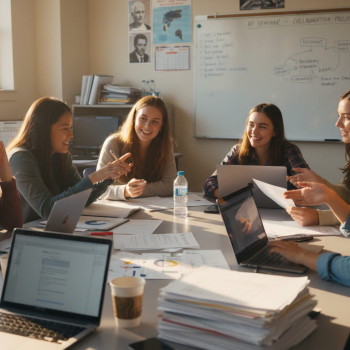
Fix: Make it social or project-based. Swap a couple of sessions for group study, or pick a personally meaningful project that makes learning feel purposeful.
When to Get Extra Help
If you see persistent errors or gaps that don’t respond to 2–3 weeks of targeted practice, that’s the moment to get more guided help. Short, well-timed tutoring sessions can redirect months of lost time into clear improvements. Sparkl’s personalized tutoring approach — with one-on-one guidance, tailored study plans, and AI-driven insights — is an example of how targeted support can identify root causes and accelerate progress, especially when you have limited summer hours.
Final Checklist: A Gentle Summer-Ready Plan
Before you close this tab, here’s a compact checklist you can screenshot and use:
- Set one clear outcome for the summer (retain skill X, complete project Y).
- Pick a weekly time budget (15–25 mins, 45–60 mins, or 90+ mins).
- Create a repeating structure: Review, Apply, Reflect.
- Make one project that turns review into something tangible.
- Plan one diagnostic check-in mid-summer and one at the end.
- Schedule rest days — real downtime improves learning.
Parting Thought: The Summer Advantage
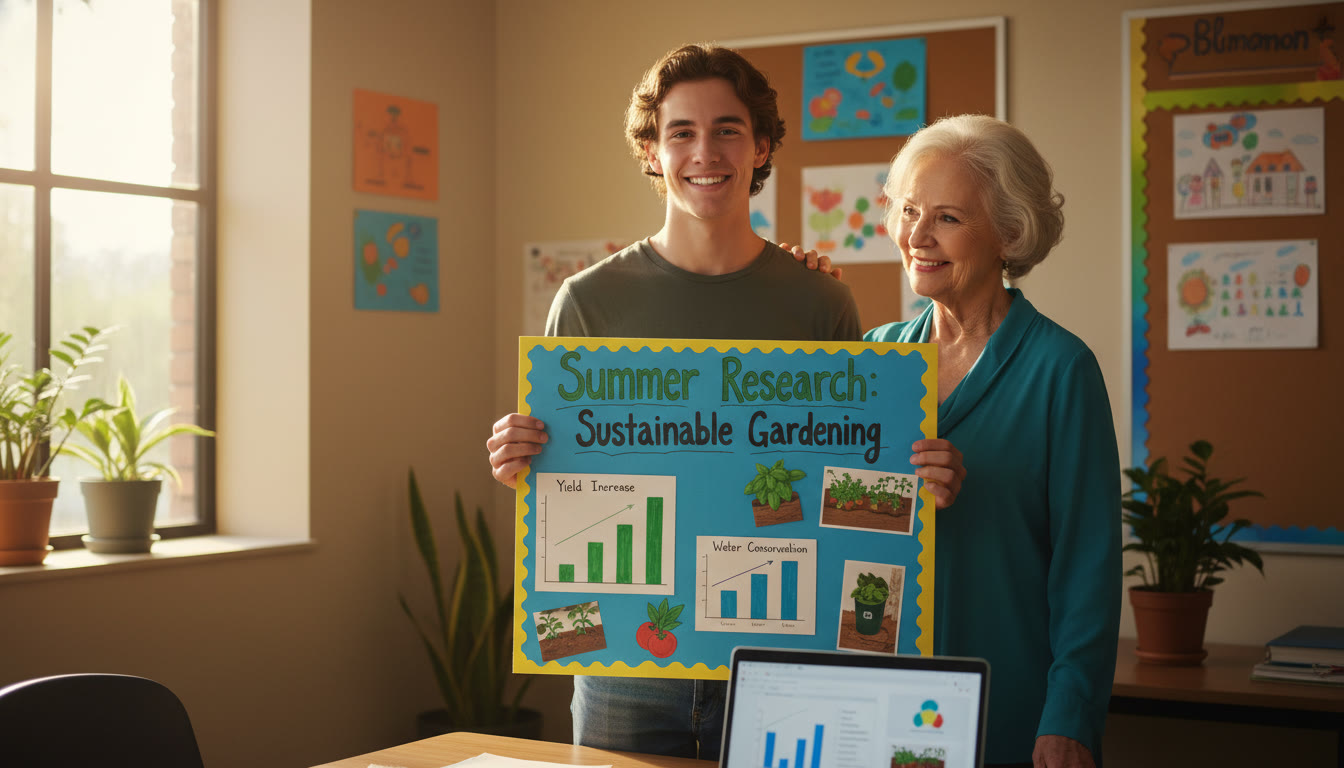
Summer is a rare gift: free space to convert recent hard work into lasting skill. You don’t need to be perfect. You just need steady, meaningful practice and a willingness to tinker, reflect, and adapt. With modest effort and the right structure — plus help when you need it — you’ll return to school smarter, more confident, and with a portfolio of work that actually shows what you can do.
So take the wins from AP season, pick one small habit, and protect it. If you want help turning that habit into a plan, consider a short, personalized check-in with a tutor who can tailor next steps — a little guidance goes a long way. Enjoy your summer, keep your curiosity alive, and let your skills grow quietly but surely.
Ready to Start?
Pick one task from the checklist, schedule it this week, and treat it as a tiny promise to your future self. That promise will pay off faster than you expect.




























No Comments
Leave a comment Cancel