
Requesting Teacher Verification for AP Portfolios: Why It Matters
Preparing an AP portfolio can feel like both an opportunity and a hurdle: an opportunity to showcase your best work and voice, and a hurdle because of the extra steps — like teacher verification — that make it feel official. If you’re a student (or a parent helping a student) facing the task of requesting teacher verification for an AP portfolio, this guide is for you. We’ll walk through the what, when, who, and how with practical scripts, timelines, and tips — all in plain language and with empathy for the stress of these months.

What Is Teacher Verification for AP Portfolios?
Teacher verification is a simple but important confirmation from an authorized educator that the work in your AP portfolio (often for AP Studio Art or AP Capstone components) is authentic and was produced by you during the course or designated time frame. Think of it as the official stamp that tells reviewers: “Yes — we supervised this work and it represents the student’s original effort.” It protects the integrity of the AP assessment and helps ensure fairness across applicants.
Which AP courses commonly require teacher verification?
- AP Studio Art (2-D, 3-D, Drawing) — portfolios usually need teacher approval before final submission.
- AP Seminar and AP Research (parts of the AP Capstone program) — teacher or advisor signatures may be required for certain components.
- Other portfolio-style assessments or coursework-based submissions may also ask for verification depending on the year and specific College Board guidelines.
When Should You Request Verification?
Timing is everything. You want to request verification early enough that there’s time to correct or refine anything the teacher requests, but not so early that you haven’t finished or organized your strongest pieces.
Practical timing rules
- Ask at least 2–4 weeks before your portfolio submission deadline. This creates buffer time for revisions and administrative steps.
- For senior-year students applying to colleges, build in time for school counselors or administrators who may also need to sign or upload verification documents.
- If your school requires an internal review process, find out their internal deadlines and aim to be 7–10 days ahead of that.
Who Can Verify Your Portfolio?
Verification typically comes from a teacher who taught the course, supervised the work, or served as the AP coordinator for your class. In many schools, an AP teacher, an art teacher, or the AP program coordinator signs off. The key is that the verifier is an authorized educator who can vouch for the authenticity of the work.
If your teacher is unavailable
- Check your school’s policy: some schools allow an AP coordinator or department head to verify if the original teacher is absent.
- Document the reason for a different verifier (illness, leave, teacher moved schools) so your school or the College Board can understand the situation if questions arise.
How to Ask: A Step-by-Step Script and Approach
Asking for verification can feel awkward, but framing it as a professional request makes it easier and faster. Below is a step-by-step approach and sample script you can personalize. Keep it respectful, concise, and organized.
Step 1 — Prepare your materials
- Organize the portfolio exactly as it will be submitted (labels, sections, and digital files if required).
- Prepare a short cover note summarizing the pieces and the work period.
- Attach any school forms or College Board verification forms needed.
Step 2 — Pick the right moment
Choose a time when your teacher has a free period, after class, or during office hours — not five minutes before the bell. If your teacher prefers email, send a short, polite message first and ask for a brief meeting.
Step 3 — Use a clear script (email and in-person)
Here’s an adaptable script you can use. Edit to fit your voice — authenticity matters more than being perfect.
- Email subject: Request for AP Portfolio Verification — [Your Name], [Course Title]
- Email body: Hi [Teacher Name], I hope you’re well. I’m preparing to submit my AP portfolio for [Course — e.g., AP Studio Art: 2-D Design] and need teacher verification that the work was completed under your supervision during [semester/year]. Could we schedule a 10–15 minute time for you to review my portfolio and sign the verification? My submission deadline is [date]. I’ve attached the memo listing each piece and the required form. Thank you for your time — I appreciate your help. Best, [Your Name]
In person, bring the organized portfolio, show the strongest pieces first, and be ready to explain the process briefly. Ask directly if they can sign or upload the verification and where they prefer to do it.
What Teachers Need to Verify
Teachers typically verify that:
- The work is original and produced by the student.
- The work was completed within the designated course timeframe.
- The portfolio is complete according to submission requirements.
Common teacher concerns and how to address them
- Incomplete documentation: Provide a checklist and ensure every piece has a title, date, and brief description.
- Quality or readiness: Ask if they recommend any last-minute edits — teachers appreciate being consulted and will often provide quick, actionable feedback.
- Time constraints: If they’re busy, offer to drop off a printed packet or send high-resolution images and the verification form via email.
Filling Out Verification Forms: Checklist and Examples
Many schools or College Board portfolio submissions require a short form with the teacher’s name, signature, date, and a statement about the authenticity of the work. Below is a sample checklist you can print and use before you ask for the signature.
| Item | Done? | Notes |
|---|---|---|
| Portfolio organized and labeled | ⬜ | Include titles, dates, medium |
| Required school/College Board form attached | ⬜ | Printed or digital copy, as requested |
| Teacher briefed on timeline | ⬜ | Deadline: [your submission deadline] |
| Backup copy saved (cloud and local) | ⬜ | Save JPEG/PDF and a separate editable file |
| Email confirmation received from teacher | ⬜ | Request a timestamped note for your records |
Digital vs. physical verification
Some schools accept a scanned signed form or an email confirmation from the teacher; others require the teacher to upload verification through a school portal or College Board system. Confirm the accepted method early and provide what they need to make it simple.
Polishing Your Request: Etiquette and Communication Tips
Good manners and clear communication reduce friction and increase the chance of a prompt verification. Here are specific strategies that work.
Make it easy for your teacher
- Hand them a filled-out form with a blank signature line rather than asking them to complete every detail.
- Include a pre-addressed envelope or a simple upload link if your school requires electronic submission.
- Offer multiple times and flexible ways to meet: in person, during office hours, or via a short video call.
Follow up politely
If you don’t hear back in a week, send a polite reminder: a short email that restates the deadline and thanks them for their time. If they confirm verbally, follow up with an email documenting the agreement — it helps everyone keep track.
What If a Teacher Says No or Is Delayed?
Occasionally a teacher may be unable to verify (for example, if they didn’t supervise the work) or may be delayed. Here’s how to handle those situations calmly and effectively.
If your teacher can’t verify
- Ask the AP coordinator or department head whether an alternative verifier is acceptable.
- Document attempts to obtain verification — dates and emails — so you can present a clear record to your school or the College Board if needed.
If the teacher is delayed
- Request a short extension if the school or submission system allows it.
- Provide any interim evidence of authenticity you can (dated drafts, process photos, or classroom logs) to demonstrate you followed the correct process.
Sample Timeline (8 Weeks Out to Submission)
Here’s a sample timeline you can adapt based on your deadline. Building in a buffer helps avoid last-minute stress.
| When | Action |
|---|---|
| 8 Weeks Out | Finalize selection of pieces and begin polishing. Backup all files. |
| 6 Weeks Out | Prepare portfolio organization and required forms. Draft your email to the teacher. |
| 4 Weeks Out | Request teacher verification and schedule review time. |
| 2 Weeks Out | Address any feedback, collect signatures, and confirm upload method. |
| Submission Week | Submit portfolio and save confirmation emails/screenshots. |
Checklist: What to Hand to Your Teacher
- Organized portfolio (digital folder or printed packet).
- Verification form with fields already filled where possible.
- Summary page listing each piece with a 1–2 sentence description and date.
- Clear deadline and any upload instructions for the teacher.
- A polite thank-you note or small token of appreciation after they sign (optional but thoughtful).
Keeping Records: Why It Helps
After the teacher signs off, save everything. Keep emails, photos of the signed form, timestamps of uploads, and any confirmation receipts. If anything is questioned later, a clear paper trail makes it simple to show you followed the rules.
Real-World Examples and Short Scenarios
These short scenarios show real situations students face and how to solve them quickly.
Scenario 1 — The Busy Teacher
Marisol needed a verification, but her AP teacher was grading finals. She emailed a concise packet, asked for a 10-minute slot after class, and left a printed form on the teacher’s desk with a stamped envelope for the school office. The teacher signed it the next day. Simple planning works.
Scenario 2 — Teacher on Leave
Ethan’s AP advisor left mid-year. He emailed the AP coordinator and provided dated process photos and classroom logs. The coordinator verified the work after a quick meeting. Documentation helped bridge the gap.
How Personalized Tutoring Can Help — A Note About Sparkl
When organizing a portfolio and preparing for teacher verification, personalized support can make a big difference. Services like Sparkl offer 1-on-1 guidance, tailored study plans, and expert tutors who can help you shape your portfolio, refine artist statements, or prepare presentations for your teacher. Their AI-driven insights can point out areas to strengthen and help you plan the timeline so verification happens smoothly and on time. Use tutoring support to build confidence and polish, not as a substitute for the original work.
Final Tips: Calm, Organized, and Confident
- Start early. The single best way to avoid stress is to give teachers and administrators time to act.
- Be organized. A neat packet or well-labelled digital folder reduces friction and shows professionalism.
- Communicate clearly. Short, polite messages are more likely to get responses than long, rambling ones.
- Save receipts. Keep screenshots of uploads and email confirmations for your records.
- Show gratitude. A brief thank-you goes a long way and maintains strong relationships with teachers.
Wrapping Up: You Can Do This
Requesting teacher verification is a small administrative step in a larger journey. Approached with respect, preparation, and a little lead time, it becomes a quick formality rather than a barrier. Keep a checklist, communicate early, and use any available support — including personalized tutoring like Sparkl if you want extra guidance — to make the process smooth. Above all, remember that the work in your portfolio is yours: it’s the story of your ideas, effort, and growth. Let verification be the final, professional chapter that helps your work be seen and judged fairly.
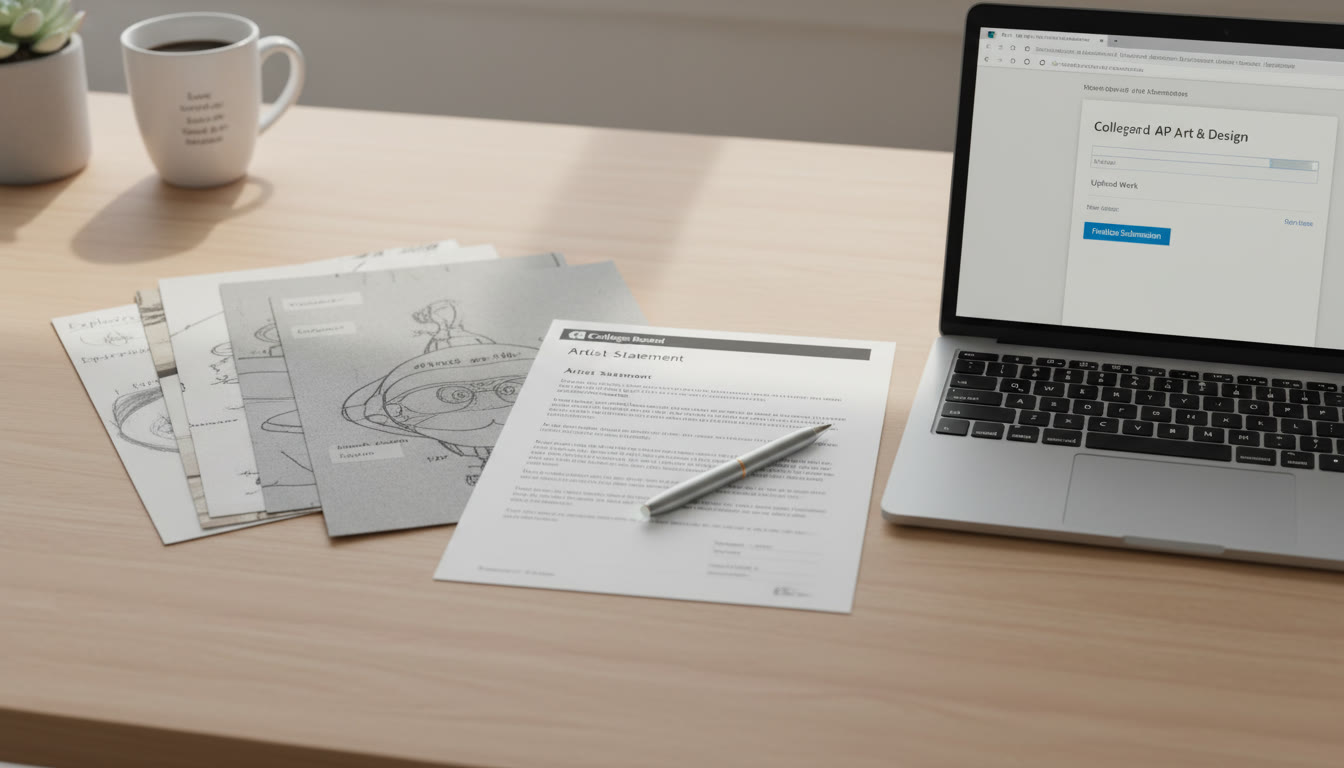
Quick Reference: One-Page Checklist
Keep this one-page checklist handy as you approach submission day:
- Portfolio organized and backed up
- Verification form filled and presented to teacher
- Meeting scheduled or email confirmation received
- Teacher signed/uploaded verification
- Final submission completed and confirmation saved
If you stick to this advice, give yourself time, and communicate kindly, requesting teacher verification will be one of the more manageable parts of your AP portfolio experience. Good luck — and remember: this is a chance to show your best work to a wider audience. Breathe, prepare, and present it with pride.



























No Comments
Leave a comment Cancel