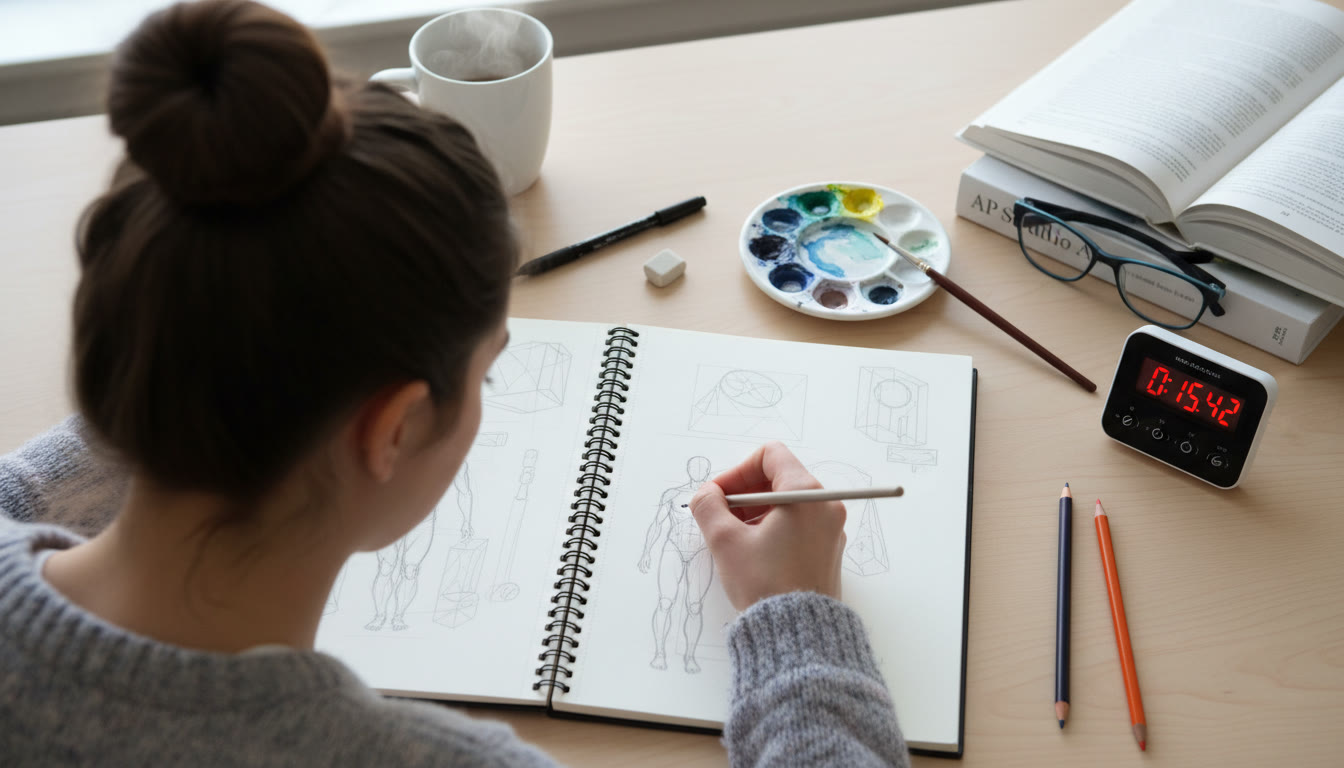

Why Time-Boxed Making Sessions Matter for Student Artists
There’s a gentle myth about creativity: that it arrives when it wants, in bursts of unpredictable genius. For students juggling AP classes, portfolio deadlines, and life, though, waiting for muse moments is a luxury most of us don’t have. Time-boxed making — deliberately reserving short, focused blocks for creating — turns that myth into something practical. It respects the way our attention actually works, helps build consistent momentum, and creates reliable progress toward both artistic goals and AP coursework.
If you’re an AP student balancing rigorous coursework (and maybe AP Art and Design or AP Studio Art portfolio goals), time-boxed sessions can become the rhythm that keeps you moving forward without burning out. This technique is especially helpful when you’re preparing for high-stakes moments: portfolio reviews, AP exam projects, or in-class timed tasks. It’s not about constraining creativity; it’s about giving creativity a safe, fertile container.
What Is a Time-Boxed Making Session?
A time-boxed making session is a predetermined interval — think 25, 45 or 90 minutes — dedicated solely to a creative task. Unlike an open-ended studio time, the session has a clear start, a timer, and a defined purpose. That purpose can be narrow (“complete five quick tonal sketches”) or broad (“experiment with color mixing for 45 minutes”), but the key is commitment to the clock and the intention behind it.
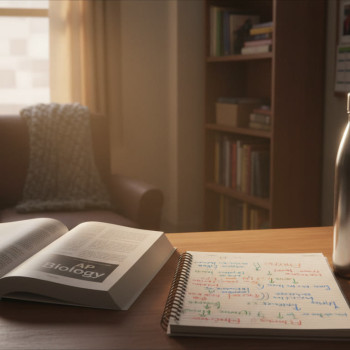
For AP students, the advantage is twofold: you can layer these sessions around your study commitments (for example after a focused AP Biology reading block), and you can build a portfolio of focused, intentional work that demonstrates growth over time.
Science of Focus: Why Short, Timed Sessions Work
Human attention is cyclical. Cognitive science shows that attention and effort have natural limits; pushing too long without breaks reduces quality and increases frustration. That’s why techniques like the Pomodoro (25-minute bursts) have become popular. Time-boxed making borrows this insight but adapts it for creative processes: you want enough time to get into the flow, but not so much that your energy collapses.
Short sessions also reduce the intimidation factor. Starting a two-hour art marathon feels heavy; starting a 30-minute experiment feels doable. Over weeks, many small sessions compound into substantial progress. For busy AP students, this approach makes artistic practice compatible with academic rigor.
Benefits for AP Students and Portfolio Development
- Consistent progress: Daily or near-daily sessions produce visible improvement over time.
- Better time management: Clear boundaries help balance AP study time with creative practice.
- Higher-quality work: Focused bursts maintain higher attention than long, distracted sessions.
- Stronger portfolios: Intentional, iterative work shows growth — a major plus for AP Art and college submissions.
- Reduced perfectionism: Short sessions encourage experimentation rather than over-polishing every piece.
Designing Your Time-Boxed Routine
Not every length fits every task. The trick is matching session length to the activity and to your mental energy. Below is a practical framework you can adapt.
Session Length Guide
| Task Type | Recommended Session Length | Why It Works |
|---|---|---|
| Quick Sketching / Warm-ups | 15–25 minutes | Short, low-pressure bursts prime the hand and eye without demanding content. |
| Focused Study or Technique Practice | 30–45 minutes | Allows time to deeply practice a concept (e.g., perspective, shading) without fatigue. |
| Experimentation / Mixed Media Play | 45–70 minutes | Longer blocks support exploration when you need time to set up materials and try variations. |
| Assembly / Polishing Portfolio Pieces | 90–120 minutes (with breaks) | Complex or final work benefits from longer sessions but schedule brief pauses to maintain quality. |
Choose a base length for most days — many artists find 45 minutes to be a sweet spot — and adjust around deadlines or energy levels. If you’re prepping for AP exams or portfolio submissions, increase intensity closer to deadlines, but safeguard rest to prevent burnout.
How to Structure a Single Time-Boxed Session
A good session has four simple parts: intention, warm-up, focused work, and reflection. Here’s a step-by-step you can use tonight.
1. Intention (2–3 minutes)
Write one sentence: “Today I will…” Keep it specific. Example: “Today I will create three 10-minute gesture sketches focusing on weight distribution.” A clear intention channels your time-boxed energy.
2. Warm-Up (5–10 minutes)
Do rapid sketches, tonal exercises, or color swatches. Warm-ups activate the motor memory and quiet self-critique so the main session flows.
3. Focused Work (Main block)
This is your dedicated making time. Silence notifications. Use a visible timer. If your attention drifts, note the distraction and quickly return. It’s normal for focus to waver; the structure helps bring it back.
4. Quick Reflection (3–5 minutes)
End with a concise note on what worked and one next step for the next session. These tiny reflections are gold when you review progress at portfolio time or when you prepare AP project statements.
Practical Tips to Make Time-Boxes Stick
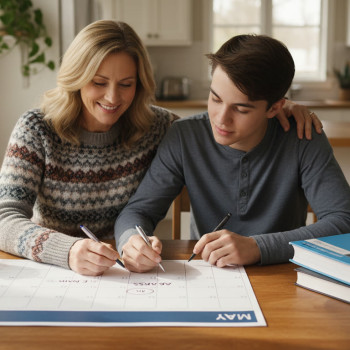
- Schedule creative blocks like classes — put them in your calendar and treat them like appointments you keep.
- Batch similar tasks. Grouping preparatory work (mixing paints, stretching paper) saves transition time later.
- Use visible timers — physical or on-screen — to reduce the urge to second-guess the clock.
- Keep a short supply kit handy for quick sessions: a sketchbook, a small set of pencils, an eraser, and a portable watercolor set.
- Honor low-energy days: swap a high-intensity session for a reflective one (photographing work, labeling pieces, writing the artist’s statement).
Balancing AP Study and Making Sessions
As an AP student, blocks of effective study are precious. Time-boxed making sessions need not compete with that time; instead, they can complement it. Think of creative time as a reset: a way to rest your language and logic-focused brain while keeping you productive.
Try placing a 30–45 minute art session between two AP study blocks. You’ll return to math or history with renewed clarity, and the creative practice will feel like a reward rather than a distraction. Over semesters, this rhythm reduces the last-minute cram for both AP projects and art portfolios.
Using Time-Boxes to Build an AP Art Portfolio
AP Art and Design exams expect evidence of sustained investigation, intentionality, and growth. Time-boxed sessions map naturally onto these expectations because they produce regular, documented progress. Here’s how you can structure your portfolio work across a semester.
Semester Roadmap Example
| Phase | Weeks | Session Focus |
|---|---|---|
| Exploration | 1–4 | Short daily time-boxes experimenting with materials and themes. |
| Development | 5–10 | Longer blocks refining promising directions and building series. |
| Concentration | 11–14 | Focused sessions on final pieces and documentation. |
| Polish & Submit | 15–16 | Assemble, photograph, annotate, and finalize portfolio submissions. |
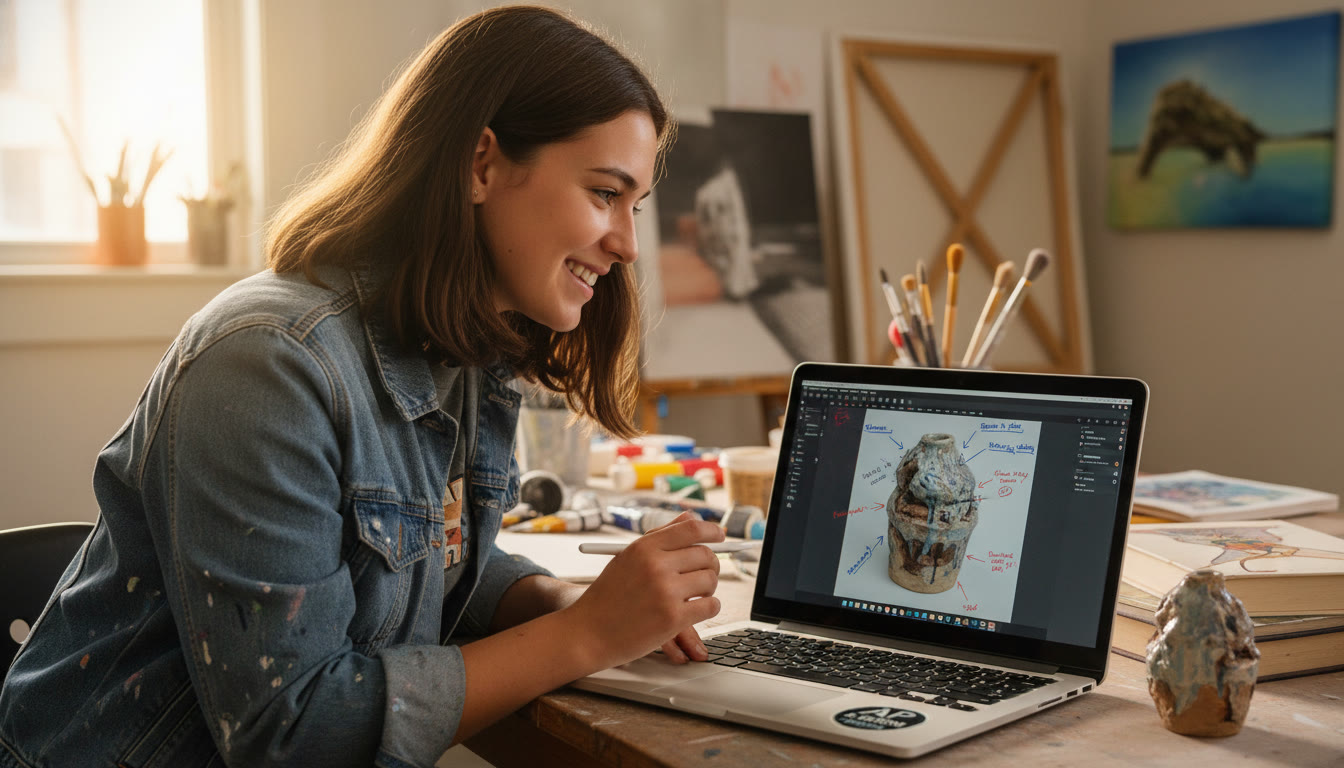
Each week, reserve one or two longer time-boxes to move pieces from rough experiments to finished work. Keep a visual log — photographs or scans — of each session so you can show the portfolio’s evolution when writing your AP project statements.
Examples and Mini-Routines You Can Try This Week
Below are concrete mini-routines that fit different schedules.
Busy Week (5 sessions)
- Monday: 25-minute gesture practice before dinner.
- Wednesday: 45-minute color study focusing on two palettes.
- Friday: 30-minute mixed-media experiment (collage + ink).
- Saturday: 90-minute longer session for one developing piece.
- Sunday: 20-minute reflection and photographing your week’s best work.
Prep for an AP-Related Deadline (Intensified Week)
- Daily: two 45-minute sessions — one morning warm-up, one evening development block.
- Midweek: replace one session with portfolio documentation (photograph, label, notate).
- Final day: 120 minutes for finishing touches, then a restful, non-creative evening.
How to Avoid Common Pitfalls
Time-boxing sounds simple but small mistakes can undermine it. Here’s how to sidestep the most common traps.
Pitfall: Turning Every Session Into Perfectionism
Fix: Set specific, modest outcomes. If the session is for exploration, give yourself permission to produce rough material. Label sessions as “Experiment” or “Finish” to remind your brain of the goal.
Pitfall: Skipping Warm-Ups
Fix: Commit to a 5–10 minute warm-up. It’s the quickest way to make the main session more productive.
Pitfall: Overpacking Tasks Into One Session
Fix: Limit to one primary goal plus one small secondary task. If you find yourself trying to “do it all,” the session loses focus.
Tools, Timers, and Environment
You don’t need fancy gear to time-box, but a few thoughtful tools help:
- Timer app with fixed intervals and short alarms. Look for apps that disable notifications during the session.
- Dedicated sketchbook or digital folder for session work to keep artifacts organized.
- Comfortable, well-lit workspace; good ergonomics preserve energy for longer sessions.
- Simple supply kit for quick sessions so setup time doesn’t swallow your block.
Using Reflection to Build Momentum
Reflection is what converts scattered sessions into a cohesive body of work. At the end of every session, answer two quick questions in a notebook or a notes app:
- What went well?
- One specific next step for the next session.
Over time, these micro-notes create an invaluable map of progress that you can refer to when preparing AP project statements or writing artist statements for college applications.
Where Personalized Tutoring Fits In
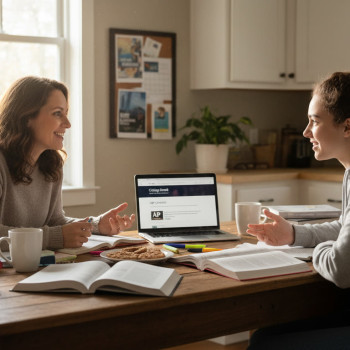
Structured creative practice pairs powerfully with targeted guidance. A personalized tutor or mentor can help translate your time-boxed experiments into portfolio-ready pieces, provide technical feedback, or help craft coherent artist statements. If you’re juggling AP demands and artistic growth, consider occasional 1-on-1 sessions with a tutor who can deliver tailored study plans, pinpoint weaknesses, and suggest efficient practice routines. For students seeking that combination of structure and creative freedom, Sparkl’s personalized tutoring offers 1-on-1 guidance, tailored study plans, and expert feedback that can be integrated into your time-boxed workflow — helping you maintain focus while making art that meets AP expectations.
Measuring Progress Without Losing Joy
Metrics are useful, but they should support creativity, not swamp it. Track a small set of indicators:
- Number of sessions completed per week.
- Pieces moved from sketch to finished per month.
- Techniques tried — aim for breadth and depth.
Once every month, review your visual log and pick three pieces that show the most growth. Write short notes on why they’re meaningful. This process keeps deadlines in perspective and helps you build a narrative — a crucial asset when you write about your work for AP submissions.
Real-World Context: How Artists and Students Use Time-Boxes
Many practicing artists use variants of time-boxing — morning sketch rituals, afternoon studio sprints, or evening review sessions. For students, these practices often intersect with classwork: a 45-minute studio session after an AP Calculus block can be restorative, while a Saturday 90-minute block can align with a teacher’s portfolio feedback schedule.
Time-boxed making also prepares you for the pressure of timed AP tasks. When you’ve practiced delivering concentrated effort in a set window, the timed nature of exams feels less foreign — you’ve trained your brain to create under constraint.
Sample Weekly Plan (Student-Friendly)
| Day | Morning | Afternoon | Evening |
|---|---|---|---|
| Monday | AP Study: 60 minutes | Class | Art Session: 30 minutes (warm-up + quick study) |
| Tuesday | AP Study: 45 minutes | Class | Art Session: 45 minutes (technique practice) |
| Wednesday | AP Study: 60 minutes | Class | Art Session: 25 minutes (gesture practice) |
| Thursday | AP Study: 45 minutes | Class | Art Session: 60 minutes (developing piece) |
| Friday | AP Review: 30 minutes | Class | Art Session: 30 minutes (documenting work) |
| Saturday | Rest or light review | Art Session: 90 minutes (deep focus) | Reflection & Plan |
| Sunday | AP Catch-up: 60 minutes | Portfolio organization 45 minutes | Light sketching or rest |
Final Notes: Creativity Under Constraint
Constraints can be a surprising ally to creativity. When you limit time, you force decisions: what’s essential, what can be let go, what deserves iteration. For AP students, that discipline is priceless. Time-boxed making sessions are not a cure-all, but they are a habit you can carry through hectic semesters, portfolio seasons, and exam weeks.
Make it personal: choose lengths and rhythms that match your attention, energy, and obligations. Document progress faithfully. And when you need more targeted help translating your sessions into portfolio success or exam-aligned projects, consider short-term tailored tutoring — a few 1-on-1 sessions can dramatically accelerate progress by providing focused critique, customized practice plans, and AI-driven insights that point to high-leverage improvements.
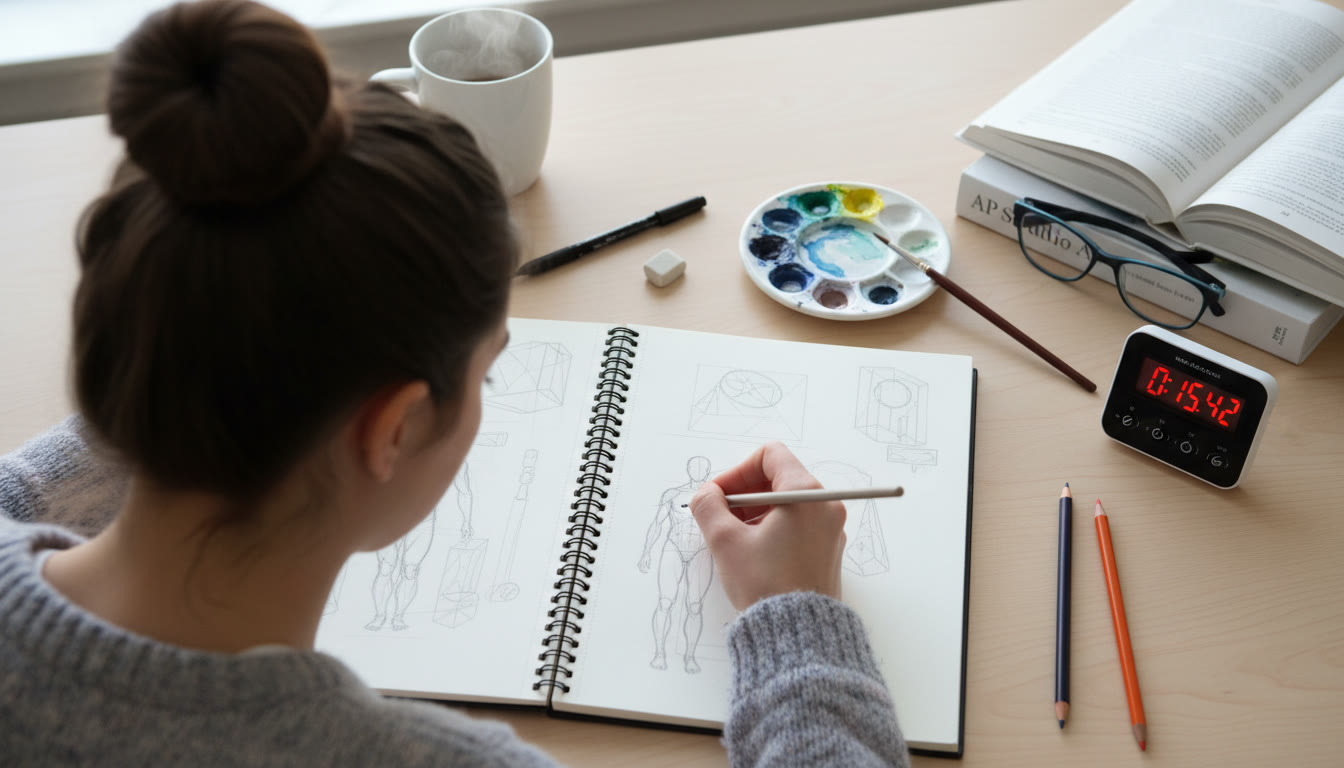
Start small. A single 30-minute session today can be the beginning of a disciplined, joyful practice that carries you through AP deadlines and helps you build a portfolio with clarity and intention. Keep your sessions honest, your goals clear, and your reflections brief — creativity thrives when given a dependable home in your schedule.
Quick Checklist to Begin Tonight
- Choose a session length (suggest 30 or 45 minutes).
- Set one clear intention for the session.
- Prepare a 5–10 minute warm-up.
- Turn off non-essential notifications and start a visible timer.
- End with a two-line reflection and one next step.
Closing Thought
Time-boxed making gives you the paradoxical freedom of structure: the safe frame in which experimentation becomes productive and progress becomes visible. For the AP student artist juggling big expectations, this practice is both a kindness and a strategy — a way to make art steadily, thoughtfully, and with enough momentum to show meaningful growth when it matters most.

























No Comments
Leave a comment Cancel