

Small Moves, Big Proof: Building a Standout IB DP CAS Profile
Think about the last time you helped a classmate understand a tricky problem, led a 20-minute warm-up for a club meeting, or spent an hour collecting litter at a local park. Those moments might feel small in isolation — a drop in the day-to-day — but in the world of IB DP CAS and student profiling, small moments add up into powerful, shareable proof of who you are as a learner. This blog is written for the student who wants a CAS profile that reads like a story, not a laundry list: a profile that admissions officers, scholarship panels, and your future self will find honest, clear, and meaningful.

Why small actions matter (and how they become big proof)
Big projects are flashy, but they’re not the only reliable way to show growth. The secret is consistency and evidence. Regular, small activities demonstrate commitment; repeated reflection shows development; targeted documentation converts experiences into verifiable proof. Admissions readers and IB moderators are looking for authentic learning arcs — not just scale. A handful of well-documented, repeated small actions can show the same (or more) maturity, initiative, and impact as a single headline-grabbing event.
CAS fundamentals that shape how you collect evidence
Keep these guiding principles in mind as you plan and record. They’re not rules to memorize — think of them as the logic behind good evidence.
- Purpose matters: Connect every activity to what you learned, how you grew, or how others benefited.
- Variety helps: Mix creativity, activity, and service in ways that play to your strengths and push your limits.
- Reflection is the bridge: Your reflections are where raw actions turn into insight.
- Consistency beats occasional extremes: Regular, measurable engagement signals responsibility.
- Evidence should be verifiable: photos, timestamps, supervisor notes, meeting minutes, or short videos make claims credible.
Turning tiny moments into clear evidence: a simple framework
Use this short framework every time you do something CAS-related. It works for a 10-minute peer tutoring session and for running a month-long collection drive.
- Do: What was the activity? Keep a one-line log entry.
- Collect: Take one quick piece of evidence (photo, screenshot, timestamp, attendance list, short testimonial).
- Reflect: Write a focused 150–250 word reflection answering: What did I do? What did I learn? What surprised me? What next step would show development?
- Tag: Add two tags to the entry — one for skill (e.g., communication, resilience) and one for context (e.g., community, school, online).
Practical examples: micro-actions that create strong portfolio entries
Below are approachable examples that students can replicate. Each example shows the small action, the kind of evidence to collect, and a reflection prompt that turns action into proof.
| Small Action | Why it counts | Evidence to collect | Reflection prompt |
|---|---|---|---|
| 15-minute weekly peer tutoring | Shows initiative, communication, and consistency | Short session log, photo of whiteboard, a one-line student comment | How did explaining a concept change your understanding of it? |
| Two-week fitness challenge with a friend | Demonstrates personal goal-setting and perseverance | Daily screenshots of a step counter or training log, before/after note | What barriers did you face and how did you adapt? |
| Designing a poster for a local awareness campaign | Merges creativity and service; shows planning to impact | Design files, photo of display in community, short testimonial from organizer | How did design choices help the message reach people? |
| Organizing a one-day campus clean-up | Leadership, planning, measurable community benefit | Attendance list, photos, amount of waste collected | How did you plan logistics, and what did you learn from the turnout? |
| Short research or data mini-project | Shows inquiry, analysis, and communication of findings | Short report or infographic, raw data file, peer feedback | What question changed as you worked through the data? |
Documentation tools and quick templates
Your tools can be basic; it’s the habit that counts. A simple digital folder system with dated entries and short reflections will do more for your profile than an unorganized archive of big events.
- Single-entry template: Date, Activity title, 2-line summary, Evidence attached, Reflection (150–250 words), Skill tags.
- Weekly log: Add a one-line highlight for each CAS day you engaged in; at the end of the week write a 300-word synthesis.
- Supervisor snapshot: After 2–3 sessions, ask a supervisor or organizer for a short testimonial (one paragraph). This is quick to collect and carries weight.
How to make reflections honest, specific, and useful
Reflection is not just ‘I learned a lot’. It’s concrete, short, and forward-looking. Use these micro-prompts to shape every reflection entry:
- Describe one moment you remember clearly from the activity.
- State one skill you used and one skill you want to develop next.
- Mention one obstacle and the practical step you took to overcome it.
- End with a clear next step: who or what will help you take it?
When you consistently follow this pattern, your reflections will create a visible arc of learning in your portfolio rather than a scatter of isolated observations.
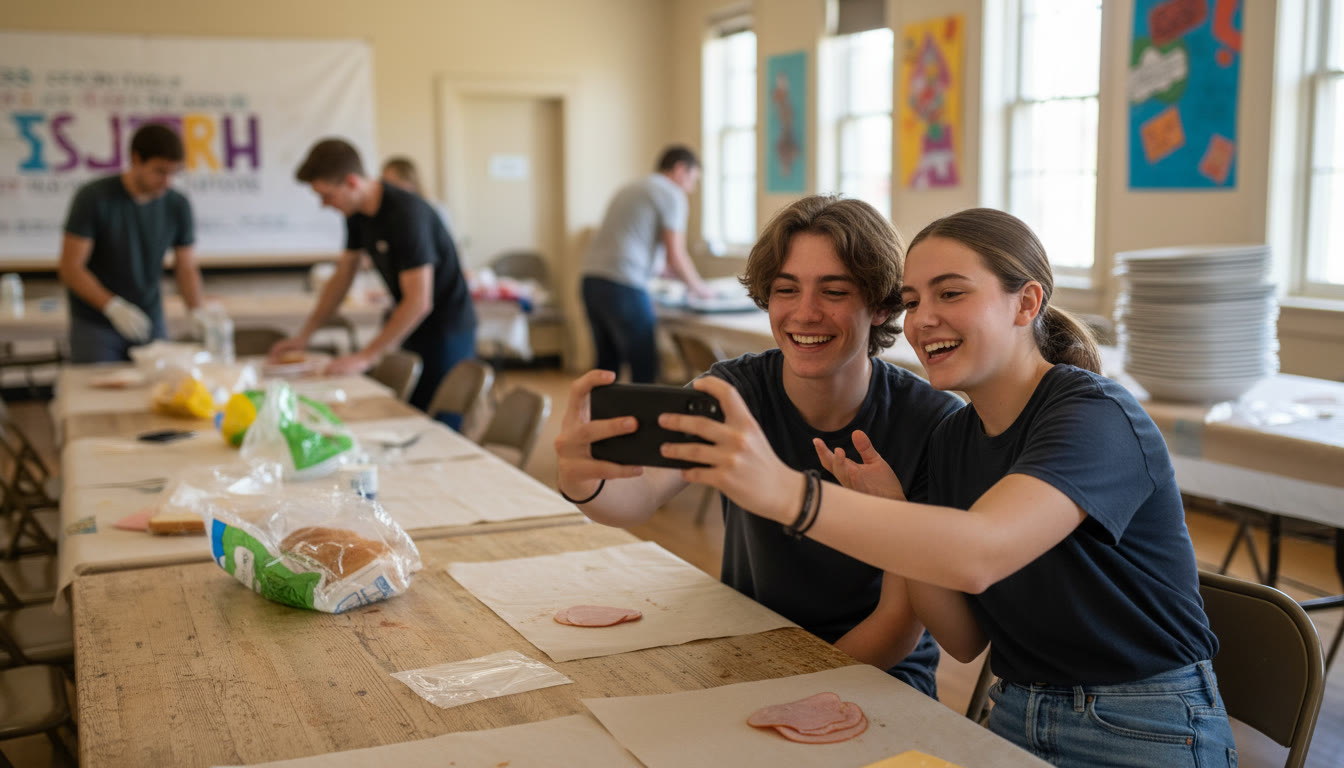
Structuring a portfolio that reads like a story
Think of your portfolio as a narrative with three acts: context, conflict, and growth. Make each entry contribute to one of those beats.
- Context: Where you started — a snapshot of your skills or interests.
- Conflict: The challenge — a barrier, a tough feedback moment, or a learning gap.
- Growth: The evidence of change — measured improvements, reflections, third-party comments.
Two practical ways to organize it:
- Chronological: Good for showing sustained commitment over time.
- Thematic: Group entries by theme (leadership, creativity, service) to highlight depth in specific areas.
Either approach works — choose the one that tells your learning story most clearly.
What assessors actually look for (and how to make it easy to find)
Assessors scan for evidence that is clear and retrievable. Don’t bury important proof inside long paragraphs. Use headings, tags, and a short summary at the top of each entry that answers: What did I do? What was the outcome? What was the learning? This makes your strongest moments pop and reduces the risk that important details will be overlooked.
Common pitfalls and how to avoid them
- Scattered documentation: Fix this with a one-entry-a-day habit even on light days.
- Reflection that’s only descriptive: Use the prompts above to add analysis and growth.
- Too many unsupported claims: Always attach at least one verifiable piece of evidence.
- Letting one big project eclipse steady contributions: Show both, but make steady effort visible.
How to quantify impact without inflating it
Numbers are helpful when they’re honest. If you ran a campaign, note how many flyers you printed, how many signatures you collected, how many people attended, or how much waste you removed. If you coached someone, mention progress markers (e.g., improvement on a practice score, or the fact that a peer could now explain the concept back to you). Keep the phrasing factual and pair numbers with a simple context sentence so they don’t feel like unsupported bragging.
Using support wisely: mentors, teachers, and guided tutoring
Having a sounding board makes consistent progress more likely. A mentor or teacher can help you structure projects and give concise supervisor statements. If you want tailored coaching on reflection quality, time management, or project planning, personalized tutoring can accelerate the process. For example, Sparkl’s approach of 1-on-1 guidance, tailored study plans, and expert tutoring — paired with targeted feedback on reflections — can help you turn raw activities into polished portfolio entries without losing authenticity. Use support to strengthen your voice, not replace it.
Sample weekly plan: turn spare time into portfolio gold
Use 30–60 minutes several times a week with this simple routine to build a meaningful portfolio over time:
- Monday (30 min): Log last week’s highlights; pick one small improvement goal.
- Wednesday (30 min): Do a focused micro-action (teach, collect, plan) and attach quick evidence.
- Friday (45–60 min): Write or refine one reflection and request supervisor feedback if relevant.
- Weekend (optional, 30 min): Organize files and back them up; write a short weekly synthesis.
Sample entries that scale: from mini-activity to a coherent project
Here’s how a small recurring action can grow into a deeply meaningful entry:
- Start: 15-minute weekly chess tutoring for two classmates. Evidence: attendance log, screenshot of lesson plan.
- Develop: After six weeks, design a 4-week curriculum. Evidence: lesson plans, short video of a lesson, student feedback.
- Show growth: Reflection compares confidence and teaching strategy from week 2 to week 10 and includes a supervisor note.
That progression moves from a weekly kindness to a documented leadership and teaching project.
Checklist: what makes a portfolio entry irrefutable?
- Clear title and date
- Short summary (one sentence) describing activity
- At least one verifiable piece of evidence
- Reflection with specific learning and a next step
- Tags and a short list of skills demonstrated
Final thoughts: turning honesty into advantage
Authenticity is your strongest credential. Assessors notice when a student can point to specific moments and explain how they changed. Small actions are not a liability; they’re a strategic advantage if you document them clearly, reflect deeply, and show how they connect to broader learning goals. With consistent habits — a short template, a weekly tidy-up, and an attitude of reflection — you’ll build a CAS profile that reads as genuine growth rather than a series of random events.
Conclude with a disciplined portfolio that uses concise evidence, sober reflections, and clear growth markers to demonstrate the academic and personal learning achieved through CAS.























No Comments
Leave a comment Cancel