
IB DP Recommendation Strategy: How to Give Teachers Evidence They Can Actually Use
Recommendations are one of those quiet, powerful pieces of an application. They don’t shout like grades or essays, but the right recommendation can add context, color, and credibility to the story you want universities to see. As an IB DP student, you have a unique set of materials — IAs, TOK reflections, the Extended Essay, CAS projects — that, when presented well, make it easy for a teacher to write a letter that actually helps you.

Why teachers’ recommendations matter (in plain language)
Think of a recommendation as a short, guided portrait. Teachers don’t just repeat grades; they explain how you learn, how you respond to challenge, and what you bring to a classroom or project. Admissions readers look for evidence of intellectual curiosity, resilience, and a fit with the program you’re applying to. Because IB is broad and rigorous, teachers often highlight growth across multiple components — a risky and thoughtful IA, a strong EE argument, leadership in CAS — and connect those dots for the reader.
Put yourself in a teacher’s shoes
- Teachers are busy. Many write multiple letters and juggle classes, meetings, and school responsibilities.
- They may not remember every detail of a student’s CAS project or the exact angle of your EE unless you remind them.
- A good teacher wants concrete examples — a single anecdote or a quick piece of evidence is worth more than vague praise.
- Teachers appreciate clarity: a clean packet, clear deadlines, and no guesswork on how to submit the letter.
What teachers actually need — the evidence list
Below is a practical checklist you can assemble into a neat packet. Present it empathetically: your goal is to save your teacher time while giving them everything they need to write a strong, specific recommendation.
Academic evidence
- Official or school transcript (most recent available) and brief note on predicted grades if your school uses them.
- One or two best work samples per subject: strong essays, lab reports, math problem sets, or recorded language orals. Label each with the course, date, and a one-line note about why it’s representative.
- Short excerpts of the IA or EE that show initiative, analytical depth, or original thinking — 1–2 pages, clearly highlighted.
- Recent formative assessments with teacher comments, where available — these show trajectory and feedback response.
Personal and contextual evidence
- One-page résumé or profile that lists your subjects (HL/SL), CAS highlights with hours and outcomes, leadership roles, awards, and other commitments.
- 3–5 bullet-point anecdotes (1–2 sentences each) your teacher can use: what happened, what you did, and why it mattered. Make them specific and short.
- Notes on circumstances worth contextualizing — significant caregiving, health interruptions, changes in schooling, or part-time work. Keep it factual and concise.
Application context
- List of the programs or types of courses you’re applying to (e.g., engineering, humanities, interdisciplinary), and why you think those programs suit you.
- Any prompts or recommendation forms teachers must fill out — copy/paste those questions into your packet so they don’t have to hunt.
- Clear submission instructions and deadlines (include both date and the number of days from now to deadline to avoid confusion with calendar years).
Extracurricular and CAS evidence
- Short project summaries for each major CAS activity: your role, time spent (hours), measurable outcomes, and what you learned.
- Photos or brief artifacts from projects that show scale or impact (respect privacy rules) — for instance, a short gallery of a community event or a poster from a service project.
How to package all this so a teacher will actually use it
Presentation matters. Keep your packet simple, labelled, and quick to scan. Teachers are more likely to use what’s easy to digest.
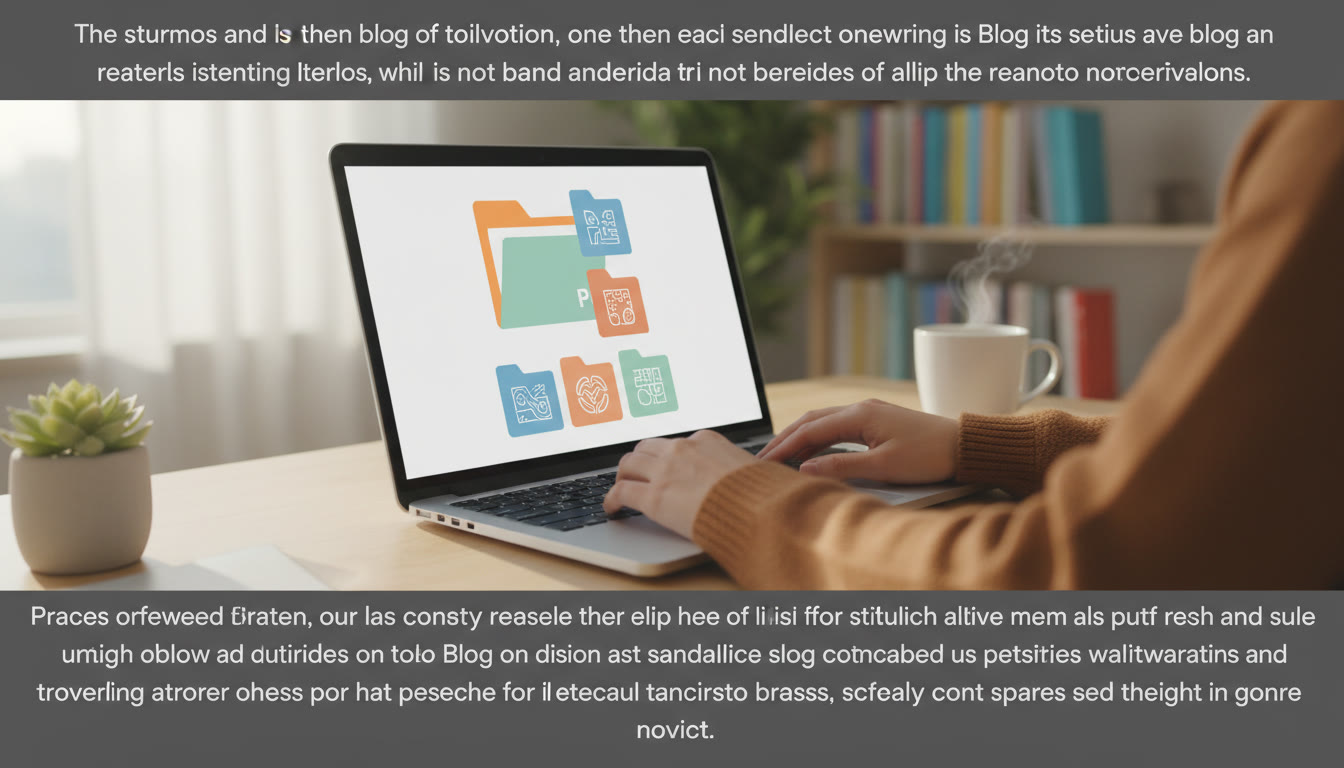
- Create a single folder named like: Lastname_Firstname_RecommendationPacket. Inside: a one-page summary, your résumé, transcripts, labeled work samples, and application notes.
- Prefer PDFs for documents — they’re printable and preserve formatting. Name files clearly: Lastname_Firstname_Resume.pdf, Lastname_Firstname_IA_Excerpt_Subject.pdf.
- Include a one-page cover summary at the front titled “For Ms. / Mr. [Teacher], Quick Summary” with 6–8 bullet points: top strengths, two short anecdotes, key courses, and deadlines.
- If you share a digital folder, make sure permissions allow commenting or viewing without asking for access; otherwise attach PDFs to the email.
Exact phrasing teachers love (and why)
Concrete, action-oriented phrasing helps a teacher craft a compelling narrative. Provide sample lines they can adapt — but do so humbly; these are prompts to help them write from their voice, not scripts to replace it.
- “Consistently produces work that goes beyond the assignment, especially in X, where he/she…”
- “Demonstrated a capacity for independent research during the IA/EE by…”
- “Showed leadership in Y by organizing… and measuring impact through…”
- “Responded to feedback constructively — for example, after receiving comments on X, they revised to…”
Timeline table: a sensible schedule you can follow
| When (weeks before deadline) | What you should do | What to provide to your teacher |
|---|---|---|
| 12+ weeks | Identify which teachers you will ask and request a meeting. | Short note expressing gratitude; explain why you chose them; ask if they’re willing. |
| 8–10 weeks | Hand over a full recommendation packet in person or via email. | Packet with one-page summary, résumé, transcript, 2–3 work samples, shortlisted anecdotes, and deadlines. |
| 4–6 weeks | Check-in politely and confirm they received materials. Offer to meet or clarify. | Any updated samples, brief clarification notes, and reminders about submission method. |
| 2 weeks | Send a gentle reminder and offer a printable copy or hard copy if helpful. | Printable packet or single PDF with highlight notes; confirm submission logistics. |
| 1 week | Final friendly nudge — thank them and check whether they need anything else. | One-line note: “Do you need anything else from me? Thank you again.” Keep it short. |
Sample one-page summary (use this as a template)
At the front of your packet, include a clear, one-page summary titled: “Recommended points for [Teacher Name] about [Student Name]”. Keep it scannable — bullet points, bolded headings, and 3–4 short anecdotes.
- Header: Name, courses and levels (HL/SL), preferred pronouns, contact email.
- Top 3 strengths: e.g., Analytical thinking (evidence: EE topic/IA), Collaboration (evidence: group lab lead), Perseverance (evidence: improved grades after feedback).
- Three short anecdotes: Each 1–2 sentences — what happened, what you did, and the outcome or learning.
- Programs applying to: Short list of intended areas of study; one line about fit.
- Submission: Deadline and brief submission instructions or form name.
Sample email language — keep it warm and brief
Initial ask (in person preferred): “Ms. Martin, I’ve really enjoyed your HL Chemistry class and I’m applying to programs in environmental engineering. Would you be willing to write a recommendation for my university applications? I can provide a short packet with samples and deadlines.”
Follow-up email with packet (after they agree):
- Subject line: Recommendation materials for [Student Name] — deadlines included
- Body: Brief greeting, one-sentence reminder of your appreciation, attach packet, clear deadline line, and one-line offer to meet or answer questions.
Polite reminder (two weeks before deadline): “Hello Ms. Martin — just checking that my packet arrived. If you need anything else or prefer a printed copy, I’d be happy to bring one by. Thank you again for supporting my applications.”
How to handle teacher edits (and stay gracious)
- Teachers may ask follow-up questions or suggest changes to your materials. Treat this as helpful feedback and respond quickly.
- If they paraphrase or emphasize different points, trust their professional judgment — teachers know what admissions readers respond to.
- Send a sincere thank-you note after the letter is submitted and update them on results once decisions come in.
Common mistakes students make (and how to avoid them)
- Waiting until the last minute. This creates rushed letters and stressed teachers — and weaker recommendations.
- Providing too much. Teachers prefer concise, curated evidence rather than a dump of everything you’ve ever done.
- Assuming teachers know your ambitions. Tell them which programs you’re applying to and why.
- Not clarifying submission mechanics. A missed step on a portal or an expired permission can delay a letter.
How teachers use your evidence to build a persuasive narrative
A great recommendation does three things: it sets context, provides specific examples, and points toward future potential. Your job is to feed each of those three elements with succinct evidence.
- Context: Where you came from academically and personally (transcript, course load, part-time work, obstacles).
- Examples: One strong anecdote plus one or two work samples that prove the teacher’s claim.
- Potential: How the student is likely to contribute to university life or succeed in a chosen program.
Interview and activity preparation that complements recommendations
If you have interviews, make sure your recommendation packet aligns with how you present yourself verbally. Use the same anecdotes and the same concise evidence. If a teacher references an anecd in the letter, you should be able to tell that story clearly and briefly in an interview.
How targeted support can help — a natural place for tutoring
Some students benefit from guided practice in writing their one-page summaries, polishing work samples, or rehearsing anecdotes so they’re tight and memorable. Sparkl‘s personalized tutoring can help with 1-on-1 guidance, tailored study plans, and targeted edits to make your packet crisp and useful for recommenders.
Practical examples — what to hand to an English teacher vs a Science teacher
- English teacher: Best essay, 150-word summary of your writing strengths, one anecdote showing your editorial or peer-review contributions.
- History/Individuals & Societies: Source analysis excerpt, a short description of independent research, and any presentations or debates with outcomes.
- Science teachers: IA excerpt or lab report with methods clearly marked, photos if relevant, and a short note on safety or experimental difficulty.
- Math: Problem set that demonstrates problem-solving approach and a short note on collaboration in group work or tutoring peers.
Checklist you can copy into an email
- One-page summary (front of packet)
- One-page résumé
- Transcript or grade report
- 2–3 labeled work samples (PDF)
- 3 short anecdotes (1–2 sentences each)
- List of programs and deadlines
- Submission instructions (portal/form name or email)
When to involve an external mentor or tutor
If you struggle to distill your accomplishments into concise anecdotes, or if you need help choosing the most persuasive samples, targeted support can be useful. A tutor can help you refine the narratives and make sure your packet mirrors the story you’re telling in your personal statement and interviews. For example, Sparkl‘s tutors often assist students with tailored edits, rehearsal of interview answers, and the organization of recommendation materials.
Final notes on tone and professionalism
Keep every interaction professional and appreciative. Teachers remember politeness and preparation — those small details influence how eagerly they write for you. Use clean formatting, double-check for typos in names and titles, and always give your teacher the option to decline; a letter written with reluctance is worse than no letter at all.
Closing thought
Think of recommendations as a collaborative project: you supply focused evidence and clear context, and your teacher crafts a narrative that highlights your strengths. With a tidy packet, reasonable lead time, and a few memorable anecdotes, you give teachers the tools they need to write the kind of recommendation that actually helps your application shine.
















No Comments
Leave a comment Cancel