
Why snacks matter for SAT study — and how to think about them
You can memorize grammar rules, master algebra tricks, and practice Reading passages until your eyes feel tired — but if your body and brain are running on empty or a sugar roller coaster, your hard work won will feel a lot harder. Snacks are not a reward for studying; they re part of the study system. The right snacks can help steady energy, sharpen concentration, and keep mood steady through long practice sessions and real exam mornings.
This guide walks through how to build healthy snack habits for SAT preparation: the what, when, and how to prepare and carry smarter choices. You ll get realistic examples, timing tips tied to study methods like Pomodoro, a sample weekly snack plan, quick recipes, and a neat table comparing options for different needs. If you re using Sparkl s personalized tutoring, these snack strategies pair perfectly with sparkl s tailored study plans and 1-on-1 guidance.
Basic principles: what makes a snack work for studying?
Before diving into foods, let s set the rules. A study-friendly snack should do several things at once:
- Provide steady energy, avoiding big blood sugar spikes and crashes
- Support focus and memory through protein, healthy fats, and micronutrients
- Be easy to prepare and eat between practice sessions
- Work with your schedule — portable for commute study, calm for test morning
- Respect any dietary restrictions or allergies
In practice, that usually means pairing a carbohydrate with a protein or healthy fat. That combo slows digestion and keeps glucose steady, giving your brain consistent fuel.
Quick science notes (without the jargon)
Glucose is the brain s favorite quick fuel, but how it arrives matters. Simple sugars can spike energy and then drop it fast. Complex carbs plus protein or fat release energy more slowly. Omega-3s and B vitamins support cognitive processes like memory and attention, while adequate hydration affects reaction time and mental clarity. No single snack will transform your score, but consistent choices matter.
Timing snacks around study sessions and the test
Snack timing is as important as choice. Think of your study day as blocks: warm-up, focused work, review, and cooldown. Align snacks to support each block.
Sample timing strategies
- Before focused work (15–30 minutes): a small combo to avoid hunger without heaviness — e.g., half a banana with a tablespoon of almond butter.
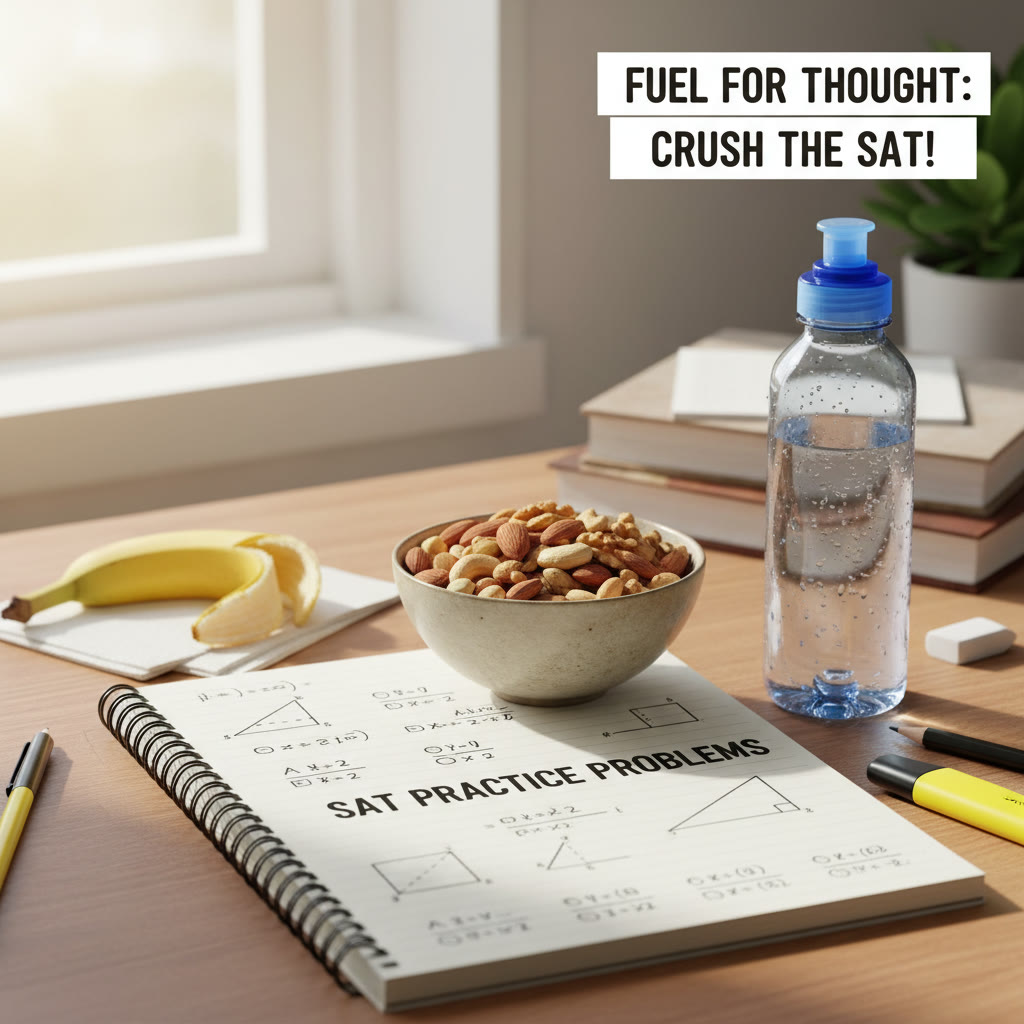
- During long practice blocks (every 60–90 minutes): small bites to sustain concentration, like a handful of mixed nuts or a yogurt cup.
- After a hard session (within 30 minutes): protein-rich snack to help recovery and keep you satisfied, such as cottage cheese with fruit or a turkey roll-up.
- Before the actual SAT (60–90 minutes): a modest, familiar snack that won t upset your stomach — toast with peanut butter or a small bowl of oatmeal.
On test morning, don t try something new. Keep the food small to moderate and balanced so you re alert but not sleepy.
Snack ideas by need: energy, focus, portable, budget-friendly, and test-day safe
Different times and places require different snacks. Here s a practical list organized by common needs.
Energy and endurance (long study sessions)
- Oatmeal with chopped nuts and berries — complex carbs + fats + antioxidants
- Whole-grain toast with avocado and a sprinkle of salt — sustaining fats
- Homemade trail mix with unsalted nuts, seeds, and a few dark chocolate chips
Quick focus boosts (short, high-concentration work)
- Greek yogurt with a spoon of flaxseed — protein and omega-3s
- Apple slices with cheese — crisp carbs + protein
- Hard-boiled egg and cherry tomatoes — minimal prep, high protein
Portable options for commute, library, or school
- Homemade energy bars with oats, nut butter, and honey (low added sugar)
- Banana and small pack of almonds
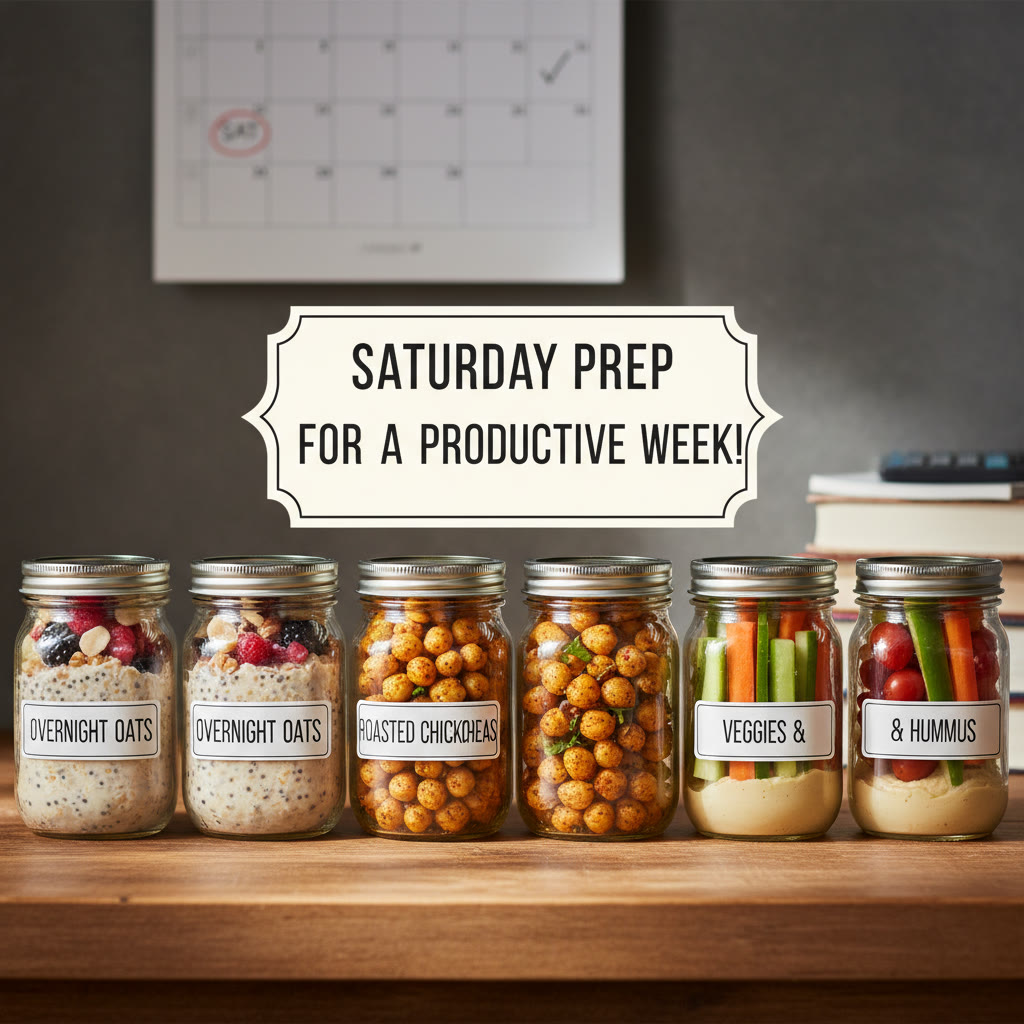
- Roasted chickpeas in a resealable bag — crunchy and filling
Budget-friendly picks
- Peanut butter on whole-wheat crackers
- Carrot sticks and hummus (make a big batch for the week)
- Bulk Greek yogurt with frozen fruit mixed in
Test-day safe snacks
On the morning of the SAT, choose something you re used to. Keep it light, familiar, and won t cause an energy crash.
- Banana with a smear of nut butter
- Plain toast with jam or peanut butter
- A small container of plain yogurt and berries
Sample snack recipes and quick prep ideas
These are simple, require little equipment, and you can batch-prepare some parts for the week.
Recipe: 5-minute brain bowl
Ingredients: 1/2 cup Greek yogurt, 2 tablespoons granola, 1 tablespoon chia seeds, handful of berries. Stir and go. Protein, crunch, omega-3s, and antioxidants.
Recipe: savory energy jars (prep for the week)
Layer a small mason jar: 1/3 cup cooked quinoa, 2 tablespoons hummus, diced cucumber, cherry tomatoes, and a sprinkle of feta. Refrigerate up to 3 days. Spoon it out during long study sessions.
Recipe: nut butter banana bites
Slice a banana into rounds, spread a tiny bit of almond or peanut butter between two slices to make a mini sandwich. Roll in crushed oats or chia for texture. Put in a small container to keep them intact.
Putting it into a plan: a week of snacks for a focused study schedule
Below is an example weekly plan that pairs snacks with common study blocks: morning warm-up, afternoon focused work, evening review. Adjust portion sizes to your age, activity level, and appetite.
| Day | Morning | Pre-Afternoon Session | During Long Practice | Evening Review |
|---|---|---|---|---|
| Monday | Oatmeal with walnuts and banana | Apple + 12 almonds | Greek yogurt cup | Carrot sticks + hummus |
| Tuesday | Whole-grain toast with avocado | Hard-boiled egg | Trail mix (small handful) | Berry & cottage cheese |
| Wednesday | Smoothie (spinach, banana, milk, protein powder) | Rice cake + peanut butter | Roasted chickpeas | Celery + almond butter |
| Thursday | Greek yogurt with granola | Orange slices | Energy bar (homemade) | Small salad with beans |
| Friday | Scrambled egg + whole-grain toast | Pear + cheese stick | Mixed nuts | Small bowl of oatmeal |
This table is flexible. If you re studying with a tutor, like those who work with Sparkl s personalized tutoring program, consider sharing your usual snack schedule so your tutor can suggest timing that aligns with study intensity and individual needs.
Special situations: allergies, vegetarian/vegan options, and caffeine
Not everyone can eat nuts or dairy, and caffeine affects people differently. Here s how to adapt.
Nut-free alternatives
- Sunflower seed butter instead of peanut or almond butter
- Roasted pumpkin seeds for crunch and healthy fats
- Hummus and whole-grain pita for protein and carbs
Vegetarian and vegan picks
- Tofu cubes marinated in a little soy sauce, then chilled
- Edamame (fresh or frozen, heated briefly) — rich in protein
- Oat yogurt plus berries and chia seeds
Caffeine and energy drinks — a cautious note
Caffeine can sharpen alertness in moderate amounts, but it can also increase anxiety or disrupt sleep, which harms learning. Avoid relying on energy drinks. If you use caffeine, keep it small and consistent with what you re accustomed to, and never introduce it for the first time on test day.
Practical packing, prep, and habit tricks that stick
Good snacks are only useful if you actually eat them. The hardest part is consistency, so here are systems that work.
Prep once, benefit all week
- Batch cook hard-boiled eggs, roasted chickpeas, and quinoa at the start of the week.
- Pre-portion nuts and trail mix into small bags to prevent overeating.
- Make a jar of hummus or bean dip for quick dipping throughout the week.
Use study structure to cue snacks
Pair snacks with study rituals: after every two Pomodoro cycles, have a planned small snack. Your brain will come to expect it as part of the workflow, so you re less likely to graze mindlessly.
Checklist for building the habit
- Plan tonight s snacks the night before.
- Keep a visible stash in your study area or backpack.
- Track how snacks affect your focus for a week—note energy, concentration, and digestion.
- Adjust types and timing based on that short experiment.
How to handle test day: concrete rules and a morning checklist
Test day adds stress and unknowns. Use simple rules so eating supports performance rather than complicates it.
Test-day rules
- Don t experiment. Eat what you re used to in practice.
- Finish eating 60–90 minutes before the test start so digestion won t distract you.
- Bring a small, test-approved snack for breaks (granola bar, banana, small yogurt). Check test policies for allowed items and packaging.
- Hydrate before, not during, the test. Take small sips if allowed during breaks.
Test-day morning checklist
- Breakfast: balanced and familiar (e.g., toast + peanut butter + banana).
- Snack in bag: small portioned item you tried during practice sessions.
- Water bottle: filled and in an easy-to-open container.
- Sleep the night before: food helps, but nothing replaces rest.
Troubleshooting common problems
Snack experiments sometimes fail. Here re common issues and quick fixes.
Problem: I get sleepy after snacks
Fix: Reduce portion size or shift from high-carb snacks to combos with more protein or fat. For example, swap a large bagel for a smaller whole-grain toast with nut butter.
Problem: I ‘m hungry again too soon
Fix: Add protein or fiber. A small yogurt or an egg with fruit lasts longer than fruit alone.
Problem: I forget to pack snacks
Fix: Keep nonperishable items in your study bag s outer pocket (like nut packs, rice cakes, or a bar). Set a nightly reminder to refill.
How nutrition pairs with study strategy and tutoring
Snacks are part of the overall study environment. When you pair reliable nutrition with structured practice, you get compounding benefits: clearer thinking, better retention, and more efficient learning. If you re working with a personalized program like Sparkl s personalized tutoring, mention any energy or timing issues to your tutor. Tutors who offer 1-on-1 guidance and tailored study plans can help schedule study intensity around your best eating times and use AI-driven insights to adjust pacing and breaks. That kind of coordination makes snack choices even more powerful and personalized.
Final checklist: building your snack strategy in 7 steps
- Pick 5 go-to snacks that combine carbs with protein or fat.
- Plan snack timing around your study blocks and the SAT schedule.
- Prep batch items once or twice a week to remove friction.
- Carry portable options so you don t miss sessions due to hunger.
- Test your plan during practice tests and adjust.
- Keep test-day choices familiar and modest in portion size.
- Share habits with your tutor or study partner so your schedule is coordinated.
Closing thoughts: small choices, steady gains
Changing your snacking habits won t add hours to your day, but it will make the hours you put in count more. The goal is consistency: steady energy, calm nerves, and fewer distractions from hunger or jitters. Think of these snacks as study tools — like a pencil or calculator. They re simple, inexpensive, and hugely helpful when used thoughtfully.
If you re working with a tutor or a program like Sparkl s personalized tutoring, fold this snack plan into your study plan. Your tutor s 1-on-1 guidance, tailored study plans, expert tutors, and AI-driven insights can help align study intensity, break timing, and snack choices so you get the most from both food and focused practice.
Start small, experiment for a week, and tune what works for you. With steady habits and smart fueling, your study sessions will feel sharper, longer, and more productive. Good luck — and snack smart.



























No Comments
Leave a comment Cancel