

Wake Up with Purpose: Your First 60 Minutes
Test day morning isn’t just a time to rush out the door—it’s your final opportunity to set the tone for success. The way you spend the first hour can affect clarity, confidence, and stamina. Think of the morning as a gentle launchpad: not a sprint, but a steady lift-off.
Stretch, Breathe, and Hydrate
Start with three minutes of simple movement. Roll your shoulders, touch your toes (or halfway—no need to impress anyone), and take five big diaphragmatic breaths. Deep breaths reduce heart rate and quiet the mind. Follow with a tall glass of water—your brain thrives on hydration.
- Why it matters: Even mild dehydration or a racing heart can make attention feel fuzzy.
- Practical tip: Keep a 16–20 oz bottle beside your bed the night before so you can hydrate immediately.
Light, Smart Fuel
Avoid sugary cereals or heavy breakfasts that might give you an initial rush and an energy crash. Aim for a balanced, portable meal that combines a slow-release carbohydrate with protein and some healthy fat.
- Examples that travel well: Greek yogurt with berries and granola; a turkey and avocado wrap; oatmeal with nut butter and banana; or a whole-grain toast with peanut butter and apple slices.
- Quick on-the-go option: A protein bar + a banana + water (check ingredients—aim for moderate sugar).
Final Tech and Paper Checklist (Digital SAT Essentials)
Because the SAT is now delivered digitally, your morning checklist must include both traditional items and digital preparedness. Having a short pre-departure routine that checks the essentials prevents heart-stopping moments later.
Must-Have Items
- Admission ticket or confirmation (printed or on another device if you prefer).
- Acceptable photo ID as required by your testing program (school ID, driver’s license, or other approved ID).
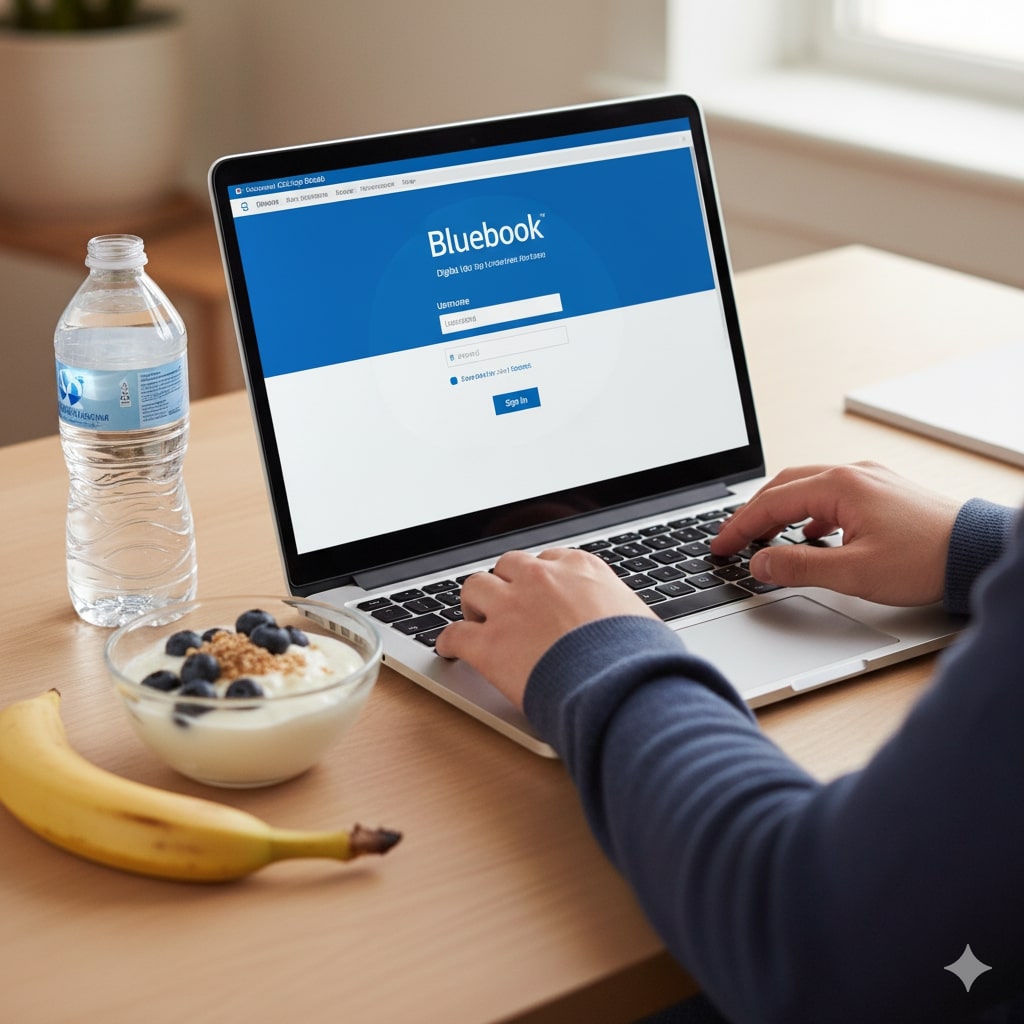
- Fully charged testing device with Bluebook app pre-installed and exam setup completed. If you are using a school-managed device, confirm it’s been prepared.
- Charger and a small extension cord or power strip (for centers that allow charging during breaks).
- Two soft pencils and an eraser for any required paperwork and for sketching math work if allowed; a simple watch (non-smart) to keep track of time if permitted.
- A light sweater or hoodie—testing rooms can be chilly.
Device and App Quick-Check (5 Minutes)
Even if you’ve done device setup days earlier, a five-minute confirmation can save you huge stress.
- Power on and open Bluebook to confirm you can reach the app home screen.
- Ensure airplane mode (if required) and any necessary security settings are correct.
- Confirm battery is above 80% and your charger is packed.

Mental Warm-Ups: Sharpen Focus (15–20 Minutes)
Your brain needs a gentle ramp-up—too much pressure, and you might lock up; too little stimulation, and you’ll feel sluggish. These warm-ups are short, practical, and designed to prime the exact skills the SAT asks for: reading comprehension, sentence-level reasoning, and math fluency.
Reading Lift (5–7 Minutes)
Skim a non-fiction paragraph or two (op-eds, science features, or a textbook passage). Practice one targeted activity:
- Identify the author’s main point in one sentence and pick two supporting details. This sharpens your ability to find the main idea quickly in the Reading & Writing section.
Sentence-Level Check (3–5 Minutes)
Read a short paragraph and silently edit one sentence for clarity. Focus on concision and grammar—question types often target redundancy and clarity.
Math Flash (5–8 Minutes)
Do 3–5 quick problems that test basic algebra or number sense. No problem should take more than a minute. This is not the time for new strategies—just get your numerical muscles moving.
- Example prompts: Simplify 3(2x + 4) = ?; If 5x = 20, what is x?; What’s 15% of 240?
Micro-Strategies Before You Walk In
These are small, tactical decisions that make large emotional differences. Think of them as low-effort tactics with high payoff.
Arrange Your Time Strategy
Decide ahead of time how you’ll approach time pressure. For many students the “two-pass” method works well: answer easier questions first, then return to harder ones. Write this phrase in a note on your desk or say it to yourself on the way in: “First pass: quick wins. Second pass: focus.”
Set a Simple Mental Anchor
Pick a short phrase that grounds you—something like “steady and small wins” or “calm focus.” Repeat it quietly if anxiety creeps in. Anchors are powerful because they pull your attention back to the plan.
What to Do During Breaks: Recharge Without Overload
There are scheduled breaks during the SAT. How you spend them can either drain or restore you. The best break is intentional and restorative.
- Stretch lightly and take 3–4 deep breaths to reset heart rate and attention.
- Refuel with a small snack: a handful of nuts, a banana, or a granola bar—avoid candy that spikes and crashes energy.
- Skim your scratch work from the previous section and jot any patterns (e.g., “slow on data interpretation”) that you want to remember for the next section.
Confidence Hacks: Small Rituals That Work
Confidence isn’t a magic switch—it’s a collection of habits you set up in advance. These small rituals prime your brain to perform under pressure.
Two-Minute Micro-Review
If you have time before the test begins, mentally review three things you did well in practice tests or the week before. Concrete memories of success are more stabilizing than vague pep talks.
Visualize the Test Flow
Spend 60 seconds imagining the test room, your seat, and completing the first five questions with composure. Visualization reduces surprises and builds a sense of familiarity.
Common Morning Mistakes and How to Avoid Them
Knowing what not to do is as important as knowing what to do. Here are typical morning missteps and practical fixes.
| Mistake | Why It Hurts | Quick Fix |
|---|---|---|
| Skipping breakfast | Blood sugar dips reduce concentration and processing speed | Eat a balanced small meal within an hour of waking |
| Over-cramming | Increases anxiety and leads to confusion | Do a light 15-minute warm-up instead of last-minute cram |
| Rushing device setup | Last-minute technical issues create panic and loss of time | Confirm Bluebook and device battery the night before and 5 minutes before leaving |
| Excessive caffeine | Leads to jitteriness and impaired fine concentration | Limit to one small cup of coffee or tea; prioritize hydration |
How to Use Practice Wisely in the Final Morning
If you’re tempted to “study” during the morning, be selective. The digital SAT favors steady reasoning and endurance more than last-minute techniques. Use the morning for short, targeted practice that reinforces habits, not for learning new tricks.
Effective Morning Drills (10–20 Minutes Max)
- One short reading passage with timing to boost reading speed, but don’t push to exhaustion.
- Two sentence editing items to get language muscles warm.
- Three math quickies focused on arithmetic, algebra, or ratios—areas where fluency helps.
Emotional Management: Keep Your Cool
Test anxiety is normal. The goal isn’t to eliminate it—that’s unrealistic—but to manage it so it doesn’t hijack your performance.
Three Tools to Calm the Mind
- Box breathing: inhale 4 seconds, hold 4, exhale 4, hold 4. Repeat three times.
- Grounding exercise: name five things you see, four things you can touch, three things you hear—this brings you into the present.
- Mini gratitude: think of one person who supported you—this quickly shifts perspective and lowers cortisol.
Logistics: Arrival, Seating, and First 10 Minutes
A smooth arrival reduces stress and gives you a few extra minutes to orient yourself. Aim to arrive 30–45 minutes early for weekend or public test centers; for school-day testing follow your school’s guidance.
What to Do Once You’re Seated
- Settle your materials where permitted—admission ticket and ID in an accessible place.
- Take one last tech check if permitted: confirm your device is on and in the testing app ready state.
- Close your eyes for 30 seconds and breathe—visualize finishing calmly and reviewing your work when prompted.
When Things Go Wrong: Simple Recovery Plans
No one has a perfect test day. A plan for typical hiccups keeps you from spiraling.
Device Glitch
Alert proctors immediately. They are trained to handle technical interruptions. While waiting, do calming breaths and mentally rehearse the plan for the next section so your focus is ready when the test resumes.
Unexpected Panic
Stop, breathe for two minutes using box breathing, and anchor with your phrase. Remind yourself that a single anxious spike won’t define your whole score.
After the Test: Start Recovery, Not Obsession
Right after test day, allow yourself a short celebration and then shift attention to recovery—food, rest, and reflection. Immediate score-obsessing is unhelpful and drains energy you’ll need for the next steps in college planning.
Quick Post-Test Checklist
- Eat a wholesome meal and hydrate.
- Do something restorative—walk, call a friend, or listen to music.
- Plan a brief review session later in the week to catalogue what felt hard and what strategies to tweak before your next test or score report.
Real-World Example: A Morning That Worked
Imagine Maya, a junior who practiced digital tests all summer. On test day she woke at 6:30, drank water, had oatmeal with almond butter, and did a 10-minute warm-up (a reading passage and three math problems). She left early, arrived 40 minutes before the test, confirmed Bluebook on her device, and took a two-minute breathing exercise before sitting down. During the break she ate almonds and reviewed one quick strategy note. That calm, structured morning helped Maya avoid panic and stay focused—she left the center feeling she’d executed her plan.
How Personalized Tutoring (Like Sparkl) Fits Naturally into Test-Day Prep
Personalized tutoring can make your test-day morning feel less like an unknown and more like a familiar routine. If you’ve practiced with a tutor who simulates real test mornings and tailors a plan to your needs, you’re less likely to be surprised. Tutors who provide 1-on-1 guidance help with:
- Tailored morning warm-ups that reflect your strengths and weaknesses.
- Personal time-management strategies to match your pacing during the digital exam.
- Building small rituals and confidence anchors that are specific to how you react under pressure.
Sparkl’s personalized tutoring approach—1-on-1 guidance, tailored study plans, expert tutors, and AI-driven insights—can help create a concrete, practiced morning routine so test day feels familiar rather than foreign. When your morning moves from improvisation to rehearsal, you conserve mental energy for the work that matters most: answering questions clearly and efficiently.
Quick Reference: 10-Step SAT Morning Checklist
Keep this list where you can see it—on your bedroom door or by your backpack. Simplicity breeds calm.
| Step | Action |
|---|---|
| 1 | Wake up with at least 90 minutes before test check-in (if possible). |
| 2 | Drink water and do light stretching. |
| 3 | Eat a balanced breakfast with protein + carbs. |
| 4 | Do a 10–20 minute mental warm-up (reading + math quickies). |
| 5 | Confirm Bluebook app and device battery. |
| 6 | Pack admission ticket, ID, charger, and permitted items. |
| 7 | Leave with extra travel time—aim to arrive early. |
| 8 | Use grounding/box breathing if nerves spike before seating. |
| 9 | On breaks: small snack, hydrate, light stretch. |
| 10 | After test: rest, refuel, and reflect later—not immediately obsess about scores. |
Final Encouragement
The morning of the SAT is a quiet battlefield of small choices—how you breathe, what you eat, how you plan time. Those small choices add up. You’ve already done the hard work by preparing; the morning is about stewardship of that preparation. Use clear routines, short warm-ups, and calm rituals to keep your focus sharp and your energy steady.
And remember: practice the morning routine at least once before test day, ideally during a full-length practice test so it feels normal on the real day. If you want tailored guidance—like a practiced morning routine, pacing strategies, and 1-on-1 coaching to reduce test-day surprises—consider working with Sparkl’s personalized tutors who can design a custom plan and simulate test-morning conditions with you. Walk in prepared, breathe, and let your practice do the talking.
Good luck—you’ve got this. One steady morning at a time.























No Comments
Leave a comment Cancel