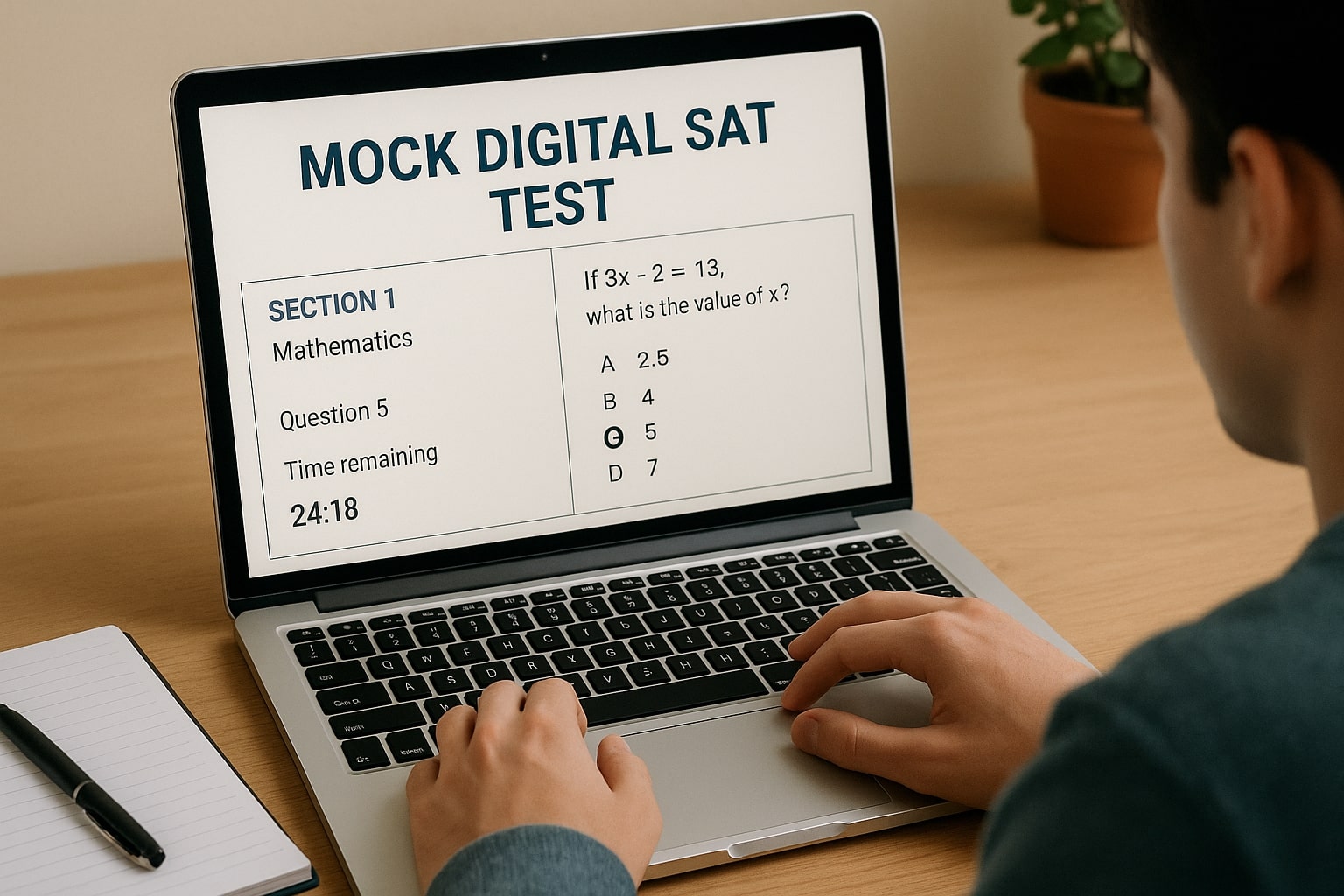

Why your practice SAT score and your real SAT score sometimes feel like two different worlds
You took a practice test, felt great, and saw a score that made you smile. Then, test day arrives and your official score doesn’t match what you expected. Panic, disappointment, confusion—sound familiar? You’re not alone. Every year students wrestle with the gap between practice-test performance and actual SAT results. The good news: most of the causes are fixable once you understand them. This post walks through the most common reasons scores diverge and gives concrete, down-to-earth strategies you can use to make your practice tests a far better predictor of what you’ll actually score.
The short answer (and why it matters)
Practice tests are useful and usually predictive—especially official practice tests. But differences in format, testing conditions, timing, question order, test-day nerves, and scoring nuances can change outcomes. If you treat practice tests as data rather than destiny, you can use them to build confidence and focus the work that actually raises your score.
A quick checklist: what to look for when practice and real scores don’t match
- Did you take the practice test under realistic conditions (timed, same breaks, no phone, quiet space)?
- Were you practicing on the same platform or format as test day (digital Bluebook vs. paper)?
- Did fatigue, sleep, or nutrition affect one of your test days more than the other?
- Are you comparing an early diagnostic to a later official test without accounting for study progress?
- Were there differences in calculator use, tools (like the built-in graphing calculator), or accommodations?
Root causes: why the numbers sometimes don’t line up
Let’s unpack the usual suspects. I’ll describe each issue in plain language and give simple examples so you can spot them in your own prep.
1. Testing environment and conditions
Imagine taking a timed practice test at home: comfy chair, snacks within arm’s reach, and your dog snoozing nearby. Now imagine the real thing: a testing center, a stranger’s desk, a proctor’s voice, and a slightly different computer. Small changes add up.
- Noise, chair comfort, and lighting affect concentration.
- Taking a practice test over several days or with interruptions produces a misleading score.
- On test day, the pressure of being in a formal setting can increase stress hormones, which affects working memory and reading comprehension.
2. Digital format versus how you practiced
The SAT today is delivered digitally in many test centers. If you practiced on paper or on a different digital interface, that mismatch can cost precious time. Small interface differences—how passages are navigated, how the calculator behaves, and how the adaptive sections operate—can influence pacing and strategy.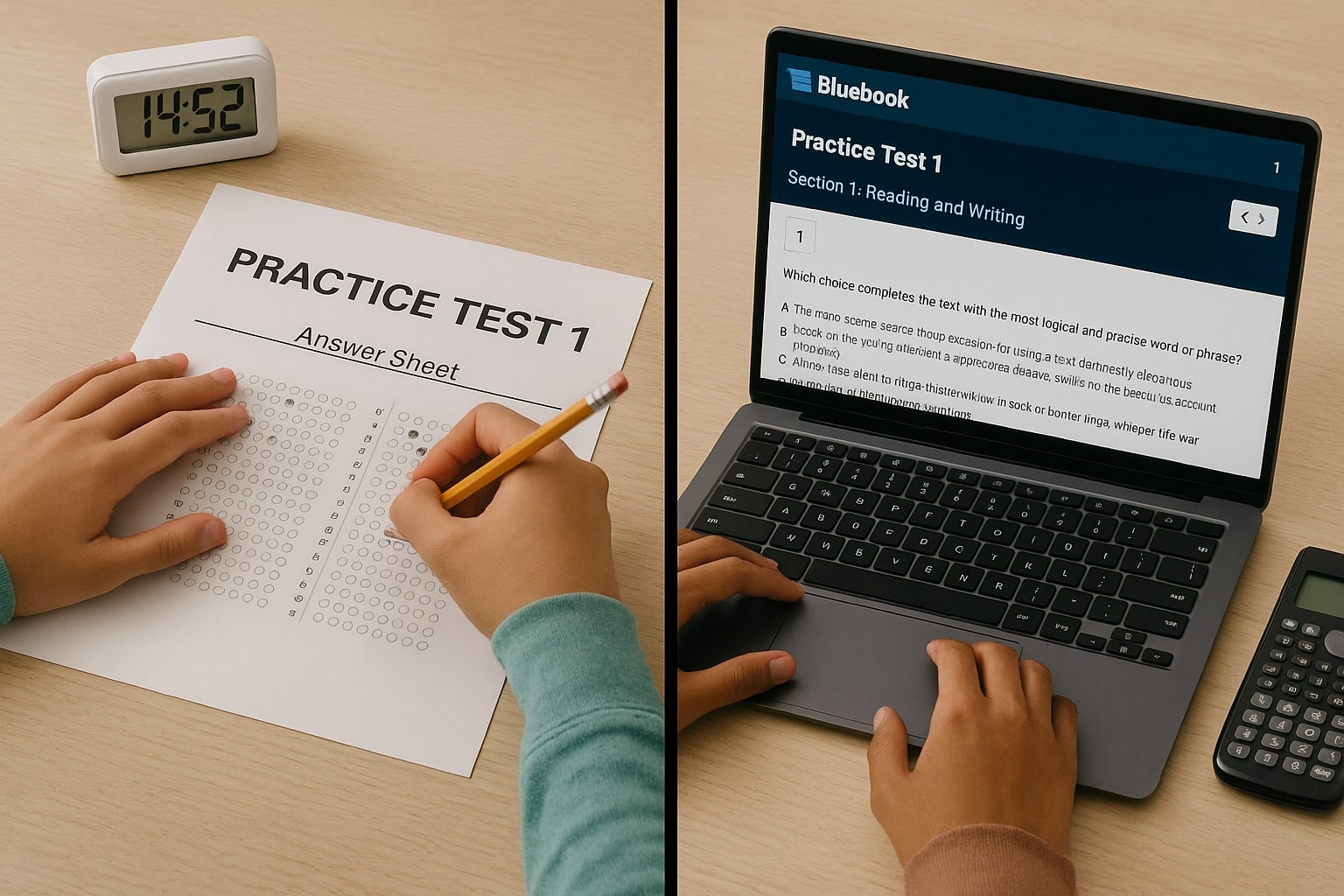
3. Timing and pacing differences
Pacing is everything. If you consistently finish practice sections with lots of time left because you skim questions, you may be losing accuracy. If you slow down under pressure and run out of time on test day, you may be guessing more often. The SAT rewards an honest check on pacing under real conditions.
- Practice under the same time limits (including breaks).
- Use the actual tools you’ll have on test day, such as the digital calculator or built-in pause functions.
4. The adaptive test structure
On the digital SAT, section-level adaptivity means the second module’s difficulty reflects how you performed in the first. If your practice test was nonadaptive (or adaptive in a different way), you might see different question mixes and score ceilings. That can affect raw scores and the trajectory of how many questions you get right before hitting your stretch level.
5. Test anxiety and mindset
Even strong students feel a spike of nerves on test day. Anxiety narrows focus, makes it hard to recall strategies, and sometimes triggers impulsive answering. Conversely, some students perform better on the real test because the stakes sharpen concentration. Both directions happen.
6. Scoring and rounding nuances
Official scoring systems convert raw correct answers into scaled scores. That conversion isn’t always linear—one or two questions can move you across a larger scaled-score gap, especially near cut points. That means small raw differences between practice and real test can produce seemingly large scaled differences.
7. Inconsistent practice quality
Taking lots of practice tests is not the same as taking high-quality practice tests. A practice test where you skim passages, don’t review mistakes, or use it only as endurance training will give you data—but not always the right data. The best practice tests are full-length, timed, and followed by careful review and targeted study.
Real examples — how differences show up
Here are concrete scenarios students encounter, and how to interpret them.
| Scenario | What likely happened | How to fix it |
|---|---|---|
| Practice: 1300. Test day: 1220. | Practice at home, untimed breaks; test day felt rushed and noisy. | Simulate test center conditions for at least two full practice tests. Practice with headphones if you’re sensitive to noise. |
| Practice: 1180. Test day: 1250. | Was anxious at practice (first attempt) and calmer on test day. | Use practice tests to build confidence; perform several under various stress conditions. |
| Practice: 1420 (paper). Test day: 1360 (digital). | Paced differently because of format and calculator differences. | Use official digital practice in Bluebook to adapt to the format; practice with the built-in tools. |
How to make practice tests a better mirror of test day
If practice tests are data, your job is interpretation and improvement. These practical steps will tighten the gap between your practice and real SAT scores.
1. Take at least two full-length official practice tests under realistic conditions
- Replicate timing, breaks, and platform (digital vs. paper) exactly.
- Use the same kind of calculator you’ll use on test day and practice opening the digital tools quickly.
2. Track not just scores, but errors and patterns
Don’t only record your total score. Keep a log with:
- Question types you missed (vocabulary-in-context, algebra, data analysis).
- Why you missed them (careless error, timing, misread question, weak concept).
- How you fixed the mistake in study sessions.
3. Practice pacing strategies specifically
Pacing isn’t just about speed—it’s strategy. Learn to triage questions (easy-medium-hard) and practice moving on when a question is bleeding time. Use timed drills for the trickiest question types so they become automatic.
4. Simulate test-day stress occasionally
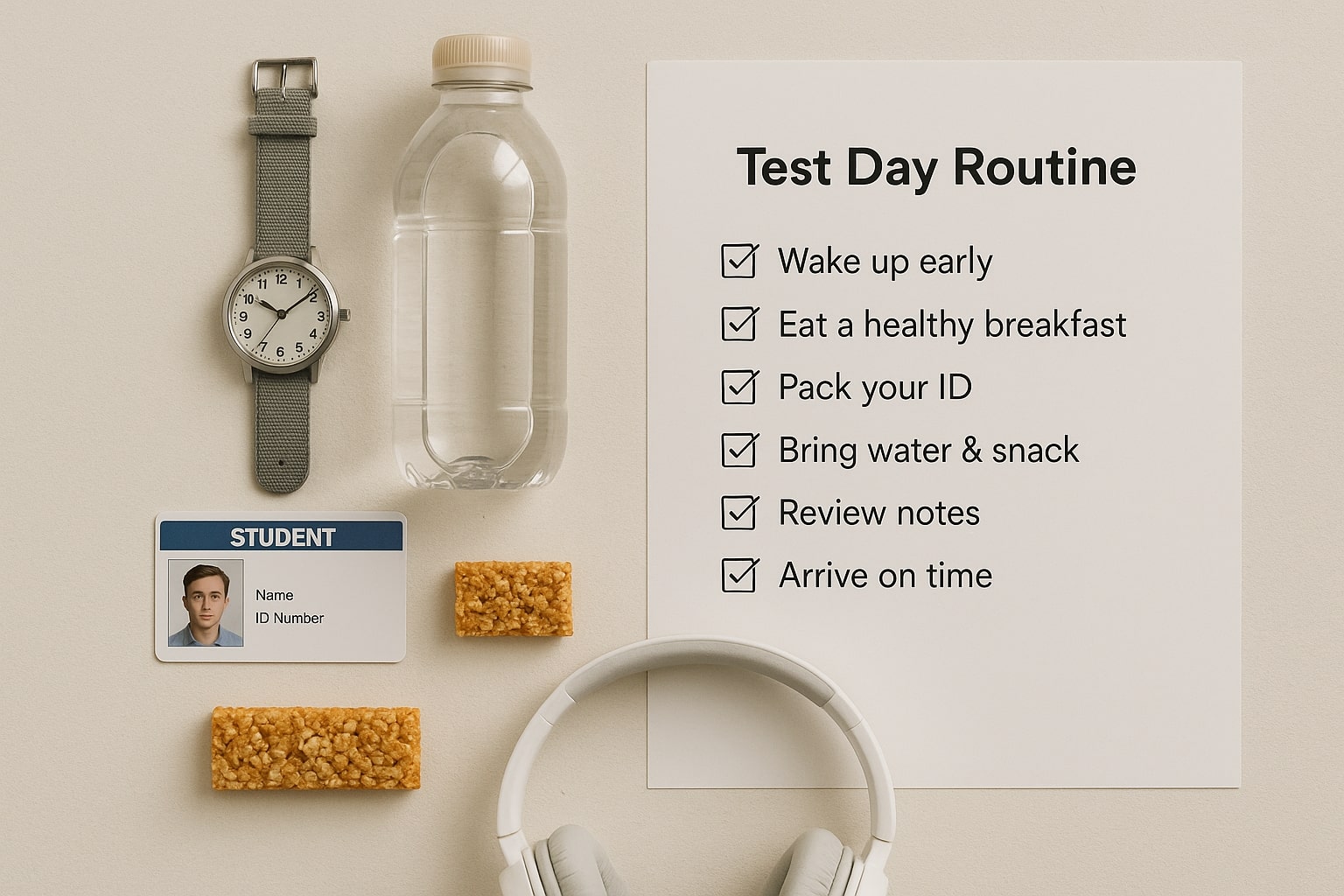
Do a full-length practice test after a poor night’s sleep or after a simulated test-day morning so you get used to performing with less-than-perfect conditions. This helps build resilience: your brain learns the strategies it needs even when stressed.
5. Use official practice resources and the same software
Official practice tests are the most reliable predictors because they use real SAT questions and mirror the scoring. If your real test will be digital, practice with the same digital testing app so the interface becomes second-nature.
6. Review every question you miss
Meaningful improvement comes from active review. When you miss a question, don’t just note the correct answer—recreate your thought process, identify the misconception, and practice similar problems until the error feels less likely.
How personalized help speeds up improvement (without fluff)
Many students find that tailored guidance removes tedium and accelerates growth. Personalized tutoring—when done well—does three things:
- Targets the few concepts that cost the most points.
- Prunes ineffective habits (poor pacing, careless errors).
- Offers accountability and iterative feedback so practice is purposeful, not just repetitive.
Sparkl’s personalized tutoring model, for example, pairs 1-on-1 guidance with tailored study plans, expert tutors, and AI-driven insights that identify high-impact study wins. That combination helps students convert practice-test data into a focused plan that raises real scores.
Practical week-by-week plan to align practice and real performance
This sample plan assumes you have 6–8 weeks before test day. Adjust if you have more or less time.
- Week 1: Baseline diagnostic (official practice test, timed, digital if applicable). Full review of missed questions; categorize errors.
- Week 2–3: Focused content work on your two weakest areas; short timed drills daily; one full-length practice test at the end of Week 3 under realistic conditions.
- Week 4: Strategy month—work on pacing, question triage, and guessing strategies; simulate two weekday shorter blocks and one full test on weekend.
- Week 5: Polish math problem types and reading passage timing; do one full-length practice test mid-week and review thoroughly.
- Week 6: Test-week simulated runs and taper. Two high-quality practice sections early in the week, rest, sleep, and light review before test day.
Common myths that create false expectations
Let’s clear up a few myths that make students misread their practice data.
Myth: “If I score X on a practice test, I’ll always get X on test day.”
Reality: Practice tests are estimates, not guarantees. They are most predictive when taken under conditions that match test day, but even then, day-to-day variability exists. Use them as a guide for targeted improvement, not as a prophecy.
Myth: “Taking more practice tests will automatically raise my score.”
Reality: Quantity without quality leads to burnout. Focused review of errors and deliberate practice on weak spots moves the needle more than an extra practice test every weekend.
Myth: “Test anxiety means I can’t improve.”
Reality: Anxiety can be reduced with strategy, practice under stress, and techniques for calming the body and mind. Breathing, pre-test routines, and confidence from targeted study all help.
How to read practice-test reports like a coach
After each practice test, produce a short report you can review before your next study session. Include:
- Total score and section scores (raw and scaled).
- Top 3 recurring error types.
- Time lost to difficult questions (how many questions took more than their target time).
- A one-line action for next week (e.g., “Do 20 algebraic manipulation drills and review 15 reading passage inference questions”).
When to consider extra help
If you’ve done high-quality practice for several weeks but see little progress, it’s worth getting outside perspective. A tutor can quickly identify subtle issues—habitual misreading of questions, inefficient algebra steps, or poor annotation technique on reading passages—and give targeted fixes. If you want an efficient path to improved scores, look for a tutor or program that pairs expert instruction with data-driven plans. Again, Sparkl’s one-on-one tutoring, combined with tailored study plans and actionable AI-driven feedback, is a model many students find helpful because it converts weak points into short, focused wins.
Final checklist: make your next practice test count
- Take it on the same platform (digital/paper) you’ll use on test day.
- Replicate testing conditions: timing, breaks, and environment.
- Use the same tools (calculator, scratch paper behavior, etc.).
- Record detailed error data and commit to fixing the top two recurring mistakes.
- Simulate stress occasionally so you’re resilient on the real day.

Parting thoughts
It’s natural to be frustrated when practice scores don’t match your real SAT score, but remember: those gaps are feedback, not fate. Practice tests are powerful tools—they tell you where to focus, how to pace, and what to change. Treat practice as controlled experiments: change one variable at a time (timing, format, strategy), collect the result, and iterate. With thoughtful practice, smart error review, and targeted help when you need it, most students can make their practice tests line up much more closely with their real SAT performance.
Keep it simple: practice honestly, review carefully, and don’t be afraid to ask for help. Whether you choose to work with a tutor, a study group, or a personalized program, the right guidance can make the difference between guessing what went wrong and knowing exactly how to fix it. Good luck—your effort now is the single best predictor of what you’ll walk into test day with: calm confidence and ready strategy.
Want a next step?
Schedule a realistic, timed official practice test, follow the checklist above, and make one focused improvement plan based on the errors you find. If you want personalized support that targets your unique patterns and builds a tailored study plan, consider 1-on-1 tutoring that combines expert teachers and data-driven feedback—small investments in the right place yield big score improvements.























No Comments
Leave a comment Cancel