

Why the SAT Still Matters in 2025 and Beyond
Ask ten students whether the SAT still matters and you’ll get a dozen answers. Some schools say “test-optional,” others lean on holistic review, and technology has changed the way the exam is delivered. But peel back the headlines and there’s a clearer, calmer truth: the SAT remains a powerful, flexible credential that opens doors — when you use it intentionally.
This post is for the student who wants more than a headline. We’ll look at what really changed, why the SAT still matters, how to prepare strategically in a digital world, and how to use your score to your advantage. I’ll give concrete examples, a realistic study plan, and even a few myth-busting moments. If you want focused help, Sparkl’s personalized tutoring — one-on-one guidance, tailored study plans, expert tutors, and AI-driven insights — can be woven naturally into your prep wherever you need targeted support.
The shifting landscape: a quick reality check
In recent years the SAT has evolved: it has moved toward a shorter, digital-friendly format, and many colleges adopted test-optional policies for a time. That created a lot of noise — but not a complete rewrite of what the test measures or why it can still matter.
- Digital format: The exam has become more streamlined and adaptive in delivery, prioritizing the core reading, writing, and math skills colleges care about.
- Test-optional movement: Some institutions temporarily emphasized other parts of the application, but many still accept and value SAT scores — especially for scholarships and placement.
- What didn’t change: Colleges still seek reliable, comparable data from applicants. The SAT remains one of the few standardized measures that can do that.
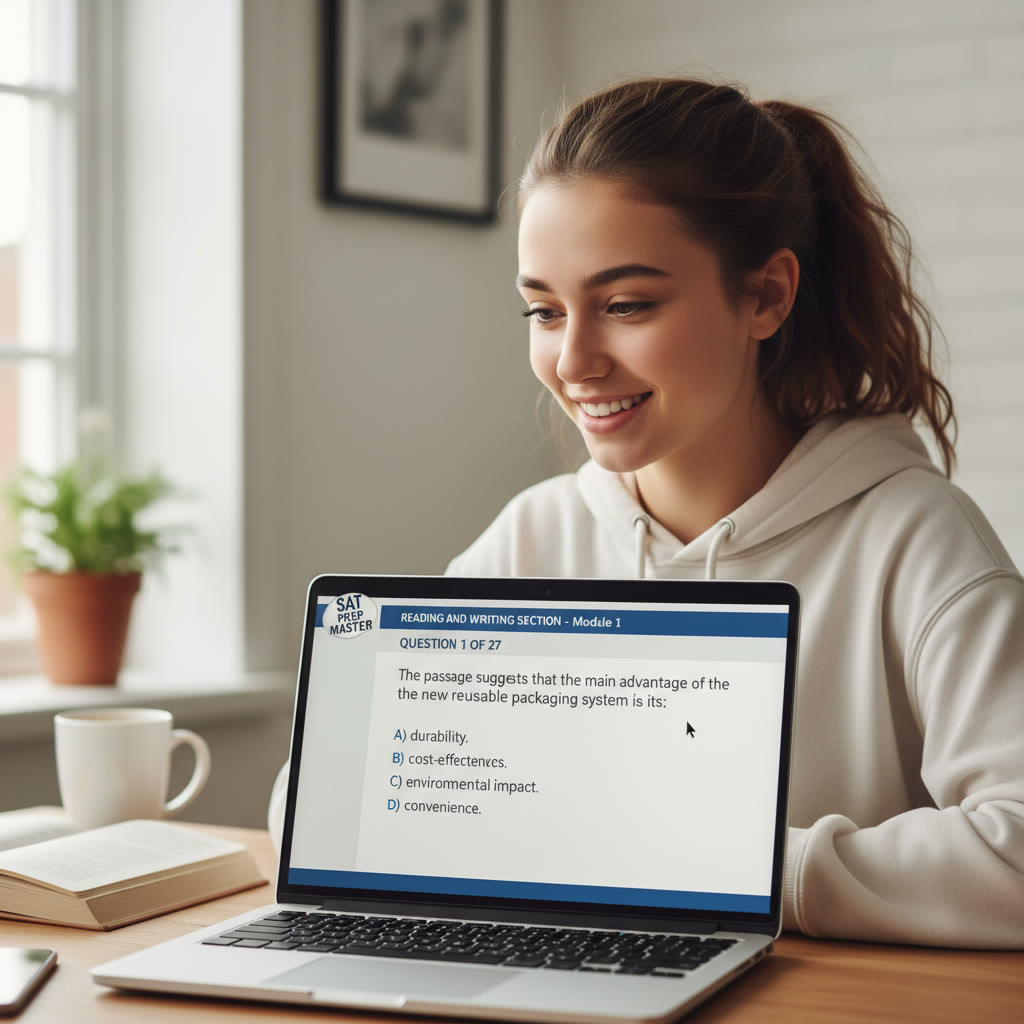
Top reasons the SAT still matters
Let’s be blunt: not every student needs to submit a score, and the SAT is not the only path to college success. But here are practical ways the SAT can influence your future — beyond a checkbox on an application.
- Admissions clarity: For many admissions offices, a strong SAT score can corroborate your transcript and essays, especially if your high school’s grading is hard to interpret or your GPA doesn’t fully reflect potential.
- Merit scholarships: Colleges and private foundations frequently use standardized scores to award merit-based aid. A higher SAT can translate directly into scholarship dollars.
- Course placement: SAT results may be used to place you into appropriate first-year courses — which can save time and money by avoiding unnecessary remedial classes or by allowing you to jump into advanced classes sooner.
- Transfer and mobility: If you switch schools or apply internationally, a recent SAT score is a consistent benchmark many institutions understand.
- Skills signaling: The SAT tests reading comprehension, analytical thinking, and quantitative problem-solving — skills that matter on campus and in internships or early-career roles.
Example: Imagine Lina, whose GPA is strong but comes from a high school where AP courses are rare. A solid SAT score gives top-choice colleges confidence she can handle rigorous coursework. For Marco, a modest GPA but a high SAT score helped him access merit aid at multiple state universities — money that changed his options.
How the digital SAT changed preparation — and why fundamentals still win
People often conflate format with content. Yes, the testing interface and pacing evolved, but the core cognitive skills the exam measures are familiar: reading closely, writing clearly, and solving math problems efficiently. Practically, that means your prep should focus on strategy and fundamentals, not gimmicks.
| Feature | Old SAT (pen-and-paper era) | Current SAT (digital-adaptive era) |
|---|---|---|
| Format | Paper-based, fixed sections | Shorter, digital delivery; adaptive components |
| Timing | Longer sessions, more time per section | Shorter total time with tech-enabled pacing |
| Calculator policy | Calculator section and no-calculator section | Design places emphasis on practical calculator use and mental math |
| Score scale | 400–1600 | Remains 400–1600 (comparable scale for colleges) |
| Preparation | Practice with paper tests | Emphasis on digital practice, timing drills, and comfort with interface |
Bottom line: you should get comfortable with the delivery platform, but the heavy lifting still comes from steady skill-building. Practicing on a laptop or tablet, refining timing, and working on reading and problem-solving habits will move the needle.
Smart strategies that actually move your score
Anyone can read a list of tips; what matters is selecting a few high-impact actions and doing them consistently. Here are strategies that return real results.
- Diagnose, don’t guess: Start with a timed practice test to identify weak spots. Don’t just chase improvement across the board; focus on the 20% of skills that account for 80% of your missed points.
- Practice in context: For reading, practice with passages and then summarize the argument in one sentence. For math, teach a solution to someone else — clarity reveals gaps.
- Use deliberate timing drills: If certain question types slow you down (data interpretation, sentence structure), isolate them and do short focused sets under timed conditions.
- Build an error log: Record every mistake, categorize it (careless, concept, timing), and revisit the same types until they stop being errors.
- Simulate test day: Do full-length digital practice tests under test-day conditions — same time of day, same breaks, and minimal interruptions.
Example strategy in practice: If you miss most points on algebra word problems, spend two weeks doing only word problems (10–15 per day), alternating between timed and untimed. After a week, your speed and accuracy will likely improve more than spreading attention thinly across every math topic.
If targeted help sounds appealing, that’s exactly where Sparkl’s personalized tutoring fits. A tutor can review your diagnosis, craft a tailored study plan, and adapt sessions based on your error log and progress. The combination of expert tutors and AI-driven insights helps you focus on the right practice faster.
Using your SAT score strategically
Getting a score is one thing; using it smartly is another. Here are the practical ways to leverage your result.
- Apply for scholarships: Before you submit applications, check which scholarships at your target schools use SATs as eligibility criteria. A modest boost in score can unlock significant financial aid.
- Placement and bypassing prerequisites: A strong SAT math score can qualify you for higher-level entry courses at many colleges, saving you time and tuition.
- Retake with a plan: If your first attempt misses the mark, analyze your mistakes, change at most two study habits, and retake. Improvements are rarely the result of random practice.
- Submit the best evidence: If you have one excellent test and one mediocre test, many colleges allow superscoring (submit the best section scores). Know each college’s policy and submit strategically.
Common myths — debunked
A few myths about the SAT keep students anxious or misinformed. Let’s clear them up.
- Myth: “The SAT only measures memorized facts.” Reality: It emphasizes reasoning, interpretation, and applying basic knowledge under pressure.
- Myth: “If a school is test-optional, scores don’t matter.” Reality: Optional often means optional for some candidates — a strong score can still boost applications, scholarships, or placement.
- Myth: “You either have math ability or you don’t.” Reality: Many math challenges are pattern or strategy problems; targeted practice can produce big gains.
A realistic plan: 3 months and 6 months
How much time you need depends on starting point and goals. Below are two sample timelines — one compressed 3-month plan for students seeking a quick, focused boost, and a 6-month plan for steady improvement. Tailor the hours to your life: consistency beats cramming.
| Plan | Weekly Time | Total Hours (approx.) | Key Focus |
|---|---|---|---|
| 3-month (intensive) | 8–12 hours | 96–144 hours | Full-length practice tests, targeted drills, error log, timed sections |
| 6-month (steady) | 4–6 hours | 96–144 hours | Skill-building, weekly practice tests, sustained review, stamina |
Both plans aim for the same total effort but differ in rhythm. If you’re balancing school and activities, the 6-month plan is easier to sustain. If you’re aiming to retake and improve quickly, the 3-month plan forces intensity and focus.
Weekly micro-schedule example for a 3-month plan:
- Monday: 1 hour focused math drill (topic-based)
- Tuesday: 1 hour reading comprehension practice + summary writing
- Wednesday: 1.5 hours error log review + targeted practice
- Thursday: 1 hour grammar/writing drill
- Friday: 1 hour mixed-timed sets
- Saturday: Full-length digital practice test every other week; review mistakes
- Sunday: Rest or light review (vocabulary, flashcards, mental math)
Track progress every two weeks. If a strategy isn’t improving accuracy or timing, change it. Small, evidence-based tweaks are better than endless, unfocused practice.
How tutoring accelerates smarter prep
Many students try to self-study and do well — but tutoring can cut months off your timeline if used correctly. A good tutor helps you avoid repeating the same mistakes, builds a focused plan, and adapts as you improve.
Sparkl’s personalized tutoring can be particularly useful when you need customized pacing and targeted drills. One-on-one guidance makes it easier to:
- Turn a diagnostic into a clear, prioritized study plan
- Practice effectively with immediate feedback on tricky problem types
- Use AI-driven insights to identify hidden patterns in your errors
Think of tutoring as an efficiency tool. It doesn’t replace hard work, but it helps you work on the right things — faster.
Real-world context: colleges, careers, and changing expectations
Employers and graduate programs don’t usually ask for SAT scores, but the skills the test measures map onto real-world expectations. Strong test performance signals critical reading, data interpretation, time management, and the ability to learn under pressure.
In admissions, the landscape will continue to evolve. Some institutions will emphasize holistic review more; others will use standardized tests as objective tie-breakers or for awarding merit aid. For international students, a standardized, recognized score often helps translate different school systems into a common language.
If you’re aiming for a competitive scholarship, an honors program, or placement into advanced courses, the SAT still plays a concrete role. It’s not destiny — but it’s a tool you can use.
Final checklist before test day
- Do at least one full-length, timed digital practice test within two weeks of test day.
- Create a one-page cheat sheet of common formulas, grammar rules, and timing reminders to review the night before (no notes on test day, but the process helps memory).
- Review your error log: make sure the last week’s practice targets your most common mistakes.
- Practice test-day logistics: device familiarity, breaks, and what you’ll bring.
- Sleep well. Performance drops more when you’re tired than when you’ve studied one less hour.

Parting thought: the SAT as a step, not a label
The SAT remains a meaningful, flexible tool in 2025 and beyond — a way to demonstrate readiness, earn aid, and place into appropriate coursework. But it’s one part of a bigger story: your essays, recommendations, activities, and the way you explain unusual circumstances also matter.
Focus on improvement, not perfection. Use tests as data about learning, not as a judgment of worth. If you want a structured path, targeted drills, and a plan that adapts as you grow, personalized tutoring (including options like Sparkl’s expert tutors and AI-driven insights) can help you turn effort into measurable progress.
Do the work, track what changes, and keep perspective. The SAT can open doors — but how you walk through them depends on the choices you make before and after the test. Good luck, and enjoy the learning process.
























No Comments
Leave a comment Cancel