
Why this summer matters: the calm before the final climb
This stretch of time between DP1 and DP2 is deceptively powerful. It isn’t just a long holiday or a tunnel between exams; it’s a strategic pause — a chance to consolidate skills, make quiet progress on big projects, and recharge so students start DP2 with clarity rather than carrying last year’s stress into new challenges.
As a parent, your instincts might pull you in many directions: protect, motivate, correct, or even step in and fix. The trick is to move from doing for to doing with. This guide is written for that sweet spot — practical, warm, and realistic steps you can take to support without pushing, to create structure without pressure, and to help your teen use the summer in a way that respects their need for downtime.

How to reframe the summer in three sentences
- Rest matters: cognitive recovery and curiosity return fastest after real breaks.
- Strategic maintenance beats frantic cramming: light, consistent work protects learning gains.
- Support > pressure: students learn best when choices and responsibilities belong to them, with comforting structures from parents.
Keep those three ideas visible as you set expectations and plan. They form the philosophy behind every practical suggestion below.
Common parent worries — and kinder responses
Parents worry for good reasons: the DP is important, competition can seem fierce, and it’s natural to want to do everything you can to help. But worry becomes counterproductive when it turns into micromanagement. Here are common fears and short, actionable responses you can try.
“They’ll fall behind if they relax.”
Reframe this as: a rested student makes deeper, steadier progress. Encourage 20–60 minutes of targeted, enjoyable academic activity on most days — not constant study. Short, purposeful practice (a single past-paper question, one targeted read of EE literature, or a tidy lab notebook update) keeps skills warm and confidence steady.
“I don’t know how to help with subject-specific work.”
Helping doesn’t always mean teaching. You can help by creating predictable routines, managing logistics (meeting deadlines, booking library time), offering constructive feedback on structure or tone (not content expertise), and hiring targeted support if needed for technical tasks. When tutoring or coaching is appropriate, look for options that emphasize 1-on-1 guidance, tailored study plans, expert tutors, and data-driven insights that match the student’s pace and temperament; these supports can fill skill gaps without replacing student ownership.
“They’ll procrastinate and then panic.”
Build scaffolds instead of nagging: shared calendars with clear, visible milestones; a weekly check-in of five to ten minutes; and a simple consequence-and-reward system focused on process (hours practiced, drafts completed) rather than grades. Praise incremental progress aloud so the student learns to value steady effort.
Designing a balanced summer roadmap
A clear roadmap helps everybody: teenagers see an achievable plan, and parents know where to step in (and where to step back). Below is a practical roadmap you can adapt by subject needs and project deadlines. It favors variety, progress on big projects, and pockets of real rest.
| Phase | Primary focus | Suggested weekly time | Parent role | Signs of healthy progress |
|---|---|---|---|---|
| Weeks 1–2 | Recharge and light review (foundation skills) | 3–5 hours | Help set a gentle schedule; encourage sleep and exercise | Clear sleep routine; simple review checklist started |
| Weeks 3–4 | Introduce project work (EE/IA planning, CAS brainstorming) | 5–8 hours | Discuss EE topics or IA logistics; help arrange resources | Topic chosen, initial readings listed, supervisor contacted |
| Weeks 5–6 | Deep work blocks for writing, labs, or sustained practice | 6–10 hours | Support quiet workspaces; respect focused time | Drafts begun, experiment notes recorded, first reflections in CAS |
| Weeks 7–8 | Polishing: feedback cycles and study strategy | 4–8 hours | Arrange feedback (peer, teacher, or tutor); help manage deadlines | Revisions completed, mock questions attempted, CAS evidence organized |
Use this as a template. Some students will move faster and some slower; the goal is predictable momentum rather than perfect compliance.
Practical weekly rhythm
- Two focused study sessions (60–90 minutes) on consecutive days.
- One longer session (2–3 hours) for project work or practice once a week.
- One social, creative, or physical activity that is non-academic.
- Daily short reading, vocabulary practice, or language work (15–25 minutes).
Subject-specific summer work (EE, IAs, CAS, TOK)
Big DP deliverables are often what parents worry about most. Break each into manageable summer moves.
Extended Essay (EE)
The EE is a marathon — early, steady steps beat last-minute sprints. A productive summer plan looks like this:
- Clarify the research question and a two-paragraph rationale.
- Compile a working bibliography and annotate the five most important sources.
- Outline the essay structure (introduction, argument sections, conclusion) and write a short plan for each section.
- Schedule one or two supervisor check-ins and set simple, deadline-based micro-goals (e.g., “Two annotated sources by next Thursday”).
As a parent, don’t edit the essay for content. Instead: help check citations are complete, ensure a calm workspace, and encourage regular supervisor contact. If subject expertise is needed, targeted tutoring or a short research skills session can be helpful; choose support that respects the student’s voice and academic integrity.
Internal Assessments (IAs)
IAs often require hands-on work. Summer is ideal for planning experiments, arranging materials, and doing preliminary trials. Encourage your teen to:
- Create a materials list and timeline for data collection.
- Keep a meticulous lab notebook or digital record — simple photos and dated notes work wonders later.
- Draft the method section early; writing about what was done simplifies later analysis.
Parents can help with logistics (transport to labs, permission forms, or finding quiet workspaces) rather than content. If lab access is limited, focus on data analysis and write-up skills that can be developed off-site.
Creativity, Activity, Service (CAS)
CAS is about meaningful experiences more than paperwork. Use the summer to explore one new activity, reflect on what was learned, and gather evidence (photos, short reflections, contact emails). Encourage reflection journals: five-minute daily notes build rich, authentic portfolios.
Theory of Knowledge (TOK)
TOK benefits from curiosity exercises: discuss a short article, watch a thoughtful documentary together, or ask interesting questions at dinner. Help your teen practice connecting real-world examples to knowledge questions — this is more valuable than memorizing definitions.
Study techniques that actually work (and how parents can encourage them)
Effective study is often counterintuitive. Emphasize deep processing, retrieval practice, and spaced repetition. Here’s how parents can nudge those habits without policing them.
Active learning over passive review
- Ask your teen to explain a concept to you in three minutes — teaching is the ultimate test of understanding.
- Replace rereading with practice: one past-paper question and one focused review per subject beats hours of passive reading.
- Encourage interleaving — short mixes of different topics in a study block — which strengthens connections between ideas.
Concrete tools to make this happen
- Flashcard apps or physical cards for quick daily retrieval practice.
- Timed study blocks (Pomodoro-style) with a visible timer; celebrate completed blocks, not perfect outcomes.
- Simple spreadsheets or habit trackers for project milestones (EE drafts, IA data collection dates, CAS reflections).
Emotional and wellbeing support: the unsung subject
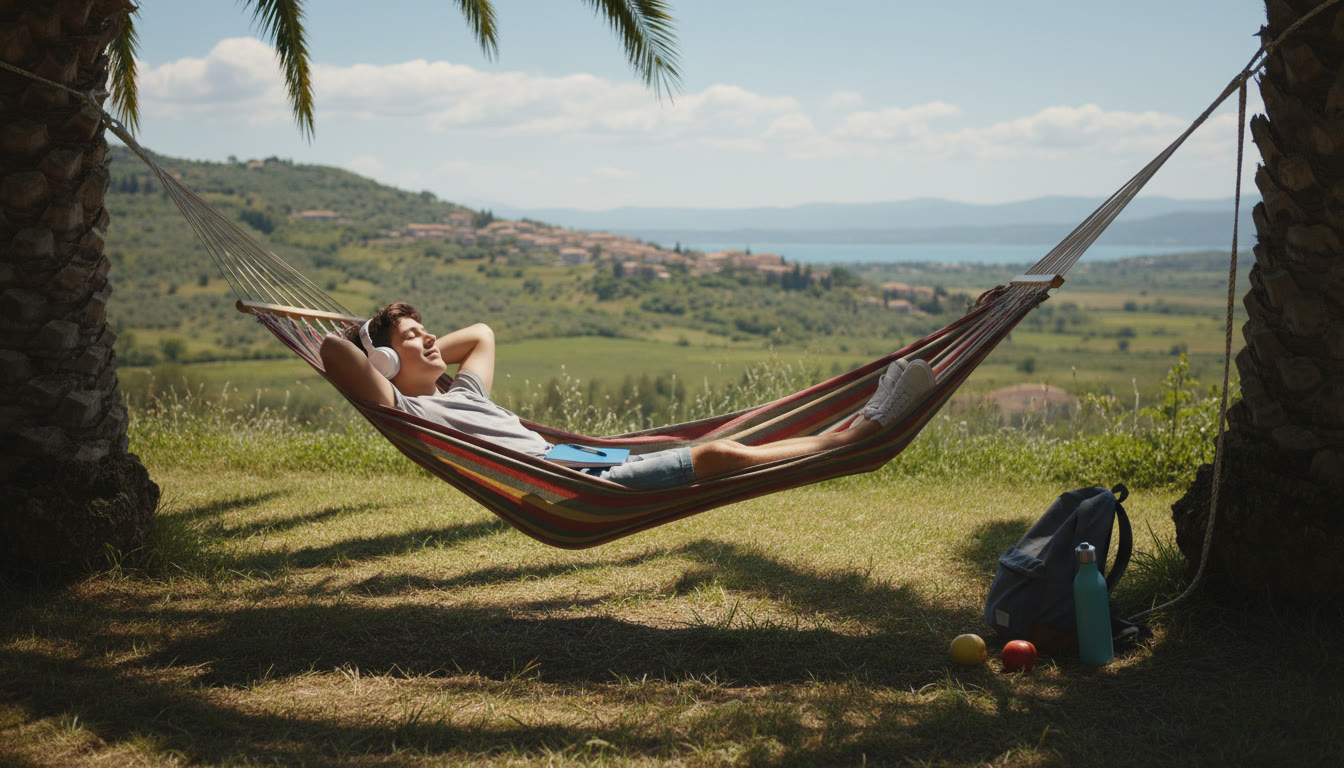
Academic success and wellbeing are inseparable. Students who feel emotionally safe and rested learn more efficiently and make better decisions. This summer is an opportunity to strengthen coping habits, communication, and resilience.
Routine, sleep, and screen balance
Encourage consistent sleep schedules, especially wake-up times that mirror school routines — a full cognitive reset happens when sleep is regular. Instead of policing screens, co-create simple limits: later-night phone-free windows, device-free family meals, and a shared plan for social time versus study time.
When worry takes over
Notice persistent sleep changes, withdrawal from friends, or a sharp drop in motivation. These are signs your teen may need a counselor or a trusted teacher to step in. As a parent, lead with curiosity and calm: “I’ve noticed… How are you feeling about that?” opens conversations without assigning blame.
When and how to bring in extra academic help
Sometimes targeted help transforms summer momentum. If your teen has a clear skill gap (e.g., math problem types, methodology for an IA, or structure for an EE), short, focused support can be very efficient. Look for options that offer:
- One-on-one guidance that adapts to the student’s pace.
- Tailored study plans that set realistic, measurable milestones.
- Expert tutors who respect IB assessment philosophies and academic integrity.
- Intelligent feedback and data-driven insights that highlight strengths and gaps.
For families exploring tutoring, consider a solution that emphasizes partnership with supervisors and teachers rather than replacement. For example, Sparkl‘s personalized tutoring can provide short-term specialist support to build confidence, with 1-on-1 guidance, tailored study plans, expert tutors, and AI-driven insights that help students make meaningful summer progress without losing autonomy.
Practical scripts: what to say (and what not to say)
Words matter. Replace pressure with curiosity and permission. Here are short, ready-to-use lines that respect autonomy while offering structure.
Supportive prompts
- “What would a good week look like to you? Want help putting that on the calendar?”
- “Show me one part of your plan I can help with — logistics, deadlines, or a quiet space.”
- “I’m proud of the work you’ve already done. What’s the next small step?”
Things to avoid
- Avoid vague pressure: “You must study more.”
- Avoid constant comparisons: “Remember so-and-so did X.”
- Avoid rescuing: “I’ll just finish this for you.”
Quick-check summer checklist for parents
- Agree on a visible, simple roadmap with your teen (milestones not minutiae).
- Book one weekly five-minute check-in — short, calm, and focused on the process.
- Ensure at least three days a week include non-academic rejuvenation.
- Encourage early supervisor contact for EE and IA planning.
- Organize one point of targeted help if technical gaps are blocking progress.
Balancing support and independence: the final lesson
The summer between DP1 and DP2 is an ideal time to teach a vital life skill: how to plan, pace, and be accountable for meaningful work. Your role as a parent is to create a safe, predictable container where effort is noticed, choices are respected, and learning — not mere output — is celebrated.
Use the roadmap, communicate kindly, and intervene only where scaffolding is genuinely needed. When targeted assistance is useful, prioritize options that complement school supervision and emphasize student agency. With patient guidance, steady rhythms, and well-placed support, students move into DP2 academically stronger, emotionally steadier, and more confident in their ability to finish what they start.
This concludes the educational guidance on supporting students during the summer between DP1 and DP2.





















No Comments
Leave a comment Cancel