
Mastering Design & Media in the IB DP: Smart Subject Combinations that Work
Picking subjects for the IB Diploma is one of those decisions that feels equal parts exciting and terrifying. If you’re drawn to design, filmmaking, visual storytelling or digital media, you want choices that let your creative voice shine while keeping doors open for university study and real-world work. This guide walks you—step by step—through the most effective IB DP subject combinations for Design & Media pathways, why each pairing works, how to choose HL and SL, and practical study approaches that lead to top grades and meaningful portfolios.
Why subject choice matters for Design & Media students
Subject choice shapes not only what you study, but how you develop studio skills, technical literacy and critical thinking. The IB Diploma demands both breadth and depth: breadth through six subject groups and the DP core (Theory of Knowledge, Extended Essay, CAS), and depth through Higher Level (HL) study. For Design & Media students the ideal combination balances creative practice (visual or film arts, design technology) with analytical lenses (history, business, computer science) and strong communication skills so portfolios, essays and presentations read as intentional and rigorous.
Think of subject selection the way a director casts a film: each subject plays a role—some carry the plot, others provide texture. Choose subjects that amplify your strengths and shore up gaps you’ll need for high-level work.
How the IB DP structure shapes your choices
The Diploma requires six subject choices (one from each group where possible), whereas some students opt to replace the arts subject with an additional course from another group. Most schools allow flexibility, so your first check should always be: which subjects does your school actually offer? After that, consider:
- HL vs SL: HL builds depth and is often recommended for subjects central to your future studies or portfolio.
- Internal Assessment (IA) opportunities: studio work, practical projects and IAs should align with the type of research and practice you want to showcase.
- Interdisciplinary fit: visual projects often intersect with technology, psychology, history and media studies—pick subjects that create natural crossovers for Extended Essay or TOK links.
Design & Media pathways: which profile fits you?
Before picking combos, identify the pathway that suits your interests and goals. Here are three common profiles:
- Designer / Product-focused — You love problem solving, product aesthetics, UX and hands-on prototyping.
- Media Producer / Filmmaker — You’re drawn to storytelling, editing, cinematography and media theory.
- Hybrid / Creative Entrepreneur — You want a balance of creative practice, business savvy and technical fluency for freelance or startup work.
Top subject combinations (clear, practical choices)
Below are recommended combinations that work across most schools and university pathways. Each combination explains the role of each subject and the core advantage for Design & Media students.
| Combination | Suggested HLs | Why it works | Portfolio / IA focus |
|---|---|---|---|
| Visual Arts + Design Technology + English A | Visual Arts HL, Design Technology HL | Deep studio practice + technical design and materials knowledge; strong communication for critical commentary. | Extended studio project showing iterative design, material studies and written analysis. |
| Film (or Media Arts) + History + Computer Science | Film HL, Computer Science HL | Combines narrative craft and media theory with technical editing and coding skills for digital effects or interactive media. | Short film/series with documented production journal and a technical add-on (e.g., app, visual effects pipeline). |
| Visual Arts + Economics (or Business) + Languages | Visual Arts HL, Economics HL | Develops creative practice with an entrepreneurial lens—perfect for exhibitions, freelance or studio business skills. | Portfolio that includes a market-facing brief and exhibition plan, plus a business case study. |
| Design Technology + Physics + Visual Arts | Design Tech HL, Physics HL | Great for product design, industrial design or engineering-adjacent creative tracks; ties form to function. | Prototyping-focused IA with technical testing and visual documentation. |
| Computer Science + Film + English A | Computer Science HL, Film HL | Excellent for digital media, interactive storytelling, game design and cinematic coding projects. | Interactive short, web-based narrative or algorithmically generated visuals with critical reflection. |
How to read this table and make it your own
Use the table as a starting point. Schools differ in what’s offered and in exam schedules, so adapt combinations to your local context. If your school doesn’t run Film HL, consider Visual Arts HL plus an after-school film project for practical experience; the IB values documented research and reflective practice regardless of where the practical work was completed.
Deciding HL and SL: a framework that avoids regret
Choosing HL can be tempting across the board, but overload is real. Here’s a simple, reliable framework:
- Make HL a core strength: Choose HL for 1 or 2 subjects that are directly tied to your creative identity (e.g., Visual Arts HL or Film HL).
- Prioritize university requirements: If your intended degree needs a technical background (computer science, engineering, product design), HL in relevant subjects helps.
- Balance workload: Combine one or two HLs with complementary SLs that still contain skill development. For creative students, a mix like Visual Arts HL, English A HL, and Design Technology SL can be robust without burnout.
- Consider assessment types: Some HL subjects require extended projects or portfolios; if you prefer continuous coursework to final exams, pick subjects that align with your strengths.
Balancing HLs against extracurricular commitments (exhibitions, film festivals, internships) is crucial—so is honest self-assessment. If you thrive on doing more, HLs will reward you. If consistency is your strength, keep at least one subject at SL to secure mental bandwidth for creative work.
How tutoring and targeted support fit in
High-quality, personalized feedback accelerates improvement—especially on things like portfolio curation, research skills or technical editing. For example, Sparkl‘s personalized tutoring can provide focused 1-on-1 guidance, tailored study plans and expert feedback on IAs and portfolios, supported by AI-driven insights to track progress over time. Use tutoring selectively: book a deep-session for portfolio critique or IA structure rather than trying to outsource all learning.
Practical strategies to master subjects and assessments
1. Turn every IA into a learning and portfolio opportunity
Internal Assessments can be the most powerful evidence of mastery—because they are original, assessable and often practical. Treat IAs as portfolio starters. Document every stage: research notes, sketches, test shots, revisions, and reflective commentary. That process not only lifts grades but becomes the backbone of a university or job portfolio.
- Keep a production diary and annotate it with references and influences.
- Map IA criteria to your daily work, so every sketch or test shot aligns to marking objectives.
- Ask for targeted feedback early. A single 1-on-1 session often yields direction that saves weeks of rework.
2. Build cross-subject projects
One of the IB’s strengths is that it rewards interdisciplinary thinking. If you’re making a short documentary in Film, anchor it in History or Geography for richer context. If you’re designing a product in Design Technology, use Mathematics for data visualization and Economics to explore market viability. These crossovers strengthen essays like the Extended Essay and TOK reflections, and tighten your narrative across assessments.
3. Practice intentional skill cycles
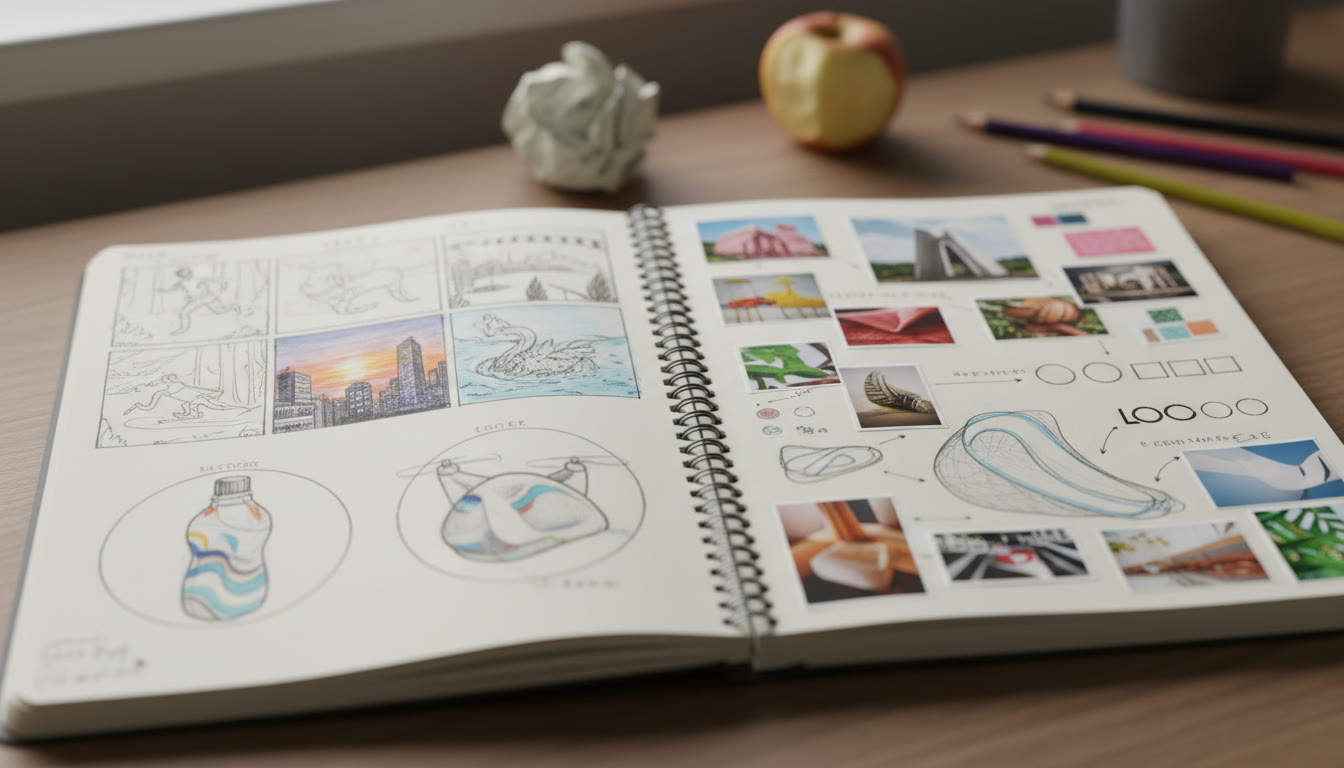
Design and media skills improve with repeated short cycles of practice + critique. Structure your weekly work into clear loops:
- Plan: 20% — define goals and criteria for the week
- Do: 50% — focused studio time or editing blocks
- Review: 20% — get feedback and revise
- Reflect: 10% — short journal entry linked to IA or portfolio aims
Sample weekly study plan (practical time distribution)
Use this as a template and tweak to match your HL load and extracurriculars.
| Activity | Hours / week (example) | Purpose |
|---|---|---|
| Studio / Practical Work | 8–12 | Portfolio pieces, IA practice and skill drills |
| Research & Reading (theory + art history) | 3–5 | Contextual essays, EE reading, TOK links |
| Technical Skill Sessions (software, camera, prototyping) | 3–6 | Software fluency, test shots, prototyping |
| Tutor / Mentor Feedback | 1–2 | Targeted critique and IA structuring |
| Language & Essay Work | 2–4 | English A, EE drafting and TOK evidence |
4. Refine presentation and critical reflection
Grades in arts and media hinge on how well you justify decisions. Spend time writing crisp artist statements, production rationales and reflective entries that connect process to outcomes and theory. This is where TOK and EE can amplify your work: link practice to academic frameworks for a clearer assessment narrative.
5. Use targeted help—strategically
One-off mentoring sessions can be transformative: a tutor who knows assessment criteria can help trim weak elements and strengthen evidence. When you do use support, focus on:
- Portfolio critique with criteria mapping
- IA structure and referencing help
- Technical workshops (editing, CAD, printing) to solve blockers fast
Again, focused sessions—rather than constant hand-holding—build independence and boost final performance. If you’d like guided, tailored support, Sparkl‘s tutors can provide that kind of targeted feedback and structured planning.
Assessment mindset: turning projects into top marks
Assessors look for evidence of skill, critical thinking, and development. For studio work, show iterations. For film, keep camera logs and editing timelines. For design, produce prototypes and test data. The criteria rarely reward polish alone—the process, research, rationale and ability to evaluate your outcomes matter as much as the final product.
Extended Essay (EE) and TOK: make them count
Use your EE and TOK to deepen the theoretical backbone of your creative practice. If your EE directly connects to your IA or portfolio—say, an investigation into sustainable materials for design—you get stronger, more defensible work across the board. TOK essays and presentations are natural spaces to discuss authorship, representation, ethics in media and the role of technology in creative production.
Practical checklist for higher marks
- Start early. Small, consistent progress beats last-minute overhaul.
- Document everything: evidence is essential for marks and for curating a portfolio.
- Align practice to assessment objectives—make sure every artefact maps to at least one criterion.
- Seek critique from varied sources: teachers, peers, industry mentors and tutors.
Real-world context and next steps
Universities and creative employers look for demonstrable skills and thoughtfulness. Your IB subjects are the stage where you demonstrate both. Choose combinations that produce tangible work—films with logs, design projects with prototypes, portfolios with critical reflections—and package them clearly. That’s what admission tutors and hiring managers remember.
To keep options open, favor subject mixes that showcase process, technical competence and communication. A film student who pairs Film HL with Computer Science SL and English A will present a different but compelling profile than one who pairs Film HL with History HL—both are valid, both open doors; what matters is the narrative you build across subjects.
Final checklist before you commit to subjects
- Confirm availability at your school and workload expectations.
- Identify 1–2 HLs that reflect your intended strength or university requirements.
- Plan IA themes that can feed your Extended Essay or TOK where possible.
- Map a weekly practice schedule that protects studio time and research blocks.
- Arrange at least two focused feedback sessions per term to stay on track.
Making the right subject choices and following a disciplined, reflective practice will take you far: your grades will rise, your portfolio will mature, and you’ll develop the habits used by professionals. Build projects that matter to you, document every decision, and treat assessment criteria as a friendly map rather than a checklist. Occasional targeted support—like focused tutoring sessions—can accelerate your progress without taking over your creative voice.
Choose combinations that let you practice deliberately, think critically and present professionally; that is the pathway to mastering Design & Media in the IB DP.
End of article.




















No Comments
Leave a comment Cancel