

IB DP Social Impact: Ethical and Safe Health Initiatives for IB DP Students
Health-focused CAS projects are some of the most rewarding ways to connect classroom learning with community need. Done well, they combine clear learning outcomes, community partnership, and ethical practice—exactly the sort of work that makes a student portfolio stand out. This guide walks you through ideas, safeguards, planning templates, and documentation tips so your health initiative is meaningful, safe, and reflective of IB principles.

Why health initiatives fit so naturally with the IB DP
The IB encourages students to engage with issues of global significance, show initiative, and reflect on their learning. Health projects—when designed responsibly—tick all those boxes: they address wellbeing in local contexts, ask you to think ethically about consent and privacy, and demand sustained planning and reflection. Rather than quick one-off events, the best CAS health initiatives show clear preparation, partnership with adults or professionals, and documented learning.
Core ethical principles to build into every health project
Before you design activities, let these principles guide every decision:
- Do no harm: Prioritize safety and avoid interventions that could cause physical or emotional harm.
- Informed consent: Participants and guardians must understand what they are signing up for—and consent should be documented where appropriate.
- Confidentiality and privacy: Be careful with sensitive health information; collect only what is necessary and store it securely.
- Collaborate with professionals: When topics touch on clinical or specialist areas (mental health, sexual health, chronic conditions), involve trained adults or local health services.
- Cultural sensitivity: Respect local beliefs, languages, and norms—health messages must be relevant and respectful.
- Evidence-informed: Use reliable sources for health information and avoid unverified claims.
Safe, ethical project ideas that make strong CAS entries
Here are practical ideas that balance impact and safety. Each is written so you can adapt it to your school context and size.
- Mental health awareness campaign: Host workshops about stress-management strategies, run a peer-listening program with clear boundaries, and produce a campus resource map of local support services. Always include signposting to professional help.
- Healthy eating and cooking workshops: Teach simple, affordable recipes and basic nutrition principles. Partner with a nutritionist or a home-economics teacher for accuracy and safety.
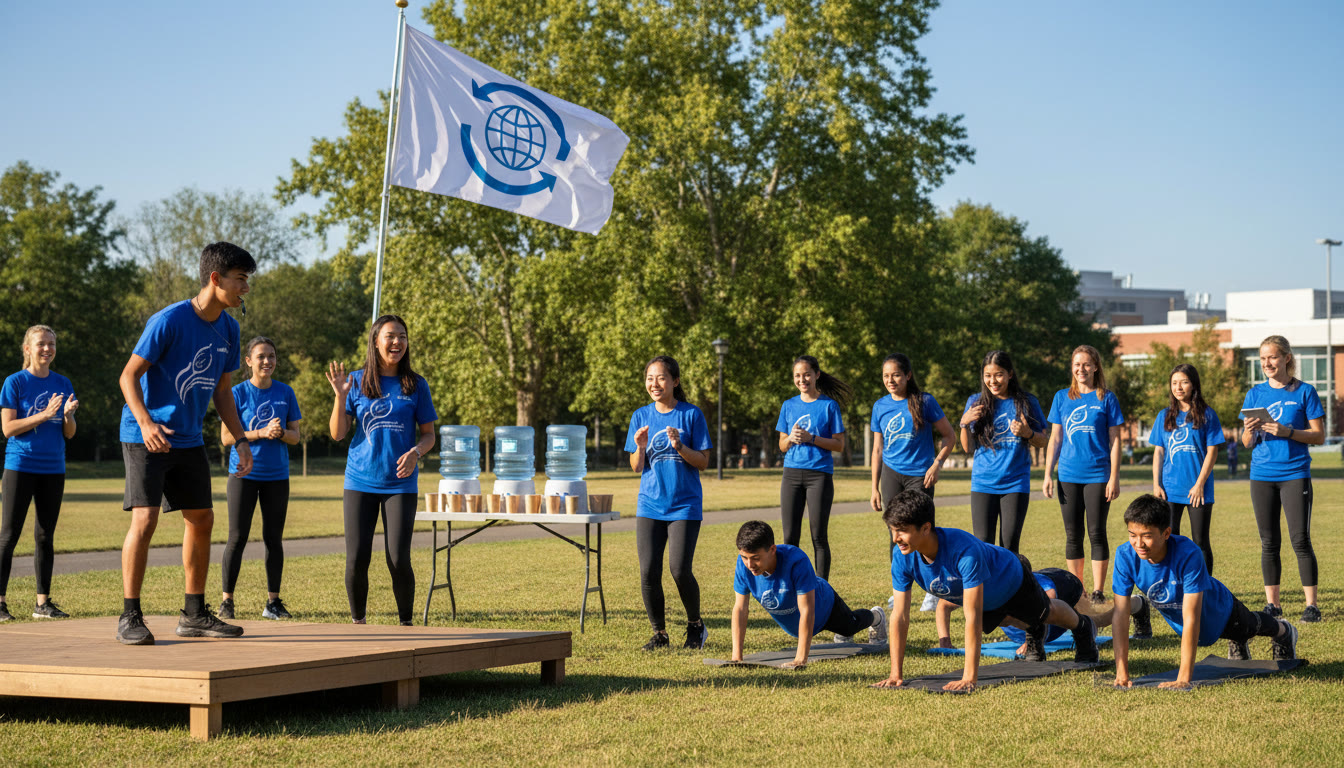
- Active-living pop-ups: Short community events encouraging movement—walking clubs, dance drop-ins, or bike-fix mornings—designed for inclusivity.
- Hygiene and prevention campaigns: Hands-on demonstrations (non-clinical), poster drives, and educational videos focused on prevention and access to local services.
- Health-literacy materials for younger students: Create age-appropriate booklets or digital content explaining basic health concepts in plain language.
- Fundraising for community health partners: Organize ethically run fundraisers with transparency about where funds go and partnership agreements with recipient organizations.
None of these require you to act as a clinician. The goal is education, connection, and referral, not diagnosis or treatment.
Practical safety checks: a quick risk and ethics checklist
Use this short checklist before any activity begins. It helps you spot potential problems early and document the safeguards you put in place.
- Have you identified the adults or professionals who will supervise or advise the project?
- Is parental or guardian consent needed, and is it collected in writing when appropriate?
- Have you completed a basic risk assessment and emergency plan?
- Does your activity avoid collecting sensitive health data? If it must be collected, is it minimized and securely stored?
- Are boundaries clear for peer support roles (for example, trained listeners refer to professionals)?
- Is there a plan for inclusivity and cultural sensitivity?
Sample risk matrix for common health project elements
| Activity | Potential Risk | Mitigation | Responsible |
|---|---|---|---|
| Peer listening sessions | Emotional distress, disclosure of serious risk | Clear referral pathway, trained adult supervisor, no one-on-one unsupervised meetings | Student leads + school counsellor |
| Cooking workshop | Minor injuries, food allergies | Allergy checks, basic first-aid kit, adult supervision, ingredient labels | Teacher or community chef |
| Outdoor fitness pop-up | Overexertion, weather-related issues | Warm-up, hydration stations, weather contingency plan | Athletics teacher |
| Fundraising for clinic | Misallocation of funds, unclear reporting | Formal agreement with partner NGO, transparent accounting | Student treasurer + supervising teacher |
Sample project timeline and roles (adaptable for CAS planning)
| Phase | Key actions | Safety checks |
|---|---|---|
| Needs assessment (Weeks 1–2) | Meet community partners, survey target group, set objectives | Obtain permissions; anonymize survey responses |
| Design & training (Weeks 3–5) | Draft materials, train student volunteers, confirm logistics | Run dry-runs; confirm supervisor availability |
| Delivery (Weeks 6–8) | Run workshops/events, gather feedback | On-site first-aid, clear referral process |
| Evaluation & reflection (Weeks 9–10) | Analyze feedback, write reflections, prepare portfolio evidence | Securely store data; remove identifying detail in public reports |
How to document evidence that impresses CAS supervisors
Quality evidence is specific, honest, and reflective. A great CAS portfolio entry includes:
- A clear statement of aims (what change you sought and why)
- A brief description of planning steps and who was involved
- Photos or media (with consent) showing the activity
- Data or feedback that demonstrates impact (surveys, attendance figures, testimonials)
- Reflection that links what you did to learning outcomes and personal growth
- Supervisor comments or verification
Example reflection starters you can adapt:
- “I planned this initiative because…”
- “A challenge we faced was… and we addressed it by…”
- “I learned about ethical practice when…”
- “Next time I would… to improve safety or inclusion”
Measuring impact ethically
Impact is not only numbers. Combine quantitative and qualitative measures, but collect both ethically.
- Quantitative: attendance, materials distributed, pre/post knowledge quiz (non-identifying)
- Qualitative: short anonymous feedback, stories (with informed consent), reflections from partners
- Referral outcomes: number of people signposted to services (without recording identifiers)
Keep surveys short, optional, and anonymous unless participants explicitly agree to be identified. If you work with sensitive topics, remove identifying information before reporting results publicly.
Working with vulnerable groups: boundaries and mandatory safeguards
If your project involves children, older adults, or people with additional needs, a higher standard of safeguarding applies. Practical steps include:
- Always involve your school’s safeguarding lead or a responsible adult.
- Avoid unsupervised one-on-one meetings; use public or observed spaces.
- Complete relevant safeguarding or first-aid training offered by your school or partners.
- Understand mandatory reporting obligations and who to contact in an emergency.
Remember: your role as a student is to support and signpost, not to act as a professional carer.
Common pitfalls and how to avoid them
- Aim too wide: focus leads to better quality evidence than many shallow activities.
- Skipping stakeholder consultation: early partnership prevents ethical problems later.
- Collecting sensitive data without safeguards: plan data collection carefully or don’t collect it at all.
- Overstepping scope: don’t provide medical or clinical advice—refer to qualified professionals.
Tools, training, and tailored support
Many students benefit from extra coaching when planning complex projects. Consider combining school support with targeted coaching for project design, risk assessment, or portfolio writing. For example, Sparkl‘s personalized tutoring can help you translate project activities into strong reflections and measurable learning outcomes; Sparkl‘s tutors offer 1-on-1 guidance, tailored study plans, expert tutors, and AI-driven insights that clarify where your project shows growth.
Sample reflection table to include in your portfolio
| Activity | Learning outcome demonstrated | Evidence | Reflection highlight |
|---|---|---|---|
| Mental-health workshop | Engaged with global issues; planned and initiated activities | Attendance log; anonymous feedback; photos with consent | “I learned how to design safe referral pathways and how to listen with empathy.” |
| Healthy-cooking series | Developed new skills; worked collaboratively | Recipes produced; participant testimonials | “I improved my communication and adapted materials for different ages.” |
Communicating with partners and supervisors
Clear, regular communication builds trust. Keep short logs of meetings, circulate agendas, and confirm responsibilities in writing. When you formalize a partnership (even with a small local NGO), a simple memo of understanding outlining roles, funds, and reporting expectations protects everyone and strengthens your evidence.
Scaling impact while staying ethical
If your initiative grows, scale deliberately: train new student leaders, secure consistent adult supervision, and update your risk assessments. Scaling without infrastructure is where ethical breaches most commonly occur, so prioritize systems as much as enthusiasm.
Final checklist before you mark your project as complete
- All supervisors have signed off on activities and evidence.
- Consent forms and any necessary permissions are filed.
- Data collected is anonymized or securely stored, then archived properly.
- Your reflections explicitly link activities to CAS learning outcomes and ethical considerations.
- You have documented impact with both numbers and qualitative feedback.
Conclusion
Health initiatives are a powerful way to demonstrate the values and skills central to the IB DP: ethical reasoning, sustained commitment, collaboration, and reflective learning. By centering safety, consent, partnership with trained professionals, and careful documentation, your project will not only serve others but also become a clear, authentic showcase of your growth in a CAS portfolio.


























No Comments
Leave a comment Cancel