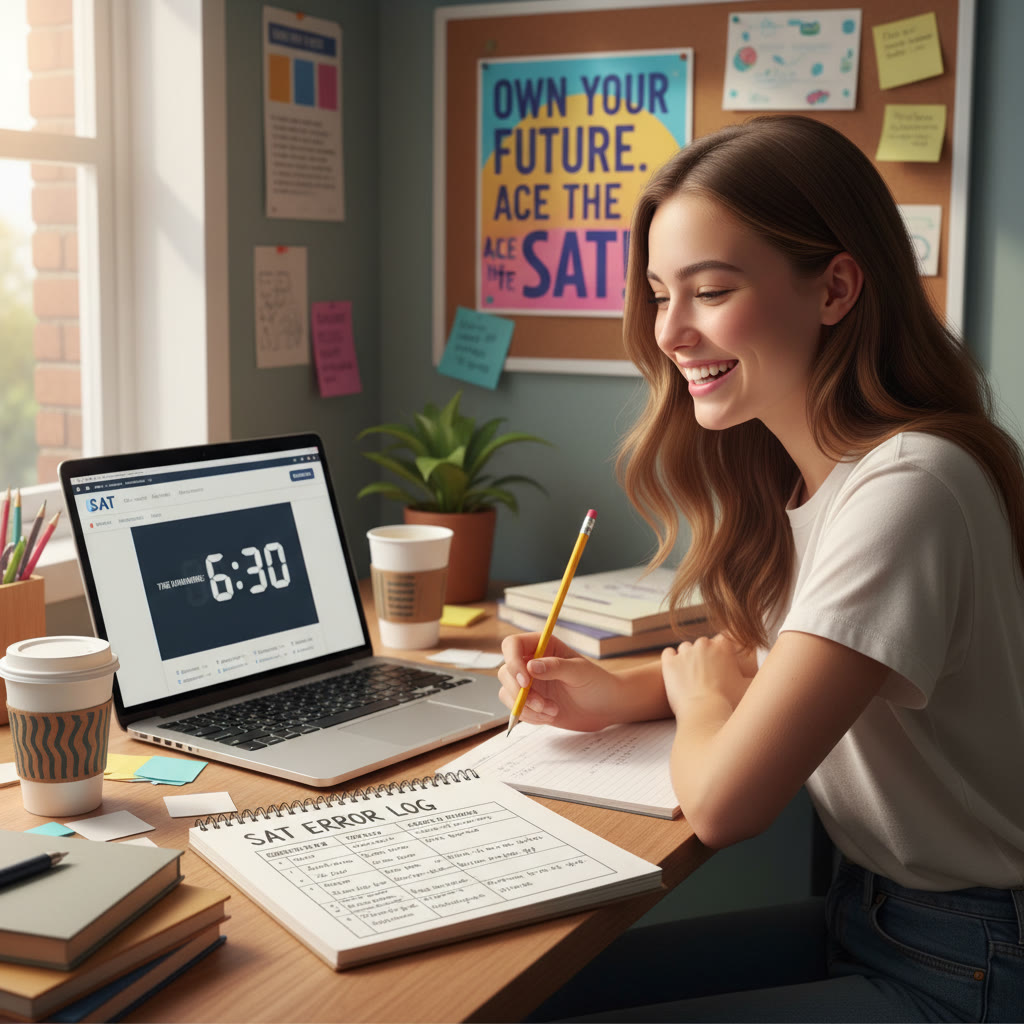

Why SAT Practice Feels Harder Than the Real Test Sometimes
Raise your hand if a practice SAT ever left you drained, demoralized, or convinced you were doomed, only for the real test day to feel calmer and more manageable. You are not alone. Many students report that practice tests feel harsher, trickier, or more punishing than the official SAT. That puzzling experience has less to do with fate and more to do with how we practice, how our brains respond to unfamiliar conditions, and the difference between diagnostic tests and performance tests.
What we mean by harder
When students say practice felt harder, they usually mean one or more of the following: the questions felt more ambiguous, timing felt tighter, they made more careless mistakes, or their score on a full-length practice test was lower than expected. Sometimes the practice environment breeds doubt, and doubt multiplies mistakes. Let’s unpack the big reasons behind this common feeling and turn them into practical strategies you can use before test day.
Reason 1: Practice often focuses on weaknesses
Practice sessions are designed to highlight your problem areas. This is a good thing, but it comes with a predictable psychological effect. When you repeatedly work on the toughest question types or target your errors, sessions can feel demoralizing even as they produce the biggest gains.
How this plays out
- You spend a week hammering algebra word problems, so practice tests feel algebra-heavy.
- Diagnostic tests intentionally include tricky distractors to teach strategy, increasing perceived difficulty.
- Focused practice skews your sense of overall difficulty because you’re living in the hardest part of your learning curve.
Think of learning to play the piano. You practice the difficult passages over and over, so rehearsal sounds dissonant. On recital day you play the whole piece, and the challenging bits are diluted among the rest. Similarly, targeted SAT practice intentionally magnifies your weaknesses so you can fix them — and that magnification can feel like the whole test is more difficult.
Reason 2: The testing environment changes everything
Testing under fluorescent lights in a noisy classroom, with unfamiliar clocks and the pressure of timing, can make questions feel meaner. On the other hand, taking practice tests at home on a laptop with distractions can create false challenges: interruptions, inconsistent timing, or a different screen size can slow your pace.
Practice vs real environment
| Factor | Typical Practice Test | Actual SAT |
|---|---|---|
| Time of day | Varies; often off-peak | Morning start common; predictable |
| Noise and interruptions | Higher at home, variable silently at center | Strictly controlled, quiet |
| Device and screen | Laptop/tablet differences possible | Official instructions and paper or digital standardization |
| Perceived stakes | Lower immediate stakes, but high personal stakes | High stakes; adrenaline changes focus |
That table shows why the same questions can feel different: your situational cues change. Real SAT test centers are predictable in format and controlled in ways that often reduce the weird inconsistencies of casual practice.
Reason 3: Practice often uses the hardest exercises on purpose
Good practice is deliberately challenging. Tutors, prep books, and online platforms will give you questions that force you to confront edge cases and tricky logic. This technique, called desirable difficulty, promotes learning, but it can feel brutal in the moment.
Why desirable difficulty helps
- It forces deeper processing, which improves retention.
- It exposes common traps so you can learn to avoid them on test day.
- It builds problem recognition patterns that are essential for speed.
Contrast that with a test that reflects the full distribution of easy, medium, and hard items. The real SAT contains many middle-difficulty questions that reward fluency. Practice that over-represents the hardest items will feel more vicious than the actual exam.
Reason 4: Performance anxiety and mindset
Anxiety is a sneaky score thief. When practice makes you anxious, you tighten up, rush, or second-guess good instincts. But interestingly, there’s a pattern: low-stakes practice can cause a different kind of anxiety — the frustration of not meeting personal standards — while high-stakes real tests trigger focused adrenaline that actually sharpens concentration for some students.
Mindset strategies that help
- Reframe practice as experimentation: you are collecting data, not passing a verdict on your worth.
- Use short, frequent timed sections to acclimate to pressure in small doses.
- Practice under simulated test conditions once a week to build tolerance to the format.
Students often benefit from a mixed routine: heavy work on weaknesses interleaved with full-length, simulated tests that replicate the timing, breaks, and environment of Test Day.
Reason 5: Fatigue and pacing during practice
Many students try to cram long study blocks without proper pacing. If you do four hours of low-quality practice, you might be training exhaustion rather than skill. On the actual SAT, your energy is managed: you get a fresh morning, clear instructions, scheduled breaks, and a single purpose. Poorly paced practice can leave you fatigued and performing worse than you would under well-managed conditions.
Pacing tips
- Train with realistic time blocks: simulate the 3-hour testing rhythm, including breaks.
- Schedule hard practice when you are mentally fresh; save review and lighter work for later.
- Practice active recovery: short walks, hydration, and a snack before long sessions help retention.
Reason 6: You notice every mistake during practice
Practice is a microscope. You examine every wrong answer, analyze the thought process, and catalog your errors. That scrutiny makes practice feel more punishing than the actual test, where mistakes are often less vivid in hindsight. But remember, this inspection is where improvement happens — it’s uncomfortable because it’s honest.
Turn scrutiny into progress
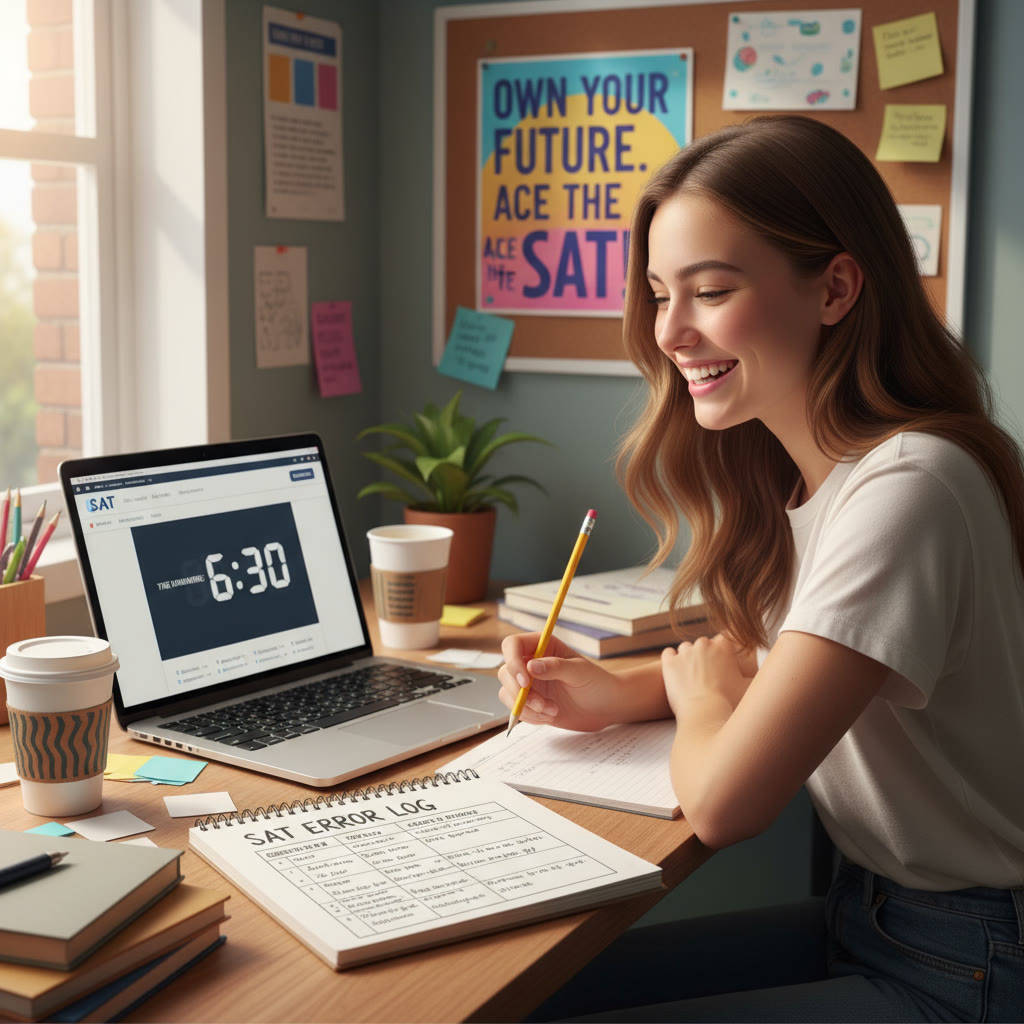
- Keep an error log and look for patterns rather than obsessing over single questions.
- Classify errors: conceptual gap, careless mistake, timing issue, or misread question.
- Design one micro-action for each error type: a formula review, attention drills, or target practice.
Reason 7: The role of feedback quality
How you review practice tests matters more than how many you take. Generic answer keys that only show correct choices don’t build strategy. Deep feedback — explanation of why each wrong option looks tempting and how to eliminate it — shapes judgment. If your practice materials give thin feedback, the session will feel confusing and harder.
What good feedback looks like
- Step-by-step reasoning for each correct answer
- Explanations for why distractors are plausible
- Suggestions for alternate approaches or faster methods
This is where personalized help shines. Sparkl’s personalized tutoring offers 1-on-1 guidance, tailored study plans, expert tutors, and AI-driven insights that flag recurring error patterns and suggest concrete next steps. That blend of human coaching and smart analytics accelerates learning and turns discouraging practice into clear progress.
Practical steps to make practice feel more like the real test — and less punishing
If practice feels harder, you can change both the content and the context so your training better mirrors test day and reinforces confidence. Below are actionable steps that students can implement this week.
1. Simulate test conditions weekly
- Use the same start time as your scheduled SAT, wear comfortable clothes, and follow the exact timing, including breaks.
- Turn off notifications and set your space to be quiet for the duration.
- Use the same tools you plan to use on test day: analog watch, pencils, or official digital interface.
2. Mix targeted practice with full-length runs
Balance deliberate practice of weak skills with full-length timed tests. Aim for a 70/30 split: 70 percent focused work on weaknesses and 30 percent full-length simulations so your pacing and stamina are tested accurately.
3. Improve feedback quality
- Write out why each wrong choice was tempting and what clue you missed.
- Create 2–3 flashcards summarizing the core idea behind questions you missed.
- Consider 1-on-1 sessions with a tutor who can model reasoning and correct persistent errors.
4. Manage energy, not just time
Schedule demanding sessions at your peak mental hours. Use active breaks, hydrate, and practice proper sleep hygiene the week before your official test. Energy management reduces careless errors and improves endurance for both practice and the real SAT.
Quick comparison: practice habits that help versus hurt
| Habit | Helps | Hurts |
|---|---|---|
| Review method | Detailed error analysis and corrective practice | Skimming answers without understanding mistakes |
| Test simulation | Weekly full-length, timed simulations | Only doing untimed, fragmented sections |
| Feedback | Guided feedback from a tutor or high-quality resource | Relying on short answer keys or forum comments |
| Emotional framing | Curiosity and experimentation | Catastrophic thinking based on single scores |
Real-world examples: small changes, big outcomes
Here are two short stories that show how changing practice habits can flip the perception of difficulty.
Case 1: Mia’s timing breakthrough
Mia scored in the low 1200s on early practice tests and felt practice was brutal because she always ran out of time on the reading section. With a tutor, she switched to timed 25-minute blocks for individual passages and practiced a single reading strategy every day for two weeks. The focused drills reduced her processing time and gave her a repeatable rhythm. At her next official practice test, she finished comfortably and saw a 70-point jump. The practice still had hard questions, but now they felt like solvable puzzles instead of time traps.
Case 2: Raul’s error log
Raul kept repeating the same algebra mistakes despite hours of studying. He began keeping an error log that categorized mistakes into misread, calculation, or concept. He discovered most errors were misreads. After practicing a simple habit — underlining units and restating problems in one line before solving — his error rate fell, and he stopped feeling ambushed by his practice tests. The practice remained challenging, but it stopped feeling stacked against him.
How coaches and smart tools change the practice experience
One reason practice can feel demoralizing is the absence of tailored guidance. Generic resources are helpful, but they don’t account for your unique error patterns, pacing needs, or learning preferences. High-quality tutoring and adaptive platforms close that gap.
What personalized support provides
- Targeted drills for recurring error types
- Motivational coaching to reframe setbacks as data
- AI-driven insights that spot trends across multiple practice tests
Sparkl’s personalized tutoring blends one-on-one coaching, tailored study plans, expert tutors, and AI-driven insights to create practice that feels fairer and more productive. Instead of simply stacking harder questions on top of each other, this approach builds a plan that alternates skill-building, strategy reinforcement, and realistic simulations so that your practice better mirrors the actual SAT experience.
Final checklist: making practice effective and less intimidating
- Run simulated full-length tests under realistic conditions once a week
- Spend targeted daily sessions on the one or two skills that cost you the most points
- Log and classify mistakes to identify patterns
- Use high-quality feedback to build specific corrective actions
- Manage energy with sleep, nutrition, and strategic breaks
- Mix in confidence-building sessions of easier material to remind yourself of strengths

Parting thought: practice is a laboratory, not a sentence
When practice feels harder than the real test, it’s a signal that something in your practice design needs adjustment — not a prophecy about your score. Hard practice is where learning happens, but it must be smart, targeted, and paired with accurate feedback. By simulating conditions, managing energy, and focusing on patterns rather than single results, practice will stop feeling like punishment and start feeling like progress.
If you want guidance on designing practice that mirrors the SAT and fits your life, consider working with a tutor who can translate mistakes into clear next steps. Sparkl’s personalized tutoring can help with one-on-one guidance, tailored study plans, expert tutors, and AI-driven insights to make each practice session smarter and more encouraging. Remember: smarter practice builds not just skill but the calm confidence you need on Test Day.
You’ve put in the time. With the right approach, practice will stop feeling harder and start feeling like a steady climb toward your best test-day self.





















No Comments
Leave a comment Cancel