
Quiet Confidence: Why the Final 3 Days Matter More Than You Think
Those last three days before the SAT can feel like a pressure cooker: everyone wants to do something—anything—that will boost their score. But the truth is simpler and quieter. The final 72 hours aren’t about learning brand-new shortcuts or cramming entire math chapters. They’re about sharpening the tools you already have, removing avoidable risks, and showing up relaxed and ready. A smart finish-line strategy will help you translate weeks and months of hard work into your best test performance.
Below you’ll find a friendly, practical plan for each of the last three days, plus test-day morning routines, checklists, and quick hacks to keep your nerves steady. I’ve included a short device and logistics checklist for the Digital SAT, a recovery plan in case something goes wrong, and real-world examples to make the plan feel doable—because calm, deliberate action beats frantic cramming every time.
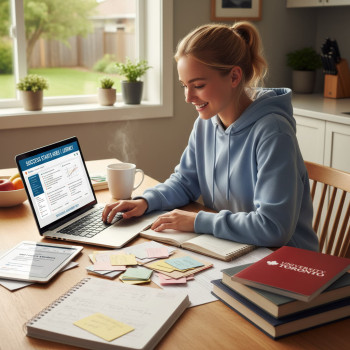
Note: College Board requires you to be device-ready for the Digital SAT (Bluebook app), so make sure your testing device and the app are set up well before the test. ([satsuite.collegeboard.org]( Picture: The Purpose of Each Day
Think of the last three days as a mini-campaign with one clear goal: optimize performance by minimizing surprises and maximizing mental fitness. Here’s the quick breakdown before we dig into details:
- Day 3 (72 hours out) — Final content polish and tech checks.
- Day 2 (48 hours out) — Light, targeted review and practical preparations.
- Day 1 (24 hours out) — Rest, routine, and logistics lock-down.
Day 3 (72 Hours Out): Polish, Practice, and Device Readiness
This is the day for calm, focused work. You still have energy, so use it to address small weak spots and remove technical risks.
1. Do one short, targeted practice session (60–90 minutes)
Pick one section where you’re consistently shaky—maybe grid-in algebra, data interpretation, or sentence-level grammar. Do one focused practice set (20–30 questions) and then review mistakes thoroughly. Don’t aim to finish a full test; the goal is high-value practice with reflection.
2. Quick review sheets (30–45 minutes)
Use a single-page cheat-sheet for high-frequency content: common grammar rules, trig identities, key formulas, and data interpretation reminders. If you don’t have one, create it now. Writing it down helps memory—this is active recall, not passive skimming.
3. Digital SAT: Bluebook and device checks
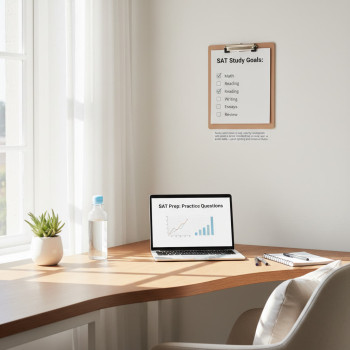
Because the SAT is digital, tech checks are non-negotiable. Confirm the Bluebook app (or whatever the current official testing app requires) is installed on the exact device you’ll use. Run a test setup or quick exam setup on the device so you’re familiar with the sign-in flow and how the app manages the testing environment. If you don’t have an approved device, ask about borrowing or device lending options now—College Board provides guidance on device readiness and timelines. ([satsuite.collegeboard.org]( Idea : A neat desk with a laptop open to the Bluebook app, headphones, a water bottle, and a small stack of neatly organized flashcards—visualizing modern digital test prep.
Day 2 (48 Hours Out): Targeted Review, Logistics, and Confidence-Building
Two days out is the time to tidy up logistics, run through your test-day plan, and do short, confidence-boosting practice. Keep everything light and positive.
1. Short full-section practice (45–60 minutes)
Take one timed section—preferably the one you find most stressful—and do it under test-like conditions (no phone, minimal distractions). Afterward, spend as much time reviewing each mistake as you spent taking the section. The point is feedback, not volume.
2. Create a minute-by-minute test-day plan
Plan clear logistics: exactly when you’ll wake up, what you’ll eat, how you’ll travel to the test center, and a backup plan if travel goes sideways. Pack a small test-day bag tonight with items you’re allowed to bring: charger (if permitted), admission ticket or printed confirmation, photos or ID as required, snacks for before/after, and comfortable clothing layers.
3. Review the rules and what to expect
Scan official test-day rules and the “What to Expect on Test Day” guidance to avoid surprises—especially for digital test procedures and what to bring. This small step reduces anxiety and prevents last-minute scrambles. ([satsuite.collegeboard.org]( Light practice on trouble spots (30 minutes)
Do a small bundle of questions from mistakes that surfaced in Day 3. Use flashcards or short drills for memory refresh—not marathon study sessions. Short, correct repetitions beat long, unfocused cramming.
Day 1 (24 Hours Out): Rest, Routine, and Mental Prep
Today is about recovery, routine, and minimizing cognitive load. Think: maintenance, not improvement.
1. Final check of logistics and device
Confirm travel plans, test-time, and that your admission ticket is accessible. Reboot your device, plug it in, and run any final app checks recommended for the Bluebook or testing platform. If you haven’t completed the exam setup within the app, do it today; the app typically generates the admission ticket and downloads the test-metadata ahead of test day. ([satsuite.collegeboard.org]( Light review only (30–45 minutes)
Do only easy, confidence-building work: quick grammar drills, flashcards, or one short set of math problems you can solve without stress. Avoid diving into anything new or overly difficult. Your brain needs consolidation, not exhaustion.
3. Sleep and nutrition plan
Prioritize sleep—aim for 7–9 hours. Avoid late-night heavy meals or excessive caffeine. For dinner, choose a balanced meal with lean protein, complex carbs, and vegetables; it’s a good idea to avoid anything that has upset your stomach in the past.
4. Relaxation and visualization (15–20 minutes)
Spend time on breathing exercises or a brief guided visualization: picture arriving calm, finding your seat, reading the first question clearly, and maintaining steady focus. Visualization trains your brain for success by familiarizing it with the sequence of events and positive outcomes.
Test-Day Morning: Routines That Keep You Grounded
On the morning of the SAT, routine beats random. A predictable, comforting routine removes choice fatigue and centers your attention on the test itself.
1. Wake-up and light movement
Wake up with enough time for a calm morning. Do 5–10 minutes of gentle movement—stretching or a short walk—to get circulation going. Avoid an intense workout that will leave you drained.
2. Breakfast and hydration
Eat a familiar breakfast that includes protein and slow-release carbohydrates: eggs and toast, yogurt and fruit, or oatmeal with nuts. Sip water steadily; don’t overdo it right before the test to avoid breaks that make you anxious.
3. Final quick warm-up (20–30 minutes)
Do one brief warm-up: 10 minutes of light math problems and a few vocabulary or grammar flashcards to prime your brain. Keep it brief and reassuring—not high-stakes.
4. The calm arrival
Arrive early to the test center or the check-in location so you have time to sit, breathe, and settle. Use the minutes before test-start to review your planned approach: how you’ll handle time, when you’ll flag questions, and how you’ll manage breaks between sections.
During the Test: Practical Strategies for the Digital SAT
Once you’re in the test, simple, repeatable routines matter. The Digital SAT’s interface and tools (e.g., calculators, highlighting, answer flags) are designed to help—use them intentionally.
1. Read the passage/question carefully, then predict
Before looking at the answers on multiple choice, try to predict what the correct answer will look like. This reduces the chance of being swayed by tempting but incorrect choices.
2. Use flags and rough notes wisely
Flag questions that look time-consuming and come back later. Use the digital scratch area to structure thinking: write formulas, quick diagrams, or line-by-line notes for reading questions. Keep scratch work tidy—you’ll save time when you return to flagged problems.
3. Time checkpoints
For each section, set two checkpoints: a halfway point to ensure you’re on pace, and a five-minute warning to wrap up and bubble or submit answers. If you’re falling behind, switch to an elimination strategy: remove clearly wrong answers and make educated guesses on remaining choices.
4. Manage anxiety with breath
If panic hits, stop for 30 seconds and do three deep, slow breaths: in for four, hold for four, out for six. This simple reset lowers heart rate and improves clarity.
What to Bring, and What to Leave Out
Pack a small, practical bag the night before. Bring what’s allowed and leave valuables at home to avoid distractions.
- Admission ticket (digital or printed) and valid photo ID as required.
- Fully charged, approved testing device (if permitted to bring) and charger if rules allow; otherwise, ensure your registered device is ready. ([satsuite.collegeboard.org](
- Comfortable layers of clothing (test centers can be chilly).
- Snack and water for before/after the test (not during sections unless allowed during breaks).
- List of emergency contacts and travel directions in print (not on your phone, which you’ll likely need to keep off during testing).
Quick Troubleshooting: If Something Goes Wrong
No plan is perfect. Here’s how to handle common last-minute problems calmly.
1. Tech problem with the Bluebook app or device
If your device has a problem during setup, tell the proctor immediately. In many cases, proctors and test centers have standard procedures; College Board also allows device lending or alternate arrangements if requested far enough in advance. The best approach is to avoid this situation by completing device setup and exam setup well before test day. ([satsuite.collegeboard.org]( Overslept or travel delay
If you’re going to be late, call the test center right away. If you miss your test, stay calm: you can register for a future test date. Use the experience as a rehearsal—identify the weak link (alarm, travel plan) and correct it next time.
3. Sudden test anxiety
Use breathing exercises and simple anchors: name three things you can see, two things you can touch, and one thing you can smell (if possible). Refocus and restart with the first question you can answer confidently to build momentum.
Evidence-Based Habits That Work—A Compact Table
Here’s a quick reference table summarizing the best uses of your final 72 hours. Use it to plan each hour so you remain purposeful, not panicked.
| Timeframe | Primary Goal | High-Value Actions | Avoid |
|---|---|---|---|
| 72 hours out | Remove technical risks; polish content | Device/app checks, single focused practice, create cheat-sheet | New topics or cramming |
| 48 hours out | Logistics and confidence | Pack bag, plan travel, short timed section, review mistakes | All-night study sessions |
| 24 hours out | Rest and routine | Light review, sleep early, visualization, light meal | Intense studying or stimulants |
| Test morning | Stability and focus | Balanced breakfast, warm-up, arrive early | Last-minute panic reading |
Real-World Examples: Small Moves, Big Differences
Stories stick. Here are two short examples to make the strategy tangible.
Example 1: Emma’s device save
Emma waited until the week of the test to install the Bluebook app and discovered her laptop was running a version of the OS that the app didn’t support. Because she completed app setup three days early, she was able to borrow a school-managed device, complete the exam setup, and avoid missing the test. Her score day was calm because the tech risk had been handled in advance. ([satsuite.collegeboard.org]( 2: Jamal’s focused review
Jamal had spent months preparing, but his practice consistently showed time pressure in the math section. Two days before the test he did three timed sections focusing on pacing and the “flag-and-return” strategy. He then spent half an hour reviewing only the patterns of mistakes (misreading units, skipping steps). On test day, his pacing improved and he finished with extra time for review—an extra 40 minutes spread across sections made him more accurate overall.
How Personalized Help Can Fit Naturally Into These Final Days
When used sparingly and strategically, one-on-one guidance can pay dividends in the last 72 hours. A quick 30–60 minute session with an experienced tutor can clarify one stubborn content area, help you craft a concise cheat-sheet, or run through pacing strategies. If you use tutoring, look for targeted, actionable help—practice that reduces anxiety and sharpens technique.
Services like Sparkl offer tailored 1-on-1 guidance, rapid troubleshooting for device and app questions, and AI-driven insights that can highlight high-impact areas to practice in these final days. If you choose to book a last-minute tutor session, focus on a single, clear outcome: confidence with the device, a pacing plan, or a short content fix. That focused approach gets results without disrupting sleep or routine.
Final Checklist: 24 Hours to Go
- Device and Bluebook app: installed, tested, and admission ticket generated. ([satsuite.collegeboard.org](
- Pack test bag: ID, admission ticket, layers, snack, water.
- Travel plan confirmed and backup route identified.
- One 30–45 minute light review session completed.
- Sleep plan: go to bed early and aim for 7–9 hours.
- Relaxation routine: breathing, visualization, or short walk.
Parting Thought: Trust the Process
When you’ve prepared steadily, the final three days are not a test of endurance—they’re a chance to be kind to your brain and methodical about logistics. Replace frantic cramming with calm, strategic moves: one targeted practice, device checks, a sleep-first mindset, and a simple test-day plan. Minor rituals—like the breakfast you know works for you, a three-breath reset, and a single-page cheat-sheet—can become anchors that steady your performance under pressure.
Show up rested, confident, and ready to do the work you trained for. If you’d like focused help—say, a quick 1-on-1 pacing session or a device-readiness walkthrough—consider booking a targeted session with a tutor who understands the Digital SAT’s specifics. A short, strategic session can turn anxiety into action and make the final days feel productive rather than panicked.
Good luck—you’ve got this.



















No Comments
Leave a comment Cancel