
Why This Matters: AP Classes, NCAA Eligibility, and Your Future
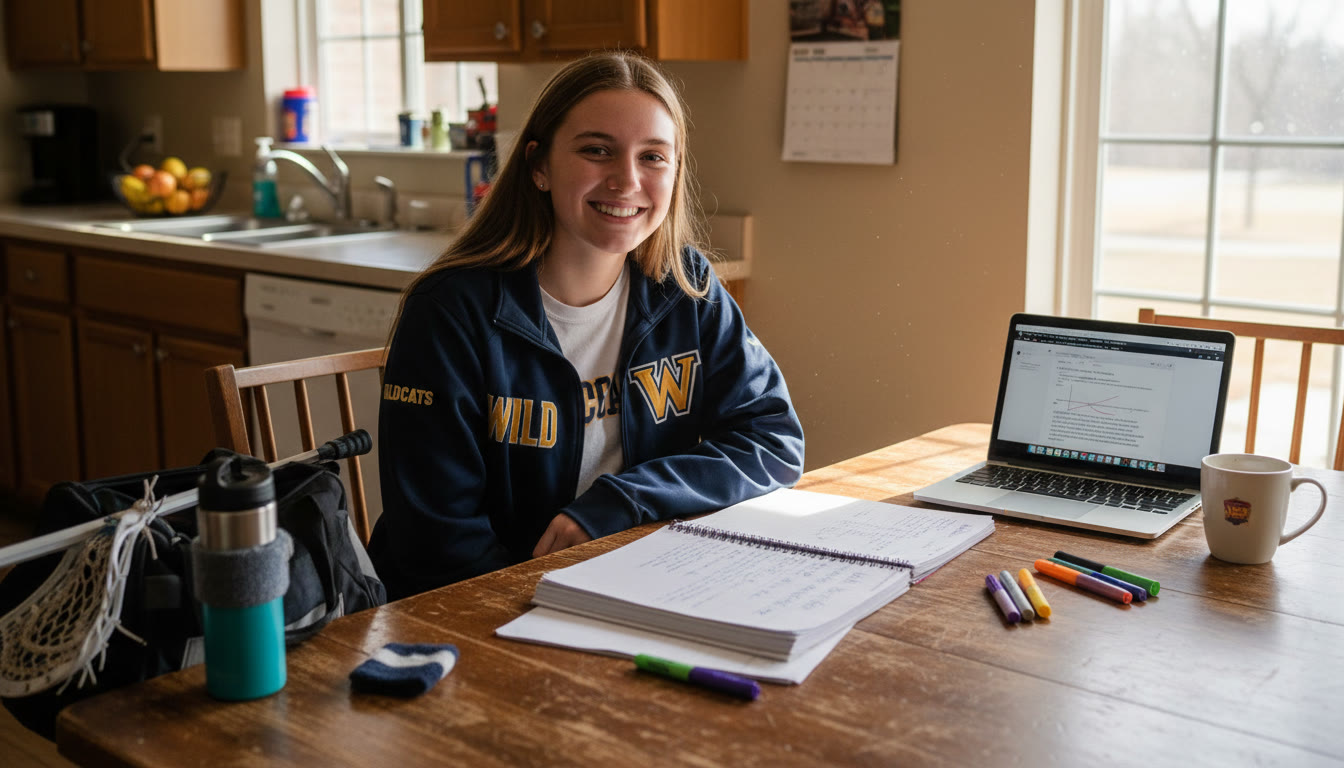
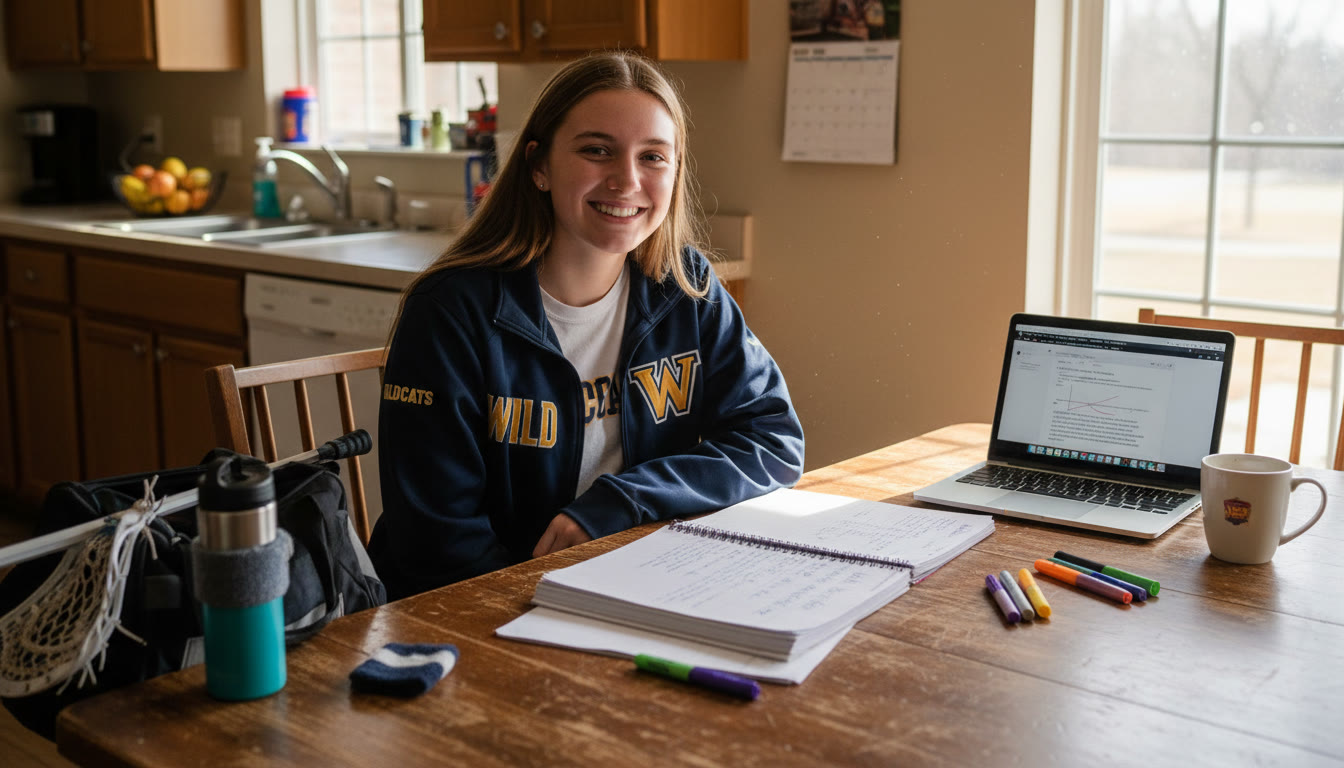
If you’re a high school athlete eyeing college sports, you’re living in two demanding worlds at once: the academic rigors of Advanced Placement (AP) courses and exams, and the physical, time-consuming reality of training, travel, and competition. These two tracks don’t exist in isolation — they interact in ways that affect your NCAA eligibility, admissions profile, and day-to-day wellbeing. This guide explains the interaction between AP workloads and NCAA rules (in clear, practical terms), shows how to plan for both, and gives concrete schedules and strategies so you — and your parents — can breathe a little easier.
Understanding the Two Systems (Short Version)
Here are the essentials in plain language.
- AP courses are college-level classes offered in high school. They can boost your college transcript, demonstrate academic rigor, and sometimes earn you college credit if you score well on the AP exam.
- NCAA eligibility has academic and amateurism standards to determine whether you can play in college. (Eligibility checks include core-course requirements, GPA thresholds, and standardized-test considerations depending on division and year.)
- The overlap comes down to scheduling, academic rigor, and energy management. AP courses strengthen your academic profile but require more time and mental energy — which affects training quality and recovery.
Quick Takeaway
AP courses generally help your college application and demonstrate readiness for college academics, but they must be balanced with your athletic commitments and NCAA core-course planning. Thoughtful scheduling and a support system (coaches, counselors, tutors) are critical.
How AP Courses Can Influence NCAA Eligibility and Admissions
There are three practical ways APs matter for student-athletes:
- Transcript Strength: Admissions officers and coaches look for students who take challenging courses. A consistent pattern of honors or AP coursework signals academic readiness.
- Core-Course Planning: NCAA eligibility evaluations look at whether you completed required core courses in the correct years. AP classes often fulfill core-course requirements, but you must ensure they are approved and appropriately timed.
- Time and Energy Trade-offs: AP classes demand study time, projects, and exam prep. If over-scheduled, you risk lower grades, which could harm both your NCAA GPA requirements and your athletic performance.
Important Practical Point
Because policies and NCAA details can change, confirm specific eligibility timelines and which courses count as NCAA core courses with your school counselor or compliance officer. Use this guide to plan — not as a substitute for official verification.
Designing an AP Schedule That Works with a Competitive Sport
There’s no one-size-fits-all schedule, but you can use a few planning principles to create a sustainable path.
Principles for Sustainable Scheduling
- Prioritize core requirements first. Identify which APs align with NCAA core-course needs and college major interests.
- Distribute heavy semesters. Avoid stacking three or four APs during your most intense competition season.
- Use junior year wisely. Junior year is often the most influential for admissions; consider taking your most important APs here, but balance with your training peaks.
- Plan a recovery semester. If an athletic season is particularly demanding (e.g., senior season with heavy travel), reduce academic load that term.
- Leverage summer. Use AP summer prep to reduce pressure during the season.
Sample 4-Year AP + Sports Plan
| Year | Academic Focus (Example) | Athletic Considerations |
|---|---|---|
| Freshman | Intro honors classes; AP Human Geography (optional) | Establish training habits; low travel |
| Sophomore | AP World History, AP Physics 1 (if teacher/track available) | Increase strength training; evaluate time demands |
| Junior | AP English Lang, AP Calculus AB, AP Chemistry or Biology | Peak recruiting period for many sports; moderate course load for travel weeks |
| Senior | AP English Lit, AP Government, AP Statistics (or lighter load) | Senior season: reduce heavy AP load if travel and recruitment increase |
Time Management: Weekly Planning That Actually Works
The hardest part isn’t choosing APs — it’s managing the weekly grind. Here are reliable routines that student-athletes use.
Weekly Template (Example for a Busy Week)
- Morning (if possible): 30–45 minutes of focused study (review notes, do flashcards) — best for memory retention before practice.
- Afternoon: Practice, strength, and recovery.
- Evening: 60–90 minutes of homework (split into two focused blocks with a 10–15 minute break).
- Weekend: Two longer study sessions for AP projects and exam prep; incorporate active recovery time.
Practical Tools
- Use a shared calendar (coach + parents) to mark travel days and heavy school deadlines.
- Block-study techniques (25–50 minute sprints) to match energy levels after practice.
- Prioritize sleep — performance and learning both depend on recovery.
Study Strategies That Respect Athletic Recovery
Physical fatigue impairs concentration. Use study strategies that respect that reality.
High-Impact Study Techniques
- Active recall and spaced repetition: Short daily reviews beat cramming.
- Practice tests: Simulate AP exam timing on weekends when your competition load is lighter.
- Project batching: When you have a travel day with downtime, batch longer assignments so you don’t do them exhausted at night.
- Peer study: Form a small study group that meets virtually or in-person; teammates can help hold you accountable.
When to Ask for Help
If your grades slip, don’t wait. Reach out to your AP teacher, school counselor, or a tutor. Sparkl’s personalized tutoring can be helpful here — offering 1-on-1 guidance, tailored study plans, and expert tutors who understand how to balance training cycles with academic goals. A few targeted sessions can prevent a small problem from becoming a major eligibility risk.
Preparing for the AP Exam Around Competition Schedules
AP exams occur in a fixed window each spring. If you have big meets, tournaments, or championship seasons nearby, you must plan backward from the exam date.
A Practical Countdown
- 12+ weeks out: Establish an exam study plan with weekly goals.
- 6 weeks out: Begin weekly practice tests. Focus on pacing and question types.
- 2 weeks out: Ramp down training intensity if possible. Use active recovery to sharpen focus.
- Exam week: Prioritize sleep, light review, and stress-reduction techniques.
Balancing Coaches, Counselors, and Compliance
Communication is your superpower. The athlete who coordinates between coach and counselor avoids most scheduling surprises.
Who to Talk To and Why
- High school counselor: Verifies which courses meet NCAA core requirements and helps with transcript planning.
- Coach: Can adjust training load or practice times during exam windows or heavy coursework periods.
- School compliance or eligibility officer: Ensures your planned courses and grades align with NCAA rules (especially critical during senior year).
- Tutors or academic coaches: Provide targeted academic support; consider Sparkl’s offerings for tailored 1-on-1 help and AI-driven insights to optimize study time.
Real-World Examples and Scenarios
Here are a few common situations and realistic responses that worked for many student-athletes.
Scenario 1: Junior Year, Varsity Athlete, Heavy Travel
Challenge: Three APs, weekly travel to out-of-state games, and college recruiting intensifies.
Approach: Shift one AP to senior year, convert one AP into an honors class for the travel season, and schedule weekly 30–45 minute check-ins with a tutor. Use weekends for deeper study. Result: Maintained GPA and performance while staying on track for admissions.
Scenario 2: Senior Year, Peak Recruitment, Wanting College Credit
Challenge: Want to earn AP credits for college but senior season has long tournaments.
Approach: Prioritize the AP exam(s) most likely to yield college credit for intended major, use summer prep, and work with an online tutor for last-mile review. Some athletes take an AP in a lighter athletic semester (or arrange for exam accommodations if travel is unavoidable). Result: Successful AP scores and a less stressful senior season.
Sample Weekly Schedule (Busy Varsity Athlete Taking Two APs)
| Time | Monday–Friday | Saturday | Sunday |
|---|---|---|---|
| 6:30–7:00 AM | Light review / flashcards | Sleep in / active recovery | 60 min review (practice problems) |
| 3:30–6:00 PM | Practice / Conditioning | Team training or competition | Team meeting / light training |
| 7:00–8:30 PM | Homework and AP study sprints | 2–3 hour block: practice tests or long assignments | Project planning and prep for week |
Self-Care, Mental Health, and Burnout Prevention
Being a student-athlete is demanding. Burnout isn’t a badge of honor — it’s a warning sign. Build in micro-rest, and use the tools below to stay resilient.
Daily Habits That Protect Performance
- Prioritize 8–9 hours of sleep when possible.
- Hydrate and fuel with intentional nutrition — learning needs steady glucose just like practice does.
- Use breathing or mindfulness techniques for 5–10 minutes after practice to reset for evening study.
- Schedule one weekly fun activity that’s not training or studying.
How Tutoring and Personalized Support Fit In
Tutors are not a luxury — they’re a targeted investment. For student-athletes, tutors can provide:
- Flexible scheduling around practice times.
- Targeted AP exam strategies (timed sections, specific content areas).
- Tailored study plans that align with competition calendars.
Sparkl’s personalized tutoring model can be especially useful — combining 1-on-1 guidance, tailored study plans, and AI-driven insights to help identify weaknesses and optimize study time. A few hours a week of focused tutoring often returns measurable improvements in grades and AP exam readiness without adding stress to training schedules.
Checklist: Before You Commit to an AP Course
- Does this AP fulfill a NCAA core requirement or a likely college major prerequisite?
- Will I have heavy competition travel that conflicts with exams or major projects?
- Do I have access to tutoring or teacher office hours if I fall behind?
- Can my coach slightly adjust training during exam windows if needed?
- Have I mapped out a weekly routine that realistically includes recovery and study?
Final Thoughts: Be Strategic, Not Maximalist
More APs are not always better. Depth of learning, consistent grades, and healthy athletic performance often matter more than the count of advanced courses on your transcript. Think strategically about which APs serve your college and athletic aims. Communicate early with your coach and counselor. Use data-driven, personalized support where it helps — and accept that sometimes the smartest move is to lighten academic load during a pivotal athletic season so you can shine where it counts.

One Last Practical Tip
Create a simple two-column dashboard: left column lists athletic commitments and travel, right column lists AP deadlines and exam dates. When both are visible, you can proactively move study blocks, request makeup work in advance, or coordinate with coaches to protect crucial study times. It’s small, but it prevents last-minute conflicts that cost sleep and performance.
Resources and Next Steps
Start with your school counselor and coach to map core courses and competition seasons. If you want personalized study planning or targeted AP exam coaching that respects your training schedule, consider a few trial sessions with a tutor who understands student-athletes’ unique rhythms. With a thoughtful plan, clear communication, and the right supports, you can excel in the classroom and on the field.
Good luck — and remember: being a successful student-athlete is about smart choices, steady habits, and a support team that helps you stay healthy and on track.



























No Comments
Leave a comment Cancel