
Why a Study Break in South Asia? A Quick Note to Students and Parents
If you and your family are juggling AP schedules, SAT subtests, college lists, and a seemingly endless stack of practice tests, pause for a moment and imagine this: a short, affordable trip where you can recharge, learn beyond the classroom, and return to exam prep energized. Nepal, Bangladesh, and Sri Lanka each offer compact, safe, and incredibly rich experiences for students and parents who want culture, nature, history, and value without breaking the bank.
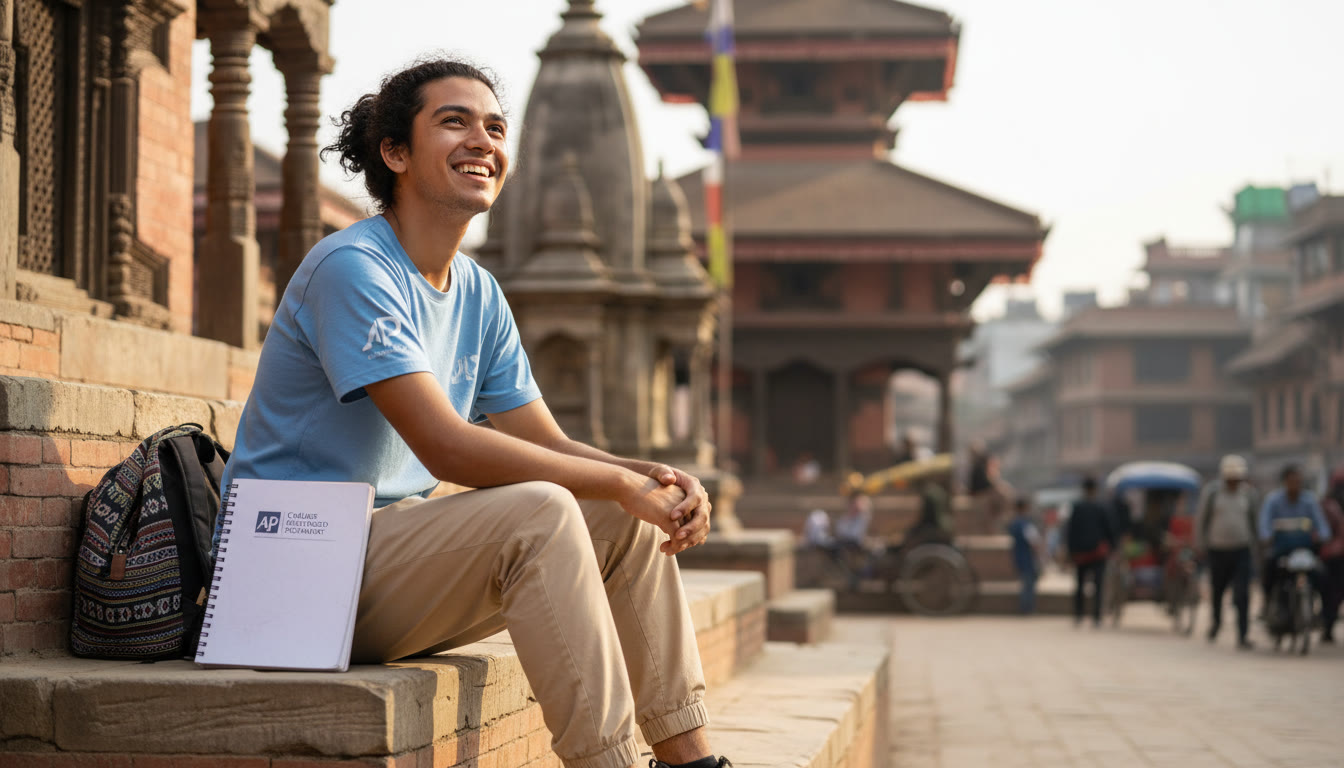
How This Playbook Helps AP Students
This guide is written for busy students and supportive parents. It balances budget-minded logistics (transport, lodging, food) with study-smart planning (how to schedule downtime so AP revision stays on track), safety and cultural etiquette, and a few travel routes and sample itineraries you can actually use during school breaks. Sparkl’s personalized tutoring can fit neatly into this rhythm by offering 1-on-1 guidance and tailored study plans when you’re on the move, and AI-driven insights to help identify weak areas for efficient review.
What to Expect in Each Country
- Nepal: Mountains, temples, short treks, and a deep cultural history — great for short active trips and reflective study sessions in tranquil settings.
- Bangladesh: Lively cities, riverine landscapes, and mangrove adventures in the Sundarbans — rich human geography for AP Human Geography or History examples.
- Sri Lanka: Compact island with beaches, tea country, UNESCO sites, and wildlife — easy to cover diverse ecosystems and historical sites on a modest budget.
Budget Basics: How to Keep Costs Down Without Missing the Magic
Students and parents on a budget can still get a full, meaningful travel experience. Here are practical cost-saving strategies that work across all three countries.
Smart Budgeting Tips
- Travel Off-Peak: Avoid major festivals and holiday windows (school-term breaks are predictable—book just before or after peak dates).
- Use Local Transport: Buses, trains, and shared rides are cheap and give you authentic travel moments. Reserve flights only for long intercity hops when time is tight.
- Stay in Guesthouses or Family-Run Hotels: These are inexpensive and often come with strong local recommendations for food and low-cost activities.
- Eat Where Locals Eat: Street food and small local restaurants often serve the best food at the lowest cost; always choose busy stalls with high turnover.
- Bundle Activities: Combine nearby sites into a single day to save on transport costs and reduce time spent commuting.
Safety, Health, and Parent-Friendly Considerations
Travel with teens requires planning—safety, health, and communication are priorities. Here are high-impact practices parents should consider.
Essential Safety Checklist
- Carry Digital Copies of Important Documents: Passport, emergency contacts, and insurance details should be stored securely online and offline.
- Local SIM and Messaging: Buy a local SIM or an international plan so students and parents can keep constant contact during daily excursions.
- Health Precautions: Pack a basic first-aid kit, any prescription meds, and hand sanitizer. Check vaccinations as recommended by your healthcare provider before travel.
- Curfew and Meeting Points: Agree on daily check-ins and a clear meeting point for unexpected splits in the group.
- Respect Local Norms: Dress modestly in religious places and follow photography rules—this keeps your group respectful and safer in conservative areas.
Country Playbooks: Quick Guides and Two-Week Sample Itineraries
Below are compact playbooks and a practical two-week sample itinerary for each country that mixes culture, nature, and study-friendly downtime. Each itinerary is designed for students who still need to put in study hours — think mornings for review, afternoons for exploration, and evenings for light practice or rest.
Nepal — Mountains, Heritage, and Mindful Breaks
Why go: Nepal is perfect for short treks, temple walks, and reflective moments that recharge the mind. It’s affordable, scenic, and accessible from many international gateways.
- Ideal length: 8–12 days
- Budget range: Low to moderate (guesthouses and local meals make it very affordable)
- Study-friendly towns: Pokhara (calm lakeside), Kathmandu Valley (cultural exploration with quiet guesthouses nearby)
| Day | Plan | Study-Friendly Moment |
|---|---|---|
| 1–2 | Arrive Kathmandu, explore Durbar Square, acclimatize | Evening: light review of notes (45–60 mins) |
| 3–5 | Travel to Pokhara; boat on Phewa Lake; short hike to Sarangkot for sunrise | Mornings: 60–90 mins of focused practice (Sparkl tutors can schedule quick sessions) |
| 6–8 | Short trek or day hikes; village homestay | Midday: quiet reading time; evenings: low-stress flashcard review |
| 9–10 | Return to Kathmandu, visit Swayambhunath and small museums | Mornings free for full practice test sections |
Tips: Keep trekking short (half-day hikes) if you need study time. Pokhara’s calm pace is excellent for focused revision.
Bangladesh — Rivers, Culture, and Hidden Landscapes
Why go: Bangladesh offers a compact cultural immersion — bustling Dhaka, quiet river towns, and the Sundarbans for a wild, memorable day trip. It’s affordable, and travelers often remark on the warm hospitality.
- Ideal length: 7–10 days
- Budget range: Low
- Study-friendly towns: Srimangal (tea gardens for quiet reading), Cox’s Bazar for relaxed beach days.
| Day | Plan | Study-Friendly Moment |
|---|---|---|
| 1 | Arrive Dhaka: short city tour | Evening recap and planning (30–45 mins) |
| 2–4 | Train to Srimangal; tea garden walks; modest homestays | Mornings: practice questions; afternoons: light exploration |
| 5–7 | Coastal days in Cox’s Bazar or boat trip in Sundarbans | Early mornings for focused study sessions |
Tips: Trains and ferries are economical and memorable. Choose accommodations close to main roads in cities for better safety and connectivity.
Sri Lanka — Wildlife, Tea, and Coastal Ease
Why go: Sri Lanka packs beaches, ancient ruins, tea plantations, and wildlife into a small island—ideal for varied short trips. English is widely understood, easing logistics for students and parents.
- Ideal length: 10–14 days
- Budget range: Low to moderate
- Study-friendly towns: Ella (tea views and calm cafés), Kandy (cultural sites and libraries)
| Day | Plan | Study-Friendly Moment |
|---|---|---|
| 1–2 | Arrive Colombo; short city tour | Evening: plan study schedule for trip |
| 3–5 | Train to Ella; short hikes and tea estates | Mornings: 60–90 mins revision; views aid focus |
| 6–9 | Kandy and cultural triangle: temples and museums | Afternoons for reading; evenings for light quizzes |
| 10–12 | Coastal downtime at Mirissa or Unawatuna; whale watching option | Early mornings or late evenings for timed practice |
Tips: The train from Kandy to Ella is scenic and restful; use it as a mobile study bubble for podcasts or audio notes.
Packing and Pre-Trip Prep for AP Students
Packing well equals less stress—especially when you plan to study on the road. Focus on lightweight, multi-use items and digital backups.
Essential Packing List
- Lightweight laptop or tablet with charger and offline study materials (PDFs, practice tests)
- Portable charger and universal travel adapter
- Noise-isolating earbuds for focused study in shared spaces
- Comfortable shoes for walking, lightweight rain jacket, and modest clothing for temples
- Small reusable water bottle and travel utensils for low-cost meals
- Printed copies of key documents and a small daypack for excursions
Study Rhythm on the Road: Balancing Rest and Review
Short bursts of high-quality study beat marathon sessions when you’re traveling. Use focused, active techniques to make limited study time count.
A Simple Daily Routine
- Mornings (45–90 mins): Focused practice on weakest topics — closed-book recall, problem sets, or targeted Sparkl sessions for quick diagnostics.
- Afternoons: Cultural exploration, light reading, or relaxed group study on a topic that connects to what you saw (e.g., human geography notes after visiting a river market).
- Evenings (30–45 mins): Review flashcards or error logs; plan the next day’s study target.
Tip: Keep one hard-copy notebook for error logging. Capture three things you learned that day—academic or cultural—to strengthen memory.
How to Use Travel Experiences in AP Essays and Interviews
Travel brings real-world examples. Thoughtfully woven, these can strengthen college essays or AP free-response answers in subjects like History, Human Geography, Environmental Science, or Literature.
Examples of Using Travel as Evidence
- AP Human Geography: Describe urban-rural interactions seen in Dhaka or Colombo markets as a case study.
- AP Environmental Science: Use observations from the Sundarbans or Sri Lankan national parks as data points on conservation and human impacts.
- AP World History: Reflect on architectural continuity and colonial legacies in Kathmandu or Galle Fort to support comparative analysis.
Sample Budget Comparison Table
| Expense | Nepal (per day) | Bangladesh (per day) | Sri Lanka (per day) |
|---|---|---|---|
| Budget Guesthouse | $10–$25 | $8–$20 | $12–$30 |
| Meals (local) | $3–$8 | $2–$6 | $4–$10 |
| Local Transport | $1–$10 | $1–$8 | $2–$15 |
| Daily Activity (avg.) | $5–$20 | $3–$15 | $7–$25 |
Note: These ranges reflect modest budgets. Costs vary with season and personal choices. Allocating a small contingency fund for each traveler is wise.
Real-World Tips from Students Who Traveled While Preparing for Exams
Short anecdotes and tested tips help more than abstract advice. Here are practical takeaways from students who combined travel with serious AP prep.
- Keep a minimal, repeatable review routine: One chapter or one timed section each morning was enough to maintain progress.
- Use transit for passive study: Listen to recorded summaries, vocabulary audio, or instructor-led explanations while moving between towns.
- Make cultural visits study-friendly: Link what you see to an AP concept and jot one paragraph about it that evening—this builds analytical habit.
- Book a few Sparkl tutoring sessions in advance: Students who scheduled just 2–3 targeted sessions during a trip reported they returned to formal prep with clearer focus and fewer lingering weaknesses.
Packed Weekenders and Long-Form Trips: Which to Choose?
If you have only a long weekend, pick one compact region (e.g., Pokhara or Colombo and nearby). For two weeks, craft a slow itinerary that alternates focused study days and full-experience days. Parents often prefer a slightly slower pace so students can balance study and sight-seeing without burnout.
Decision Guide
- Long Weekend (3–5 days): Pick a single city or region, prioritize one major attraction, and keep evenings for study.
- One Week: Two to three destinations, with 4–6 short study sessions across the week.
- Two Weeks: Full country playbook with built-in study rhythm and a few one-on-one Sparkl sessions to refine focus.
Final Notes: Returning Home—and Turning Travel into Academic Momentum
Travel can be more than a break: it’s a source of motivation, a library of real-life examples, and a reset for exam season. Plan deliberately: set clear study goals for the trip, block short but intense review sessions, and use your experiences to enrich essays and in-class examples. If you want tailored help while traveling or when you return, Sparkl’s personalized tutoring (1-on-1 guidance, tailored study plans, expert tutors, and AI-driven insights) can help you convert travel learning into measurable score improvements.
Quick Action Checklist Before You Depart
- Pack study essentials and backup power.
- Schedule 2–3 short tutoring sessions during the trip (or book them for the first week after you return).
- Download practice tests and reading material for offline use.
- Set clear, achievable daily goals: even small, consistent wins matter.
Go with curiosity. Travel lightly but prepared. And remember: the best study break is the one that helps you return focused, refreshed, and inspired.
Parting Thought for Students and Parents
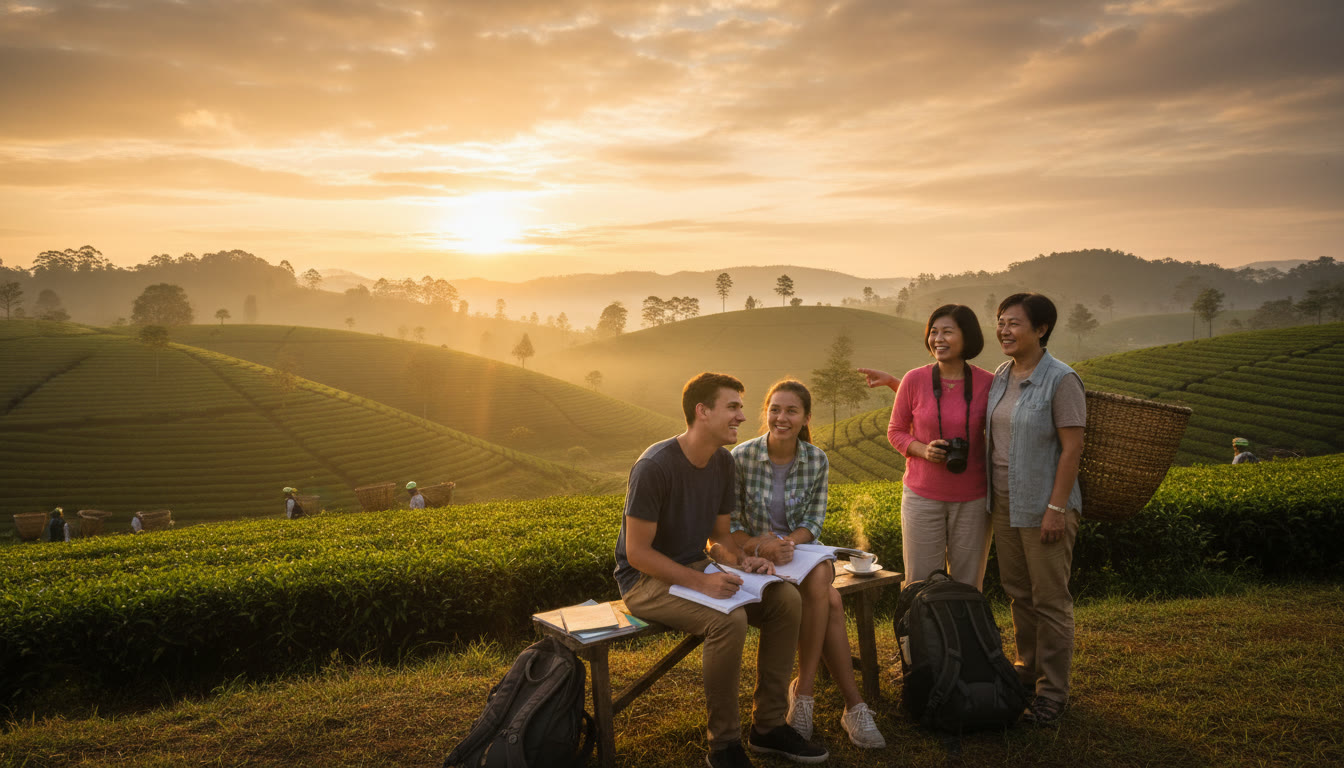
Nepal, Bangladesh, and Sri Lanka each offer an affordable mix of inspiration and learning. Thoughtful planning and simple daily study routines make it possible to enjoy the journey without falling behind. Use travel to collect stories, evidence, and energy that will make your AP preparation not just a grind, but a path to deeper learning and unforgettable growth.



























No Comments
Leave a comment Cancel