

How to Prepare Smart for CBSE Exams in School
Exams can feel like a mountain, but the smartest climbers don’t rush — they plan routes, carry the right kit, and pace themselves. Preparing for CBSE exams is very much the same: the goal is to study with purpose, stay aligned to the syllabus and marking scheme, and build habits that make learning stick. This is not about cramming harder; it’s about studying smarter — understanding what matters, practicing with intent, and managing time and wellbeing so your performance reflects what you truly know.
This guide walks you through a clear, student-friendly approach: how to read the CBSE blueprint, set a personal study plan, practice using full-length mock practice, revise effectively, and keep stress in check. There are concrete examples, simple tables you can copy, and practical techniques you can start using today. The ideas here are evergreen — useful in any exam cycle and adaptable to your grade and subjects.

Start with the Blueprint: Understand Syllabus, Weightage and Marking
Before you launch into hours of study, take a calm hour to map the territory. The CBSE syllabus and the exam blueprint tell you what topics are in scope, how marks are distributed across units, and the broad question-paper pattern (marks for short answers, long answers, practicals where applicable). Use that blueprint to prioritize: topics with higher weight deserve steady, repeated practice.
A few practical points about marking and answers:
- Answer structure matters: in descriptive answers, clear steps, numbered points, and labeled diagrams can make your answer easy to follow for examiners.
- Do not assume partial credit for every missing step; partial marking is given only where the official marking scheme specifies. Practise writing complete, stepwise answers for full credit.
- Align your answers to the question’s demand words (define, explain, compare, calculate) — this is where marks live.
Build a Realistic, Personalized Study Plan
A study plan works when it’s realistic and tuned to you. Start with a simple audit: list your subjects, topics you’re comfortable with, topics that need work, and how much daily time you can commit without burning out. Convert that audit into a weekly schedule that balances learning new material, practicing, and revising older topics.
Below is a sample weekly template you can adapt. It focuses on deep study blocks, daily short revisions, and weekly full-length practice so you learn and test simultaneously.
| Day | Morning (Focused Study) | Afternoon (School / Review) | Evening (Practice / Revision) | Total Focus Hours |
|---|---|---|---|---|
| Monday | Math: New concepts (1.5 hr) | School + Homework (1.5 hr) | Practice problems + 20-min recap (2 hr) | 5 |
| Tuesday | Science: Theory & diagrams (1.5 hr) | School + Short revision (1.5 hr) | Topic quiz + flashcards (1.5 hr) | 4.5 |
| Wednesday | Language: Writing practice (1 hr) | School + Notes (1.5 hr) | Revision of weak topics (2 hr) | 4.5 |
| Thursday | Social Science: Case studies (1.5 hr) | School + Group study (1.5 hr) | Practice map/diagrams (1.5 hr) | 4.5 |
| Friday | Math: Problem set (1.5 hr) | School + Quick review (1 hr) | Full-length mock practice (short) (2 hr) | 4.5 |
| Saturday | Deep revision of weak topics (2.5 hr) | Practical work / Projects (1 hr) | Light practice + review (1.5 hr) | 5 |
| Sunday | Full-length mock practice (timed) (3 hr) | Analyze mistakes & plan (1.5 hr) | Relaxed revision & light reading (1 hr) | 5.5 |
When you use a template like this, tweak it every week. If a topic took longer than planned, shift time the next week. The plan is a living tool, not a punishment.
Active Learning Techniques That Really Work
Active learning beats passive reading. Replace long passive hours with short, high-quality actions that force your brain to retrieve and apply information. Try these methods:
- Active recall: Close the book and write what you remember. Short, regular recall sessions solidify memory far better than re-reading.
- Spaced repetition: Return to a topic multiple times across days and weeks — spacing strengthens retention.
- Feynman technique: Teach a concept out loud in simple words. If you can explain it clearly, you understand it.
- Interleaving: Mix different problem types in one study session. This builds flexible problem-solving skills.
- Self-assessment: After each practice set, annotate mistakes and write a one-line action (e.g., “Revise derivatives steps”).
Practice with Purpose: Quality over Quantity
Practising is not just about repeating problems; it’s about practising the right things in the right way. Here’s how to make practice time sharp:
- Use time-bound practice: Solve questions under timed conditions to train pace and stamina.
- Mix routine exercises with harder, application-based problems that mirror CBSE style — this builds reasoning rather than memorization.
- Regularly attempt full-length mock practice tests in exam-like conditions; then spend at least as much time analyzing mistakes as you did taking the test.
| Practice Type | Purpose | Suggested Frequency | How to Review |
|---|---|---|---|
| Quick quizzes (10–30 min) | Recall facts and formulas | Daily | Immediate correction; note weak points |
| Topic tests (30–60 min) | Test understanding of a unit | Weekly | Mark strictly; write corrective notes |
| Full-length mock practice (timed) | Simulate exam day; build endurance | Fortnightly or weekly closer to exams | Detailed error log + time analysis |
Make Smart Notes — Your Revision Arsenal
Notes are not just for class; they are your revision shortcuts. Make notes that let you quickly re-learn a topic in 10–20 minutes. Use these formats:
- One-page concept sheets: Condense a chapter into one page with formulas, definitions, and a quick worked example.
- Flashcards: For definitions, dates, formulas, and quick facts. Use physical cards or a spaced-repetition app.
- Diagram bank: Keep a folder of labeled diagrams and their key points for science and geography subjects.
- Error log: Maintain a running table of mistakes (question, mistake type, correction, how to avoid next time).
Subject-by-Subject Suggestions: Turn Theory into Scores
Different subjects demand different habits. Below are focused tips that convert study into exam-ready answers.
Math
- Practice fundamentals until they are second nature: algebraic manipulation, geometry basics, and standard problem steps.
- Always show clear line-by-line working; CBSE awards method marks where applicable, but only when steps are visible and logical.
- Create a formula sheet and practice reconstructing it from memory weekly.
Science (Physics, Chemistry, Biology)
- For physics, focus on understanding derivations and when to apply which formula. Practice numerical problems under time pressure.
- For chemistry, balance theory and reactions practice: write and balance equations, and practise problem types (stoichiometry, mole problems).
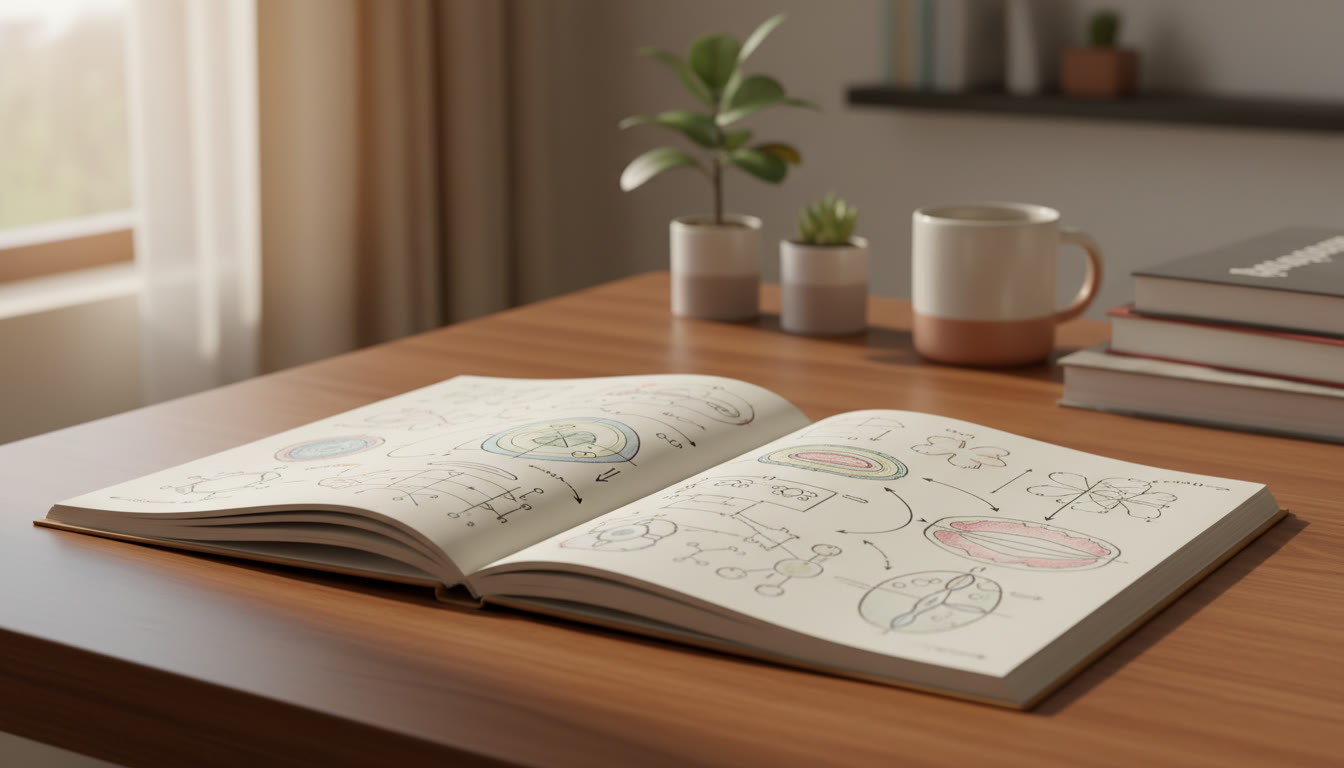
- For biology, emphasize diagrams, labels and concise points. Use bullet-style answers for clarity in descriptive questions.
Social Science
- Learn the timeline and context for historical events, but pair facts with short analytical answers that explain causes and consequences.
- Practice map skills and source-based questions; structure answers with clear introductions and conclusions for long answers.
Languages
- For writing sections, practice planning answers for compositions and letters: a quick outline helps clarity and scores content marks.
- For comprehension, practice skimming and annotating passages to extract answers quickly.
Mock Tests: How to Extract Maximum Learning
Mock tests are not just assessment — they are a learning tool. Follow this cycle for each full-length mock practice:
- Simulate exam conditions (timed, no notes, same duration).
- Score strictly and time each section; note where you lost time or marks.
- Analyze every mistake — was it lack of knowledge, careless error, or time pressure? Write a corrective action next to the question.
- Schedule focused revision on topics where you consistently lose marks, and retest after a few days.
Exam-Day Strategy: Presentation, Time Management and Calm
- Use the reading time wisely: read the whole paper, choose questions you’ll attempt first, and mark tough questions for later.
- Keep an eye on time: allocate minutes per section and per long question. Leave short time slots for review near the end.
- Write legibly, number answers clearly, and where diagrams are required, label them neatly — presentation can make a difference.
- If you get stuck, move on and return later; unanswered questions are easy to eliminate, but spending too long on one can cost more marks overall.
Wellbeing: The Hidden Ingredient of Performance
Study plans fail without rest and routine. Sleep consolidates memory; regular light exercise clears the mind; short, scheduled breaks keep fatigue away. A few habits to guard:
- Maintain a steady sleep schedule in exam preparation periods — aim for quality sleep rather than all-night cramming.
- Take 5–10 minute breaks after focused 45–60 minute study blocks (the Pomodoro approach works well).
- Energize with balanced meals and small protein snacks; hydration matters for concentration.
When to Ask for Help — and What to Look For
Some concepts need a guided touch. If a topic isn’t improving after repeated practice, or your mock scores stagnate, targeted help is efficient. Look for one-on-one guidance that provides:
- Personalized study plans that adapt to your strengths and gaps.
- Expert tutors who can explain concepts and demonstrate exam-style answers clearly.
- Tools that offer focused practice and data-driven insights into your performance (for example, trackers that show weak topics).
For students who want that extra structure, Sparkl‘s approach to personalised tutoring combines one-on-one guidance, tailored study plans, expert tutors and AI-driven insights to help students focus where it matters most.
Track Progress with Simple, Meaningful Metrics
Numbers help you know if the plan is working. Track a few simple metrics weekly and act on them:
| Metric | What it Shows | How to Use It |
|---|---|---|
| Mock test score | Overall readiness and stamina | Identify trend; if steady improvement, keep the plan; if not, change focus |
| Error type frequency | Carelessness vs concept gaps | If carelessness, add timed drills; if concept gaps, revisit basics |
| Time per question | Pace and time management | Practice pacing and reallocate practice time by question type |
Simple Weekly Checklist to Keep You on Track
- One full-length mock practice under timed conditions.
- Two focused topic revisions with active recall.
- One error-log review and corrective action plan.
- One-hour light reading or a hobby break to recharge.
Keep the checklist visible and tick items off — small wins keep motivation steady.
Final Thought: Turn Strategy into Habit
Preparing smart for CBSE exams is a blend of clarity and consistency: know the syllabus and marking expectations, schedule focused practice and full-length mock practice, use active learning techniques, monitor progress with simple metrics, and preserve your wellbeing. Over time, small daily choices — a short recall session, a cleanly written answer, a timed practice — add up to big improvements. Build the right habits, keep the plan flexible, and let steady practice shape the confidence you bring into the exam hall.
























No Comments
Leave a comment Cancel