
IB DP Academic Integrity: Similarity Reports — What They Measure and What They Don’t
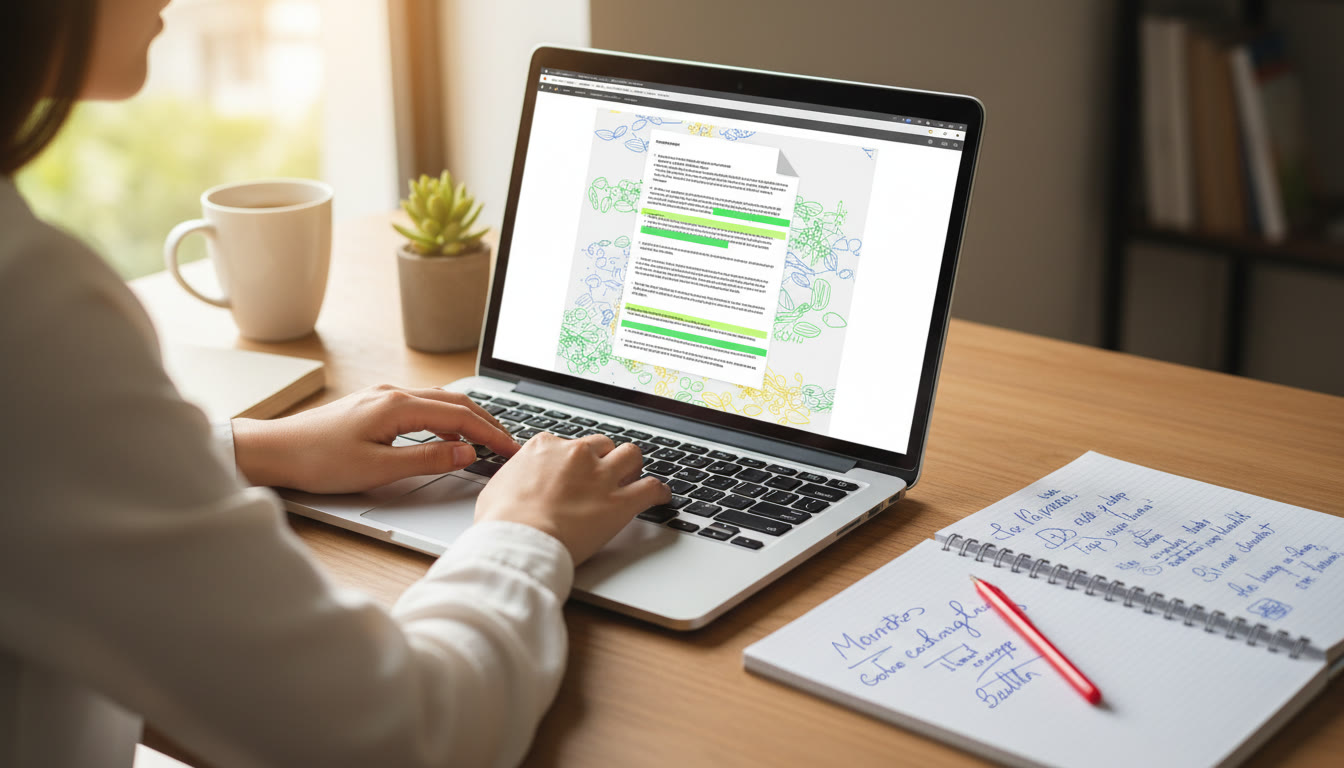
If you’ve ever watched the little percentage box on a similarity report and felt your stomach flip, you are not alone. For many IB Diploma Programme students, that figure that pops up when a draft is run through a text‑matching tool feels like a quick judgment — but it isn’t. Similarity reports are diagnostic tools, not verdicts. They flag overlapping text and possible sources; they do not on their own determine whether academic misconduct has occurred. The IB’s expectation is that work submitted for assessment is authentic and that schools and teachers play a central role in checking and supporting that authenticity.
Why this matters especially for IA, EE and TOK
Your Internal Assessments, Extended Essay and TOK submissions are signature pieces of your Diploma — deep bites of independent thinking, research, reflection and communication. Because these pieces represent individual achievement, the IB and your school care about authenticity: the work should be your work, with the ideas of others credited correctly. For the Extended Essay, for example, the guidance highlights academic integrity as central to the student’s development as an ethical researcher and makes clear there are specific expectations about authorship, supervisor input and the documentation of the research process. The Extended Essay is assessed as an authentic piece of student research, and supervisors are expected to guide without over‑editing.
Quick reassurance: a similarity percentage is not the same as a plagiarism verdict
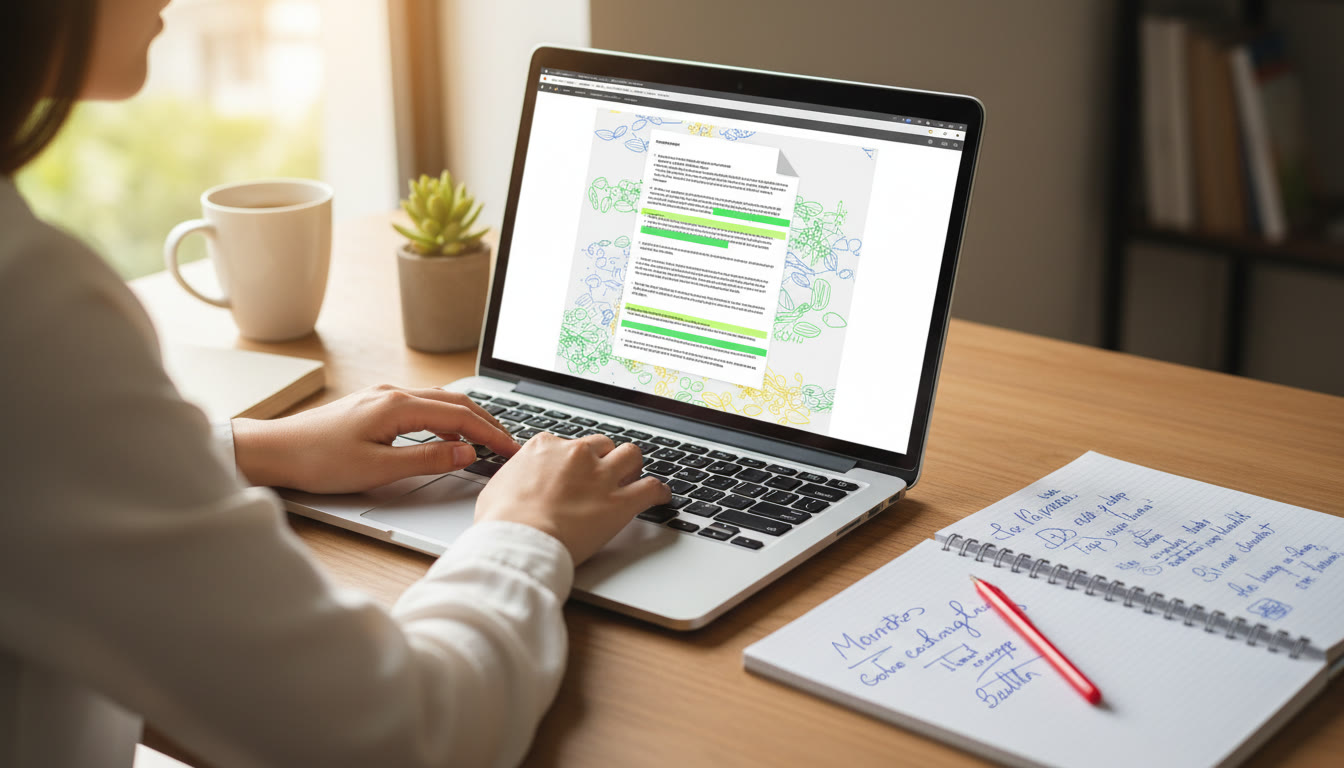
Similarity reports show overlaps between the text you submit and texts in the report’s databases (web pages, journals, student papers, etc.). That overlap might be quoted material, correctly cited sources, commonly used phrases, a properly formatted bibliography, or — sometimes — unattributed copying. A human reviewer needs to read the highlighted matches, check context, and consider drafts, notes and supervisor comments before deciding whether anything is problematic. The IB leaves authenticity confirmation and initial investigation to the school, because teachers have access to the student’s drafts, proposals and the classroom context needed to judge authorship.
What similarity reports actually measure
At their core, popular text‑matching tools do a few straightforward things: they detect identical or near‑identical strings of text across a corpus of sources, they identify the sources where matches occur, and they calculate an overall percentage of matched text relative to the submission. They will typically:
- Highlight exact phrases or sentences that appear elsewhere.
- List the matched sources and show where in those sources the overlap exists.
- Sometimes group commonly matched blocks (for example, method descriptions or legal disclaimers).
- Include matches from bibliographies, quoted material, and even small chunks of shared technical language.
What similarity reports do NOT measure
Here’s the essential caution: similarity reports do not judge intent, contribution, understanding, or whether something is academically honest. They cannot tell whether a student understood the material, whether a similar passage was correctly quoted and referenced, or whether overlapping ideas result from independent use of the same common source. They don’t evaluate the quality of argument, nor do they determine authorship by themselves. That human, contextual judgement — often involving conversation with the student and review of drafts and supervisor notes — is how authenticity is established in the IB context.
At a glance: what a similarity report will (and won’t) show
| What the report flags | What that information actually tells you | What it does not prove |
|---|---|---|
| Exact text matches (sentences or paragraphs) | Identifies where text is identical or substantially similar to sources in the database | Whether the student intentionally copied, or whether the text was quoted and cited correctly |
| High percentage from a single source | Shows a large overlap with that source; may point to a heavy reliance on one author | That the overlap is plagiarism rather than a long quoted passage that is properly referenced or a translated text |
| Matches to bibliographies or common phrases | Often inflates similarity scores; references and technical language are usually common across papers | That the main argument or data are copied |
| Small scattered matches | May be insignificant: common collocations, textbook definitions, or shared jargon | That the student lacks originality or understanding |
Reading a report like a thoughtful reviewer
Don’t fixate on the percentage. Instead, read where matches appear. A 25% match that contains a long block of quoted, correctly referenced material in the literature review is very different from a 10% match made up of several unreferenced paragraphs in the analysis or conclusion. Teachers are trained to check context, drafts and the usual standard of the student’s work before raising an academic integrity concern. This is why authenticity checks are often conversational: a teacher can ask a student to explain a paragraph, show the development of an argument, or discuss the sources used.
Practical guide: how to interpret different kinds of matches
Use the short checklist below when you or your teacher open a similarity report. These are practical, concrete moves that help turn the raw output into a fair, informed judgement.
- Locate the matched passages — are they in the introduction, methods, raw data, discussion, or bibliography?
- Check whether matched text is in quotation marks and accompanied by a clear citation.
- If matches appear in critical sections (analysis, conclusion), compare to earlier drafts or notes to verify the student’s development of ideas.
- Remember technical language and method descriptions often match across many papers — that’s not necessarily a problem.
- If there is a cluster of matched text with no citation, discuss it with the student before assuming misconduct.
Sample report entry and a quick response map
| Report entry | First question to ask | Likely next step |
|---|---|---|
| Long paragraph in the conclusion matches a single online essay | Is this directly quoted and cited? Does the draft record show earlier versions where this was developed? | Ask the student to explain the paragraph; check drafts; if unexplained and unattributed, follow school IB processes |
| High match in the methods section with textbook language | Is this accepted technical phrasing or a close paraphrase? | Accept if method descriptions are standard; advise clearer paraphrasing or citation if needed |
| Multiple small matches to different student work files | Is there evidence of collaboration beyond permitted guidance? | Review classroom instructions on collaboration and discuss with both students |
How teachers, schools and the IB actually use these reports
Within the IB system, the initial responsibility for investigating potential academic integrity concerns sits with the school: teachers authenticate internally assessed work, monitor drafts and supervise the research process. For internally assessed pieces, schools must ensure that the submitted work is the student’s own and must follow IB procedures if malpractice is suspected. External examiners typically assess the final work based on the criteria and are advised to mark the work on its own merits; investigations into academic integrity are handled through formal channels rather than by adjusting marks during marking. In short: detection tools inform a process, and schools carry the first and essential part of that process.
How authenticity is confirmed
Authenticity checks are often practical and routine. Teachers may review a student’s proposal, drafts, supervisor comments and annotated sources; they may speak directly with the student about their choices and understanding. This conversational approach is important because a similarity score alone cannot explain how an idea emerged or who contributed what in collaborative settings where collaboration is permitted in certain stages. The IB’s subject guidance across Diploma Programme subjects emphasizes that internally assessed work must be the student’s own and that teachers should be proactive in explaining academic honesty requirements and checking authenticity.
Common myths and the clearer truth
Myth: “A low similarity score means I’m safe.” Truth: A low score can hide unattributed paraphrases or purchased work; always keep drafts and records. Myth: “A high score equals automatic failure.” Truth: High similarity can be harmless when it reflects long quotes or shared technical language — context matters. Myth: “If the software didn’t flag it, I’m fine.” Truth: Similarity tools don’t catch everything (especially sophisticated paraphrasing or non‑indexed sources), so careful referencing and transparent research practice remain essential.
Best practices for IA, EE and TOK: a student’s checklist
Here’s a practical list you can follow from first idea to final submission — habits that protect your integrity and make it easier for teachers to confirm authenticity.
- Plan early and keep a dated research log: notes, search terms, screenshots of sources and quick reflections.
- Keep draft versions and supervisor feedback. These versions are the clearest evidence of the development of your ideas.
- Quote when you use someone’s exact words; paraphrase properly and cite the original source each time.
- Use consistent referencing (your school’s preferred style) and include full bibliographic details — a bibliography inflates matches but shows good practice.
- When you rely heavily on one source, make explicit how your work builds on or differs from that source.
- If you feel stuck with structure, argument flow, or citation mechanics, consider targeted 1‑on‑1 support — for example, Sparkl offers tailored study plans and focused guidance that can help you draft responsibly without cutting corners.
Notes on supervisor input and permitted support
Supervisors are expected to guide students through the research process, but guidance should not replace the student’s work. For instance, supervisors may discuss research questions, suggest sources and respond to a single draft, but they must not substantially edit or rewrite the student’s work. Accurate records of supervisor comments and the student’s reflections (for example, in reflection logs used for the Extended Essay) help demonstrate the student’s ownership of the final product.
When a school raises an academic integrity concern
The IB distinguishes between student academic misconduct and maladministration by the school. If a school suspects misconduct, it follows a set process: initial school investigation, collection of contextual evidence (drafts, correspondence, supervisor notes), and then (if appropriate) submission of the concern to the IB for further review. The IB provides channels for concerns and emphasizes that fairness, due process and clear documentation are essential to protecting students and the integrity of assessment.
How to make similarity reports work for you
Rather than fearing the report, treat it as a feedback tool. Run your drafts through an approved checker if your school allows it, use the output to fix citation gaps, and keep records showing how your work evolved. If you’re nervous about wording, try to explain a paragraph in your own words to someone else — if you can teach it, you probably understand it. When you practise clear citation and transparent process, the report becomes a source of evidence that you did the work yourself.
One more practical nudge
Some students find it helpful to prepare a short ‘evidence packet’ before submission: dated drafts, a research log, supervisor comments and, where relevant, a brief note explaining any heavy reliance on a particular source. That packet helps teachers and any later reviewers see the development of the work and confirm its authenticity quickly and fairly. If you like structure, Sparkl‘s tutors can help you build those organised habits so they feel natural rather than extra paperwork.
Final thoughts — a steady, honest approach
Similarity reports are helpful, honest tools when used as part of a human process: they highlight where to look, not what judgment to make. The IB’s approach places responsibility on schools and teachers to investigate and confirm authenticity, and it encourages students to build transparent, well‑documented research habits. If you focus on learning, clear citation practice and keeping good drafts and notes, similarity reports will serve you — not scare you — as you complete your IA, EE and TOK work.






















No Comments
Leave a comment Cancel