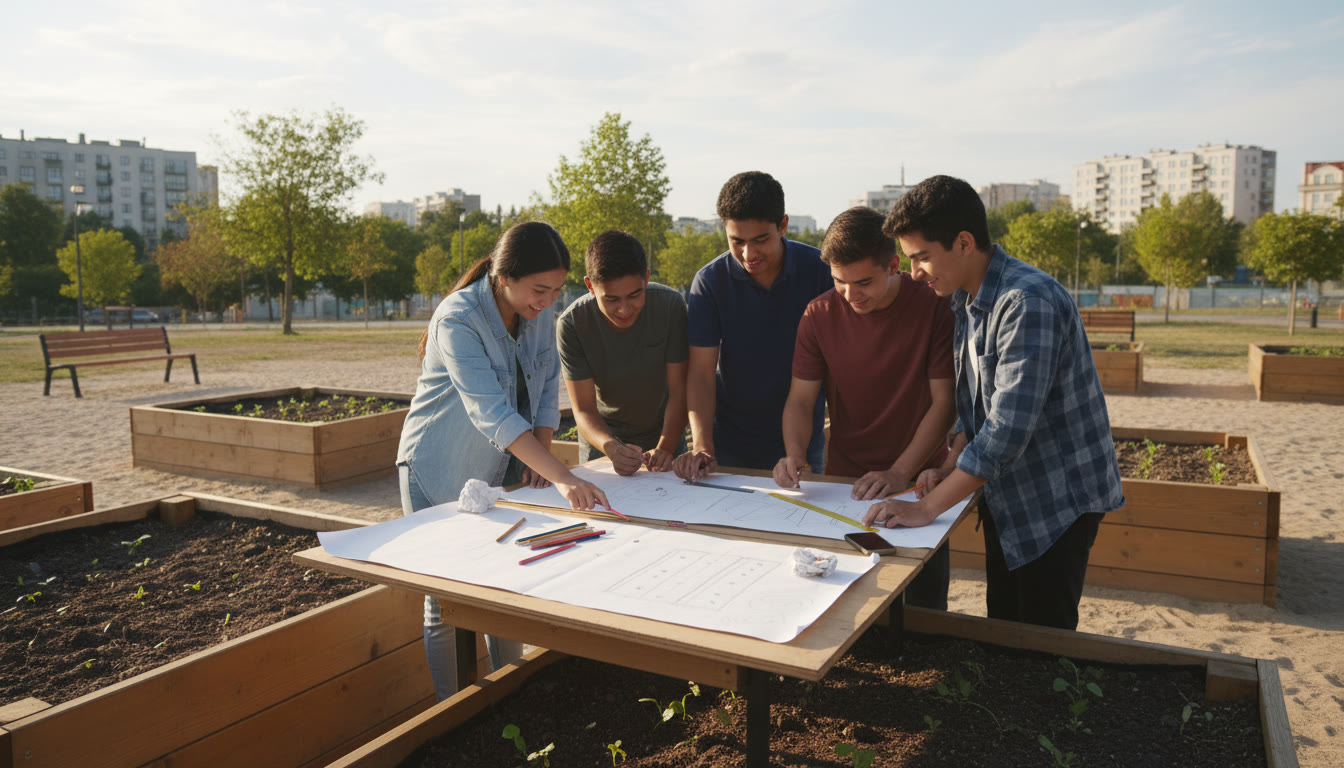

Turning passion into purpose: your community initiative as an IB DP passion project
There’s something electric about an idea that begins with a small frustration and grows into a public good. If you’re in the IB Diploma Programme and thinking about a passion project that truly matters, a community initiative is one of the richest directions you can take. It gives you space to explore a local need, build relationships, show sustained commitment, practice leadership and record meaningful reflections for your student portfolio. Best of all, it can feel less like an assignment and more like something that becomes part of who you are.
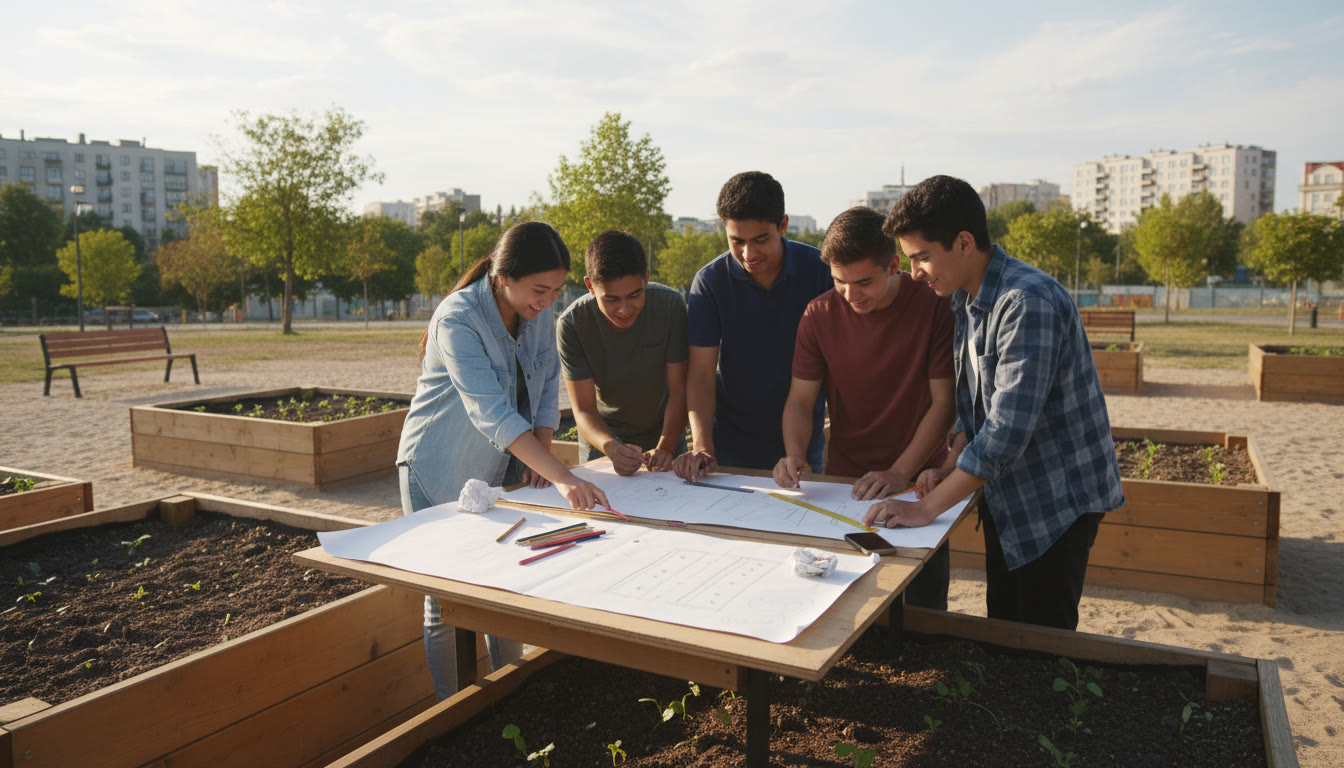
Why a community initiative makes a powerful passion project
A community initiative is more than a list of tasks; it’s a living demonstration of ethical engagement, systems thinking and collaborative problem-solving. Universities and examiners look for depth of learning: what you tried, what changed, how you measured that change and what you learned about yourself along the way. A local initiative allows you to gather authentic evidence—photos, testimonials, data, reflective journals—while making a real difference for neighbours, peers or local organisations.
How this fits with IB DP values and CAS-style learning
Projects like these echo the core aims of the DP: international-mindedness, inquiry, and principled action. When you take on a community initiative, you practice planning, ethical decision-making, collaboration and reflection—skills that are central to both CAS and the broader DP profile. Treat the initiative as a vehicle for learning, not just for outputs: your reflections on obstacles, leadership choices and learning cycles will be the most valuable part of your portfolio.
Finding the right issue: passion + feasibility = impact
Start by noticing: what annoys you? What do neighbours talk about? Where do friends, teachers or local groups say “we wish someone would…”? A strong initiative sits where your interests intersect with real need. Narrowing a broad concern into a focused, doable project is the trick that separates great projects from overwhelming ones.
- Mix passion and practicality: pick an issue you care about and pair it with a realistic scope.
- Listen first: talk to community members, teachers and potential beneficiaries before committing.
- Start small with room to grow: a pilot phase gives you quick feedback and evidence.
Idea prompts to kick-start your thinking
- Peer mental-health check-in network paired with trained student volunteers.
- Neighborhood green corridor: tree-planting, micro-gardens and biodiversity workshops.
- Local history & language preservation project linking older residents with students.
- Skill-share series: practical workshops led by students for community members.
- Accessible learning toolkit for a local after-school programme.
Designing your project: mission, goals and measurable outcomes
Your mission statement should be crisp and testable: it tells you what success looks like. Goals translate that mission into measurable outcomes—attendance targets, number of beneficiaries, minutes of mentoring delivered, square metres of green space restored, surveys completed, or qualitative testimonials captured.
Below is a simple planning table you can adapt. Use it to keep your project accountable: milestones, timeframe, who’s responsible and the evidence you’ll collect.
| Milestone | Timeframe | Lead / Team | What will show progress (evidence) |
|---|---|---|---|
| Initial research & community consultation | Weeks 1–3 | Project lead + 2 interviewers | Notes from interviews, short needs assessment summary |
| Pilot activity / MVP delivery | Weeks 4–8 | Core team | Photos, attendance sheet, short feedback forms |
| Iteration & scale-up | Weeks 9–16 | Expanded volunteers | Before/after measurements, testimonials, process log |
| Impact review & reflection | Final 2–4 weeks | Entire team | Final report, reflective essays, measurable indicators |
Practical tips for planning
- Break big tasks into two-week sprints. Small wins keep teams motivated.
- Define roles early (logistics, communications, data collection, reflection lead).
- Budget realistically—time is often your main currency, but small funds help.
- Document everything as it happens; contemporaneous evidence is far more credible.
Working with partners and community ethically
A community initiative isn’t a solo performance. The people you aim to serve are partners, not passive recipients. Ethical engagement means seeking consent, respecting local knowledge, acknowledging power differentials and designing for sustainability, not short-term publicity.
- Start with listening sessions: ask open questions and let community priorities lead.
- Be transparent about intentions, timelines and limitations.
- Share credit and decision-making with local stakeholders; co-design when possible.
- Plan an exit strategy or handover to local organisations to avoid dependency.
Measuring impact and building a strong portfolio
Impact is both quantitative and qualitative. Numbers show scale, but stories and reflections show learning. Mix both. Use simple instruments: short pre/post surveys, attendance logs, photo diaries, mentor notes and beneficiary testimonials. Keep everything organised so you can present it in your portfolio and reflect on what the data actually means.
| Evidence type | Concrete example | Where to store | Reflection prompt |
|---|---|---|---|
| Quantitative data | Number of participants, sessions run, resources distributed | Spreadsheet or project log | What do the numbers reveal about reach and consistency? |
| Visual evidence | Photos before/during/after, infographics | Digital folder with dated filenames | Which image best shows change and why? |
| Voices from the community | Short written or audio testimonials | Secure files with consent notes | How did beneficiaries describe the difference made? |
| Personal reflection | Weekly journal entries, final reflective essay | Portfolio or learning journal | How did your assumptions evolve? |
Evidence management checklist
- Label files with dates and short descriptors (e.g., “survey_results_week6.csv”).
- Note consent for any photos or audio—keep permission records documented.
- Keep a reflective log that links evidence to learning outcomes and decisions.
Reflection: the heart of your IB profile
Reflection turns activity into learning. Don’t treat reflection as an afterthought; structure it. Use staged reflection: immediate reactions after events, a mid-point analysis when you adjust course, and a final synthesis tying outcomes to personal growth and global issues. Honest, specific reflections are what make examiners and university readers see the depth of your development.
- Use prompts: What surprised you? What was hardest? What would you change?
- Link your experience to broader concepts—leadership styles, ethics, sustainability.
- Show progression: evidence that your thinking matured and your methods improved.
How to present this project in your student portfolio and interviews
Think of your portfolio as a curated gallery. Don’t dump every file; select pieces that tell a coherent story: the problem, your approach, a turning point, measurable outcomes and the learning that followed. For interviews or university statements, craft a short narrative (60–90 seconds) that captures the arc: inspiration, challenge, impact and learning.
Here’s a handy structure for a spoken or written summary:
- Hook: a quick image or problem statement.
- Action: what you actually did and why it was different.
- Impact: one or two concrete outcomes with evidence.
- Learning: what you’ll carry forward into future learning or study.
Case study (fictional): from idea to sustained program
Maya noticed that several families in her neighbourhood lacked affordable after-school tutoring for younger children. She started by holding a listening session at the community centre, invited a local teacher, two parents and three peers to talk about needs and barriers. From that pilot discussion she designed a free weekly tutoring club focused on literacy and numeracy, trained volunteers, collected simple pre/post literacy checks and iterated the schedule based on parent feedback. By documenting attendance, photos and short testimonials, she built a portfolio showing measurable improvement for participants and an honest reflection about recruitment challenges and time management. The project’s success led to a handover plan with the community centre so the programme could continue beyond her participation.
Tools you can use (organisational habits, not brand lists)
What matters more than a specific app is the habit: consistent documentation, routine reflection and versioned drafts of any public materials. Simple organisation—dated folders, short filenames, a weekly reflection template—keeps your evidence credible and your stress low. If you’d like one-to-one guidance on planning and documenting these steps, Sparkl‘s personalised tutoring can help with tailored study plans, expert tutors and AI-driven insights to make your portfolio shine when it matters.

Sustainability and scaling: how to make impact last
Short-term projects can feel great, but lasting change needs systems thinking. Think about handover documents, volunteer recruitment cycles, simple budgets and partnerships with local organisations that can absorb leadership in the long run. Plan a clear handover package: a short manual, key contacts, sample session plans and a data snapshot that shows why the programme matters.
- Design for replication: keep processes simple and repeatable.
- Recruit and train local champions before you leave the role.
- Document lessons learned—your successors will thank you.
Common pitfalls and how to avoid them
- Over-ambition: avoid a plan that needs unreasonable time or resources—start with a pilot.
- Poor documentation: if it’s not documented, it’s hard to prove learning—record as you go.
- Ignoring consent: always get permission for photos or quotes; ethical practice matters.
- Lack of reflection: activities without reflection create little learning. Schedule it.
One last practical timeline you can copy
| Phase | What to do | Deliverable |
|---|---|---|
| Weeks 1–3: Discover | Community listening, narrow scope | Needs summary, mission statement |
| Weeks 4–8: Pilot | Run initial sessions, gather feedback | Pilot report, initial evidence |
| Weeks 9–16: Iterate | Refine delivery, train volunteers | Revised plan, volunteer roster |
| Final 2–4 weeks | Measure impact, reflect and handover | Final reflection, handover pack, evidence folder |
Final academic reflection
Designing a community initiative as an IB DP passion project invites you to think like a scholar and act like a citizen. The strongest portfolios show disciplined planning, ethically-grounded partnerships, clear evidence of impact and layered reflections that tie practical choices back to conceptual learning. By treating your project as both an intervention and a learning laboratory, you create a coherent narrative of growth that sits at the heart of the DP experience.






















No Comments
Leave a comment Cancel