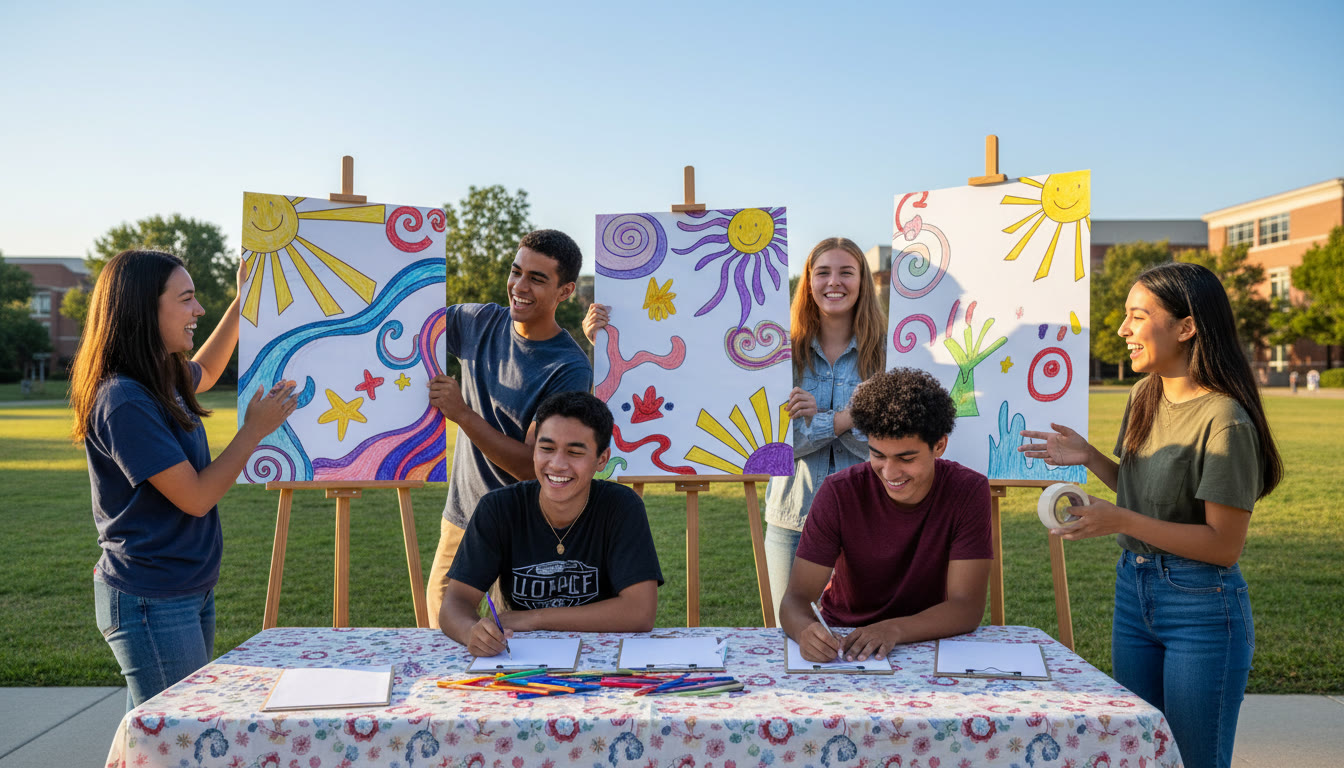

IB DP Social Impact: How to Recruit and Retain Volunteers as an IB DP Student
Tackling a social-impact CAS project is one of the most rewarding parts of the IB Diploma Programme: you get to learn by doing, practice leadership, and leave a measurable mark on your community. Yet one of the biggest practical challenges students face is less about the idea and more about the people—finding reliable volunteers and keeping them engaged long enough to create real, documented impact for your portfolio.
This guide walks you through clear, practical steps you can use right away: how to recruit with clarity and confidence, how to onboard and nurture volunteers, and how to present all of that work in a standout CAS/profile entry that speaks to the IB’s learning outcomes. Throughout, you’ll find examples, comparison-based choices, simple templates, and realistic timelines designed for the busy IB student balancing internal assessments, group projects and reflection obligations.
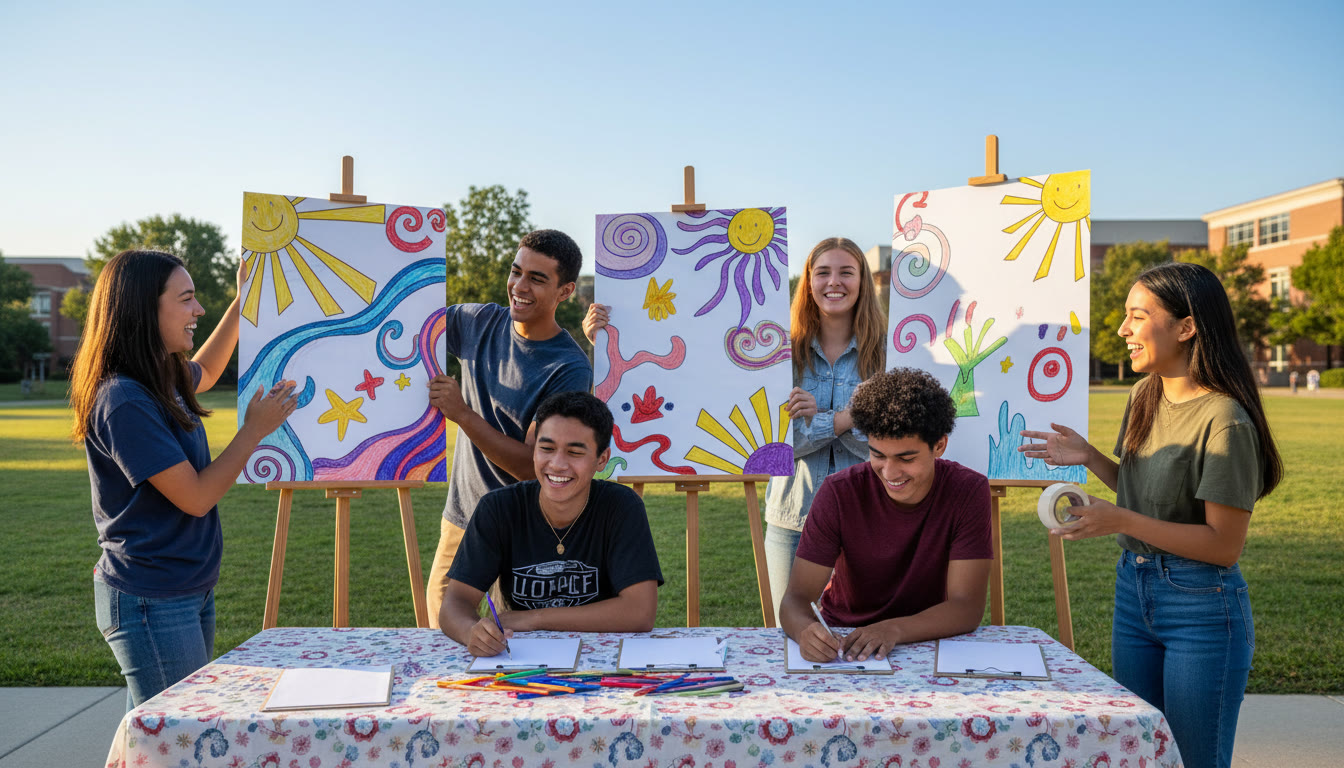
Start with Purpose: Why clarity matters
Define the social problem and the role volunteers play
Volunteers join causes they understand and feel connected to. Before you advertise, write a one‑sentence purpose that explains the community need and the specific contribution volunteers will make. Example: “Increase literacy confidence among primary-school students by running two weekly reading clubs and tracking progress through simple reading logs.” That sentence helps you recruit, design training, and measure outcomes in ways that line up with CAS learning outcomes.
Align roles with CAS outcomes and student strengths
Volunteers like to know how their time will help them grow. When you define roles, pair tasks with learning outcomes—creativity, activity, service, collaboration, global engagement, personal development. Instead of generic roles like “helper,” use titles and short learning prompts: “Reading Club Leader (builds communication and reflection skills)” or “Community Data Coordinator (learn project planning and evidence collection).” This alignment makes the experience more meaningful and easier to document in your portfolio.
Recruitment: attract the right people, quickly
Craft a short, compelling narrative
Students won’t commit to something that sounds vague. Use a three-line structure for every post or announcement: (1) the need, (2) what volunteers will do, (3) what volunteers will learn or gain. For example: “Local seniors need friendly weekly calls. Join our Student Companionship Team: make 20‑minute calls once a week. Gain skills in active listening and design a reflection piece for your CAS portfolio.” This balances emotional pull with clear expectations.
Choose recruitment channels smartly
- School announcements and CAS Coordinator emails—reach students who already understand CAS requirements.
- Classroom presentations—two minutes during tutor time can beat scrolling social posts.
- Peer networks—ask one committed student leader to invite three friends; social proof matters.
- Visuals—posters at school with a QR code linked to a short sign-up form (one line: name, year group, availability).
Make roles and time commitments explicit
Ambiguity is the enemy of recruitment. For each role, list: weekly time, start/end dates (or a minimum number of weeks), location (in-person/remote), and a single-person contact. People are far more likely to sign up when they can compare options quickly.
Quick recruitment timeline (template)
| Stage | Goal | Tactics | Estimated Time |
|---|---|---|---|
| Preparation | Define roles and materials | Write role descriptions, create sign-up form | 2–4 days |
| Launch | Attract first cohort | Announcements, posters, mini presentations | 1 week |
| Follow-up | Confirm commitments | Quick interviews / chats, schedule first meeting | 3–7 days |
| Onboarding | Train and build team cohesion | Short training session, distribute role guides | 1 session + resources |
Onboarding: the first week sets the tone
Run a short, practical orientation
Long training sessions kill momentum. Aim for a one-hour orientation that covers safety, simple role-play of common scenarios, and a fast walk-through of how you’ll record evidence. End with a quick team-building activity so people leave knowing two names and one shared goal.
Provide a clear ‘first task’
Give new volunteers a small, concrete task they can complete in the first seven days—collecting baseline data, making an introductory phone call, or drafting a short welcome message. Early wins reduce drop-out rates and let volunteers experience impact right away.
Retention: keep people engaged and growing
Design growth pathways and recognition
Volunteers stay when they see progress. Offer clear next steps: “After 8 sessions, you can become a Lead Volunteer,” or provide micro-responsibilities like running a 15-minute reflection session. Recognition can be low-cost but meaningful—personalized certificates, public thank-yous in school newsletters, or a short spotlight in a team meeting. These help volunteers feel valued and connected to the project’s purpose.
Flexible scheduling and shared ownership
High-school life is busy and unpredictable. Build flexible shift swaps, shared calendars, and a buddy system so volunteers cover for one another. A sense of shared ownership—where volunteers have a voice in decisions—also increases retention. Involve volunteers in planning short-term activities and let them suggest innovations.
Feedback loops and reflective practice
Regular check-ins—simple and short—help you catch problems early. Use structured reflection prompts connected to CAS learning outcomes (e.g., “What challenge did you face this week? How did you adapt? What would you change next time?”). These reflections both strengthen volunteer learning and produce ready-made portfolio material.

Documenting impact: build a portfolio that stands out
Quality over quantity
The IB values depth and meaningful engagement. One well-documented, multi-month project with clear reflections beats a dozen shallow activities. Show development: initial problem, your plan, volunteer roles, measurable outcomes, and critical reflection on learning.
Evidence types that impress
- Before-and-after metrics (attendance, skill tests, survey scores).
- Photographs that show process (with consent) and team dynamics.
- Short quotes from beneficiaries or a supervisor (recorded or written, with permission).
- Volunteer reflection logs linked to CAS learning outcomes.
- Project artifacts—lesson plans, promotion materials, or simple dashboards.
Sample portfolio entry structure
| Section | What to include | Why it matters |
|---|---|---|
| Project Title & Purpose | One-sentence purpose and community need | Shows clarity of intent |
| Role & Responsibilities | Specific tasks and time commitment | Links to leadership and organization |
| Evidence | Metrics, photos, artifacts, quotes | Demonstrates measurable impact |
| Reflection | Structured answers to learning prompts | Connects practice to CAS outcomes |
Measuring social impact
Choose simple, reliable metrics
Complex measurement systems are unnecessary for student projects. Start with 3–5 indicators tied directly to your purpose: number of sessions delivered, beneficiaries reached, percent improvement on a basic pre/post task, volunteer hours logged, and a qualitative satisfaction score. Keep data collection simple—short forms or a shared spreadsheet—to reduce friction for volunteers.
Sample KPI table
| KPI | How to measure | Target |
|---|---|---|
| Sessions delivered | Sign-in sheet | 12 sessions per term |
| Beneficiaries served | Attendance record | 30 unique beneficiaries |
| Learning improvement | Simple pre/post quiz or rubric | 20% average improvement |
| Volunteer retention | Percent of volunteers still active after 8 weeks | 70%+ |
Practical examples and choices
Example A — Reading Mentors
Recruitment: Target lower-year students and offer a one-hour weekly commitment. Onboarding: 60-minute training with sample reading prompts and safeguarding rules. Retention: Rotate volunteer leadership so mentors curate a monthly theme. Evidence: reading logs, short videos of reading sessions (with parental consent), and volunteer reflections that connect to communication and service learning.
Example B — Community Clean-Up & Skills-Fair
Recruitment: Use a two-day sign-up at school and invite community partners. Onboarding: Safety briefing and equipment demo. Retention: Create micro-roles (team captain, materials manager) and offer flexible shifts. Evidence: before/after photos, community partner testimonials, and student reflections on sustainability and collaboration.
Tools, support and learning scaffolds
Use simple systems
A shared spreadsheet, a one-page role guide, and a two-question weekly check-in form are all you need to keep volunteers on track. A consistent reflection template tied to CAS outcomes makes portfolio writing significantly easier—volunteers will often write better reflections when they have a short list of prompts.
Where tailored support helps
Sometimes students need coaching to translate their fieldwork into rigorous CAS reflections and to set up evidence that will stand up to scrutiny. Sparkl‘s personalized tutoring can help with project planning and reflection structure; Sparkl‘s tailored guidance—1-on-1 coaching, expert tutors and AI-driven insights—can speed up the translation from messy real-world work to clear, IB-ready portfolio entries. Use external help strategically: for planning and polishing, not to replace your authentic reflections.
Ethics, consent and safeguarding
Always get informed consent
If you take photos, record testimonials, or collect any personal data, get written permission from participants or guardians. Respect privacy and anonymize data when necessary. Your CAS coordinator can advise on school policies, but always err on the side of respect and transparency.
Cultural sensitivity and reciprocity
Social-impact work should prioritize the dignity and agency of the community you serve. Avoid projects that position beneficiaries as passive recipients. Instead, co-design activities with community voices—ask what they need and how they want to be involved. That approach leads to deeper learning and more sustainable volunteer engagement.
Common challenges and quick solutions
- Volunteer drop-off after two sessions: introduce a buddy system and a small early task that yields visible results.
- Scheduling conflicts: offer alternate shifts and a shared calendar for easy swaps.
- Low morale: schedule a short reflection and recognition session every 4–6 weeks.
- Difficulty collecting evidence: create a one-page evidence checklist and assign a rotating Evidence Officer.
A realistic checklist to finish a strong CAS entry
- One-sentence purpose statement completed.
- Roles defined with explicit time commitments.
- At least one onboarding session documented.
- Baseline and one follow-up metric collected.
- Three volunteer reflections saved and linked to outcomes.
- Photos or artifacts collected with consent.
- Final critical reflection drafted that connects practice, impact, and your personal learning.
Final thoughts
Recruiting and retaining volunteers for an IB DP social-impact project is both a logistical task and a learning opportunity: when you design roles with clarity, create simple systems for onboarding and evidence collection, and treat volunteers as partners in learning, you build projects that are sustainable, reflective and portfolio-ready. The skills you develop—communication, project management, ethical engagement and evidence-based reflection—are precisely the kinds of outcomes the IB values, and they turn a good CAS activity into a standout demonstration of your growth as a student and global citizen.
























No Comments
Leave a comment Cancel