

IB to Politecnico di Milano: a clear, human roadmap
Walking into a Milan studio or a Politecnico lecture hall starts with the same thing you’ve practiced all through the IB: a process. Ideas, iteration, revision, evidence. If you’re an IB Diploma student dreaming of design or engineering at Politecnico di Milano, this guide is a practical map—written in plain language, packed with examples, and designed to help you turn an IB profile into a competitive application.

Why Politecnico? Why craft your IB strategy around it?
Politecnico di Milano sits at the intersection of rigorous engineering and creative design, and it expects applicants who can show both depth and creative process. For IB students that often translates into:
- strong HLs in technical subjects (math, physics, design-related courses),
- a concise portfolio or evidence of design thinking for design tracks,
- project-based evidence—Extended Essays, EE-Aligned projects, CAS initiatives that demonstrate real-world application.
Polimi’s urban location means industry engagement, internships, and studio culture—so your application should talk about how you make things and why those things matter.
How Polimi evaluates IB students (the practical truth)
Admissions at technical universities are competitive. Polimi looks for academic readiness plus demonstrable skills. Rather than rely on speculation, treat these elements as non-negotiable pillars of your application:
- Subject fit: the right HL subjects related to the chosen program.
- Competitive DP points: a solid, realistic target range that matches the program’s selectivity.
- Portfolio or project evidence for design/architecture tracks.
- Clear, organised documentation of coursework and extracurriculars (translations, grade conversions, predicted grades).
Quick checklist table: recommended focus by program type
| Program Type | Recommended HLs | Competitive DP Score (target range) | Application Extras |
|---|---|---|---|
| Engineering (mechanical, civil, electrical) | Mathematics (Analysis & Approaches HL preferred), Physics HL | 38–44 (competitive) | STEM projects, Extended Essay in technical topic, test scores where applicable |
| Computer / Software Engineering | Mathematics (AA HL), Computer Science HL or SL | 38–44 (competitive) | Code portfolio, project repos, online course certificates |
| Design / Industrial Design | Visual Arts HL or Design Technology / Mathematics | 36–42 (competitive) | Portfolio (process-focused), prototypes, CAS design projects |
| Architecture / Product & Space Design | Mathematics, Visual Arts or Design subjects | 38–44 (competitive) | Portfolio, sketchbook, model photos, written design statement |
Choosing IB subjects with laser focus
Subject choice is one of the highest-leverage moves you can make in the DP. Be intentional: pick Higher Level subjects that match the academic demands of your intended Polimi program.
Engineering applicants
If you’re aiming at engineering, prioritize mathematical and physical reasoning. Mathematics: Analysis & Approaches HL is often the better choice if you’re planning to specialise in rigorous, proof-based, or theoretical courses. Physics HL signals clear preparedness for mechanical, civil, or electrical programs. If you’re leaning toward chemical or biomedical engineering, Chemistry HL should be in play.
Your Extended Essay (EE) and internal assessment (IA) work should amplify this: an EE that models a real-world system, an IA that collects and analyses measurements, or CAS projects that build a small engineering solution are all strong evidence of fit.
Design applicants
Design admissions reward process. Visual Arts HL is a natural match, but if your school doesn’t offer it, use Extended Essay and CAS to document design thinking, and create a robust portfolio that emphasizes iteration. Polimi wants to see how you arrive at a solution, not just the finished product.
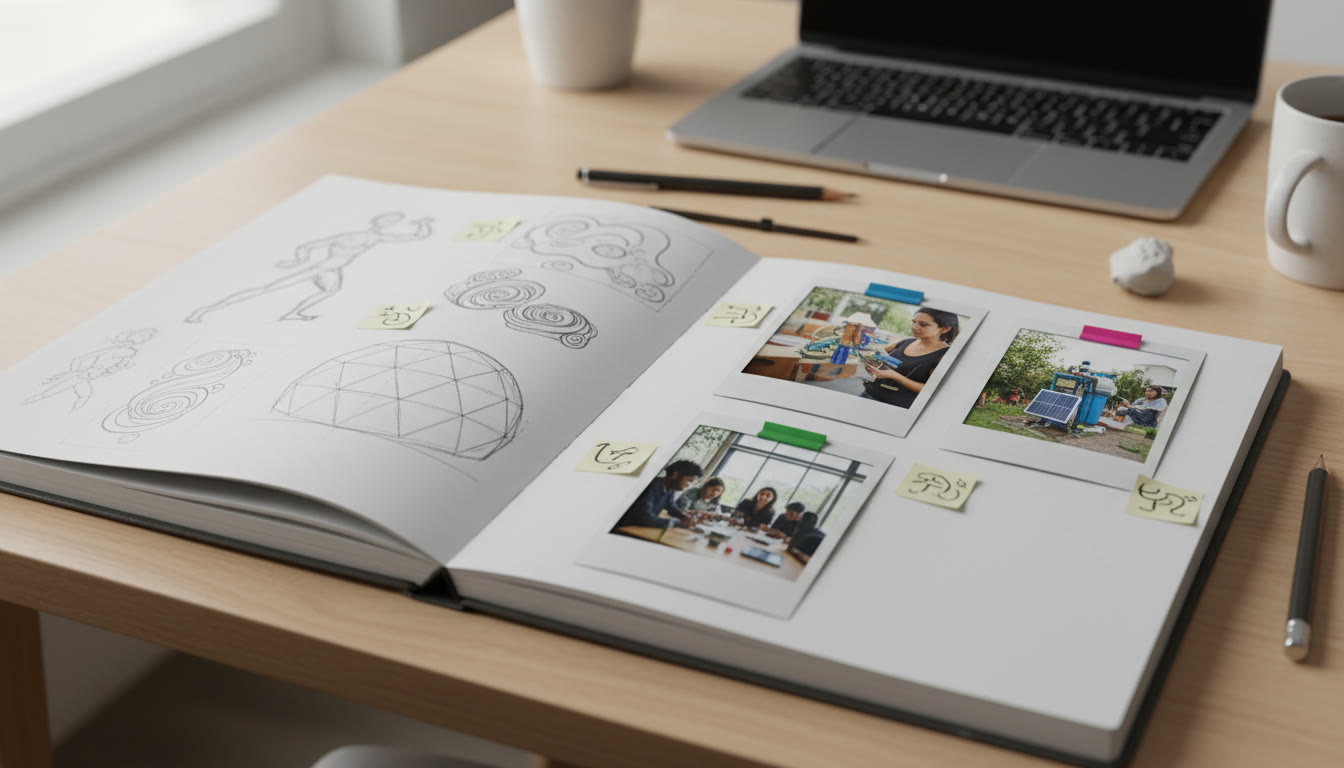
- Include sketches, annotated process shots, and short reflections on decisions.
- Photograph prototypes clearly and include short descriptions of materials and methods.
- If you use digital tools (CAD, Rhino, Fusion 360), show both raw files and rendered outcomes if possible.
Building a portfolio that actually works (for design & architecture)
Portfolio anxiety is real. Admissions staff look for curiosity and rigour—not polish alone. Treat the portfolio as a compact narrative about how you think.
- Lead with process: show initial sketches, a project timeline, iterations, and the final prototype/photo.
- Limit to your strongest 8–12 pieces; quality beats quantity. Each piece should have a short caption (50–100 words) explaining role, constraints, and learning.
- Context matters: include a one-page reflection that ties your IB work, CAS activities, and EE to your creative practice.
For engineering-adjacent design, include technical drawings, materials testing, or small sensors/electronics that demonstrate systems thinking.
Application timing and logistics: translate IB paperwork into Italian admissions currency
Start early. Convert grades and assemble certified translations if required. Confirm the language of instruction for the program you’re applying to: many Polimi programs are offered in English, but some have Italian components or recommendations.
- Secure predicted grades from teachers and a concise reference that highlights project work.
- Prepare certified copies of IB transcripts and, if requested, a transcript translation.
- Check whether an admissions assessment or test is part of the specific program; prepare sample problem sets and timed practice.
Timeline table: a practical calendar for the application cycle
| When (relative) | What to focus on |
|---|---|
| 12–18 months before application | Choose HLs carefully; begin portfolio projects and EE topic selection |
| 6–9 months before application | Refine portfolio; collect project photos and process notes; draft EE and seek supervisor feedback |
| 2–3 months before application | Prepare translations and transcripts; prepare for any admission tests; finalise documentation |
| Application open/submit | Submit portfolio, predicted grades, and required documentation; confirm receipt |
Admissions context across countries: things IB students often miss
It helps to know how Polimi’s process sits inside the global admissions ecosystem—especially if you’re applying to several countries at once. Here are a few crucial context points to keep in mind when you plan backups or compare options.
United Kingdom (UCAS)
If you’re applying to UK schools as well, remember that the UCAS system is using the new 3 Structured Questions format for the upcoming entry cycle: Motivation, Preparedness, and Other Experiences. Each question wants focused, evidence-based answers—short, reflective, and program-specific. Do not write a single 4,000-character Personal Statement; prepare three tight responses that connect your IB work to course fit.
Switzerland (EPFL)
EPFL recently announced a major cap for international bachelor’s admissions: a 3,000 student cap for international bachelor’s students, and the selection is increasingly competitive and ranked rather than purely automatic by score. For IB students this means strong HL performance in math and physics and clear project evidence are essential to reach the top of ranked lists.
Canada
Canadian admissions often separate grade-based rewards and application-based awards. Distinguish between Automatic Entrance Scholarships (grade-based) and Major Application Awards (leadership or nomination-based). If you’re applying to Canada in parallel, prepare both strong grades and any supplemental award applications or nomination materials early.
Netherlands
If you’re considering Dutch technical schools as alternatives, note that Numerus Fixus engineering programs have a much earlier date: January 15th is the critical deadline for many selective programs (for example TU Delft’s aerospace and certain computer science intake processes). That deadline is earlier than general national deadlines and requires early planning.
Singapore
Some Singaporean universities are known to make offers for IB students later in the cycle—often mid-year—so students who choose Singapore alongside US/UK/European applications can face a “gap risk” (a period where no offer is in hand). Plan housing, finances, and decision contingencies accordingly.
Putting it all together: a day-by-day strategy for the final months
Your last months of the IB are where clarity wins. Here is a reproducible, focused checklist that IB students targeting Polimi can follow:
- Finalise your portfolio with a consistent visual language and short captions explaining constraints and outcomes.
- Align one of your IA or EE projects with a design or engineering theme; document methods and conclusions clearly.
- Ask teachers for references that focus on initiative and project work, not just grades.
- Practice any required admissions tests under timed conditions; treat them as standardized demonstrations of problem-solving.
- Confirm language of instruction and prepare proof of English/Italian proficiency if needed.
How to use your Extended Essay and CAS strategically
The EE can be a golden thread in your application: a technical modelling EE, a design research project, or a small engineering experiment demonstrates independent, university-level thinking. CAS projects that result in tangible work—exhibitions, prototypes, collaborative builds—are valuable portfolio material. Label them clearly when you submit documents so admissions officers can easily see the connection.
Polimi interview and assessment tips (if applicable)
Not all applicants will face interviews, but when Polimi or a related admissions process asks for a conversation or an assessment, treat it as an opportunity to show process thinking.
- Speak to design choices in portfolio pieces: what failed, what you learned, and what you would try next.
- For engineering, walk through a problem logically; explain assumptions and simplifications and how you tested them.
- Keep explanations concise and visual where possible—sketch a quick diagram to show reasoning when asked.
Resources and support—how to make your prep sustainable
Balancing the DP with portfolio and admissions prep is work. If you want live, tailored help—structured checklists, one-on-one coaching for portfolio reviews, or targeted support for EE and admissions essays—consider focused tutoring that aligns directly with your calendar. For students who want guided feedback on process, Sparkl‘s 1-on-1 guidance, tailored study plans, expert tutors, and AI-driven insights can provide structured time and feedback without replacing your authentic voice.
Common mistakes IB applicants make—and how to avoid them
- Thinking a portfolio should be a gallery: admissions care about process, constraints, and learning, not just glossy outcomes.
- Choosing easy HLs for comfort: pick HLs that align with your program so the content helps your application evidence.
- Leaving EE until the last minute: a thoughtful EE can be cited in your application and portfolio commentary.
- Ignoring program language requirements: confirm English vs Italian and prepare documentation early.
Final assembly: documents you’ll want in order
When you submit, have these items ready and clearly labelled:
- IB predicted grades and mock transcripts
- Finalised portfolio (PDF link or upload-ready files) with captions
- Extended Essay abstract and methodology summary
- CAS summary and evidence photos
- Teacher references pointing to project work
- Language certification or note on language of instruction (if needed)
Closing academic note
Targeting Politecnico di Milano from the IB Diploma is about aligning your academic choices with demonstrable creative and technical process. Prioritise HLs that show readiness, shape your Extended Essay and CAS into projects that produce tangible evidence, curate a portfolio that foregrounds iteration, and plan your application timeline with international deadlines and contextual differences in mind. With a clear subject strategy, process-driven portfolio, and consistent documentation, your IB profile can speak directly to the admissions reviewers at a technical, design-led university like Polimi.



























No Comments
Leave a comment Cancel