
How to Eat Right Before the SAT Exam: A Calm, Smart Test-Day Nutrition Plan
You’ve practiced math problems at midnight, memorized vocab in the car, and mastered your timing on practice tests. Now imagine walking into the SAT—clear-headed, steady hands, and a digestion that’s more along for the ride than trying to steal the show. What you eat in the hours before an exam matters. Not because food magically makes you smarter, but because it fuels concentration, steadies mood, and keeps energy steady for those long reading passages and tricky algebra questions.
Why pre-test nutrition matters (and what it won’t do)
Think of your brain as an engine. It runs on glucose, requires steady blood flow, and prefers a calm internal environment. Eating the right foods before the test supports those things: steady energy, clear focus, and a calmer nervous system. But food isn’t a miracle worker—you can’t cram vocabulary with an avocado toast. Nutrition optimizes the platform your studying built. Paired with good sleep and practice, a thoughtful meal plan can be the difference between hitting your baseline and surpassing it.
Real-world example: two students wake up the morning of the SAT. One skips breakfast and drinks a giant sweetened coffee. The other eats a balanced breakfast with protein, complex carbs, and a small amount of healthy fat. Halfway through the reading section, the first student feels jittery and then drained as blood sugar spikes and drops. The second maintains steady focus and finishes stronger.
Key principles for your SAT meal plan
- Focus on steady energy: choose complex carbohydrates and pair them with protein.
- Keep it familiar: this is not the day to try spicy new cuisine or unfamiliar supplements.
- Hydrate sensibly: dehydration diminishes attention and mood.
- Avoid big sugar spikes: quick sugar can mean a crash mid-test.
- Timing matters: give your body 60–90 minutes after a larger meal to settle, but have small snacks ready closer to test time.
How the body responds to different macronutrients
Understanding basic macronutrient effects helps you choose foods intentionally:
- Carbohydrates (esp. complex carbs): primary fuel for brain cells, but choose slow-release types—whole grains, oats, legumes—so glucose enters the bloodstream steadily.
- Protein: stabilizes blood sugar and supports neurotransmitter production. Good pre-test protein helps you feel satiated and focused.
- Healthy fats: small amounts slow digestion just enough to keep you steady; omega-3s (in walnuts, chia) also support brain function over time.
What to eat the night before
The night before the SAT, you want a comfortable, nutrient-dense dinner that’s familiar and easy to digest. Avoid overly spicy or greasy meals that could disrupt sleep.
- Lean protein + complex carbohydrate + vegetables: grilled salmon with quinoa and steamed broccoli; or chicken stir-fry with brown rice and plenty of veggies.
- Light carbs if you get anxious: a small sweet potato or a bowl of oatmeal can be comforting and promote steady blood sugar overnight.
- Avoid late heavy eating: large, late meals can interfere with sleep quality and morning digestion.
Sleep is nutrition’s partner. A balanced dinner plus 7–9 hours of sleep is a far better combo than a second helping of pizza and a few extra hours of late-night studying.
Morning of the SAT: timing and sample breakfasts
Plan to finish a larger breakfast about 60–90 minutes before the test starts. If you eat earlier, have a small, portable snack you can eat 20–30 minutes before (check test center rules for what you can bring). The goal is steady energy and no stomach protests.
Quick sample breakfasts by time available
- If you have time (60–90 minutes): Greek yogurt parfait with oats, berries, and a sprinkle of walnuts; or an omelet with spinach and a slice of whole-grain toast.
- Less time (30–60 minutes): peanut butter banana toast (whole-grain), or a small bowl of steel-cut oats with milk and sliced apple.
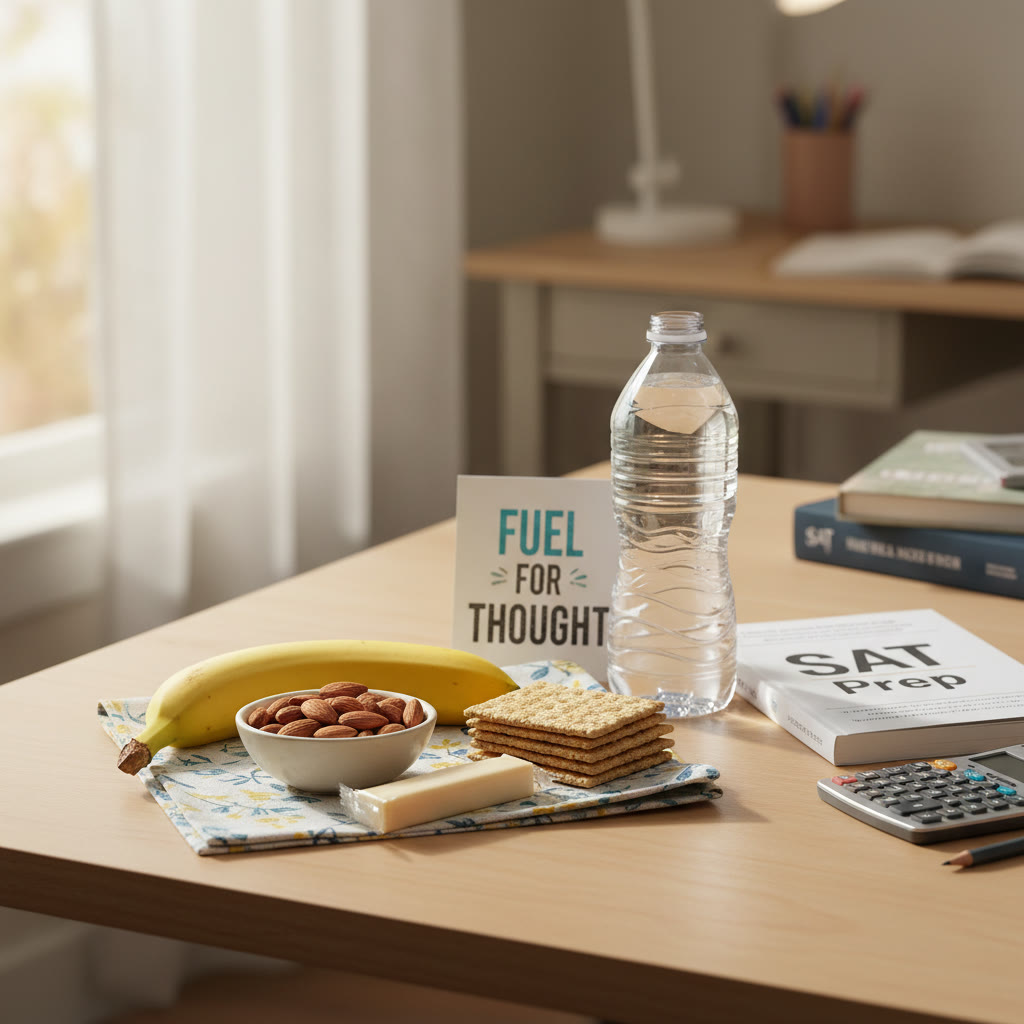
- Very tight schedule (15–30 minutes): a banana with a string cheese or a small smooth nut butter packet and a whole-grain cracker.
Why these work: protein + fiber + modest healthy fat slow digestion just enough to avoid spikes and crashes while keeping your stomach comfortable during the test.
Caffeine: use cautiously
Caffeine can sharpen alertness in small doses, but it can also increase jitters and bathroom needs—both distracting on test day. If you regularly drink coffee, stick to your usual amount. If you don’t, it’s not the day to experiment. Consider a small cup rather than a large one, and pair it with food; caffeine absorbed on an empty stomach can overstimulate.
Snacks for between sections and breaks
You’ll have short breaks and perhaps a longer midday break depending on your test schedule. Pack small, portable snacks that won’t upset your stomach and provide quick, steady fuel.
- Trail mix (nuts, pumpkin seeds, a few dark chocolate chips): protein, healthy fats, and a touch of sugar for a controlled pick-me-up.
- Apple slices with almond butter: fiber plus protein.
- Whole-grain crackers with cheese stick: easy to eat and satisfying.
- Banana: quick carbohydrate and potassium to prevent cramps.
- Hydration: water is best; consider a small bottle with electrolytes if you sweat a lot or it’s hot.
What to avoid during breaks
- Heavy sandwiches or greasy foods that can make you sleepy.
- Large sugary drinks or candies that spike then crash energy.
- Too much caffeine or energy drinks; these often create jitteriness and bathroom runs.
Foods to choose and foods to avoid: a clear comparison
Below is a practical table comparing foods to choose and avoid, and why. Keep this list handy during your test-week planning.
| Best choices | Why they help | Examples |
|---|---|---|
| Complex carbs + protein | Provide steady glucose and satiety | Oatmeal with milk, whole-grain toast + egg, quinoa bowl |
| Fruits with fiber | Quick usable energy without extreme sugar spikes | Banana, apple with peanut butter, berries |
| Healthy fats in small amounts | Slow digestion slightly so energy lasts longer | Walnuts, avocado slice, chia in yogurt |
| Hydration | Maintains cognitive function and mood | Water, diluted electrolyte drink if needed |
And what to avoid:
| Avoid | Why |
|---|---|
| High-sugar pastries, candy | Quick spike and subsequent crash; foggy mid-test |
| Greasy, heavy fast food | Can cause drowsiness and stomach discomfort |
| Too much caffeine or energy drinks | Increases anxiety and bathroom breaks |
| New or spicy foods | Risk of digestive upset or allergic reaction |
Sample test-day schedule with meals and snacks
This timeline assumes an 8:00 a.m. test start; adjust if your test begins earlier or later. The point is to space food so you’re not hungry and not overwhelmed by digestion.
| Time | What to eat | Why |
|---|---|---|
| 6:00–6:30 a.m. | Balanced breakfast: oatmeal with milk, nuts, berries; or egg + toast | Steady energy; completed digestion before the exam begins |
| 7:30 a.m. (on the way / pre-check) | Small snack if hungry: banana or nut butter packet + cracker | Top-off glucose without heaviness |
| Mid-test break | Apple slices, trail mix, or a cheese stick and water | Refuels brain and keeps attention steady for the next sections |
Practical packing tips
- Use small resealable bags or containers so snacks don’t get soggy.
- Keep items simple and familiar; test-day stomachs are sensitive.
- Label everything and have cash or ID easily accessible—reduces stress at check-in.
Managing nerves and appetite
Stress affects appetite in different ways—some people lose it, others eat more. Plan for both. If you get nervous and lose your appetite, choose compact, easy-to-eat options: a yogurt drink, a banana, or a protein bar with low sugar. If you eat when stressed, practice portion control: a small handful of nuts or a half-sandwich rather than a full family-sized portion.
Breathing exercises, a brief walk, or a few stretches can settle nerves and normalize digestion before the test. Note how your body responds during practice tests: try eating the breakfast you plan to bring on test day during a timed practice. That way, you know how your body reacts.
Supplements and extras: what’s wise (and what to skip)
Most students don’t need special supplements for a single test day. A daily multivitamin taken regularly can support overall brain health, but taking a new supplement right before the SAT is unnecessary and risky. Be wary of high-dose stimulants or unregulated energy supplements.
If you take prescription medications, continue them as usual, and pack them in your test bag with clear instructions. If you rely on things like mid-morning protein bars or caffeine, use the versions you’re used to—don’t test new products on the big day.
Putting it all together: a week-of checklist
- Practice your test-day breakfast during at least one full-length practice test.
- Pack snacks the night before; don’t rely on a convenience store morning find.
- Set multiple alarms and plan travel the night before so you aren’t rushed and skipping breakfast.
- Sleep 7–9 hours each night in the week leading up to the test; nutrition helps, but you can’t out-eat poor sleep.
- Hydrate gradually through the day prior and morning of; avoid chugging water right before the test to minimize bathroom breaks.
How tutoring and individualized support fit in
Many students find that small adjustments in routine make a big difference. A personalized approach—like the one Sparkl’s personalized tutoring offers—can help you discover which foods and timing strategies work uniquely for you. Tutors who provide one-on-one guidance can include tailored study plans that cover not just content but also test-day routines, including meals and snack strategies. If your tutor uses AI-driven insights, they can help analyze your practice-test performance and suggest small changes in sleep, nutrition, and timing that are likely to produce measurable gains.
Case study: Julia’s morning that turned things around
Julia had been practicing timed reading sections and scored consistently in the mid-600s. On practice tests she often skipped breakfast and relied on a grande coffee. On the actual SAT, she felt jittery and made careless errors. Her tutor recommended a week-long experiment: a consistent breakfast of Greek yogurt with oats and berries plus a small handful of almonds, and a small banana 30 minutes before the exam. On test day, Julia felt steadier, less anxious, and improved her reading score by nearly 30 points. The change wasn’t magic—it was predictable: steady blood sugar, familiar food, and one less variable to manage.
Takeaways: practical rules for test-day eating
- Eat something balanced within 60–90 minutes of the start time; have a light top-up snack if needed.
- Prioritize complex carbs + protein and small healthy fats; avoid sugar-heavy and greasy foods.
- Hydrate early and steadily; be cautious with caffeine.
- Practice your routine during at least one full-length practice test so test day feels familiar.
- If you want tailored strategies, consider one-on-one guidance: personalized tutoring can help you integrate nutrition with study schedules and stress-management techniques.
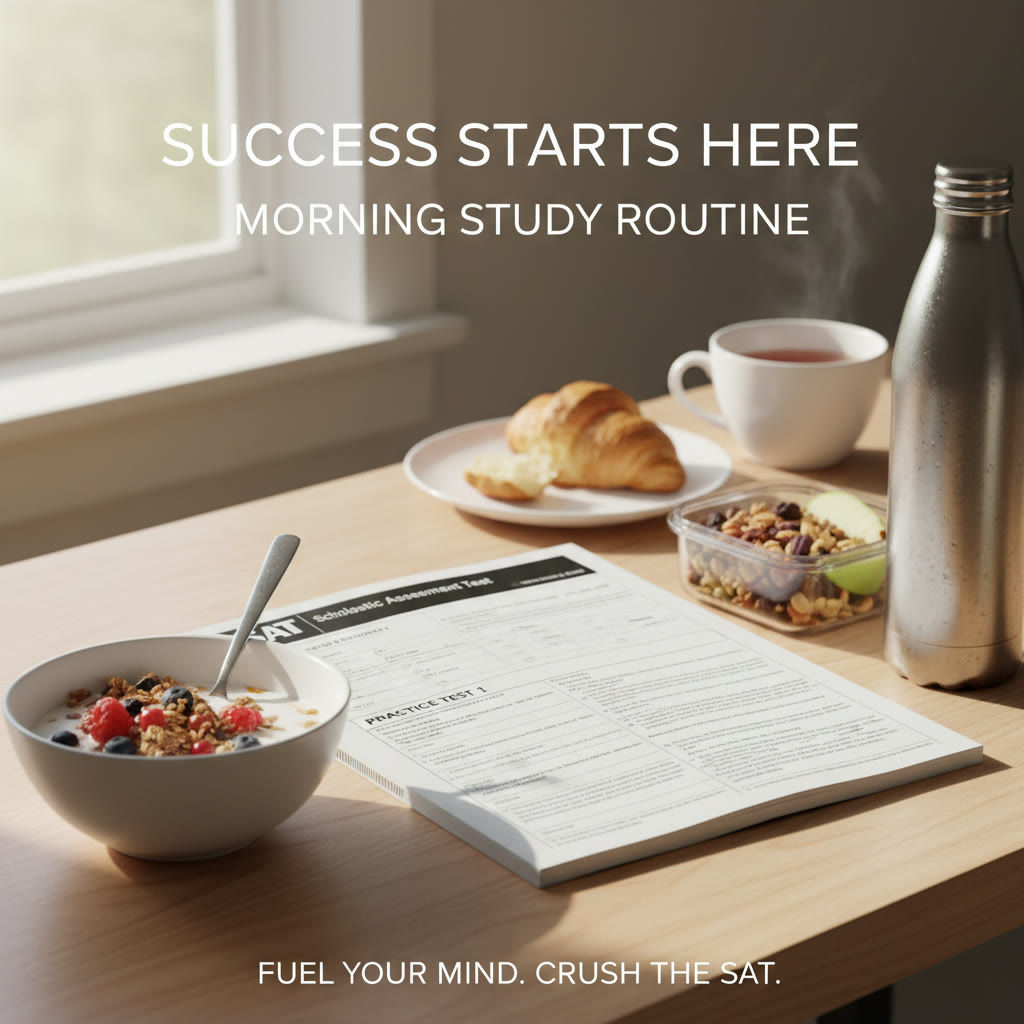
Eating right before the SAT isn’t about perfection; it’s about removing avoidable distractions so your focus and preparation can do their job. Keep things simple, practiced, and familiar. Your brain will thank you, and your score will reflect the steady, sensible choices you made in the hours before the test.
Good luck—breathe, eat thoughtfully, and let your preparation shine.
















No Comments
Leave a comment Cancel