
Introduction: Why holidays don’t have to derail your SAT prep
Festivals, family gatherings, religious observances, and travel—these are the years you’ll remember. They can also feel like obstacles when you’ve got the SAT on the horizon. The good news: with a little planning and a few practical tactics, you can enjoy the celebrations and still make steady progress toward your target score. This post is for the student who wants to be present at holiday moments without sacrificing preparation time.
We’ll cover realistic schedules, micro-study techniques, how to fit full-length tests into a busy season, strategies for travel days, nutrition and sleep tips, and how to use resources like Sparkl’s personalized tutoring—1-on-1 guidance, tailored study plans, expert tutors, and AI-driven insights—when you need a focused push. The goal: a plan that respects life and gets results.
Know the test so you can plan effectively
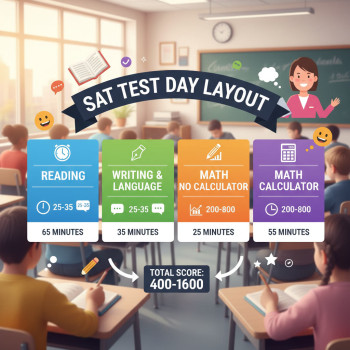
Before you design a schedule around holidays, understand what you’re preparing for. The SAT is a 3-hour exam (no optional essay) covering two main areas: Evidence-Based Reading and Writing (combining Reading and Writing & Language) and Math (which includes a no-calculator and a calculator portion). Scores range from 400 to 1600.
Key facts to keep in mind when planning:
- Official full-length practice tests match the real timing—3 hours—so time management practice should mimic that.
- Scoring is on a 1600 scale, so incremental improvements matter; a few focused weeks can move your score significantly if they’re smartly structured.
- Test dates are announced well in advance, but registration deadlines can fall near holidays—register early to avoid last-minute stress.
Set realistic priorities before the festival season
Start by taking a short inventory: how far are you from your target? How many weeks until your next test date? Which festivals will be most demanding? This lets you categorize your time into three flexible zones:
- High-focus weeks: two to three months before test day when you should do heavy lifting (concept review, timed practice sections, weekly full-length tests).
- Maintenance weeks: four to six weeks before the test—build stamina and polish weaknesses with targeted drills.
- Buffer/celebration weeks: weeks with major festivals where full study days are unrealistic; plan lighter, consistent work (micro-sessions, review flashcards, light practice).
Quick example: baseline to target
Suppose your diagnostic score is 1150 and your goal is 1350 in three months. That’s a 200-point jump. Realistically, that will require a mix of strategy (learning how to take the test), content review (especially algebra and grammar patterns), and timed practice. Identify the weakest areas first—if math is lagging, shift more of your heavy-focus time there, and keep reading practice steady with daily short passages.
Build a festival-aware study calendar
Design a calendar that acknowledges celebrations. The key idea is to protect a small number of sacred study blocks each week—and to be tactical about when you schedule demanding activities like full-length practice tests.
Principles for an effective calendar
- Schedule your official full-length practice test on a week without major celebrations—ideally every 2–3 weeks during intense prep.
- Keep 2–4 micro-study sessions (20–40 minutes) during festival days. These sessions are low friction and surprisingly effective.
- Create buffer days before and after travel to account for fatigue: short, focused sessions rather than full study days.
- Plan revisions that require low cognitive load (review notes, flashcards) for very busy days.
Sample monthly calendar (one month before the test)
| Week | Main Focus | Typical Plan | Festival/Notes |
|---|---|---|---|
| Week 1 | Full-length practice + review | Sat: Full practice test (3 hrs). Sun–Fri: Review mistakes, targeted drills 60–90 mins/day. | Minor festival day on Wed — replace one 90-min session with three 30-min micro-sessions. |
| Week 2 | Content focus: Math | Mon/Wed/Fri: Focused algebra/mastering problem types (60 mins). Tue/Thu: Reading practice (30 mins). | Family gathering on Sat — keep 2 short sessions and rest. |
| Week 3 | Timed sections + pacing | Two timed Reading sections and two timed Math sections midweek; one half-practice on Sat. | Travel Tue–Thu — use 20–30 min sessions in transit for vocab and problem review. |
| Week 4 (Test Week) | Light review and rest | Mon–Wed: short reviews of error logs (30 min). Thu: light practice. Fri: rest, sleep well. Sat: Test Day. | Festival wraps up on Thu — avoid late-night events; prioritize sleep. |
This table is a template. Your own calendar should map to your personal test date and festival locations. The rule of thumb: move the heavy cognitive load away from festival days and keep micro-learning consistent.
Micro-sessions: your holiday secret weapon
When time is fractured—between visits, ceremonies, or meals—micro-sessions win. They preserve momentum without making you feel like you’re missing out.
- 20–30 minutes: a timed Reading passage or two short Math problems.
- 10–15 minutes: grammar drills, vocabulary review with flashcards, or error-log review.
- 30–45 minutes: a single, focused strategy drill (e.g., grid-in math problems or passage outlining).
Micro-sessions are also great for travel: downloading a PDF of a practice passage or saving a set of practice problems to your phone means you can do useful work on a plane, train, or waiting room.
When to schedule full-length practice tests
Full-length practice tests are non-negotiable for building stamina and simulating test-day conditions. But they’re also time-consuming, so plan them smartly around holidays.
- During intense prep: take a full practice every 10–14 days.
- Closer to test day (last month): take 2–3 full-length tests spaced out to avoid burnout.
- Never schedule a full practice the day before a major festival or travel day—your review should come in small chunks before or after.
If a festival weekend is the only free block you have, consider doing a full practice on the festival’s first free morning, then schedule the rest of the day to celebrate. That way you use uninterrupted time and reward yourself afterwards.
How to use travel and social time to study without being antisocial
It’s possible to study thoughtfully without being isolated. Use these gentle strategies:
- Set expectations with family: tell them you’ll be studying for two 30-minute slots and then you’ll be fully present.
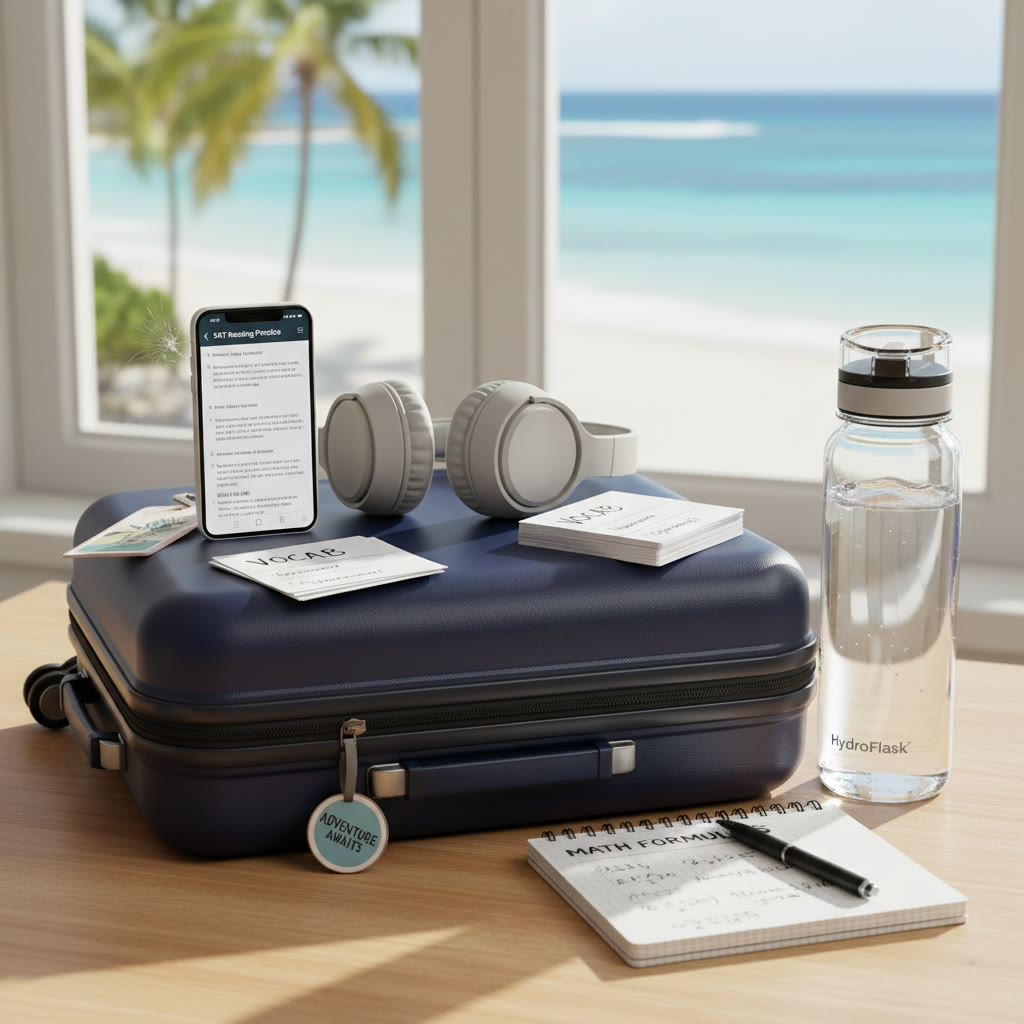
- Use headphones: a short, focused practice session signals you need uninterrupted time.
- Buddy up with a cousin or sibling prepping for similar tests and exchange short timed passages—make it social and productive.
- Keep a small “emergency study kit”: a notebook with error logs, a few printed problems, and vocabulary flashcards.
Nutrition, sleep, and mood: the invisible prep that matters
Holidays often mean late nights, sugar spikes, and irregular meals—all of which damage cognition. Protect three things:
- Sleep: aim for consistent bedtimes during intense weeks. If celebrations run late, plan a nap the next day rather than trying to power through.
- Hydration and nutrition: carry a water bottle, prioritize protein and complex carbs on study days, and minimize heavy late-night meals before study blocks.
- Mood: short mindfulness or breathing exercises (3–5 minutes) before a study session improve focus, especially after noisy gatherings.
How to choose what to study during holiday weeks
Don’t try to do heavy new learning on festival days. Instead, focus on low-friction, high-return activities:
- Error log reviews: revisit problems you missed and write down the pattern of errors.
- Light timed practice: 1–2 sections (30–65 minutes) with immediate review.
- Targeted flashcards for vocab or math formulas.
- Strategy rehearsals: e.g., process for reading passage (skim, annotate, question mapping) or approach for grid-ins.
Example daily plans for different holiday scenarios
Busy festival day (lots of family events)
- Morning (20–30 minutes): quick math drill—10 grid-ins and explain mistakes.
- Afternoon (10–15 minutes): grammar flashcards on phone.
- Evening (20 minutes): review error log entries made earlier in the week.
Travel day (long journey)
- Begin with a 25-minute timed reading passage.
- During transit, review two difficult problems and jot down solution steps.
- End with a 10-minute breathing exercise and light review to avoid overwhelm.
Festival weekend with one free morning
- Morning (3 hours): full-length practice test if you’re in a heavy prep week; otherwise, two timed sections and targeted practice.
- Afternoon & evening: family time—no study unless you choose a single 20-minute review session.
Track progress and adapt
Use objective markers, not feelings. Keep a simple tracking system: date, test/section, raw score, mistakes by type, and time management notes. When a festival disrupts routine, this log helps you quickly find where to restart.
- Look for trends: are you consistently missing geometry? Running out of time on reading passages? Your calendar should shift to address those trends.
- Celebrate small wins: completing a timed section during a holiday counts. Mark it and move on.
When and how to use personalized tutoring
Holidays highlight the value of tailored guidance. A one-size-fits-all plan often fails when life is irregular, but personalized tutoring can adapt on the fly.
Sparkl’s personalized tutoring can be a particularly good fit when you need:
- Flexible scheduling around festivals and family events—tutor sessions that fit into odd windows.
- Targeted help on weaknesses identified in your error log—expert tutors who turn mistakes into action items.
- Tailored study plans that use AI-driven insights to prioritize high-impact activities during short time windows.
One-on-one guidance also helps with accountability. During a busy festival period, scheduling two or three short sessions with an expert can keep momentum without taking over your calendar.
Practical checklists: before, during, and after festivals
Before a festival
- Identify 2–3 must-do study items and protect those slots.
- Complete a short, high-payoff activity (e.g., one full timed section) the day before travel.
- Notify your study buddy or tutor about your availability.
During a festival
- Do micro-sessions (20–30 minutes) instead of marathon sessions.
- Log any new mistakes and flag items to revisit after the festival.
- Prioritize sleep and hydration over extra study time—your brain consolidates memory during rest.
After a festival
- Do a low-stress reset: 30–60 minutes reviewing the error log and planning the next week.
- Schedule a full practice or simulated timed sections within 3–5 days to reestablish rhythm.
- Adjust your calendar to make up lost heavy-focus time gradually—don’t binge-study.
Common pitfalls and how to avoid them
- Trying to cram on travel days: instead of long cramming, focus on polished practice and rest.
- Skipping practice tests for fear of low scores: practice tests are data—use them to guide work, not to judge self-worth.
- All-or-nothing thinking after missed days: missed sessions don’t erase weeks of work. Do a short diagnostic and get back to the plan.
Sample 3-week ramp-up plan that includes a holiday
| Week | Focus | Weekly Goal |
|---|---|---|
| Week A (Intense) | Content mastery: weak topics | 2 full practice sections, 4 targeted drills, 3 tutoring check-ins |
| Week B (Holiday Week) | Maintenance + micro-sessions | 1 half practice, daily 20–30 minute micro-sessions, 1 tutor session for planning |
| Week C (Consolidate) | Timed practice + review | 1 full practice test, 3 timed sections, review of all errors |
This ramp-up respects a holiday in Week B while preserving gains made in Week A and setting Week C for consolidation.
Final thoughts: make memories and make progress
Preparing for the SAT around festivals is a balance between presence and persistence. You don’t have to choose one over the other. With a flexible calendar, micro-sessions, strategic full-length practices, and attention to sleep and nutrition, you can keep momentum and still enjoy the season. When life gets unpredictable, personalized help—like Sparkl’s 1-on-1 tutoring, tailored study plans, expert tutors, and AI-driven insights—can provide the adaptable structure you need without stealing your celebrations.
Plan for imperfection, track progress, and remember that steady, smart effort beats frantic cramming. Celebrate the festivals, protect a few focused hours each week, and your SAT scores will reflect the steady climb, not the chaos of the calendar. Good luck—and enjoy the season.























No Comments
Leave a comment Cancel